
Can I Use Regular Clippers On My Dog? Expert Tips Before You Try
No, you generally should not use regular human clippers on your dog. While it might seem like a quick fix, human hair clippers are not made for dog fur or skin. Using them can harm your dog, break the clippers, and give poor grooming results. Dog hair is often thicker and has a different texture than human hair. Dog skin is also very soft and sensitive. Special dog grooming clippers are designed to handle these differences safely and well.
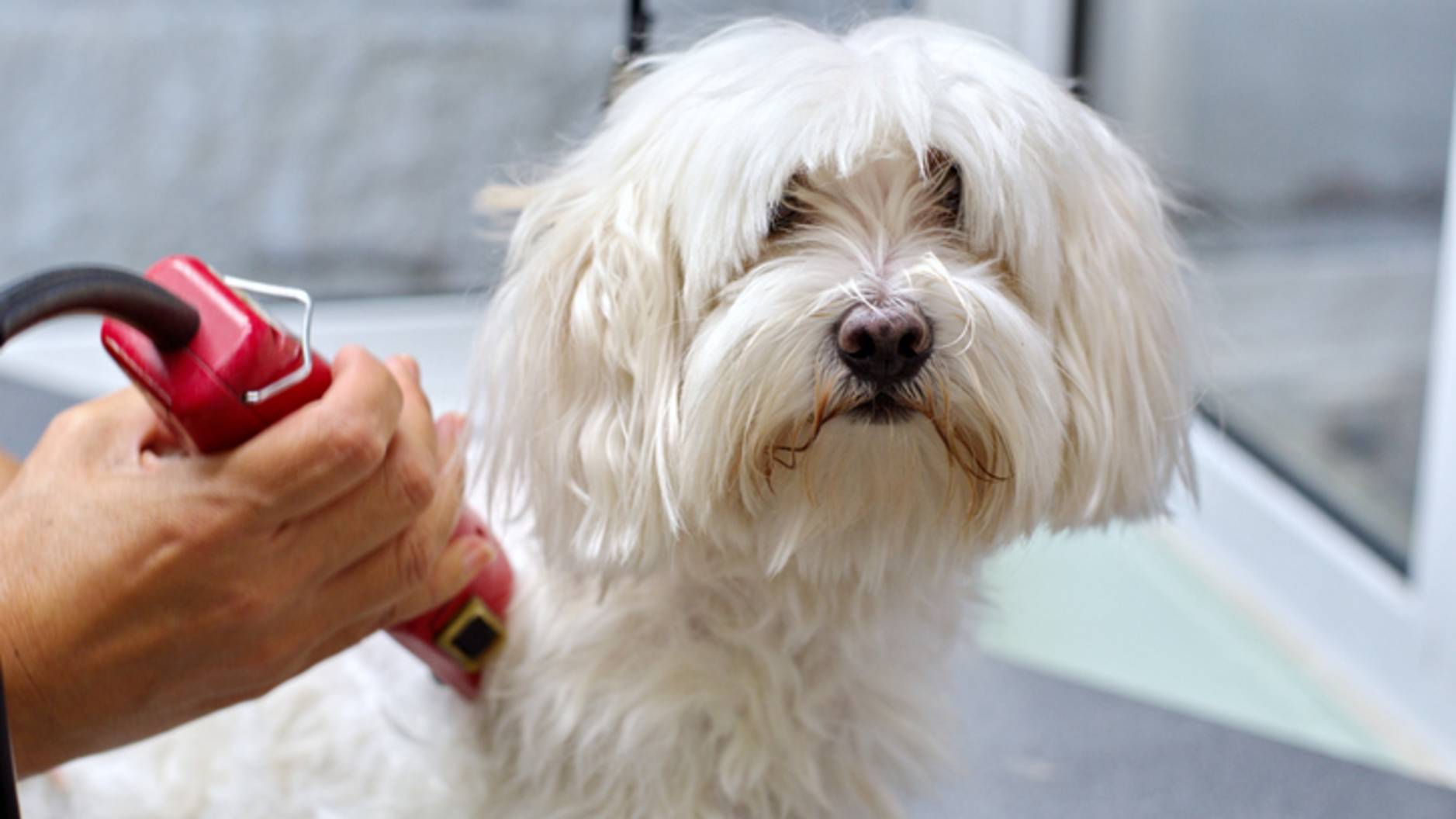
Image Source: cdn.mos.cms.futurecdn.net
The Big Differences: Dog Grooming Clippers vs Human Clippers
Many people wonder if they can save money by using clippers they already own for their own hair. But there are key reasons why dog grooming clippers vs human clippers are very different tools. Knowing these differences helps you keep your dog safe and happy.
Hair and Fur: A World Apart
- Human Hair: Our hair is usually fine and grows in single strands from each follicle. It is often straight or wavy.
- Dog Fur: Dog fur is much thicker. It grows in clumps of many hairs from each follicle. Dogs also have different types of coats. Some have a double coat with a soft undercoat and a coarse outer coat. This fur can be very dense and sometimes curly. This thick, dense fur is much harder for human clippers to cut.
Skin: A Sensitive Matter
- Human Skin: Our skin is tougher and less flexible than a dog’s.
- Dog Skin: A dog’s skin is thin and loose. It can easily get pulled into a clipper blade. This causes cuts or irritation.
Clipper Design: Built for Purpose
- Human Clippers: These clippers have fine blades. They are made to cut thin, single human hairs. Their motors are often weaker because human hair is easy to cut. They also run hot quickly.
- Dog Clippers:
Dog grooming clippershave strong motors. They are made to cut through thick, dense dog fur without snagging. Their blades are wider. They also stay cooler longer to protect your dog’s skin.
Why Human Clippers Fail on Dogs
Trying to use regular clippers on your dog often leads to problems. They are just not up to the task.
Can Regular Clippers Cut Dog Hair? (And Why They Often Can’t)
Regular clippers might try to cut dog hair, but they often struggle. The blades are too fine for thick dog fur. They can get stuck, pull the hair, or just glide over it without cutting. This is frustrating for you and painful for your dog. Imagine trying to cut a thick carpet with tiny scissors. That’s a bit like using human clippers on a dog’s coat. The answer to “can regular clippers cut dog hair?” is usually no, not well or safely.
The Heat Hazard: Dog Clipper Overheating
One of the biggest dangers of using human clippers on dogs is dog clipper overheating. Human clippers are not made to run for long periods or cut tough fur. Their motors work too hard and heat up fast. Hot clipper blades can burn your dog’s skin. This is very painful. It can cause red marks, irritation, and even skin damage. Dog clippers have better cooling systems. They also have blades that stay cooler. You still need to check dog clippers for heat, but they are built to manage it better.
Noise and Fear: Quiet Dog Grooming Clippers Matter
Human clippers are often loud. The buzzing noise can scare a dog. Many dogs are already nervous about grooming. A loud clipper can make them more anxious. This can lead to your dog moving around a lot, making cuts more likely. Quiet dog grooming clippers are made to run with less noise. This helps keep your dog calm during grooming. A calm dog is safer to groom.
Are Human Clippers Safe for Dogs? A Clear No
The direct answer to “are human clippers safe for dogs?” is a strong no. Beyond the problems of ineffective cutting and overheating, there are real safety risks.
Skin Injuries
Human clippers can easily pull and snag your dog’s loose skin. This can cause cuts, nicks, and clipper burn. Clipper burn is a red, irritated patch of skin. It happens when hot blades or dull blades rub too much on the skin. It is very painful for the dog and can lead to infection.
Coat Damage
Using the wrong clippers can damage your dog’s coat. It can break the hair shafts. This leads to a dull, unhealthy-looking coat. It can also cause skin irritation that makes your dog scratch, leading to more problems.
Emotional Stress
Grooming should be a calm experience. Using human clippers can make it stressful. The noise, the pulling, and the heat can make your dog fear grooming. This makes future grooming harder.
What to Look For: Choosing the Right Dog Clippers
If you decide to groom your dog at home, investing in proper dog clippers is key. They are made for the job and will make grooming safer and easier for both of you.
Professional Dog Clippers for Home Use
Many professional dog clippers for home use are available. They vary in price and features. Think about your dog’s coat type and how often you will groom.
- Motor Power: Look for clippers with a powerful motor. Rotary motors are often best for most coat types. They offer constant power and speed.
- Speed Settings: Some clippers have multiple speeds. A lower speed is good for sensitive areas or anxious dogs. A higher speed works well for thick fur.
- Corded vs. Cordless:
- Corded: Offer constant power. No need to worry about batteries dying. Good for long grooming sessions.
- Cordless: Offer freedom of movement. Great for quick touch-ups or dogs who move a lot. Make sure to check battery life.
- Weight and Ergonomics: Choose clippers that feel good in your hand. Lighter clippers are easier to use for longer periods.
Understanding Dog Clipper Blade Types
Different dog clipper blade types serve different purposes. Knowing this helps you pick the right one for your dog’s coat.
- Blade Material:
- Steel Blades: Common and durable. Can heat up faster than ceramic.
- Ceramic Blades: Stay cooler longer. They are often sharper and can be more expensive.
- Blade Numbers (Length of Cut):
- Lower Number Blades (e.g., #10, #7F, #5F): Leave more hair. #10 is a standard blade, leaving very short hair. #7F and #5F leave longer, smooth finishes. The “F” means finish, for a smooth cut.
- Higher Number Blades (e.g., #30, #40): Cut hair very short, almost to the skin. Used for medical purposes or very close trims on paws and sanitary areas.
- Skip-Tooth Blades (e.g., #7, #5): These blades have alternating long and short teeth. They are used for cutting through thick or matted fur. Use with extreme care, as they can easily cut skin if not used correctly. They are usually for experienced groomers.
- Comb Attachments: These plastic or metal combs snap onto a #10 blade. They lift the hair and let you cut it to a specific, longer length. They are great for beginners as they reduce the risk of cutting too short.
Clippers for Matted Dog Fur
If your dog has matted fur, it’s a tougher challenge. Clippers for matted dog fur need extra power and the right blades.
- Powerful Motor: A strong motor is a must. It will power through tangles without stalling.
- Sharp Blades: Dull blades will just pull and snag the mats. Use very sharp blades, usually a #10 or #15, to get under the mat.
- Skip-Tooth Blades (Caution): As mentioned, these can help. But be very, very careful. It is easy to cut skin when using skip-tooth blades on mats.
- When to See a Pro: For severe matting, it is often best to go to a professional groomer. They have special tools and skills to remove mats safely. They can also shave down the coat to start fresh, if needed. Trying to cut out severe mats at home can cause great pain and serious injury to your dog.
Getting Ready: Home Dog Grooming Tips Before You Clip
Good preparation makes grooming easier and safer. These home dog grooming tips will help you get ready.
1. Brush Thoroughly
- Why: Brush your dog’s coat completely before clipping. This removes loose hair, dirt, and small tangles.
- How: Use a slicker brush and a comb. Work through the coat section by section. If you find mats, try to gently work them out with your fingers or a mat breaker. If they are tight, you might need to carefully clip under them with a #10 blade or see a groomer.
2. Bathe and Dry
- Why: Clipping a dirty coat dulls your blades fast. It also makes it harder for the clippers to glide. A clean, dry coat ensures a smooth, even cut.
- How: Bathe your dog with dog shampoo. Rinse thoroughly to remove all soap. Then, dry your dog completely. Use a pet-specific dryer if you have one, or a low-heat human dryer (never hot!). Make sure the coat is bone dry, especially if it’s a double coat. Even slightly damp hair can cause blades to drag.
3. Gather Your Tools
- Clippers: Your chosen dog clippers.
- Blades: A few different blades (e.g., #10, and a guard comb or two).
- Coolant Spray: Very important! This keeps blades cool and clean.
- Shears/Scissors: For touch-ups around paws, face, or ears. Make sure they are blunt-tipped safety scissors.
- Brush/Comb: For pre-clipping and during grooming.
- Treats: For positive reinforcement!
- First Aid Kit: Just in case of nicks. Styptic powder is great for minor cuts.
4. Find a Good Spot
- Surface: A non-slip surface is best. A grooming table with a non-slip mat or a kitchen counter with a rubber mat works well.
- Lighting: Good lighting helps you see what you’re doing.
- Calm Area: Choose a quiet area where your dog will not be disturbed.
The Grooming Process: How to Clip Your Dog Safely
Now that you’re ready, here’s how to use your dog clippers. Remember, slow and steady wins the race.
Holding Your Dog
- Secure but Gentle: Always have a firm, but gentle, hold on your dog. If your dog is moving too much, stop and calm them. Never force them.
- Grooming Loop: A grooming loop on a table can help keep your dog in place.
- Breaks: Take breaks often, especially if your dog is new to grooming.
How to Hold the Clippers
- Firm Grip: Hold the clippers firmly but not too tightly.
- Flat on Skin: The flat part of the clipper blade should be against your dog’s skin. Do not angle the blade. This prevents nicks and uneven cuts.
- Stretch Skin: Use your free hand to gently pull the skin taut. This makes it easier for the blade to glide and reduces the risk of cutting loose skin. Be extra careful around folds of skin like armpits or flanks.
Clipping Direction
- With the Grain: For a longer cut or a natural look, clip with the direction of hair growth. This is also less likely to cause irritation.
- Against the Grain: For a very short cut, clip against the direction of hair growth. This can make the cut very close and can sometimes cause more irritation, so use with care.
Section by Section
- Start Simple: Begin with areas your dog is comfortable with, like their back.
- Work Slowly: Take small, even strokes. Do not press hard. Let the clipper do the work.
- Overlapping Strokes: Overlap your strokes slightly to avoid lines or choppy spots.
Careful Around Sensitive Areas
- Paws: Be very careful around paw pads and between toes. Use a smaller blade (#10 or #15) and gently spread the toes.
- Face: Many dogs dislike face grooming. Use blunt-tipped scissors for the face and around the eyes if your dog is too nervous for clippers. Or use a quiet, small clipper on a low setting. Always hold the hair away from the eye when trimming.
- Ears: Hold the ear flap flat and clip only on the flat part. Never clip inside the ear canal. Use scissors for inner ear hair if needed.
- Sanitary Areas: Clip the hair around the rectum and genitals very short with a #10 blade. This helps with hygiene. Pull the skin taut and be very careful.
Preventing Clipper Burn on Dogs
Preventing clipper burn on dogs is one of your most important jobs.
- Coolant Spray: Use a clipper coolant spray every 5-10 minutes, or whenever the blade feels warm. Spray it on the blade while the clipper is running.
- Multiple Blades: Have two or more of the same blade size. When one blade gets warm, swap it for a cool one. Let the warm blade cool down completely before using it again.
- Clean Blades: Dirty or dull blades cause more friction and heat up faster. Clean and oil your blades often.
- Proper Technique: Do not press down hard. Let the clippers glide. Use long, even strokes.
- Know Your Dog’s Skin: Some dogs have very sensitive skin (like breeds with thin skin or skin allergies). Be extra careful with them.
- Short Sessions: For beginners or nervous dogs, do shorter grooming sessions. Take breaks to let your dog rest and blades cool.
After the Clip: Finishing Touches and Care
You’ve done the hard part! Now for the finishing touches.
Cleaning Up
- Brush Again: Brush your dog one last time to remove loose hairs.
- Wipe Down: Use a damp cloth to wipe off any remaining hair from your dog’s skin.
- Clean Clippers: Clean your blades and clippers after each use. Remove hair with a brush. Use a blade wash to clean off dirt and oil. Apply clipper oil to the blades. Store them properly. This keeps your tools sharp and lasting longer.
Rewards and Praise
- Positive Reinforcement: Always end grooming with praise and treats. Make it a good experience for your dog. This builds trust and makes future grooming easier.
Check for Irritation
- Inspect Skin: After grooming, check your dog’s skin for any red spots, nicks, or irritation. If you see any, apply an antiseptic spray for pets. If it looks bad or doesn’t improve, call your vet.
When to Call a Professional Groomer
While home grooming can save money, there are times when a professional groomer is best.
- Severe Matting: As mentioned, trying to remove severe mats can be dangerous and painful.
- Nervous or Aggressive Dogs: If your dog becomes overly stressed or aggressive during grooming, a professional has the experience and tools to handle them safely.
- Complex Breeds: Some breeds have very specific grooming needs (e.g., Poodles, Portuguese Water Dogs) that require skilled styling.
- Lack of Confidence: If you don’t feel comfortable or confident, it’s better to let a pro do it.
Final Thoughts on Home Dog Grooming Tips
Using the right tools is the first step to successful home grooming. Never use human clippers on your dog. Invest in good quality professional dog clippers for home use. Learn about dog clipper blade types and how to use them. Always prioritize your dog’s safety and comfort. Brush your dog often, bathe them before clipping, and take care to prevent clipper burn on dogs. With patience, practice, and the right equipment, you can keep your dog looking and feeling great.
Frequently Asked Questions (FAQ)
Q1: How often should I groom my dog with clippers?
A1: It depends on your dog’s breed and coat type. Some dogs need clipping every 4-6 weeks. Others need it only a few times a year. Dogs with fast-growing hair need more frequent trims.
Q2: What is “clipper burn” and how can I avoid it?
A2: Clipper burn is skin irritation. It looks red and feels sore. It happens when blades get too hot or are dull. To avoid it, use cool blades. Use coolant spray often. Do not press hard. Use sharp blades.
Q3: Can I use scissors instead of clippers for my dog’s whole body?
A3: For most full-body trims, clippers are more efficient and give an even cut. Scissors are best for detailed work. Use them for faces, feet, or touching up specific areas. It is very hard to get an even cut on a whole body with just scissors.
Q4: My dog hates the sound of clippers. What can I do?
A4: Try quiet dog grooming clippers. Start by just turning on the clippers near your dog, then giving a treat. Slowly bring them closer. Do not try to clip right away. Make it a positive game. Take breaks often. Many dogs get used to it over time.
Q5: What are the best clippers for matted fur?
A5: For clippers for matted dog fur, you need a powerful clipper motor. Use a sharp #10 or #15 blade. Be very careful. It is often safest to seek help from a professional groomer for severe matting. Cutting out mats can be very risky for your dog.
Q6: Do I need to oil my clipper blades?
A6: Yes, always oil your clipper blades. Apply a few drops of clipper oil before, during, and after each grooming session. Oiling blades keeps them sharp. It also helps them run smoothly and cooler. It makes them last longer.