
Vital Info: Can A Dog Survive A Puff Adder Bite? Guide.
Yes, a dog can survive a puff adder bite, but it needs fast help from a vet. A puff adder bite is very serious. It can cause a lot of harm to your dog. The key is to get your dog to a vet right away. The faster your dog gets help, the better its chances are. We will look at the serious puff adder venom effects on dogs. We will also cover how to spot canine snake bite symptoms and what to do.
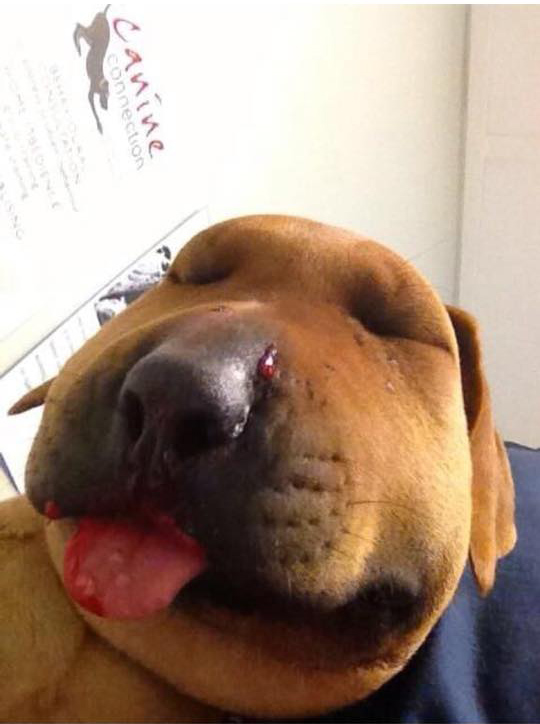
Image Source: www.africansnakebiteinstitute.com
Deciphering the Puff Adder Threat
A puff adder is a type of snake. It lives in Africa and the Middle East. It is very common. These snakes are often found in many different places. They can be in open fields. They can be near houses. They have thick bodies. They have big, flat heads. They are often brown and black. This helps them hide. They are hard to see. They like to lie still. They do not move much. This makes them hard to spot. Dogs can step on them by mistake. This makes the snake bite.
Puff adders are known for their strong venom. Their bite is very dangerous. It can cause a lot of damage. This snake is one of the most common causes of snake bites in dogs. Its bite can even kill. This is why knowing about them is so important.
What Makes a Puff Adder Bite So Bad?
Puff adder venom is very strong. It hurts the body in many ways. It is a cytotoxic venom. This means it kills cells. It breaks down tissue. It also has hemorrhagic effects. This means it makes blood vessels leak. It stops blood from clotting. This can cause a lot of swelling. It can cause bleeding under the skin. It can also cause tissue death.
The venom acts fast. It spreads quickly through the body. This is why a dog needs help very fast after a bite. The longer you wait, the worse it gets.
Where Bites Happen Most
Dogs are often bitten on their faces. They are also bitten on their legs. This is because dogs sniff the ground. They use their noses to explore. They might put their nose near a snake. The snake bites to defend itself. A bite on the face or nose can swell a lot. This can make it hard for the dog to breathe. A bite on the leg can make the leg swell big. It can also cause a lot of pain.
The size of the dog also matters. A small dog gets more venom per body weight. This means a small dog might get sicker faster. A big dog might handle the venom a little better. But any bite is a big problem.
How Much Venom Is Injected?
The amount of venom a snake injects can change. Not all bites are the same. A “dry bite” means no venom went in. This is rare. Most bites inject venom. A snake might give a lot of venom. This happens if it feels very scared. It might also give less. This happens if it has just bitten something else. Or if it is not a full bite.
But you can never know how much venom went in. Always think it was a lot. Always act fast. Never wait to see if your dog gets sick. Get help right away.
Signs of a Bite
Knowing the signs of a bite is key. If you see these signs, act fast. Even if you did not see the snake, these signs mean trouble.
Canine Snake Bite Symptoms: What to Look For
When a dog gets bitten by a puff adder, signs show up quickly. The area around the bite will swell. This swelling dog snake bite is usually the first sign. The swelling can get very big. It can spread fast.
Other signs of canine snake bite symptoms include:
- Sudden pain: Your dog might cry out. It might limp. It might hold up a paw.
- Swelling: The bitten area will swell up quickly. It can be soft at first. Then it gets firm.
- Bleeding: There might be blood from the bite mark. Or bleeding under the skin. This looks like bruises.
- Weakness: Your dog might act tired. It might not want to move.
- Drooling: Some dogs drool a lot.
- Fast breathing: Your dog might pant or breathe fast.
- Pale gums: Their gums might look light pink or white. This means low blood flow.
- Vomiting: Your dog might throw up.
- Diarrhea: Loose stools can happen.
- Shaking or tremors: Your dog might shake.
- Collapse: In very bad cases, the dog might fall down. It might not be able to stand.
These signs can start within minutes. They can also take an hour or two. Every minute counts. Watch your dog closely if you think it met a snake.
Specific Puff Adder Venom Effects on Dogs
The venom of a puff adder mainly causes cell death and bleeding. This means it hurts the body at a basic level. The puff adder venom effects on dogs are very serious.
- Tissue damage: The venom destroys cells. It kills muscles and skin. This is why necrosis from snake bite dog is a big problem. Necrosis means tissue dies. The dead tissue can fall off. It can leave a big open wound. This wound needs a lot of care. It takes a long time to heal.
- Blood problems: The venom stops blood from clotting. This causes bleeding inside the body. It can also make blood leak out of vessels. This makes the swelling worse. It causes bruising.
- Fluid loss: Blood leaks out of vessels. This means less fluid for the body. The dog can go into shock. Shock means the body does not get enough blood. This is very dangerous.
- Kidney damage: The venom can harm the kidneys. Kidneys clean the blood. If they stop working, toxins build up.
- Heart problems: The venom can also affect the heart. It can make the heart beat wrong.
- Pain: The bite is very painful. The pain itself can make the dog sick.
All these effects happen at the same time. This is why the bite is so life-threatening.
How Fast Do Effects Show?
The effects can show fast. Within 15 minutes, you might see swelling. Within an hour, it can be much worse. The speed of signs depends on many things. It depends on how much venom went in. It depends on where the bite is. It depends on the dog’s size. It depends on the dog’s health. But always assume it will get worse quickly.
What to Do Right Away: Puff Adder Bite First Aid for Dogs
If your dog gets bitten by a puff adder, you must act fast. This is an emergency. Your actions can save your dog’s life. This is not a time to wait. Call your vet at once. Tell them what happened. Tell them you are coming.
Here is puff adder bite first aid for dogs:
- Stay calm: Your dog will be scared. You need to be calm for your dog.
- Limit movement: Do not let your dog walk around. Carry it if you can. If it’s a big dog, put it in a car. Less movement means the venom spreads slower.
- Keep the bite area below the heart: If the bite is on a leg, try to keep that leg lower than the dog’s heart. This might slow venom spread a little.
- Clean the wound (gently): If there is dirt, gently wash the bite area with water. Do not scrub. Do not try to cut or suck out the venom. This does more harm than good.
- Do NOT apply a tourniquet: Do not tie anything tight around the leg. This can make the tissue damage much worse. It can lead to the leg dying.
- Do NOT try to cut the wound: Cutting the wound does not remove venom. It causes more damage and can lead to infection.
- Do NOT try to suck out venom: This does not work. You might get venom in your mouth.
- Do NOT give human pain meds: Many human pain medicines are bad for dogs. They can be very toxic.
- Get to the vet fast: This is the most important step. Every minute counts.
Table: First Aid Dos and Don’ts
| Action | Do This | Do NOT Do This |
|---|---|---|
| Your calm | Stay calm to help your dog. | Panic. |
| Dog’s movement | Limit movement. Carry or drive your dog. | Let your dog walk or run. |
| Bite area | Keep bite below heart if possible. | Raise the bitten area above the heart. |
| Wound cleaning | Gently clean with water. | Cut the wound. |
| Tourniquet | Never use one. | Tie anything tight around the limb. |
| Venom removal | Do not try to remove venom. | Suck out venom. |
| Medicines | Do not give any human meds. | Give human pain killers. |
| Vet visit | Go to the vet right away. | Wait to see if your dog gets better on its own. |
Remember, first aid is just to buy time. It is not a cure. The vet is the only one who can truly help your dog.
Veterinary Care for an Adder Bite: The Lifeline
When you get to the vet, they will work fast. Veterinary care for adder bite is a race against time. The vet will first check your dog’s vital signs. They will check heart rate, breathing, and body temperature. They will look at the bite area.
What the vet will do:
- Assess the bite: They will look at the bite mark. They will check the swelling. They will see how much damage is there.
- Give pain relief: The bite is very painful. The vet will give strong pain medicine. This helps the dog feel better. It also helps with shock.
- Give fluids: They will put a drip in your dog’s leg. This gives fluids into the vein. It helps with blood pressure. It helps keep the dog out of shock. It helps the kidneys work.
- Check blood: The vet will take blood samples. They will check for clotting problems. They will check how the kidneys are working. They will check for other signs of harm.
- Antivenom for dog snake bite: This is often the most important treatment. Antivenom for dog snake bite stops the venom from working. It is made from animal antibodies. It fights the toxins in the venom.
- Wound care: The bite area will need care. The vet might clean it more. They might remove dead tissue later. This is important to prevent infection.
- Antibiotics: The vet might give antibiotics. This is to stop infections. The bite wound can get infected easily.
- Monitoring: Your dog will stay at the vet hospital. They will watch your dog very closely. They will check vital signs often. They will watch the swelling. They will look for any changes.
Antivenom for Dog Snake Bite: A Deeper Look
Antivenom for dog snake bite is a very strong medicine. It is specific for certain types of snake venom. For puff adders, a specific antivenom is used.
- How it works: Antivenom contains antibodies. These antibodies latch onto the venom in the dog’s body. They neutralize it. This means they stop the venom from causing more harm.
- When it is used: Antivenom is used for serious bites. If the swelling is bad, if the dog is in shock, or if blood is not clotting, antivenom is needed. The vet will decide if your dog needs it.
- Giving antivenom: Antivenom is given through a vein. It must be given slowly. Sometimes, a dog can have a bad reaction to antivenom. This is rare but possible. The vet will watch for this.
- Cost and availability: Antivenom can be very expensive. It might not be available at every vet clinic. Smaller clinics might need to get it from a bigger hospital. This is why calling ahead is vital.
- Time is critical: Antivenom works best when given early. The sooner, the better. It cannot undo damage that has already happened. But it stops more damage from happening.
Not every dog needs antivenom. For very mild bites, dogs might get by with just pain meds and fluids. But for puff adder bites, antivenom is often key for survival.
Complications of Snake Bite in Dogs
Even with quick vet care, a puff adder bite can cause other problems. These are known as complications of snake bite in dogs. They can make recovery harder.
- Necrosis from snake bite dog: This is a big problem. The venom kills tissue. This dead tissue is called necrosis. It can be skin, muscle, or other soft tissue. The dead tissue might need to be cut away. This can leave a large open wound. The wound will need long-term care. It might need special bandages. It might even need skin grafts. This takes a lot of time to heal. It also adds to the cost of care.
- Infection: Open wounds are easy targets for bacteria. The dead tissue also makes it easy for infection to start. The vet will give antibiotics to fight this. But infection can still happen.
- Kidney failure: The venom can hurt the kidneys. If the kidneys stop working well, the dog can get very sick. It might need special treatment.
- Blood clotting problems: The venom stops blood from clotting. This can cause bleeding inside the dog. It can also cause problems with blood flow.
- Compartment syndrome: Swelling can get so bad that it presses on nerves and blood vessels. This can cut off blood flow to the limb. This is an emergency. It needs surgery to relieve the pressure.
- Scarring: Even after healing, the area might have bad scars. Hair might not grow back. The limb might not work as well as before.
- Long-term pain: Some dogs might have pain for a long time.
- Amputation: In severe cases of necrosis, a limb might need to be cut off (amputated). This happens if too much tissue dies. This is a last resort. But it can save the dog’s life.
These complications mean your dog might need a long hospital stay. They might need many follow-up visits. The path to full recovery can be long.
Dog Puff Adder Bite Prognosis and Survival Rate
The dog puff adder bite prognosis depends on many things. These include:
- Time to vet care: The faster the dog gets help, the better.
- Amount of venom: Less venom means better chances. But you can’t know this without a vet.
- Location of bite: Bites on the face, neck, or chest are more dangerous. They can cause swelling that blocks breathing. Bites on legs are bad but often less deadly.
- Dog’s size: Small dogs are at higher risk. They get more venom per pound of body weight.
- Dog’s health: A healthy dog has a better chance than an old or sick dog.
- Vet treatment: The right treatment from a good vet team makes a huge difference.
The dog survival rate puff adder bites can be high with quick, good care. Some studies show survival rates of 70-90% if dogs get vet help in time. But this rate drops sharply if treatment is delayed. If a dog does not get antivenom when needed, the survival rate drops much lower. Some vets say only 10-20% of dogs survive a severe bite without antivenom.
So, the outlook is good if you act very fast. But it is very bad if you wait.
Recovery from a Puff Adder Bite
After the initial crisis, your dog will need time to heal. This can take weeks or even months.
- Hospital stay: Your dog might stay at the vet for several days. They will get fluids, pain meds, and wound care.
- Wound management: If necrosis happens, the wound will be open. You will need to clean it daily. You might need to change bandages often. The vet will show you how. This can be a lot of work.
- Medicine at home: Your dog might need antibiotics and pain meds for a while.
- Rest: Your dog will need a lot of rest. No running or rough play.
- Check-ups: Regular vet visits are important. The vet will check the wound. They will check how your dog is doing.
- Physical therapy: If a limb was badly hurt, your dog might need exercises. This helps the limb work right again.
Recovery can be long and hard. It tests your patience. But with care, most dogs can get back to a good life.
Preventing Puff Adder Bites
The best treatment is to prevent a bite in the first place.
- Know your area: Find out if puff adders live where you walk your dog.
- Walk on paths: Stay on clear paths. Do not let your dog go into tall grass or thick bushes. Snakes like to hide there.
- Use a leash: Keep your dog on a leash. This gives you control. You can pull your dog away from danger.
- Watch your dog: Pay attention to what your dog is sniffing. If it freezes or backs away, there might be a snake.
- Clean your yard: Keep your yard tidy. Clear away wood piles, rocks, and trash. These are places snakes like to hide.
- Snake avoidance training: Some trainers teach dogs to stay away from snakes. This can be very useful.
- Consider boots: In high-risk areas, special boots can protect your dog’s paws and lower legs.
Being careful is key. A little care can save your dog from a very painful and dangerous bite.
Grasping the Long-Term Outlook
Even after recovery, some dogs may have lasting effects. These could be:
- Scarring: The bite area might be disfigured. Hair may not grow back.
- Limping: If the bite was on a leg, the dog might limp a bit. This is due to muscle damage or scar tissue.
- Pain: Some dogs might have chronic pain, especially in cold weather.
- Kidney issues: If kidneys were affected, long-term monitoring might be needed.
- Behavior changes: A dog might become more timid or fearful of certain areas. This is due to the trauma.
Most dogs make a good recovery. They go back to being happy, active pets. But it takes time, effort, and money.
What if I Can’t Afford Antivenom or Care?
This is a hard question. Veterinary care for a severe snake bite can be very expensive. Antivenom alone can cost a lot. Hospital stays and wound care add up.
If you are facing this problem, talk to your vet.
* Payment plans: Some vets offer payment plans.
* Animal charities: There might be charities that help with vet bills. Ask your vet if they know of any.
* Pet insurance: Pet insurance is a good idea. It can help cover these high costs. It’s too late for a bite that has already happened. But it’s something to think about for the future.
Your vet wants to help your dog. They will discuss all options with you.
FAQs
Q1: How long after a puff adder bite will a dog show symptoms?
A1: Signs can show up very quickly, often within minutes. Swelling is usually the first visible sign. Other signs like pain, weakness, and vomiting can appear within 30 minutes to a few hours. Always act fast, even if symptoms are mild at first.
Q2: Can a dog die from a puff adder bite?
A2: Yes, a dog can die from a puff adder bite. The venom is very strong. It causes severe tissue damage, bleeding problems, and shock. Without fast vet care, the bite can be fatal. But with quick treatment, including antivenom if needed, the chances of survival are high.
Q3: Is puff adder venom cytotoxic or neurotoxic?
A3: Puff adder venom is mainly cytotoxic. This means it kills cells and breaks down tissues. It also has hemorrhagic effects, which cause bleeding. It is not neurotoxic, which affects the nerves and brain.
Q4: How does a vet treat a puff adder bite in dogs?
A4: Vets treat puff adder bites with pain relief, intravenous fluids, and often antivenom. They also manage the wound. This includes cleaning it and removing dead tissue if necrosis happens. They monitor the dog closely for any complications.
Q5: How long does it take for a dog to recover from a puff adder bite?
A5: Recovery time varies a lot. For mild bites, it might be a week or two. For severe bites with necrosis, recovery can take many weeks or even months. It involves wound care, medication, and rest. Follow-up vet visits are often needed.
Q6: Can I use a snake bite kit on my dog?
A6: Most snake bite kits sold for humans are not good for dogs. They often contain devices to suck venom or tie tourniquets. These methods are harmful and do not work. The best first aid is to keep the dog calm, limit movement, and get to the vet immediately.
Q7: Will my dog lose the limb if bitten by a puff adder?
A7: Losing a limb is rare but possible. It happens if the venom causes a lot of necrosis (tissue death). If too much tissue dies and cannot be saved, amputation might be needed. This is usually a last resort to save the dog’s life. Early and aggressive treatment helps prevent this.
A puff adder bite is a scary event for any dog owner. But remember, dogs can and do survive these bites. Your quick actions and getting your dog to a vet fast are the most important things. Trust your vet. Give your dog the best chance to get well.