
Can I use human hair clippers on my dog? No, you should not use human hair clippers on your dog. While they might seem similar, human hair clippers are not made for dog hair or dog skin. Using them can hurt your dog, damage the clippers, and make grooming a frustrating mess. It is much better and safer to use tools made for pets.
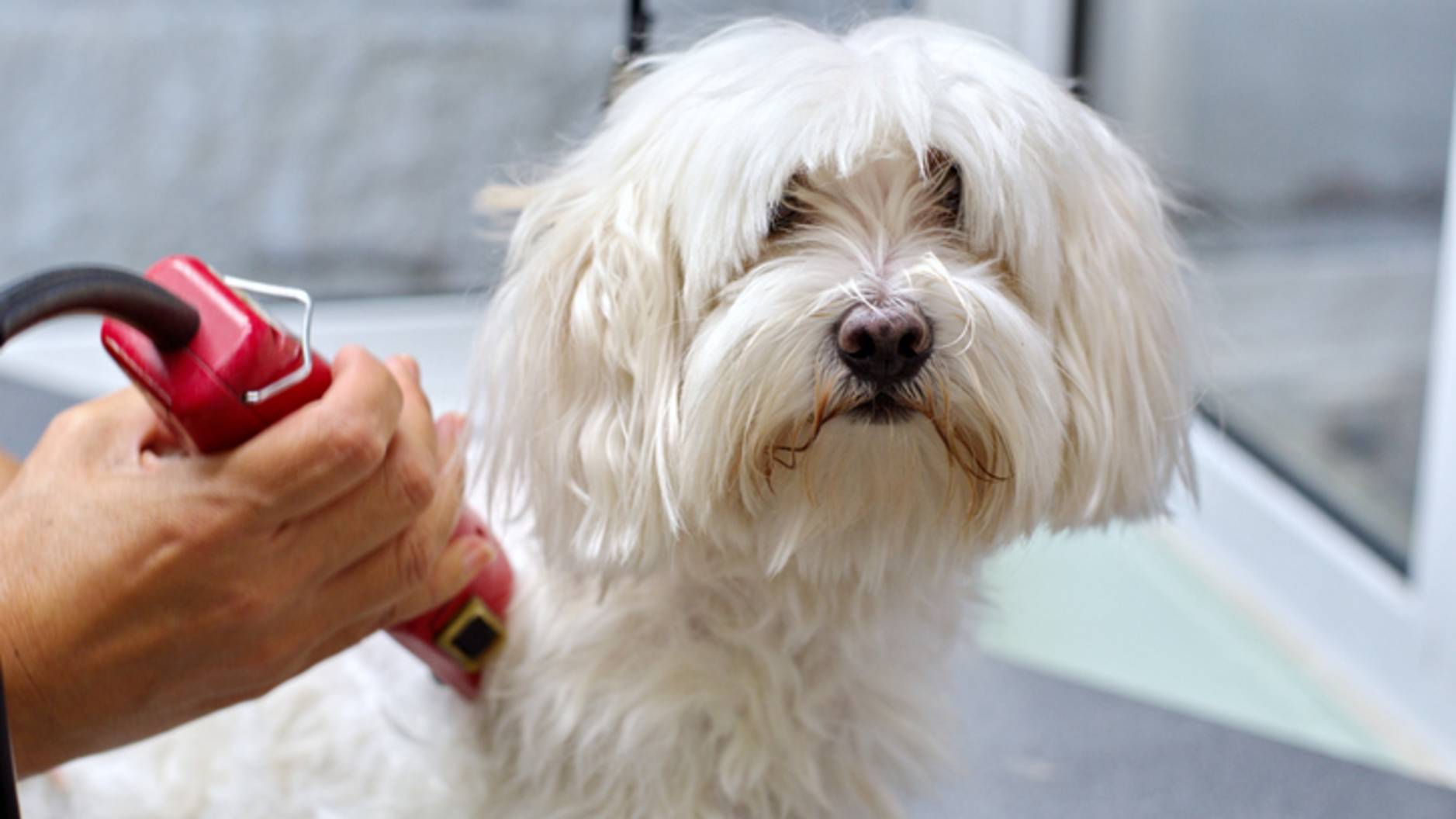
Image Source: cdn.mos.cms.futurecdn.net
Why Human Hair Clippers Are a Bad Idea for Your Dog
Many pet owners wonder if they can save money by using their own hair clippers on their furry friends. It’s a common thought. You might think, “Hair is hair, right?” But the truth is, using human clippers on a dog is risky. It can lead to pain for your pet and a bad grooming experience for both of you.
Dog hair is very different from human hair. Dog coats can be thick, fine, curly, matted, or have multiple layers. Human clippers are not built to handle this. They can quickly get bogged down, pull at your dog’s fur, and cause skin irritation. This can turn a simple groom into a trip to the vet.
Let’s look at why human clippers are not suitable for dogs. We will cover the main reasons and explain the dangers. We will also show you why proper dog grooming clippers are a smart buy.
Deciphering the Differences: Human vs. Dog Clippers
At first glance, human hair clippers and dog grooming clippers might look alike. They both cut hair. But if you look closer, you will see many key differences. These differences make pet-specific clippers much safer and more effective for your dog.
Here are the main distinctions between human and dog clippers:
1. Motor Strength and Speed
- Human Hair Clippers: These clippers often have weaker motors. They are made to cut relatively fine, clean human hair. They work quickly on small sections of hair. They are not built for thick, dense, or dirty animal coats.
- Dog Grooming Clippers: These tools have powerful, heavy-duty motors. They can handle tough, coarse, and matted dog fur without slowing down. Stronger motors mean a smooth, clean cut, even through thick coats. They come in different speeds to match different coat types and grooming needs. Professional pet hair trimmers usually have very strong motors.
2. Blade Design and Material
The blades are where you see a huge difference. This is a critical part of why dog clipper blade types are unique.
- Human Hair Clippers: The blades are usually finer and set closer together. They are often made of softer metals. They are designed to cut human hair close to the skin. They can quickly dull or heat up when cutting dog hair. Their fine teeth can also grab and pull at dog hair, causing pain.
- Dog Grooming Clippers: These blades are much stronger. They are made of tough materials like ceramic or stainless steel. They are designed to stay sharp longer and resist rust. The teeth on dog clipper blades are wider and spaced differently. This helps them glide through thick fur without pulling or snagging. They also help hair fall away from the blade, preventing clogging.
- Blade Types for Dogs: There are many dog clipper blade types. For example, A5-style blades are common. They come in different lengths, like #10 (short), #7F (medium), and #3F (longer). Each blade length is for different coat types and styles. Professional groomers use a range of these blades.
3. Heat Generation and Dissipation
This is a big one. Overheating human clippers dog hair is a major problem and a safety risk.
- Human Hair Clippers: Because their motors are weaker and blades are smaller, human clippers heat up very fast when used on dog fur. Dog fur is dense and can trap heat. This heat quickly transfers to the blades. Hot blades can cause serious “clipper burn” on your dog’s skin. This is painful and can lead to raw, red skin or blisters.
- Dog Grooming Clippers: Pet clippers are built with cooling systems. They have vents to let heat out. Their stronger motors also mean they work more efficiently, creating less friction and heat. Many professional-grade clippers use special blade materials (like ceramic) that stay cooler. Even with these features, good pet clippers can still get warm. That’s why groomers use blade coolants and switch blades often.
4. Noise and Vibration
- Human Hair Clippers: These can be quite noisy. The loud buzzing and strong vibrations can scare a dog. A scared dog will not stay still. This makes grooming harder and more dangerous.
- Dog Grooming Clippers: Most dog grooming clippers are made to be quieter. They have special motors and designs that reduce noise and vibration. This helps keep your dog calm during grooming. A calm dog is a safer dog to groom. This also makes the process much less stressful for the dog.
5. Ergonomics and Durability
- Human Hair Clippers: They are usually lighter and smaller. They are made for short grooming sessions on human heads. They are not built for long, tough jobs like grooming a whole dog.
- Dog Grooming Clippers: These are often sturdier. They are made to be held comfortably for long periods. They can handle the wear and tear of cutting through tough dog coats. They are built for durability and professional use.
A table summarizing the key differences:
| Feature | Human Hair Clippers | Dog Grooming Clippers |
|---|---|---|
| Motor | Weaker, less powerful | Stronger, heavy-duty, often multi-speed |
| Blades | Finer teeth, closer set, softer metal | Wider teeth, stronger metal (ceramic/steel) |
| Heat | Heats up very quickly, high risk of burn | Better cooling, lower risk of burn |
| Noise/Vib. | Can be loud and vibrate a lot | Quieter, lower vibration design |
| Durability | Lighter, for light use | Heavier duty, built for tough use |
| Hair Type | Fine, single-layered human hair | Thick, dense, multi-layered dog coats |
| Safety | High risk of cuts, burns, pulling | Designed for pet safety, less risk |
The Dangers: Risks Using Human Clippers on Pets
Using clippers made for people on your dog comes with serious risks. These risks affect both your pet’s health and the clippers themselves.
1. Skin Irritation and Clipper Burn
This is the biggest risk. As mentioned, human clippers heat up fast. When a hot blade touches your dog’s skin, it can cause a “clipper burn.” This is like a second-degree burn. It looks like red, raw skin. In bad cases, it can cause blisters or open sores. These burns are very painful for your dog. They can also get infected, needing vet care and antibiotics.
2. Cuts and Nicks
Human clipper blades are not designed to move smoothly through thick or matted dog fur. They can snag and pull hair. When the clippers pull, your dog might jump. This can lead to deep cuts. Dogs have loose skin in many areas, like around the elbows, armpits, and flank. These areas are easy to cut if the blades are not right or if the dog moves.
3. Tugging and Pain
Dog hair can be very dense. Human clippers will struggle to cut through it cleanly. Instead, they will pull at the hair. This is painful for your dog. Imagine someone pulling your hair with every single cut. This pain makes the grooming experience terrible for your dog. It can make them afraid of grooming forever.
4. Fear and Trauma
If grooming is a painful or scary experience, your dog will remember it. They might become very anxious or aggressive when you try to groom them again. This can make future grooming almost impossible without professional help or sedation. It harms the trust between you and your pet.
5. Ineffective Grooming
Can regular clippers cut dog hair? Yes, they can, but not well. They will likely leave your dog’s coat looking uneven and choppy. They might not cut through matts at all, or they might just pull them. You’ll end up with a poorly groomed dog, and you’ll still have to fix it. This means more time, effort, and possibly more stress for your dog.
6. Damaging Your Clippers
Human hair clippers are not built for the tough job of cutting dog hair. The motor will strain, and the blades will dull very quickly. You could burn out the motor or ruin the blades. This means you will have to buy new human clippers anyway, plus pet clippers. It’s not a cost-saving measure in the long run.
Are Human Clippers Safe for Dogs? The Final Answer
Simply put, are human clippers safe for dogs? No. They are not safe. The risks of clipper burn, cuts, pain, and emotional trauma to your dog are too high. It’s not worth the risk to save a few dollars. Your dog’s comfort and safety should always come first. Using the wrong tools can cause lasting harm and make grooming a nightmare for both of you.
What the Pros Use: Professional Dog Grooming Tools
Professional groomers invest in high-quality dog grooming clippers and other tools. They do this because their tools need to be reliable, safe, and efficient. They also understand the unique needs of different dog breeds and coat types.
Here’s what makes professional dog grooming tools different:
- Powerful Motors: Pros use clippers with strong, durable motors that can run for hours. These motors cut through even the densest or matted coats without bogging down.
- Interchangeable Blades: Professional clippers use a system of interchangeable blades. This allows groomers to quickly switch blade lengths (like the different dog clipper blade types) and types (e.g., skip-tooth, finish blades) for different areas of the dog’s body or for different coat textures.
- Cooling Features: Many professional clippers have features to help blades stay cool. They might have better ventilation, ceramic blades, or be used with blade coolants. Groomers also use multiple sets of blades. They swap them out often to let hot blades cool down.
- Quiet Operation: While no clipper is silent, professional models are designed to be much quieter than human clippers. This helps keep dogs calm during grooming.
- Durability: These tools are built to last. They are made from high-quality materials that can withstand constant use in a busy grooming salon.
Examples of popular professional brands include Wahl, Andis, Oster, and Laube. These brands make specific lines of clippers just for animals.
Choosing the Right Dog Grooming Clippers for Your Pet
If you plan to groom your dog at home, investing in good dog grooming clippers is essential. Think of it as buying a car. You wouldn’t buy a race car for daily city driving. You need the right tool for the right job.
Here’s what to look for when buying pet hair trimmers:
1. Motor Type
- Rotary Motors: These are the most common and versatile. They offer good power and speed. They are suitable for most coat types and are found in many cordless clippers. Many professional groomers prefer rotary motor clippers.
- Pivot Motors: These are strong and good for very thick or matted coats. They run at slower speeds but have high torque. They are often found in corded clippers.
- Magnetic Motors: These are usually found in basic, less expensive clippers. They are fast but not as powerful as rotary or pivot motors. They are best for light trimming on dogs with fine coats.
2. Corded vs. Cordless
- Corded Clippers: Offer constant power. You don’t need to worry about batteries dying in the middle of a groom. They are often more powerful and can be better for very thick coats or long grooming sessions.
- Cordless Clippers: Offer more freedom of movement. They are great for quick touch-ups or grooming in different areas. Battery life and charging time are important factors to consider.
3. Blade System
Look for clippers that use A5-style detachable blades. These are standard in the grooming world. They allow you to easily switch blade lengths and types. You can also get different comb attachments (like snap-on combs) to go over these blades, which helps you leave longer hair.
4. Noise Level
If your dog is sensitive to noise, look for clippers advertised as “low noise” or “quiet operation.” This can make a big difference in your dog’s comfort.
5. Heat Management
Some clippers have features like ceramic blades or improved ventilation to help manage heat. Always have blade coolant spray on hand, no matter what clippers you buy. Check blade temperature often. If it feels warm to your hand, it’s too hot for your dog’s skin.
6. Included Accessories
Some clipper kits come with different blades, comb attachments, oil, and a cleaning brush. These can be a good value for beginners.
Wahl Dog Clippers vs Human: A Brand Comparison
Wahl is a well-known brand for both human and pet grooming tools. This can add to the confusion about using human clippers on dogs. However, Wahl itself makes a clear distinction between its human hair clippers and its Wahl dog clippers.
- Wahl Human Hair Clippers: These are designed for the finer, less dense texture of human hair. They have motors and blade designs suited for this specific purpose. They are generally lighter and often less powerful than their pet counterparts. They will heat up quickly and struggle with dog hair.
- Wahl Dog Clippers: Wahl offers a wide range of clippers specifically for dogs, from basic home grooming kits to professional-grade tools. These Wahl dog clippers feature:
- Stronger Motors: Built to power through dense dog coats.
- Durable Blades: Often made of high-carbon steel or ceramic, designed to stay sharp longer on animal fur. They come in various dog clipper blade types for different cuts.
- Lower Vibration and Noise: Designed to be less scary for pets.
- Better Heat Dissipation: Engineered to run cooler, reducing the risk of overheating human clippers dog hair issues.
When you see Wahl dog clippers, know that they are specifically engineered for the unique challenges of grooming dogs. Do not assume a Wahl human clipper is the same. Always check the product description to ensure it is for “pets” or “animals.”
Steps for Safe and Effective Dog Grooming at Home
Once you have the right dog grooming clippers, here are some tips for a safe and happy grooming session:
- Brush First: Always brush your dog thoroughly before clipping. This removes loose hair, dirt, and helps to untangle minor mats. Clipping a matted coat can be painful and is very hard on your clippers.
- Bathe and Dry: For best results, bathe your dog with dog shampoo and conditioner. Make sure they are completely dry before clipping. Clipping a dirty or damp coat can dull blades quickly and make the job much harder.
- Use the Right Blade: Choose the correct dog clipper blade type for your dog’s coat and the length you want. Use comb attachments if you want to leave the hair longer.
- Keep Blades Cool: Check the blade temperature often. If it feels warm to your hand, spray it with blade coolant or switch to a cool blade. Never put a hot blade on your dog’s skin.
- Go Slow and Steady: Don’t rush. Take your time. Use smooth, even strokes, going with the direction of the hair growth.
- Hold Skin Taught: Gently stretch the skin in the area you are clipping. This helps prevent nicks, especially in loose-skinned areas.
- Take Breaks: Both you and your dog will benefit from breaks. Offer praise and treats to make it a positive experience.
- Clean and Oil: After each use, clean your blades thoroughly and apply clipper oil. This keeps them sharp and helps them last longer.
When to See a Professional Groomer
While home grooming can save money, some situations call for a professional.
- Severe Matting: If your dog has severe mats, it’s best to take them to a professional. Removing severe mats can be dangerous. It often requires special tools and techniques, sometimes even sedation by a vet.
- Complex Breeds: Some breeds have very specific grooming needs and elaborate clips. A professional groomer has the skills and knowledge to give your dog the proper breed-standard haircut.
- Behavioral Issues: If your dog is highly anxious, aggressive, or uncooperative during grooming, a professional might be able to handle them better. They have experience with difficult dogs and specialized equipment.
- Time Constraints: Grooming a dog well takes time. If you don’t have the time or patience, a professional groomer is a great option.
- Regular Maintenance: Even if you groom at home, occasional professional grooming can be beneficial for a full spa treatment, including nail trims, ear cleaning, and gland expression.
Conclusion
So, can I use human hair clippers on my dog? The clear answer is no. While it might seem like a way to save money, using human hair clippers on your dog carries too many risks. From painful clipper burns and cuts to causing fear and trauma, the potential harm far outweighs any supposed savings.
Dog grooming clippers are designed with your pet’s safety and comfort in mind. They have stronger motors, specialized blades, better heat management, and quieter operation. Investing in the right pet hair trimmers ensures a safer, more effective, and much less stressful grooming experience for your beloved companion. Your dog deserves the right tools for a comfortable and happy groom. Make the smart choice for your furry friend and use clippers made for them.
Frequently Asked Questions (FAQ)
Q1: What happens if I use human clippers on my dog?
A1: Using human clippers on your dog can cause many problems. You might give your dog painful clipper burns, cuts, or nicks. The clippers will likely pull your dog’s hair, causing pain. This can also make your dog afraid of grooming. The clippers themselves can overheat, get dull, or break.
Q2: Are professional dog grooming tools expensive?
A2: Professional dog grooming clippers can be an investment, but they are built to last and perform well. You can find good quality clippers for home use at various price points. Think of it as a long-term investment in your dog’s comfort and health. Cheaper options exist, but they might not last as long or work as well.
Q3: How often should I clean my dog’s clippers?
A3: You should clean and oil your clippers after every single use. This includes brushing off hair, using a clipper disinfectant spray, and applying clipper oil to the blades. Proper care keeps your clippers sharp and working well.
Q4: What if my dog gets clipper burn?
A4: If your dog gets clipper burn, gently cool the area with a cold compress. Apply an antiseptic or soothing cream made for pets if your vet approves. Watch for signs of infection (redness, swelling, pus). If the burn is bad, painful, or gets infected, see your veterinarian right away.
Q5: Can I use human scissors to trim my dog’s hair?
A5: You can use human scissors for small trims around sensitive areas like the eyes or paws, but only if they are very sharp. Always use blunt-nosed pet scissors for safety. Never use blunt or dull scissors, as they can pull hair. For full body trims, specific grooming shears for dogs are best. They are designed for pet hair and often have safety features.
Q6: Why do groomers use ceramic blades?
A6: Ceramic blades are popular because they stay cooler than steel blades. They reduce the risk of overheating human clippers dog hair (and pet clippers too) and clipper burn. They also tend to stay sharper longer. Many dog clipper blade types include ceramic options.
Q7: Can I use human hair products (shampoo, conditioner) on my dog?
A7: No, you should not use human hair products on your dog. Dog skin has a different pH level than human skin. Using human shampoos can dry out their skin, cause irritation, or lead to skin problems. Always use shampoos and conditioners made specifically for dogs.