
How To Remove Urine Stains From White Dog Fur Easily
Yes, you can remove urine stains from white dog fur easily. You need quick action for fresh stains. For old ones, specific products and methods work best. This guide will show you how to clean yellow dog pee from a white coat. With the right steps, your dog’s fur can be bright again.
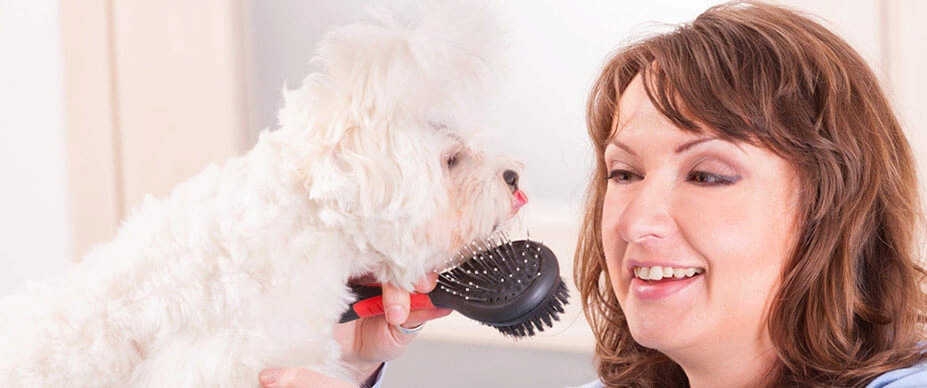
Image Source: www.fourpaws.com
Why White Fur Gets Stains
White dog fur is beautiful. But it shows dirt and stains easily. Urine stains are a common problem. They turn the fur yellow or brown.
The Problem with Urine
Dog urine has pigments. These are natural colors. It also has salts and acids. These things stick to fur. They cause the yellow color. Urine also has a strong smell. This smell can stay in the fur. The longer urine stays, the deeper the stain. The color sets in the fur. This makes the fur look dirty and old.
How Fur Absorbs Stains
Dog fur is porous. This means it has tiny holes. It soaks up liquids like a sponge. Urine goes deep into the hair shafts. Over time, the pigments bond with the fur. This makes the stain permanent. Heat can also set stains. So, do not use hot water on fresh stains. The fur itself can also become rough. It can lose its soft feel. The smell also sticks to the fur. It can be hard to get out.
Preventing Urine Stains
The best way to deal with stains is to stop them. Prevention is key. Good habits can keep fur clean. This saves you work later.
Good Grooming Habits
Brush your dog often. Daily brushing is best. This removes loose hair. It also gets rid of dirt. Loose hair can hold urine. Regular brushing helps air out the coat. It also spreads natural oils. These oils protect the fur.
Trim hair around private areas. This includes the belly and hind legs. Keep this fur short. This helps keep urine off the fur. It makes cleaning easier. It stops urine from sticking to long hairs. Use blunt-nosed scissors for safety. Be very careful when trimming.
Bathe your dog regularly. Use a good shampoo for white fur. These shampoos help keep fur bright. They can also prevent yellowing. Frequent baths remove dirt and oils. They stop new stains from setting in.
Potty Training Tips
Train your dog to go outside. Take them out often. Puppies need to go out every few hours. Adult dogs need regular trips. Reward them for going in the right place. Give treats and praise. This helps them learn quickly. A well-trained dog has fewer accidents.
Use doggie diapers if needed. This can help with older dogs. It also helps with puppies. Some dogs have health issues. They may leak urine. Diapers catch the urine. They keep it off the fur. Change diapers often. Do not let urine sit in them.
Check for Health Issues
Excessive peeing can mean a health problem. It could be a urinary tract infection. Or it could be diabetes. See your vet if you notice a change. A vet can check for infections. They can give you advice. Treating the cause stops the stains. This is important for your dog’s health. It also helps your dog stay clean.
Immediate Action for Fresh Stains
Acting fast is the most important step. Fresh stains are much easier to remove. The longer urine sits, the deeper it sets. So, do not wait!
Quick Steps Are Best
As soon as you see a stain, act. Do not let it dry. Dried stains are harder. They need more work. Gather your supplies first. This makes the process quicker. Being prepared saves time. It helps clean yellow dog pee from a white coat fast.
What You Need
You will need a few simple things. Make sure they are clean.
* Clean towels: White towels are best. They show you if the stain is coming out.
* Lukewarm water: Not hot water. Hot water can set stains.
* Mild dog shampoo: Use a gentle one. It should be safe for dogs.
* Paper towels: Good for blotting. They soak up liquid.
* Cornstarch or baking soda (optional): These can help absorb. They are natural options.
Step-by-Step Cleaning
- Blot the area: Use paper towels. Press gently on the wet fur. Do not rub the stain. Rubbing spreads it. It pushes urine deeper into the fur. Blot until no more wetness comes up. Change paper towels often.
- Rinse with water: Use lukewarm water. Get the stained fur wet. You can use a small cup. Or hold the dog under a gentle faucet. Make sure the water runs through the fur. This helps rinse some urine away.
- Apply shampoo: Put a small amount of dog shampoo on your hand. Lather it gently on the stained fur. Work it into the fur. Use your fingers. Be gentle.
- Rinse well: Rinse until all soap is gone. This is very important. Soap left on the fur can cause skin irritation. It can also attract more dirt. Rinse until the water runs clear.
- Dry the fur: Use a clean towel. Blot the fur dry. Press the towel gently. You can use a hairdryer on low heat. Keep the dryer moving. Do not hold it in one spot. This prevents burns. Make sure the fur is fully dry.
- Repeat if needed: Sometimes, one wash is not enough. Especially for slightly older fresh stains. Repeat the steps. Go back to rinsing and shampooing. Be patient. This is part of dog urine stain removal white fur.
Removing Old Urine Stains White Dog Fur
Old stains are stubborn. They need more effort. But they are not impossible to remove. You need to be patient. You also need the right products.
Why Old Stains Are Harder
Old stains have dried completely. The urine has set into the fur. The color has bonded with the fur’s structure. This makes the fur actually change color. It often looks yellow or brown. Normal washing will not remove these stains. They need special treatment. This means products that break down the stain.
Key Products for Tough Stains
You need special cleaners. Look for pet stain removers. Some have enzymes. Enzymes break down urine molecules. They remove both the stain and the smell. Products for whitening discolored dog fur are very helpful. These can help restore the fur’s natural brightness.
Step-by-Step for Old Stains
- Wet the stain: Use warm water. Get the fur very wet. This helps loosen the stain. It also prepares the fur for the cleaner.
- Apply cleaner: Put your chosen cleaner on the stain. Follow bottle directions exactly. Some cleaners are sprays. Others are liquids. Make sure the product reaches the stained fur.
- Let it soak: Let the product sit. This gives it time to work. The time varies by product. Read the label. Some need 5 minutes. Others need 15 minutes. Do not let it dry on the fur.
- Gently scrub: Use a soft brush. A toothbrush works well. Gently scrub the stained fur. Work in the direction of the fur growth. Be careful not to hurt your dog’s skin. Scrubbing helps the cleaner reach deep. It helps lift the stain.
- Rinse thoroughly: Rinse the fur very well. Make sure all cleaner is gone. Any leftover cleaner can irritate skin. It can also make the fur stiff. Rinse until the water is clear.
- Dry the fur: Blot dry with a clean towel. You can use a hairdryer on low. Make sure the fur is fully dry.
- Repeat if needed: Old stains may need many tries. You might not see a big change after one wash. Repeat the process over a few days. Be patient. Consistent effort helps. This is treating yellowed white dog fur from urine.
Natural Remedies Dog Pee White Fur
Many people prefer natural options. They are often safe for dogs. They can help with both stains and smells. They are good to try for mild stains.
White Vinegar Solution
White vinegar is a common household item. It is acidic. This helps break down urine. It also kills odor-causing bacteria.
* How to use: Mix equal parts white vinegar and water. Use plain white vinegar. Apply the mix to the stained fur. Make sure the fur is wet. Let it sit for 5-10 minutes. Rinse well with clean water. Dry the fur. The vinegar smell goes away as it dries.
Baking Soda Paste
Baking soda is a great deodorizer. It absorbs smells. It can also help lift stains. It is gentle on fur.
* How to use: Mix baking soda with a little water. Make a thick paste. It should be spreadable. Rub it on the stain. Let it dry completely. This can take a few hours. Once dry, brush off the powder. The baking soda pulls out the stain and smell. This helps clean yellow dog pee from a white coat.
Lemon Juice and Sun
Lemon juice is a natural whitener. It has citric acid. The sun’s UV rays also help to lighten things.
* How to use: Mix fresh lemon juice with an equal part of water. Apply this mix to the stain. Let your dog sit in a sunny spot. This helps the fur lighten. Watch your dog closely. Do not let them lick the lemon juice. It can upset their stomach. Only use this on small areas. Rinse the fur very well after sun exposure. Do not leave lemon juice on the fur for too long. It can make skin sensitive to sun.
Cornstarch for Absorbency
Cornstarch is a fine powder. It soaks up wetness. It can pull out some stain liquid. It is best for very fresh, wet stains.
* How to use: Sprinkle cornstarch generously on a fresh stain. Let it sit for 10-15 minutes. It will absorb the urine. Then, brush it off thoroughly. This helps clean yellow dog pee from a white coat by pulling liquid out. It can reduce the stain from setting.
Best Products for White Dog Urine
Many good products are available. Choose products made for pets. Always read labels carefully. Look for “safe for pets” or “enzymatic.” These are key terms.
Enzyme Cleaners
Enzyme cleaners are powerful. They have special proteins. These proteins “eat” urine molecules. They break down uric acid crystals. These crystals cause both stain and odor.
* Benefits: They remove the root cause of the stain and smell. They are great for old, set-in stains. They are safe for pets when used right.
* How to use: Apply directly to the stained area. Make sure to soak the fur. Let it sit for the time on the bottle. This can be 10 minutes to several hours. Then, wash the area with dog shampoo. Rinse very well.
| Product Type | Example Product (Generic Name) | Key Features |
|---|---|---|
| Enzyme Cleaner | Nature’s Miracle Stain & Odor Remover | Breaks down urine, safe for pets, good for odor. |
| Enzyme Cleaner | Rocco & Roxie Supply Co. Eliminator | Strong, works on old stains, removes stubborn smell. |
| Enzyme Cleaner | Pet Stain Off Cleaner | Good for deep stains, neutralizes odors. |
Whitening Shampoos
These shampoos have special brighteners. They make fur look whiter. They do not bleach the fur. They often use optical brighteners. These reflect light in a way that makes fur look brighter.
* Benefits: They enhance the natural white. They remove yellow tones. They are part of how to restore white dog fur from urine.
* How to use: Use them as part of a regular bath. Lather into the fur. Leave on for a few minutes. Then rinse well. Follow bottle directions.
| Product Type | Example Product (Generic Name) | Key Features |
|---|---|---|
| Whitening Shampoo | Chris Christensen White on White | Optical brighteners, good for show dogs, safe. |
| Whitening Shampoo | Bio-Groom Super White | Natural whiteners, removes yellowing, gentle. |
| Whitening Shampoo | Espree Bright White Shampoo | Coconut-based, brightens, safe for regular use. |
Stain Remover Sprays
These are good for quick clean-ups. They are handy for fresh stains. They are easy to use.
* Benefits: Convenient, fast-acting. Good for on-the-spot treatment.
* How to use: Spray on the stain. Blot with a clean cloth. You might need to rinse lightly. Then dry.
| Product Type | Example Product (Generic Name) | Key Features |
|---|---|---|
| Stain Remover Spray | Pet’s Favorite Stain Remover | Quick, targets fresh stains, easy to use. |
| Stain Remover Spray | Oxy-Pet Stain Remover | Oxygen-based, works on fresh stains. |
Important Safety Notes
Always test products first. Put a small amount on a hidden spot. This could be under the ear or on a paw. Check for bad reactions. Look for redness, itching, or swelling. Wait 24 hours. If no reaction, then use it.
Do not let your dog lick cleaning products. Some can be harmful if eaten. Always rinse well after use. Make sure no residue is left. Keep bottles stored safely. Keep them away from pets and children. Only use products meant for pets. Human products can be too strong. They may have harsh chemicals. These can hurt your dog’s skin or fur. This is part of safe methods for pet pee on white fur.
Odor Removal White Dog Fur Urine
Getting rid of the smell is just as important as the stain. Urine odor can be very strong. It can linger. Even if the stain is gone, the smell can stay.
Why Smell Stays
Urine leaves uric acid crystals when it dries. These crystals are the source of the smell. They are tiny. They get stronger with humidity. When the air is damp, the smell gets worse. Normal soap and water do not break down these crystals. They just mask the smell for a bit.
Best Odor Solutions
- Enzyme Cleaners: These are the best for odor. They break down the uric acid crystals. This removes the source of the smell. They do not just cover it up. Apply as directed. Let it soak for the recommended time. Then rinse thoroughly. This is a key step in odor removal white dog fur urine.
- Baking Soda: A great natural deodorizer. It absorbs smells. Sprinkle it on dry fur. Let it sit for a few hours. Even overnight is good. Then brush out the powder completely. You can also mix it with water to make a paste. Apply the paste, let it dry, then brush off.
- Activated Charcoal: This substance can absorb odors. You can buy activated charcoal in small bags. Place these bags near your dog’s bed or where they rest. Do not put it directly on your dog. It is an air freshener, not a fur cleaner. It helps clean the surrounding air.
- Ventilation: Fresh air helps a lot. Open windows in the room where your dog spends time. Let the area air out. Good air flow can help remove lingering smells. Use fans to circulate air.
- Professional Grooming: Groomers have special tools. They have strong products. They can help with deep smells. They use de-shedding tools. They also use special drying techniques. These can get rid of odors trapped deep in the coat.
How to Restore White Dog Fur from Urine
After removing the stain, you want the fur to be bright again. This is about restoring its natural beauty. It takes time and regular care. This is how to restore white dog fur from urine.
Regular Whitening Baths
Use a good whitening shampoo. Bathe your dog often. Every 2 to 4 weeks is a good general rule. Follow the bottle instructions for the shampoo. These shampoos have optical brighteners. They make fur look whiter. They do not bleach the fur. They just reflect light better. This makes the fur appear brighter.
Healthy Diet and Water
A good diet helps fur health. Healthy fur resists stains better. It is stronger. It also looks shinier. Talk to your vet about the best food for your dog. Plenty of fresh water keeps your dog healthy. Good hydration helps with urine quality. It can make urine less concentrated. Less concentrated urine may stain less.
Regular Grooming
Brush your dog daily. This spreads natural oils. These oils protect the fur. Brushing also removes dirt and loose hair. It helps prevent mats. Mats can trap urine and dirt. Trim fur as needed. Especially around potty areas. This keeps the fur from touching urine.
Addressing Tear or Lick Stains
Urine is not the only cause of yellow fur. Tear stains are common on white dogs. They cause reddish-brown marks around the eyes. Licking certain areas can also cause saliva stains. Saliva can also make fur turn orange or brown. Use specific products for tear stains. Talk to your vet about licking. Licking can be due to allergies or pain. Treating these issues helps keep fur white.
When to Seek Professional Help
Sometimes, stains are too much to handle at home. Or you may not have the time. A professional groomer has tools and products. They can help with very tough stains.
Benefits of a Groomer
- Stronger products: Groomers have access to professional-grade products. These are often more effective for deep stains. They are used by trained hands.
- Specialized baths: They have special tubs and drying equipment. They can do thorough baths. They can make sure all products are rinsed out.
- Expert advice: Groomers see many dogs. They can offer advice specific to your dog’s coat type. They can also suggest the best ongoing care.
- They can clean old, deep stains: If you have tried everything, a groomer is a good next step. They often succeed where home methods fail. This is great for treating yellowed white dog fur from urine that seems impossible to clean.
Final Tips for Bright Fur
Keeping your white dog’s fur clean takes effort. But it is worth it. A bright, white coat looks great.
- Keep your dog clean: Regular baths and brushing are key.
- Check for stains often: Look for yellow spots daily.
- Act fast on new stains: The quicker you act, the easier it is.
- Use safe, pet-friendly products: Never use human products. Always test first.
- Be patient: Removing old stains takes time. It might need many tries.
- Combine methods: Sometimes, a natural remedy followed by an enzyme cleaner works best.
- Prevent future stains: Keep up with trimming and potty training.
Frequently Asked Questions (FAQ)
Q: Can human whitening products be used on dogs?
A: No, absolutely not. Human products can harm dogs. They may have harsh chemicals or bleaches. These can burn your dog’s skin. They can also damage their fur. Only use dog-specific products. They are made for your dog’s skin and fur. This is not a safe method for pet pee on white fur.
Q: How often should I bathe my white dog?
A: It depends on their activity level and coat type. Generally, every 2-4 weeks is good. If your dog gets very dirty, you might need to bathe them more often. Use a gentle, whitening dog shampoo. Over-bathing can dry out skin. So, find a good balance.
Q: Will the yellow stain ever truly go away?
A: Yes, with consistent care and the right products, yellow stains can often be removed. Old stains are harder. They may take several treatments. But fur can be restored to its original white. Patience and repeated effort are key.
Q: Is it safe to use hydrogen peroxide?
A: No, avoid hydrogen peroxide. It can be too harsh for dog skin. It can cause irritation or chemical burns. It can also dry out or damage fur. It is not a safe method for pet pee on white fur. Stick to products made for dogs or proven natural remedies.
Q: My dog keeps getting pee stains even after training. What can I do?
A: First, check with your vet. Rule out any health issues. Some medical conditions cause frequent urination or leaks. If it’s not health-related, trim fur around their private parts very short. Increase potty breaks throughout the day. Take them out immediately after waking and eating. Consider doggie diapers for temporary relief. Reinforce potty training with rewards.
Conclusion
Removing urine stains from white dog fur is possible. It needs quick action and the right steps. Regular grooming and proper care help a lot. Use safe, effective methods. Whether you choose commercial products or natural remedies, be patient. With consistent effort, you can keep your white dog’s fur bright and clean. Your dog will look and feel much better.