
Is It Normal: Why Does My Dog Sometimes Smell Like Popcorn?
Yes, it is normal for your dog to sometimes smell like popcorn, especially their paws. This unique scent, often called “Frito feet,” comes from harmless bacteria and yeast that live on your dog’s skin. However, if the smell is very strong, new, or comes with other signs like itching or redness, it could mean a problem that needs a vet’s help.
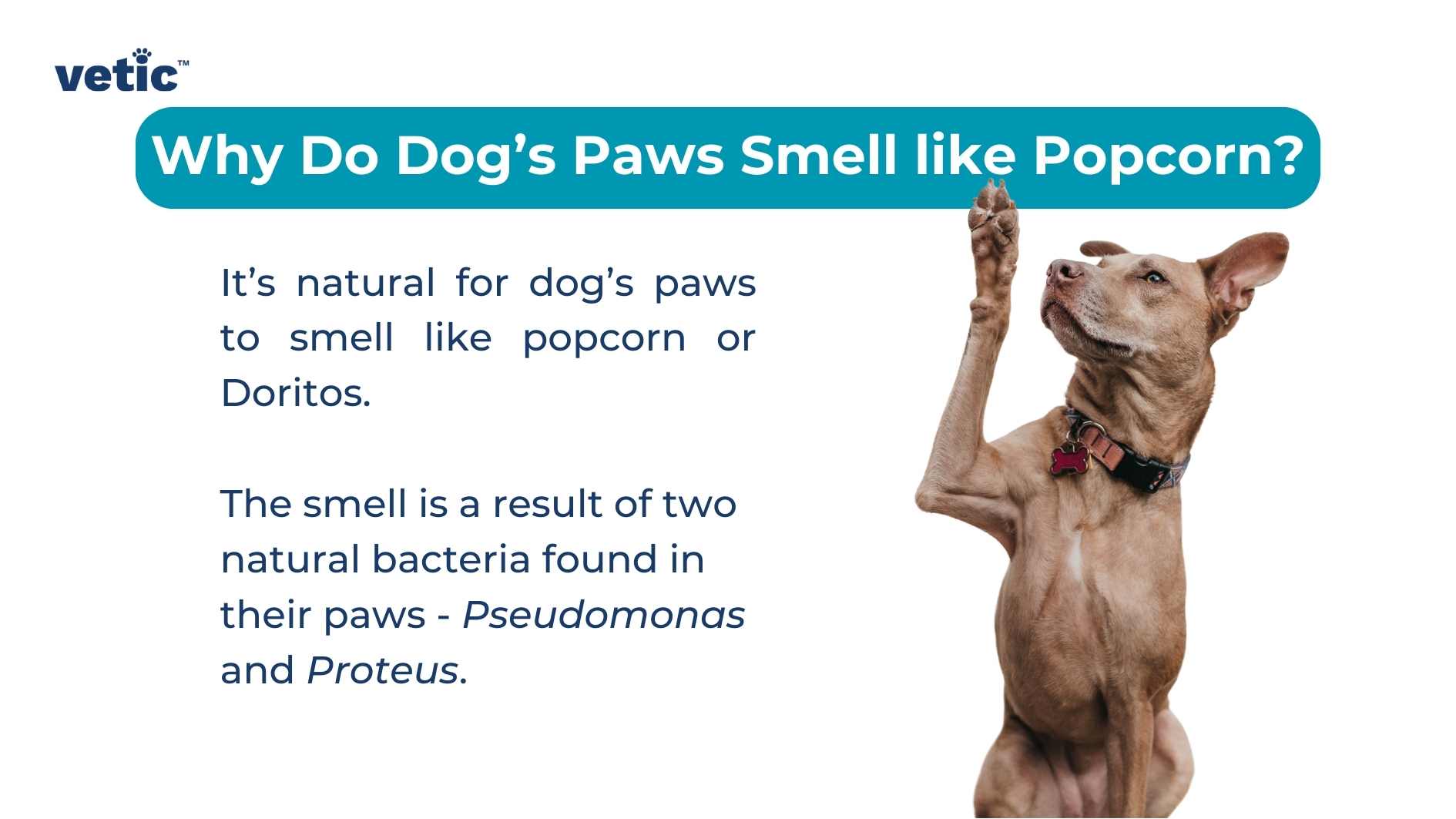
Image Source: vetic.in
Deciphering the Popcorn Scent: A Common Canine Quirk
Many dog owners notice a smell on their pet’s paws, or sometimes other areas, that reminds them of popcorn or corn chips. This smell is so common it has its own nickname: “Frito feet.” It’s not a sign your dog has been secretly raiding the snack cupboard. Instead, it’s usually a normal part of your dog’s natural smell.
This smell usually comes from tiny living things called bacteria and yeast. These tiny bugs live on your dog’s skin, especially in warm, damp places. Think of how our own skin has a unique smell. Dogs are no different. They have their own natural skin “ecosystem.”
For most dogs, this popcorn-like smell is faint and goes away with regular cleaning. It’s often strongest after a walk or a nap, when moisture might have built up. But sometimes, the smell can get too strong. It might also come with other issues. This can be a sign that the tiny bugs are growing too much. When this happens, the smell can become very strong or unpleasant. It might also be a sign of a skin problem.
The Microscopic Makers of the Scent
The popcorn or corn chip smell comes from specific types of tiny living things. These are bacteria and yeast. They live on your dog’s skin all the time. This is normal. But when they grow too much, they can create a noticeable smell.
Bacteria: The Salty Kernel Contributors
Two common types of bacteria often cause the popcorn smell. They are Proteus and Pseudomonas. These bacteria are found all over the world, including on dog skin. They love warm, moist places. Your dog’s paw pads are perfect for them. When these bacteria break down skin cells and oils, they give off a specific smell. This smell can be like popcorn or corn chips. This is often the main reason dog paws smell like corn chips.
- Proteus bacteria: These are common in many places. They can live on your dog’s skin and in their gut. When they grow on the skin, they can make a smell.
- Pseudomonas bacteria: These are also found in soil and water. They can cause problems if they grow too much. On dog paws, they can add to the “Frito feet” smell.
These bacteria are usually not harmful in small amounts. They are part of your dog’s natural skin. But if a dog steps in something dirty, or if their paws stay wet, these bacteria can grow quickly. This leads to a stronger smell.
Yeast: The Bread-Like Scent Givers
Another big player in the popcorn smell is yeast. The most common type is called Malassezia pachydermatis. This yeast is also a normal part of your dog’s skin. It lives there without causing problems most of the time. But like bacteria, it can grow too much.
When Malassezia yeast grows too much, it can cause a yeast infection dog paws. This overgrowth makes a stronger, often sweet or yeasty smell. Some people describe this as smelling like bread, cheese, or even dirty socks. But it can also contribute to the popcorn or corn chip smell. This is why some people ask, “why do my dog’s paws smell yeasty?” It’s due to this yeast.
- Malassezia overgrowth: This yeast loves warm, moist places. This includes between paw pads, in ear canals, and in skin folds. If your dog is often wet or has allergies, this yeast can grow out of control. This can lead to a malassezia dog smell that is quite strong. It is often musky, sweet, or like mold.
Sometimes, both bacteria and yeast work together. This can make the smell even stronger and more complex. It’s like a tiny ecosystem on your dog’s skin.
Common Places for the Popcorn Scent
While the paws are the most famous spot for the popcorn smell, it can appear in other places too. These are usually areas that are warm, dark, and moist.
The Famous “Frito Feet”
Your dog’s paws are the prime spot for the popcorn smell. This is why it’s so often called “Frito feet.” The pads of their paws have many small spaces. They also have sweat glands. These areas trap moisture from walking on wet grass or after a bath. They are also often covered by fur. This creates a perfect breeding ground for bacteria and yeast.
- Why paws?
- Moisture trap: Paws get wet from walking outside, baths, or even just licking. Moisture stays trapped between the pads and toes.
- Warmth: Being close to the ground and covered by fur makes them warm.
- Poor air flow: The spaces between paw pads and toes don’t get much air. This helps tiny bugs grow.
- Contact with dirt: Paws touch many things outside, bringing new bacteria and yeast.
- Sweat glands: Dogs have sweat glands on their paw pads. This moisture adds to the dampness.
The combination of these factors makes the paws a common spot for bacteria and yeast to flourish. This is the main frito feet dog cause.
Ears: A Hidden Source of Smell
Sometimes, the popcorn smell can come from your dog’s ears. This is a common sign of an ear infection. The inside of a dog’s ear is warm, dark, and often moist. This makes it a perfect place for yeast and bacteria to grow. If you notice a dog ear infection popcorn smell, it’s usually a sign of too much yeast.
- Signs of ear problems: Besides the smell, look for:
- Redness inside the ear.
- Swelling.
- Head shaking.
- Scratching at the ears.
- Dark discharge (ear wax).
- Pain when you touch their ears.
If you notice these signs, or a strong popcorn smell from the ears, it’s important to see your vet. Ear infections can be painful and need proper treatment.
Skin Folds and Other Spots
Dogs with floppy ears, wrinkly skin, or many skin folds (like Bulldogs or Pugs) can also get the popcorn smell in these areas. The folds trap moisture and don’t get much air. This creates a good home for bacteria and yeast. You might notice the smell under their chin, in their armpits, or around their tail.
- Common areas for smell:
- Skin folds: Excess skin can hold moisture and dirt.
- Armpits and groin: These areas are warm and can get sweaty.
- Under the tail: Can be damp, especially in dogs with long fur.
Regular cleaning and making sure these areas stay dry are key to preventing strong smells.
Why the Smell Can Get Worse: Underlying Issues
While some popcorn smell is normal, a very strong odor or a new smell can point to a problem. Several things can make the bacteria and yeast grow too much.
Moisture and Humidity
This is one of the biggest reasons for a strong smell. If your dog’s paws or other body parts stay wet for too long, bacteria and yeast will grow faster. This happens after:
* Baths (if not dried well).
* Swimming.
* Walking in wet grass or rain.
* Licking paws often.
Dogs that live in humid climates or who spend a lot of time outside in wet conditions are more prone to a strong smell.
Allergies: A Common Culprit
Allergies are a very common reason for increased yeast and bacterial growth on dogs. When a dog has allergies, their skin can become itchy, red, and inflamed. This irritation changes the skin’s balance. It makes it easier for yeast and bacteria to grow out of control.
- Environmental allergies: Pollen, dust mites, mold.
- Food allergies: Certain proteins in their food.
- Flea allergies: Even one flea bite can cause a strong reaction.
Dogs with allergies often lick or chew their paws excessively. This adds more moisture and can cause tiny cuts in the skin. These cuts are entry points for more bacteria. This cycle makes the smell worse and can lead to a full-blown yeast infection dog paws or bacterial skin infection dogs.
Weak Immune System
A dog with a weak immune system might have a harder time fighting off small amounts of bacteria and yeast. This allows them to grow faster. A weak immune system can be due to:
* Age (very young or very old dogs).
* Other illnesses (like Cushing’s disease or thyroid problems).
* Stress.
* Poor diet.
If the immune system isn’t strong enough, even normal levels of yeast and bacteria can become a problem. This leads to a strong canine yeast overgrowth odor.
Poor Grooming or Hygiene
Not cleaning your dog regularly, especially their paws, can lead to a buildup of dirt, debris, and moisture. This creates an ideal environment for bacteria and yeast to thrive. Long fur between paw pads can also trap moisture and make the problem worse. This highlights the importance of good dog paw hygiene.
When to Seek Veterinary Help
A faint popcorn smell is normal. But if the smell is very strong, comes with other symptoms, or does not go away with home care, it’s time to see your vet.
Signs that it’s more than just “Frito feet”:
- Very strong smell: The smell is overpowering or you notice it from a distance.
- Redness or swelling: The skin on the paws, ears, or in folds looks red, inflamed, or puffy.
- Itching or licking: Your dog is constantly licking, chewing, or scratching at the affected area.
- Hair loss: Patches of fur are missing.
- Discharge: There is pus, dark wax (especially in ears), or other fluid.
- Pain or limping: Your dog seems uncomfortable when you touch their paws or is limping.
- Changes in paw pads: The pads look flaky, crusty, or have sores.
- Persistent smell: The smell does not improve even with regular cleaning.
These signs suggest that the bacteria or yeast have grown too much. It might be a yeast infection dog paws, a bacterial skin infection dogs, or a sign of allergies. Your vet can find the true cause and give the right treatment.
How to Get Rid of the Popcorn Smell at Home
If the smell is mild and your dog shows no other symptoms, you can often manage it at home. The key is good hygiene and keeping your dog dry. Here’s how to get rid of popcorn smell on dog:
Regular Cleaning
1. Paw Cleaning after Walks:
* Routine: Make it a habit to clean your dog’s paws after every walk, especially if it was wet outside.
* Method: Use a damp cloth or pet-friendly wipes. Gently wipe between their paw pads and toes.
* Deep clean: For deeper cleaning, you can use a dog paw cleaner cup or a mild, pet-safe shampoo. Make sure to rinse all soap off.
2. Regular Baths:
* Frequency: Bathe your dog regularly with a good quality, pH-balanced dog shampoo.
* Focus: Pay special attention to their paws, ears (if they are floppy), and any skin folds.
* Medicated shampoo: If your vet suggests it, use a medicated shampoo with antifungal or antibacterial properties.
Drying Thoroughly
This is one of the most important steps. Moisture helps bacteria and yeast grow.
* After baths or swimming: Use a towel to dry your dog’s paws and body completely. Do not forget between their toes and in their armpits.
* Hair dryer: If your dog tolerates it, use a hair dryer on a cool or low heat setting.
* Absorbent towels: Keep a supply of clean, absorbent towels near the door for quick paw drying after outdoor activities.
Paw Soaks
For dogs with persistent paw odor or mild irritation, a paw soak can be very helpful.
* Apple Cider Vinegar (ACV) soak: Mix one part apple cider vinegar with two parts water. Soak your dog’s paws for 5-10 minutes. ACV helps change the skin’s pH, making it less friendly for yeast.
* Epsom salt soak: Mix a quarter cup of Epsom salts in a gallon of warm water. Soak paws for 5-10 minutes. Epsom salts can help soothe irritated skin.
* Important: Always dilute ACV. Never use it straight. Do not let your dog drink the soak water. Rinse paws after soaking.
Grooming and Trimming
- Trim paw hair: Keep the fur between your dog’s paw pads trimmed short. This helps air circulate and prevents moisture from getting trapped. It also makes cleaning easier.
- Regular brushing: For long-haired dogs, regular brushing helps remove dead skin and distributes natural oils. This can improve overall skin health.
Dietary Support
A good diet can boost your dog’s immune system and skin health.
* High-quality food: Feed your dog a balanced diet with good quality ingredients.
* Omega-3 fatty acids: Foods or supplements rich in Omega-3s (like fish oil) can improve skin barrier function and reduce inflammation. This can help prevent skin problems that lead to odor.
* Probiotics: Some vets suggest probiotics. These good bacteria can help balance the gut and may indirectly support skin health.
Environmental Control
- Clean bedding: Wash your dog’s bedding regularly. Dirty bedding can harbor bacteria and yeast.
- Clean living space: Keep your home clean, especially areas where your dog spends a lot of time.
When Professional Help is Needed
If home care is not enough, or if your dog shows signs of discomfort, a vet visit is essential. Your vet can diagnose the problem and offer specific treatments.
Veterinary Diagnosis
Your vet will likely:
* Examine your dog: Look closely at their paws, ears, skin folds, and other affected areas.
* Take samples: They might take a small sample (swab or skin scrape) from the smelly area. This sample is then looked at under a microscope. This helps them find out if it’s yeast (like Malassezia), bacteria, or both.
* Consider allergies: If infections keep coming back, your vet might talk about allergy testing. This helps find out if food or environmental allergies are causing the skin problems.
Medical Treatments
Based on the diagnosis, your vet might prescribe:
* Antifungal medications: If yeast is the main problem. These can be creams, sprays, wipes, medicated shampoos, or oral pills.
* Antibiotics: If a bacterial skin infection dogs is present. These can be topical (on the skin) or oral (pills).
* Allergy medications: If allergies are the root cause. This could be antihistamines, steroids, or newer allergy medications.
* Ear cleaning and medications: For dog ear infection popcorn smell. They will clean the ears and prescribe ear drops.
It’s very important to follow your vet’s instructions exactly. Give all medications as directed, even if your dog seems better. Stopping too early can make the infection come back.
Preventing Future Popcorn Odors: Good Habits for Dog Paw Hygiene
Prevention is key to keeping the popcorn smell at bay. Good dog paw hygiene is vital. Addressing canine yeast overgrowth odor and other issues before they become severe is ideal.
Establish a Paw Care Routine
- Daily checks: Look at your dog’s paws every day. Check for redness, swelling, cuts, or foreign objects.
- After walks: Always wipe down paws after walks, especially in wet or dirty conditions.
- Regular trimming: Keep the hair between paw pads short. This is easy to do with blunt-tipped scissors or electric trimmers. If unsure, ask a professional groomer.
Keep Them Dry
- Thorough drying: Always dry your dog completely after baths, swimming, or getting wet. Use towels and air dry, or a low-heat hairdryer.
- Limit moisture exposure: Try to avoid long periods in very wet conditions. If your dog loves to swim, ensure they are dried thoroughly after each dip.
Manage Allergies and Other Conditions
- Work with your vet: If your dog has allergies, follow your vet’s advice for managing them. This might include special diets, medications, or allergy shots. Well-managed allergies reduce skin inflammation, which helps prevent yeast and bacterial overgrowth.
- Regular vet visits: Regular check-ups help catch underlying health issues early.
Diet and Supplements
- Quality food: A nutritious diet supports a healthy immune system and skin.
- Omega fatty acids: Consider adding Omega-3 fatty acids (like fish oil) to your dog’s diet. They support skin health and can help reduce inflammation, making the skin less prone to infections.
Clean Living Environment
- Wash bedding: Regularly wash your dog’s blankets and beds.
- Clean floors: Keep floors clean, especially where your dog rests.
By being proactive and following these tips, you can help prevent the conditions that lead to strong popcorn odors. Your dog will be happier, and your nose will thank you!
Other Doggy Smells to Note
While popcorn smell is often benign, other odors from your dog can signal a problem.
* Fishy smell: Often from anal glands needing expression.
* Sweet, fruity smell: Can be a sign of diabetes (ketoacidosis).
* Sour or rancid smell: Often from very severe skin infections or dirty coats.
* Urine smell: Could mean incontinence or a urinary tract infection.
* Bad breath: Can point to dental disease, kidney issues, or other internal problems.
Always pay attention to unusual or strong smells from your dog. They are often your dog’s way of telling you something is wrong.
Tables: Quick Guide to Popcorn Smell and Care
Here’s a quick guide to help you manage the popcorn smell.
Table 1: Popcorn Smell – Normal vs. Problem Signs
| Feature | Normal Popcorn Smell | Problem Popcorn Smell (See Vet) |
|---|---|---|
| Smell Strength | Faint, subtle, only noticeable close up | Very strong, overpowering, noticeable from a distance |
| Location | Mostly paws (Frito feet), sometimes ears (mild) | Paws, ears, skin folds, or widespread on body |
| Skin Appearance | Normal, healthy skin, no redness or irritation | Redness, swelling, crusts, sores, hair loss |
| Dog’s Behavior | No itching, licking, or discomfort | Excessive licking, chewing, scratching, head shaking, limping, pain |
| Duration | Occasional, goes away with basic cleaning | Persistent despite home cleaning, keeps returning |
| Other Symptoms | None | Discharge, scabs, pain, general malaise |
Table 2: At-Home Care for Mild Popcorn Smell
| Care Step | How To Do It | Why It Helps |
|---|---|---|
| Paw Wiping | Use damp cloth/pet wipe after each walk. | Removes surface dirt, bacteria, and yeast. |
| Thorough Drying | Towel dry paws completely, use hairdryer on low/cool. | Removes moisture, key for stopping germ growth. |
| Regular Baths | Use pH-balanced dog shampoo, focus on paws/folds. | Cleans skin, removes dirt and excess oils. |
| Paw Trimming | Trim hair between paw pads regularly. | Improves air flow, prevents moisture trap. |
| Paw Soaks (ACV) | 1 part ACV : 2 parts water, soak 5-10 mins, then rinse. | Changes skin pH, discourages yeast growth. |
| Clean Bedding | Wash dog’s beds and blankets often. | Removes bacteria and yeast buildup from resting spots. |
Frequently Asked Questions (FAQ)
Q1: Is “Frito feet” always a sign of a problem?
No, “Frito feet” is often normal. A mild popcorn or corn chip smell on your dog’s paws is common and usually comes from harmless bacteria and yeast. It only becomes a concern if the smell is very strong, new, or comes with other signs like redness, itching, or limping.
Q2: Can I use human shampoo to wash my dog’s paws?
It’s best to use a shampoo made for dogs. Human shampoos have a different pH level than dog skin. Using them can dry out your dog’s skin or cause irritation, making them more prone to infections. Stick to pet-safe products.
Q3: How often should I clean my dog’s paws?
You should wipe your dog’s paws after every walk, especially if they walked on wet ground or in dirty areas. A more thorough cleaning, like a paw soak or bath, can be done weekly or as needed, depending on your dog’s activity level and smell.
Q4: My dog keeps licking their paws. Is this related to the smell?
Yes, excessive paw licking often goes hand-in-hand with a strong popcorn smell. Licking adds moisture, which helps yeast and bacteria grow. It can also be a sign of allergies, pain, or an infection that’s causing discomfort. If your dog licks a lot, see your vet.
Q5: What if my dog’s ears smell like popcorn?
A popcorn smell from the ears, especially if strong, often means a yeast ear infection. You might also see redness, swelling, or your dog shaking their head a lot. It’s important to see your vet right away for diagnosis and treatment. Ear infections can be painful and get worse quickly without care.
Q6: Can food allergies cause the popcorn smell?
Yes, food allergies are a common cause of skin problems, including yeast and bacterial overgrowth, which lead to a strong popcorn smell. When a dog has allergies, their skin can become itchy and inflamed, making it easier for these tiny bugs to grow too much. Your vet can help figure out if allergies are the cause.