
Prevent Pica: How To Stop A Dog From Eating Mulch
Pica in dogs is when a dog eats things that are not food. This can include dirt, rocks, and even mulch. If your dog is eating mulch, it is important to stop them. Mulch can cause many health problems for your dog. It can be hard to digest. It might even be toxic. We will show you how to stop your dog from eating mulch.
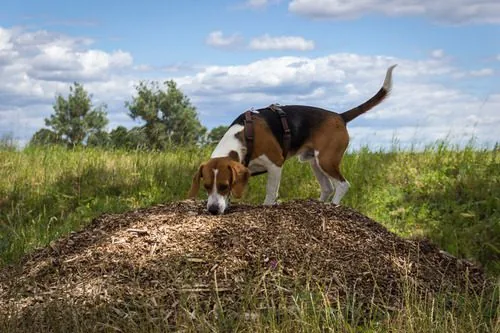
Image Source: brownvethospital.com
Why Dogs Eat Mulch: Deciphering the Behavior
Dogs eat mulch for many reasons. Some reasons are simple. Others are more complex. Knowing why your dog eats mulch is the first step. This helps you find the best solution.
Behavioral Reasons
Many dogs eat mulch due to their normal behaviors. Or they might do it out of boredom.
- Puppy Curiosity: Young dogs explore with their mouths. They chew everything. Mulch is new and interesting to them. It has a fun texture. They might just be tasting it. This is a common phase for puppies.
- Boredom or Lack of Fun: Dogs need to play. They need to run. If a dog is bored, it looks for things to do. Eating mulch can become a game. It can be a way to pass the time. A bored dog might chew on anything.
- Stress or Worry: Dogs get stressed too. Changes at home can cause stress. New people, a new routine, or loud noises might worry them. Eating mulch can be a way for them to cope. It can calm them down. It gives them something to focus on.
- Seeking Attention: Dogs learn quickly. If they eat mulch and you rush over, they learn. They learn that eating mulch gets your attention. Even negative attention is still attention. They might do it just to get you to look at them.
- Habit or Compulsion: Sometimes, eating mulch becomes a habit. It is like an addiction. They just keep doing it. This can be a sign of a deeper issue. It might need special help.
Nutritional Needs or Health Problems
Sometimes, eating non-food items means something is wrong. This is where Pica in dogs comes in.
- Pica as a Symptom: As we said, Pica is eating non-food items. It can be a sign of poor diet. It can also mean a dog has a health problem.
- Missing Nutrients: Your dog might be missing vitamins. Or they might need more minerals. They might try to get these from mulch. This is rare with good dog food. But it can happen.
- Health Issues: Some health problems make dogs eat mulch. These include stomach upset. Or worms. Or problems with their teeth. A trip to the vet is key here. They can check for these issues.
The Dangers: Toxic Mulch Types for Dogs and Health Risks
Mulch might look harmless. But it can be very dangerous for your dog. Some types of mulch are poison. All mulch can cause problems if eaten.
Toxic Mulch Types for Dogs
Some mulch is very bad for dogs. You must avoid these.
- Cocoa Bean Mulch: This mulch smells like chocolate. Dogs love chocolate. But chocolate is bad for dogs. Cocoa bean mulch has the same toxic stuff. It can cause fast heart rate. It can cause seizures. It can even kill your dog.
- Dyed Mulch: This mulch comes in colors. Red, black, or brown. The dye itself might not be the problem. But the wood used can be bad. It might be old, treated wood. It could have chemicals. These chemicals are toxic. They can make your dog very sick.
- Wood Chip Mulch from Treated Wood: Some wood is treated. This makes it last longer. But it has chemicals. These chemicals are poison. Do not use this type near your dog.
Common Mulch Types and Their Safety for Dogs
This table shows common mulch types. It tells you if they are safe or not.
| Mulch Type | Description | Dog Safety Level | Notes for Dog Owners |
|---|---|---|---|
| Cocoa Bean Mulch | Smells like chocolate. Dark brown. | DANGEROUS | Contains theobromine. Highly toxic. Avoid at all costs. |
| Dyed Mulch | Wood chips dyed red, black, or brown. | RISKY | Dyes can be toxic. Wood source unknown. Not recommended. |
| Cypress Mulch | Light brown, aromatic. | Moderate Risk | Can be treated with chemicals. Can splinter. Check source. |
| Cedar Mulch | Reddish-brown, strong scent. | Moderate Risk | Can be aromatic. Can cause irritation. Can splinter. |
| Pine Bark Mulch | Chunks or shredded pine bark. | SAFER | Generally safe. Less likely to splinter. Still a choking risk if eaten. |
| Pine Needle Mulch | Long, thin pine needles. | SAFER | Generally safe. Less appealing to eat. Can be messy. |
| Rubber Mulch | Made from recycled tires. | DANGEROUS | Leaches chemicals. Choking hazard. Avoid. |
| Gravel/River Rock | Small stones, various colors. | SAFER | Not food. Some dogs may still try to eat it (choking risk). |
| Straw/Hay | Dried grass stalks. | Generally Safe | Can be messy. Can attract bugs. Not ideal for pathways. |
| Shredded Hardwood | Mixed hardwoods, natural color. | Moderate Risk | Can contain unknown wood types. May splinter. |
Symptoms of Mulch Ingestion Dogs
Even safe mulch can cause problems. If your dog eats mulch, watch for these signs.
- Upset Stomach: Throwing up (vomiting). Loose stools (diarrhea).
- Loss of Appetite: Your dog might not want to eat.
- Pain: They might whine. Or they might look uncomfortable. They might touch their belly.
- Choking: Small pieces can get stuck. They might gag or cough a lot. They might have trouble breathing.
- Blockage: Large pieces can get stuck inside. This is very serious. They might strain to poop. Or they might not poop at all. Their belly might swell. They might seem very tired.
- Lethargy: Your dog might be very sleepy. They might not want to move.
- Behavior Changes: They might hide. Or they might be restless.
- Bleeding: If pieces are sharp, they can cut the gut. You might see blood in their poop or vomit.
- Poison Signs: If they eat toxic mulch, signs are worse. Fast heart rate. Shaking. Seizures. Collapse.
If you see any of these signs, call your vet right away. This is very important.
Stopping Mulch Eating: A Multi-Step Approach
Stopping your dog from eating mulch takes time. It needs patience. You must use several methods together. This works best.
Step 1: Vet Check-Up
First, take your dog to the vet. This is very important.
- Rule Out Health Problems: The vet will check your dog. They will look for any health issues. This includes missing nutrients. Or worms. Or problems with their teeth or stomach. They can also check for Pica causes.
- Diet Review: Your vet can check your dog’s food. Is it good quality? Does it give all the nutrients your dog needs? Sometimes, a simple food change helps.
- Discuss Behavior: Talk to your vet about the mulch eating. They might suggest a trainer. Or a behaviorist.
Step 2: Environmental Control
The easiest way to stop mulch eating is to remove the mulch. Or make it impossible to reach. This is called outdoor dog training solutions.
- Remove Mulch: This is the best fix. No mulch, no eating it. Can you replace it?
- Physical Barriers:
- Fencing: Put up a fence around your garden beds. Make it tall enough. Make it strong enough. Your dog cannot get to the mulch.
- Netting: You can lay a fine mesh or netting over the mulch. Dogs cannot dig through it easily. It makes the mulch less fun.
- Raised Beds: Plant in raised garden beds. This keeps plants and mulch higher up. Your dog might not be able to reach them.
- Alternative Ground Cover: Think about what your garden uses.
- Gravel or River Rock: These stones are not appealing to eat. They are too hard. They can still be a choking risk if a dog tries to eat them. But most dogs ignore them.
- Paving Stones or Bricks: Use these for pathways. Or for dog-free zones.
- Safe Ground Cover Plants: Some plants spread out. They cover the ground. This means less mulch. Choose plants that are safe for dogs.
- Grass: Expand your lawn. Dogs usually do not eat grass, or only a little.
- Supervision: Always watch your dog when outside. This is a simple outdoor dog training solution. When you see them go near the mulch, stop them. Call them away. Praise them for coming. This is the first line of defense.
- Leash Time: If you cannot watch them all the time, use a leash. Keep them on a leash when outside. This stops them from getting to the mulch.
Step 3: Deterrents and Aversions
Deterrents make mulch taste bad or feel strange. This helps prevent dog chewing garden areas.
- Mulch Deterrent Spray: These sprays make mulch taste bad. Dogs hate the taste. But they are safe for dogs.
- Commercial Sprays: Many pet stores sell “bitter apple” or “no chew” sprays. Read labels carefully. Make sure they are safe for gardens and dogs. Spray on the mulch. Re-spray often. Especially after rain.
- DIY Sprays: You can make your own.
- Citrus Spray: Dogs do not like citrus smells. Mix lemon juice or orange oil with water. Spray it on the mulch.
- Vinegar Spray: White vinegar has a strong smell. Mix equal parts vinegar and water. Spray on the mulch.
- Cayenne Pepper: Sprinkle a little cayenne pepper on the mulch. The spicy taste deters dogs. Be careful. Do not use too much. It can irritate their nose if they sniff it directly. Wash hands after use.
- Unpleasant Textures:
- Pine Cones: Spread pine cones over the mulch. They are pointy. They are not nice to walk on or chew.
- Plastic Mesh: Lay plastic chicken wire over the mulch. Dogs do not like the feel of it.
- Strong Smells:
- Coffee Grounds: Spread used coffee grounds on the mulch. Dogs do not like the smell. Plus, coffee grounds add good stuff to the soil.
- Essential Oils (Use with Caution): Some oils like peppermint or eucalyptus are strong. Dogs dislike them. Use very little. Mix with water. Spray. Some oils can be toxic if too much is used or licked directly. Talk to your vet first.
Step 4: Behavior Modification for Dogs
This is about changing your dog’s habits. It teaches them what to do instead. This is key for stopping dog eating wood chips.
- Positive Reinforcement: Reward good behavior. When your dog ignores the mulch, praise them. Give them a treat. This teaches them that not eating mulch is good.
- Catch Them Being Good: If your dog walks past the mulch without touching it, praise them. Give them a treat.
- Reward “Leave It”: Practice the “Leave It” command often.
- “Leave It” Command: This command tells your dog not to touch something.
- Indoors First: Start inside. Hold a treat in your hand. Say “Leave It.” When your dog looks away, open your hand and give them the treat.
- Gradual Practice: Do this with less appealing things. Then with mulch. Walk by the mulch. If your dog looks at it, say “Leave It.” When they look away, praise and treat them.
- Outdoors: Practice this command in your yard. When your dog goes near the mulch, say “Leave It.” Reward them when they move away.
- “Drop It” Command: This command tells your dog to let go of something they have.
- Practice with Toys: Start inside. Play with a toy. Say “Drop It.” Offer a better treat. When they drop the toy for the treat, praise them.
- Apply to Mulch: If your dog picks up mulch, say “Drop It.” Offer a high-value treat. When they drop the mulch, give them the treat.
- Redirect Dog Chewing Habits: Give your dog something better to chew. This is crucial. When you see them go for mulch, give them a toy instead.
- Offer a Better Choice: As soon as you see your dog interested in mulch, call them. When they come, give them a safe chew toy. Or play a game. Make the toy much more fun than mulch.
- Consistency: Do this every time. They will learn that toys are better.
- Distraction and Play: Engage your dog. Play fetch. Tug-of-war. Hide-and-seek. A tired dog is a good dog. They are less likely to seek out trouble.
Step 5: Provide Safe Alternatives for Dogs to Chew
Dogs need to chew. It is natural. Give them things they can chew. This is vital for redirecting dog chewing habits.
- Chew Toys:
- Durable Rubber Toys: Toys like Kongs are great. They can be filled with treats. They keep dogs busy.
- Nylon Chews: These last a long time. They come in many shapes.
- Rope Toys: Good for tugging and light chewing. Watch for unraveling.
- Puzzle Toys: These toys make dogs think. They hold treats. Dogs work to get the treat out. This uses their mind. It tires them out.
- Edible Chews:
- Dental Chews: Good for teeth. Safe to eat.
- Bully Sticks: Popular. Last a while. Always supervise your dog with any edible chew.
- Yak Chews: Hard cheese chews. Long-lasting.
- Safe Bones and Antlers:
- Raw Bones: Some raw bones are safe. Talk to your vet first. Never give cooked bones. They splinter.
- Antlers: Deer antlers are hard. They last a long time. They do not splinter easily. But they can be too hard for some dogs. Watch for tooth damage.
- Chew Variety: Offer many types of chews. Rotate them. This keeps things new and exciting. Your dog will be less likely to seek out mulch.
Long-Term Strategies and Consistency
Stopping mulch eating is not a quick fix. It takes time and effort. You need to be consistent.
- Regular Exercise: A tired dog is a happy dog. Give your dog plenty of walks. Play time. Running in the yard. This burns off energy. It reduces boredom.
- Mental Stimulation: Dogs need to use their brains.
- Training Sessions: Short, fun training sessions every day. Teach new tricks. Practice old ones.
- Puzzle Toys: Use these daily.
- Nose Work Games: Hide treats. Let your dog sniff them out.
- Consistent Training: Everyone in the house must follow the same rules. Use the same commands. Give rewards in the same way. This helps your dog learn faster.
- Supervision, Always: Never leave your dog alone in the yard with mulch. Not until you are sure they have stopped. This might mean watching them for months. Or even years.
- Patience: Your dog might slip up. They might eat mulch again. Do not get mad. Just redirect them. Go back to basics. Keep working at it.
When to Seek Professional Help
Sometimes, you need extra help. This is okay.
- Certified Dog Trainer: If you are having trouble with training. A good trainer can help. They can teach you how to use commands. They can help with behavior modification for dogs. They offer outdoor dog training solutions.
- Veterinary Behaviorist: If the problem is severe. If your dog is eating a lot of mulch. Or if they show signs of anxiety. A vet behaviorist is a specialist. They know a lot about dog behavior. They can find the root cause of Pica in dogs. They can give you a plan. They might even suggest medicine if needed.
Getting help from a pro can make a big difference. It can save you time and stress. Most importantly, it keeps your dog safe and healthy.
Frequently Asked Questions (FAQ)
Q: Is eating wood chips bad for dogs?
A: Yes, eating wood chips is bad for dogs. They can cause stomach upset. They can cause blockages. They can cause choking. Some wood chips, like cocoa bean mulch or treated wood, are toxic. Always try to stop your dog from eating wood chips.
Q: Can mulch cause stomach upset in dogs?
A: Yes, mulch can cause stomach upset in dogs. Even if it is not toxic, mulch is not food. It is hard to digest. This can lead to throwing up (vomiting) or loose stools (diarrhea). Watch for these symptoms of mulch ingestion dogs.
Q: What can I spray on mulch to stop my dog from eating it?
A: You can use a mulch deterrent spray. Many pet stores sell bitter apple sprays. You can also make your own. Mix lemon juice and water. Or mix vinegar and water. Spray these on the mulch. This makes it taste bad to dogs.
Q: How do I stop my puppy from eating everything outside?
A: Puppies explore with their mouths. This is normal. To stop them from eating everything:
1. Always watch your puppy outside.
2. Teach “Leave It” and “Drop It” commands.
3. Offer many safe chew toys.
4. Remove tempting items from their reach.
5. Distract them with play.
6. Consider fencing off garden areas.
Q: What are safe garden alternatives to mulch for dogs?
A: Good alternatives to mulch include:
* Gravel or river rock (but watch for eating).
* Paving stones or bricks.
* Safe ground cover plants (check if dog-friendly).
* Expanding grass areas.
These options prevent dog chewing garden dangers.