
Responsible Steps: Can You Drop A Dog Off At The Pound?
Yes, you can often drop a dog off at a pound or animal shelter. This act is called owner surrender dog process. Many people face tough choices in life. Sometimes, giving up a beloved dog becomes a sad but necessary step. Animal shelters and humane societies are there to help when you can no longer care for your pet. They try to find new homes for unwanted dog placement. This guide will help you learn how to do this in the most helpful way for your dog.
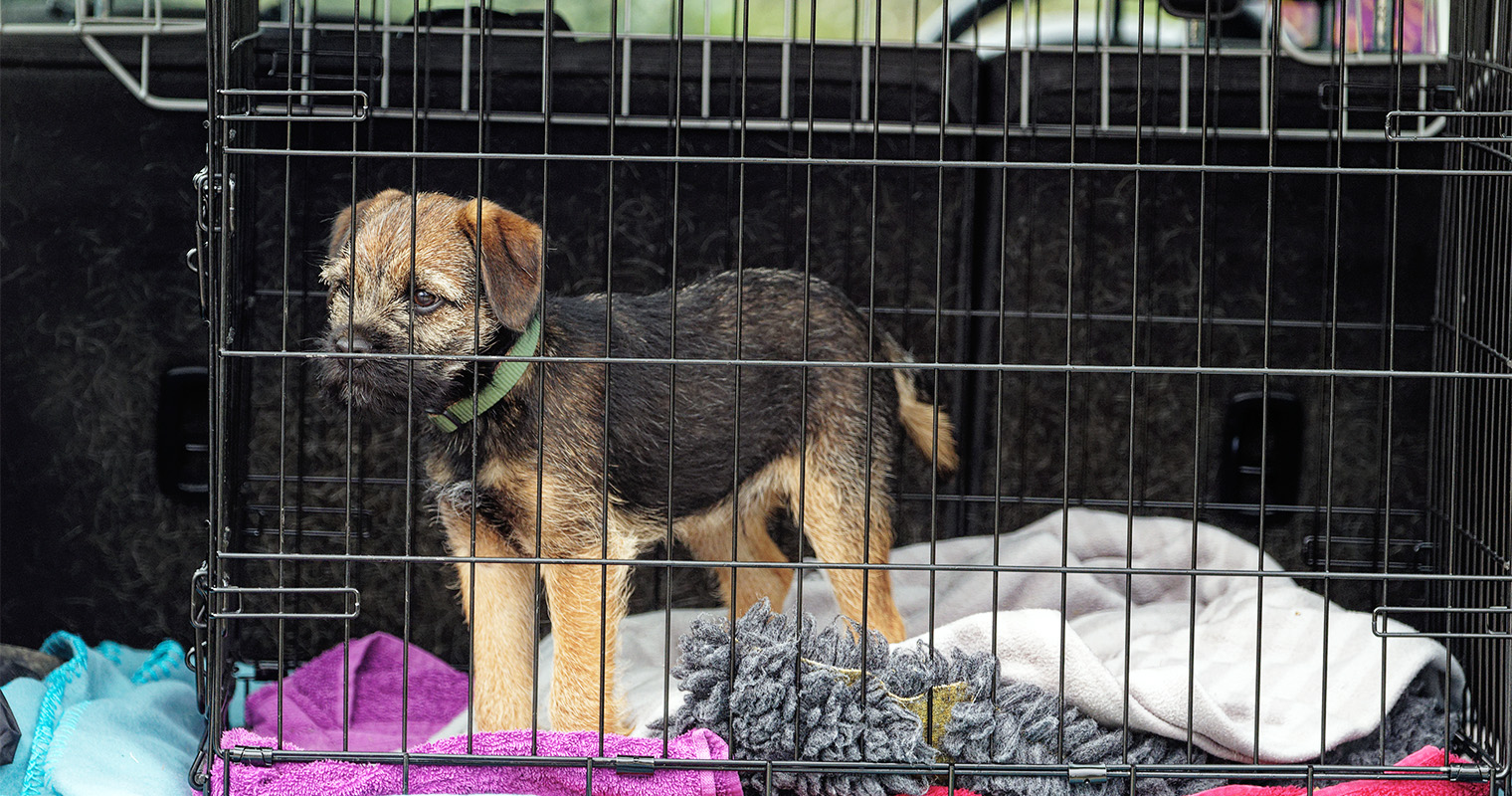
Image Source: images.ctfassets.net
Navigating the Choice to Give Up Your Dog
Giving up a dog is never easy. It is a big decision for any pet owner. People who love their pets deeply often feel guilty. They also feel sad. But life can throw curveballs. Sometimes, giving up a dog is the most caring thing you can do for them. It means giving them a chance at a better life.
Why People Consider Giving Up a Dog
Many things can lead someone to think about giving up their dog. These reasons are often beyond the owner’s control. It is important to know that you are not alone. Shelters see many reasons for animal shelter dog surrender.
- Life Changes: Moving to a place where pets are not allowed is common. A new baby can also change family life. A new job or job loss can affect your time or money.
- Behavior Issues: A dog might bark too much. It might chew things. Some dogs have fear or aggression problems. These can be hard to handle.
- Financial Hardship: Dogs need food, toys, and vet visits. These costs add up fast. A sudden bill can make it impossible to keep your dog.
- Allergies: A family member might develop severe allergies. This can make living with a dog unsafe for their health.
- Lack of Time or Space: A dog needs much time and space. Some people realize they cannot provide enough. They might live in a small home or work long hours.
The Immediate Answer: Can I Drop Off My Dog?
Yes, most shelters and pounds accept dogs from owners. This is the owner surrender dog process. However, it is not a simple drop-off. You cannot just leave your dog at the front door. Shelters need to prepare for new animals. They need to know about the dog. This helps them find the best new home. Always call the shelter first. They will tell you their rules. This makes the process smoother for everyone. Most importantly, it helps your dog.
The Owner Surrender Dog Process at Shelters
The process of animal shelter dog surrender is often structured. It helps the shelter collect needed information. It also ensures they have space.
Initial Contact and Screening
When you decide to give up your dog, your first step is to call your local animal shelter dog surrender office. This might be a city pound. It might be a humane society pet intake center. They will ask you many questions.
- Dog’s History: Where did you get the dog? How old is it?
- Health Information: Is the dog spayed or neutered? Is it up-to-date on shots? Does it have any health problems?
- Behavior Details: Does the dog get along with other pets? How is it with children? Does it have any fears or bad habits?
This information is very important. It helps the shelter know how to care for your dog. It helps them know what kind of new home your dog will need.
Appointments and Waiting Lists
Shelters often have limited space. They cannot take every dog at once. This is especially true for shelters with no-kill shelter policies. These shelters do not euthanize animals for space. They often have long waiting lists. You might need to wait days or weeks for an owner surrender dog process appointment. This time can be used to explore rehoming options for dogs that do not involve the shelter.
Shelter Surrender Fees
Many shelters charge shelter surrender fees. These fees help the shelter cover costs. Shelters pay for food, medical care, and staff. They also pay for things like heating and cleaning. These costs add up. The fee helps them care for your dog.
Fees can change a lot. They depend on the shelter and your location. Some shelters might charge more for unspayed or unneutered dogs. This is because these dogs need more care. Some shelters might waive fees in special cases. Always ask about the fees when you call.
Here is a general idea of how shelter surrender fees might look:
| Dog’s Status | Typical Fee Range | Notes |
|---|---|---|
| Spayed/Neutered | $25 – $75 | Lower fee, as less medical care is needed. |
| Not Spayed/Neutered | $50 – $150+ | Higher fee, covers cost of surgery. |
| With Medical Needs | $0 – $100+ | Varies; some might waive, some might charge. |
| Senior Dog | $0 – $50 | Often lower or waived to help seniors. |
| Multiple Dogs | $50 – $200+ | Per animal, or a slightly lower total. |
What Happens at the Shelter
When you bring your dog to the shelter for owner surrender dog process, you will fill out paperwork. This paperwork transfers ownership of the dog to the shelter. This means the shelter is now legally responsible for your dog.
Staff will then check your dog. They will look at its health. They will watch its behavior. This helps them know if the dog needs vet care. It also helps them see how the dog acts around people. This info helps them find the right match for giving up a dog for adoption. Your dog will then go to a kennel. It will get food, water, and a safe place to stay. The shelter will work to find it a new home.
What to Do Before Surrendering Your Dog
Taking steps before you surrender your dog can help it greatly. It makes the transition easier. It also boosts its chances of finding a new home.
Gather Important Documents
- Vet Records: Get copies of all vet visits. This includes vaccination records. It also includes any health problems or treatments. This tells the shelter about your dog’s past care.
- Microchip Info: If your dog has a microchip, bring the papers. The shelter can update the chip with their details.
- Behavior Notes: Write down anything special about your dog. Does it love toys? Does it get scared by loud noises? Does it know tricks? This helps the shelter staff understand your dog better. It also helps them describe it to new families.
Prepare Your Dog
- Grooming: Give your dog a bath. Brush its fur. Trim its nails. A clean, well-groomed dog looks its best. This can help it get noticed by new families.
- Comfort Items: Ask the shelter if you can bring a blanket or a favorite toy. A familiar smell can help your dog feel safer in a new place. Not all shelters allow this, so ask first.
Be Honest and Provide Full Information
Be honest about your dog’s behavior. Tell them if it has bitten someone. Tell them if it does not like other dogs. Hiding problems does not help your dog. It can put a new family at risk. The more the shelter knows, the better they can place your dog. They want to find a home where your dog will be happy and safe. This honesty is key for unwanted dog placement.
Examining Shelter Types and Their Policies
Not all shelters are the same. Their rules and ways of working can be very different. Knowing these differences can help you choose the best place for your dog. It can also help you understand what might happen to your dog.
Open-Admission Shelters (Pounds)
These shelters are often city-run. They are sometimes called “pounds.” They must take in every animal that comes to their door. This includes stray dog drop off and owner surrender dog process. Because they take all animals, they can get full very fast.
When space runs out, these shelters face hard choices. They may have to make space by euthanasia animal shelter for some animals. This is a sad reality. It is a last resort. It is done because there are too many animals and not enough homes. Even so, these shelters work hard to find homes for giving up a dog for adoption.
No-Kill Shelters
No-kill shelter policies mean a shelter saves at least 90% of its animals. They only euthanize animals if they are very sick and suffering. Or if they are too dangerous to be around people. These shelters do not euthanize for space.
Because of this policy, they often have long waiting lists for owner surrender dog process. They cannot take a dog until space opens up. This might be in a foster home or at the shelter. They rely heavily on foster families. These families care for dogs in their homes. This helps dogs avoid crowded kennels. It also gives the shelter more time to find a permanent home.
Private Rescues
Private rescues are run by groups of people who love animals. They are often volunteers. They might focus on one breed, like Golden Retrievers. Or they might save certain types of dogs, like senior dogs. They often do not have a physical building. Instead, they use foster homes.
These rescues often have very strict intake processes. They want to make sure they can meet the dog’s needs. They are a good option for unwanted dog placement if your dog has special needs. Or if it is a specific breed. You will need to contact them directly to see if they can help.
Exploring Rehoming Options for Dogs Beyond the Shelter
Giving up your dog directly to a shelter is one choice. But it is not the only one. There are many rehoming options for dogs that can be less stressful for your pet. They can also ensure your dog goes right into a new loving home.
Private Rehoming
Finding a new home yourself can be a great choice. It lets you pick the new family. You can make sure they are a good match.
- Friends, Family, Co-workers: Start by asking people you know. Someone in your circle might be looking for a dog. They might know someone who is. This is often the best choice. Your dog might even visit you sometimes.
- Online Platforms: Websites like Petfinder and Adoptapet have rehoming sections. You can create a profile for your dog. You can list its traits, photos, and history. People looking for a dog can see your post. You can talk to them directly. This lets you screen potential new owners.
- Social Media Groups: Many local groups on Facebook focus on pet adoption. You can post about your dog there. Be careful and screen people well. Always meet in a public place. Do not give out your home address.
- Screening Potential Adopters: Always meet potential adopters first. Ask them many questions. How much time do they have? Do they have a yard? Do they have other pets? Ask for references, like from their vet. Make sure your dog goes to a safe and happy home.
Rescue Organizations
If your dog is a specific breed, look for a breed-specific rescue. For example, if you have a Beagle, search for “Beagle rescue near me.” These groups know a lot about that breed. They can find the best home for your dog. There are also rescues for senior dogs or dogs with disabilities. They specialize in finding homes for these special pets.
Temporary Foster Care
Sometimes, you just need a little more time. You might be moving soon. Or you might be dealing with a crisis. Some shelters or rescues offer temporary foster programs. A foster family cares for your dog for a short time. This gives you more time to find a permanent home. Or it gives the shelter space until they can take your dog. Ask about this if you are in a short-term bind.
Distinguishing Owner Surrender from Stray Dog Drop Off
It is important to know the difference between owner surrender dog process and a stray dog drop off. The rules and what happens to the dog are different. Do not pretend your dog is a stray. This can hurt your dog’s chances.
Owner Surrender
- You are the owner. You have cared for the dog. You know its history.
- Formal Process: You fill out papers. You usually have an appointment. You share all you know about your dog.
- Why it Matters: The shelter knows the dog’s background. This helps them with medical care. It also helps them with behavior plans. It helps them find the best new home.
Stray Dog Drop Off
- You found the dog. You do not own it.
- Legal Responsibility: When you find a
stray dog drop off, you must report it. Shelters have a “stray hold” period. This is a set number of days. They hold the dog to give its owner time to find it. This is usually 3-10 days. - No History: The shelter knows nothing about a stray. They do not know its health or behavior history. This makes it harder for them to care for it. It also makes it harder to place.
- The Big Mistake: Some people try to drop off their own dog as a stray. They do this to avoid
shelter surrender feesor waiting lists. This is a very bad idea.- No Known History: The shelter will have no background on the dog. This can make it seem like a difficult dog. It makes it harder to find a home.
- Shorter Holding Period: Strays are often held for a short time. After that, they might be put up for adoption. Or they might be euthanized if the shelter is full. An owner-surrendered dog might get more time.
- Legal Issues: In some places, it can be illegal to abandon an animal. Giving false information can also lead to problems.
Always be honest with the shelter. It is the best thing you can do for your dog.
The Impact of Surrender on a Dog
Giving up a dog can be very hard on the animal. Dogs form strong bonds with their families. Being left at a shelter is a big change for them.
Emotional and Behavioral Changes
When a dog enters a shelter, it often feels stress. It can feel fear. It can feel confusion. Everything is new and loud. It smells different. This can lead to changes in their behavior.
- Stress Behaviors: Some dogs become very quiet. They might hide in their kennels. Others might bark a lot. They might chew on things. They might even stop eating.
- Lost House Training: Some dogs who were house-trained might start having accidents. This is due to stress.
- Aggression: Some dogs might become fearful or aggressive. This is a defense against the new environment. It is not because they are “bad” dogs.
- Impacts Adoptability: These changes can make it harder for a dog to get adopted. A stressed dog might not show its true, loving self.
Shelter staff work hard to ease this stress. They give comfort. They try to learn the dog’s true personality. This helps them find the right home.
The Risk of Euthanasia
The sad truth is that euthanasia animal shelter is a reality for many dogs. This is especially true in open-admission shelters. When shelters get too full, they cannot take any more animals. If no homes are found, some dogs might be euthanized. This is a very painful decision for shelters. It is a last resort.
- Factors: Overpopulation is the main reason. There are simply more dogs than available homes.
- Health and Behavior: Dogs with serious health issues might be euthanized. Dogs with severe, untreatable behavior problems might also be. This is to prevent suffering for the dog. It is also to keep the public safe.
- No-Kill Shelter Policies:
No-kill shelter policiesaim to avoid this. They work very hard to find homes for all healthy, treatable animals. This is why they have waiting lists. They need space and resources for each animal.
It is vital to know that shelters do not want to euthanize animals. They are trying to save lives. They want every dog to find a loving home. But the sad fact is that space and resources are often limited.
Preventing the Need for Surrender
Many surrender situations can be avoided. With some planning and help, you might be able to keep your dog.
Early Training and Socialization
Good training from a young age can prevent many behavior problems. Socializing your puppy helps it get used to people, other animals, and different places. This makes them well-behaved adults. Well-behaved dogs are easier to live with.
Seeking Professional Help for Behavior Issues
If your dog starts to have behavior problems, get help fast. A dog trainer or behaviorist can offer advice. They can help you understand why your dog acts a certain way. They can give you tools to change the behavior. Early help can save your dog’s place in your home.
Financial Planning for Pet Care
Pets cost money. Plan for these costs. Set aside money for food, toys, and vet visits. Think about pet insurance. This can help with big vet bills. Many online tools can help you estimate pet costs.
Local Resources and Support Programs
Many places offer help to pet owners.
- Pet Food Banks: If you cannot afford food, look for a pet food bank. They give out free pet food.
- Low-Cost Vet Clinics: Some vets offer lower prices for basic care. Look for these in your area. They can help with shots and check-ups.
- Temporary Fostering Programs: Some groups might offer short-term foster care. This can help if you face a crisis. This buys you time to get back on your feet.
- Spay/Neuter Programs: Many groups offer free or low-cost spay/neuter services. This helps control pet overpopulation. It also improves your dog’s health.
Look for these resources in your community. They can help you keep your dog even when times are tough. This can prevent the need for unwanted dog placement.
In closing, if you must consider giving up a dog for adoption, remember to be responsible. Your dog depends on you for a safe future. Research your rehoming options for dogs thoroughly. Work with shelters and rescues honestly. Give them all the information they need. This gives your dog the best chance at a happy new life.
Frequently Asked Questions (FAQ)
Q1: Can I just leave my dog at the shelter door without calling?
No, you should never do this. It is highly discouraged and can be dangerous for your dog. It can also be illegal abandonment. Always call ahead. Shelters need to prepare. They need to know about your dog’s history. This helps them care for your dog properly.
Q2: How long do shelters keep dogs before finding them a new home?
This varies a lot. In open-admission shelters, stray dog drop off dogs have a “stray hold” period (3-10 days). After that, they can be put up for adoption. For owner surrender dog process animals, some shelters might hold them indefinitely if space allows. No-kill shelter policies mean dogs stay until adopted or if very sick/dangerous. But even they have limits.
Q3: Will my dog definitely get adopted if I surrender it?
There is no guarantee. Shelters work hard to find homes for all animals. But space, resources, and the dog’s behavior or health can affect its chances. Providing good information about your dog helps. Being honest about behavior problems helps the shelter find the right home. It gives your dog the best chance for giving up a dog for adoption.
Q4: Are there ways to avoid shelter surrender fees?
Sometimes. Some shelters might waive fees if you have a great need. Or if the dog is spayed/neutered. You might also find private rescues that do not charge fees. They might ask for a donation instead. Private rehoming also avoids fees. Always ask the shelter about their fee policy.
Q5: What is unwanted dog placement?
Unwanted dog placement means finding a new home for a dog that its current owner can no longer keep. This can happen through owner surrender dog process at a shelter. It can also happen through private rehoming options for dogs. The goal is to find a safe and loving new home for the dog.