
Common Reasons Why Is My Dog Struggling To Walk Now
If your dog is struggling to walk now, it can be a scary sight. Many things can cause dog mobility issues. These range from simple muscle strains to serious health problems. Your dog might be getting older, or they might have an injury. Sometimes, it is a new illness. It is always best to see your vet quickly. They can find out what is wrong.
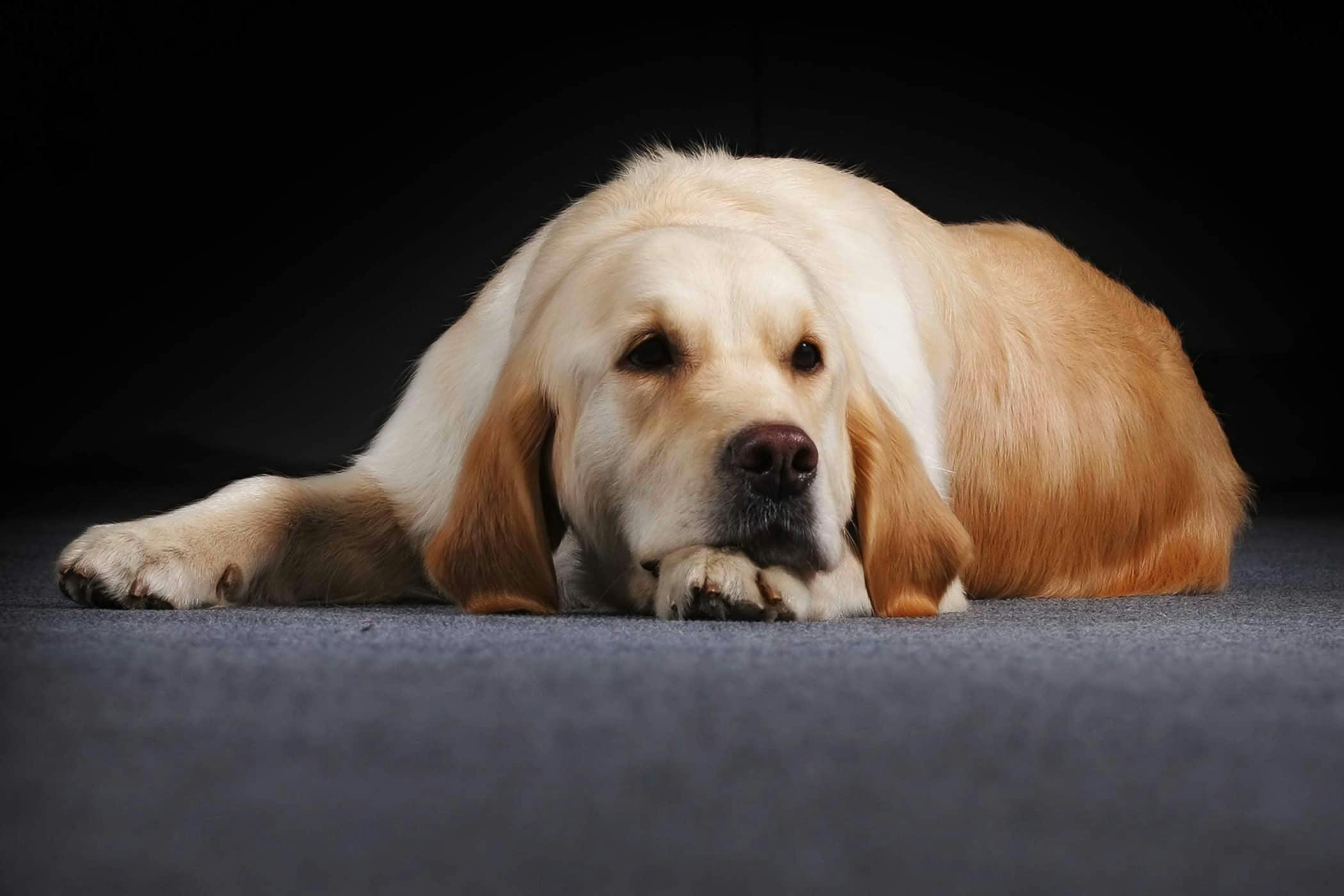
Image Source: images.wagwalkingweb.com
Deciphering Your Dog’s Walking Troubles
When a dog finds it hard to walk, it shows something is not right. This can be subtle at first. Maybe your dog just moves a bit slower. Or they might not want to jump up. Over time, it can get worse. They might limp a lot. Or they might fall down. Knowing the common reasons can help you act fast.
Age-Related Changes: A Common Cause
As dogs get older, their bodies change. Just like people, senior dogs can have aches and pains. This is a very common reason for dog mobility issues in older pets.
Senior Dog Joint Pain
Senior dog joint pain is a big issue. Joints are where bones meet. They let your dog move freely. Over time, the smooth tissue in joints wears down. This tissue is called cartilage. When it wears, bones rub together. This causes pain and stiffness.
- Less active: Your dog might not want to play as much. They might sleep more.
- Hard to get up: They might struggle to stand after resting.
- Stiff movements: Their legs might look stiff when they walk.
- Limping: They might favor one leg.
- Whining: They might cry out when they move.
- Reluctance to jump: They might not want to get on furniture or in the car.
Many older dogs get dog arthritis symptoms. This is joint inflammation. It makes moving very painful. It often affects hips, knees, elbows, and the spine.
Dog Arthritis Symptoms
Arthritis is a common reason for dog pain when walking. It is a long-term problem. It can get worse over time. Look for these dog arthritis symptoms:
- Stiffness in the morning: Your dog is very stiff after waking up. It gets a bit better after they move.
- Trouble climbing stairs: They might refuse to go up or down steps.
- Lagging behind on walks: They walk slower than before. They might stop often.
- Licking or chewing at joints: They try to ease the pain themselves.
- Muscle loss: The muscles around the painful joints might get smaller.
- Changes in mood: Pain can make them grumpy or quiet.
It’s important to help dogs with arthritis. Your vet can suggest pain relief. They might also suggest special food or supplements. These can help support joint health. Regular, gentle exercise is good too. But do not overdo it.
Bone and Joint Problems: Structural Issues
Many problems with bones and joints can cause causes of dog limping. These are often more serious than just age-related stiffness. They can happen at any age.
Canine Hip Dysplasia Signs
Canine hip dysplasia signs are often seen in larger dog breeds. But it can affect smaller ones too. This is a problem with the hip joint. The ball and socket do not fit together well. This causes wear and tear. It leads to pain.
Look for these signs:
- Reluctance to exercise: Your dog does not want to run or play.
- Difficulty getting up: They struggle to stand from a lying position.
- Hoppy gait: They might hop on their back legs. This is like a bunny.
- Limping on one or both hind legs: This is very common.
- Pain when touching hips: They might cry out if you touch their hip area.
- Loss of thigh muscle: The muscles in their back legs might get smaller.
- Stiffness: Their back legs might seem stiff.
This condition often causes dog hind leg weakness. It can start when dogs are young. It can get worse as they age. Your vet can take X-rays to check for hip dysplasia.
Other Orthopedic Problems
Besides hip dysplasia, many other bone and joint issues can cause trouble walking.
- Luxating Patella (Slipping Kneecap): This often happens in small dogs. The kneecap slips out of place. This makes them skip a step or hold up their leg. Then it pops back in. They might walk fine again for a bit.
- Cruciate Ligament Tear: The knee has important ligaments. One is the cranial cruciate ligament. It can tear. This causes sudden, severe
dog limping. Your dog might not put weight on the leg at all. It is very painful. This often needs surgery. - Intervertebral Disc Disease (IVDD): This affects the spine. The discs between the bones in the spine act as cushions. If a disc slips or bulges, it presses on the nerves. This can cause
dog hind leg weakness. It can also cause paralysis. Breeds like Dachshunds are prone to this. Signs can bedog pain when walking, stumbling, or dragging legs. - Bone Fractures: A broken bone will cause severe limping. It is usually clear something bad has happened. This needs urgent vet care.
- Osteosarcoma (Bone Cancer): This is a type of bone cancer. It often affects larger dogs. It causes severe
dog pain when walking. It can also lead to swelling. The pain often gets worse quickly.
Neurological Issues: Problems with Nerves
Sometimes, the problem is not with the legs themselves. It is with the nerves that control them. Or it can be with the brain or spinal cord. These are dog neurological problems walk. They can make a dog dog staggering or stumbling.
Spinal Cord Problems
The spinal cord carries messages from the brain to the body. If it is damaged, these messages cannot get through.
- Disc Disease (IVDD): As mentioned, IVDD is a big cause of
dog neurological problems walk. It can causedog hind leg weaknessor paralysis. - Spinal Tumors: Growths on the spinal cord can press on nerves. This can cause
dog staggering or stumbling. It can also cause weakness or pain. - Fibrocartilaginous Embolism (FCE): This is like a stroke in the spinal cord. A small piece of cartilage blocks blood flow. It causes sudden weakness or paralysis. It often affects one side of the body.
Brain and Nerve Disorders
Problems in the brain or nerves can also make a dog walk strangely.
- Vestibular Disease: This affects balance. It is like vertigo in people. It causes
dog staggering or stumbling. Your dog might tilt their head. Their eyes might dart back and forth. They might vomit. It can look scary but often improves over time. It can be sudden. - Degenerative Myelopathy (DM): This is a progressive disease. It mainly affects older large dogs. It causes slow
dog hind leg weakness. It looks like arthritis. But it is a nerve problem. Dogs slowly lose control of their back legs. They might drag their feet. There is no cure. - Seizures: Some types of seizures can affect walking. A dog might
stagger or stumblebefore or after a seizure. - Tumors: Brain tumors can affect movement. They can cause weakness, stumbling, or even paralysis.
- Infections: Some infections can affect the brain or spinal cord. These can cause
dog neurological problems walk.
If you see your dog staggering or stumbling, or suddenly very weak, get help fast. Dog neurological problems walk can get worse quickly.
Injuries and Trauma: Sudden Changes
Sometimes, the reason a dog struggles to walk is clear. They might have had an accident.
- Paw Injuries: Something as simple as a cut paw can cause limping. A thorn, a broken nail, or a burn can be very painful. Check your dog’s paws regularly.
- Muscle Strains or Sprains: Just like people, dogs can pull a muscle. They might jump or run too hard. This causes sudden
dog pain when walking. It usually gets better with rest. - Ligament or Tendon Injuries: These are serious. They connect muscles to bones or bones to bones. A tear can cause severe
dog limping. - Falls or Accidents: Your dog might have fallen from a height. Or they might have been hit by something. This can cause broken bones or internal injuries. If you suspect trauma, seek urgent vet care.
These types of injuries are common causes of dog limping. They often cause sudden pain.
Other Medical Conditions: Hidden Illnesses
Sometimes, a dog’s trouble walking is a sign of a larger health issue. These might not seem related to walking at first.
- Tick-Borne Diseases: Diseases like Lyme disease or Anaplasmosis can cause
dog joint pain. They can also causedog limpingthat comes and goes. Ticks carry these diseases. - Infections: Some bacterial or fungal infections can affect bones or joints. They can cause pain and limping.
- Metabolic Diseases: Conditions like diabetes or thyroid problems can sometimes lead to muscle weakness. This can make walking hard.
- Heart Disease: Severe heart disease can make a dog weak. They might not have enough oxygen getting to their muscles. This can make them tired and unwilling to walk.
- Cancer: Tumors can grow in bones, muscles, or nerves. This causes
dog pain when walking. It can also lead to weakness. - Systemic Illnesses: Any severe illness can make a dog too weak to walk well. This includes kidney disease or liver disease. They might be lethargic and have no energy.
What to Do: When to See the Vet
If your dog is struggling to walk, it is always a concern. When should you see the vet?
- Immediately:
- If your dog cannot put any weight on a leg.
- If they seem to be in severe
dog pain when walking. - If they suddenly cannot move their back legs.
- If they are
staggering or stumblingvery badly. - If they seem confused or unresponsive.
- If you suspect a broken bone or severe injury.
- Within a day or two:
- If limping continues for more than 24 hours.
- If they have signs of
senior dog joint painthat are getting worse. - If you notice
dog hind leg weaknessdeveloping slowly. - If they are reluctant to move normally for more than a day.
- At your next routine visit:
- For very mild, occasional stiffness in an older dog.
- If you just notice minor
dog mobility issuesthat don’t cause pain.
It is always better to be safe. Your vet can help figure out the problem.
Veterinary Exam: Finding the Cause
When you take your dog to the vet, they will do a full check. This is called a veterinary exam dog gait.
What Your Vet Will Look For
Your vet will ask you many questions. They will want to know when it started. They will ask about your dog’s age and breed. They will also ask about any past health issues.
Then, they will watch your dog walk. This is a very important part of the veterinary exam dog gait. They will look at:
- Limping pattern: Which leg is affected? Is it constant or on and off?
- Weight bearing: Is your dog putting any weight on the leg?
- Stiffness: Do they look stiff when they move?
- Stumbling or staggering: Is their balance off?
- Posture: How does your dog stand?
- Muscle loss: Are any muscles smaller than they should be?
Your vet will also gently feel your dog’s legs, joints, and spine. They will check for:
- Pain: Do they cry out when touched in certain spots?
- Swelling: Are any joints swollen?
- Heat: Are any areas warm to the touch?
- Range of motion: Can the joints move fully? Or are they stiff?
- Muscle tone: Are the muscles firm or weak?
Table: What a Vet Exam Checks For
| Area Checked | What the Vet Looks For | Possible Issues Indicated |
|---|---|---|
| Gait | Limping, stiffness, hopping, staggering | Arthritis, injury, neurological issue, pain |
| Paws | Cuts, broken nails, foreign objects, swelling | Injury, infection, foreign body |
| Joints | Swelling, heat, pain on movement, reduced range of motion | Arthritis, hip dysplasia, luxating patella, ligament tear |
| Muscles | Atrophy (loss of muscle), tenderness | Muscle strain, long-term pain, nerve damage |
| Spine | Pain, tenderness, reflexes | IVDD, spinal injury, nerve damage |
| Nervous System | Reflexes, coordination, head tilt, eye movements | Neurological problems (e.g., vestibular disease, DM, tumors) |
Diagnostic Tests
Based on their findings, your vet might suggest tests.
- X-rays: These are often used. They can show broken bones. They can show
dog arthritis symptomsorcanine hip dysplasia signs. They can also show disc problems in the spine. - Blood Tests: These can check for infections. They can also look for organ problems. Or they can check for tick-borne diseases.
- Urine Tests: These help check kidney function or other issues.
- MRI or CT Scans: For
dog neurological problems walk, these scans give very detailed images. They can show brain or spinal cord tumors. They can also show severe disc issues. - Joint Fluid Analysis: Sometimes, a vet might take a sample of fluid from a joint. This can help find infections or other joint problems.
Caring for Your Dog: Treatment and Management
Once the vet finds the problem, they can start treatment. Treatment depends on what is causing the dog mobility issues.
Pain Management
For many conditions, easing dog pain when walking is key.
- Pain relievers: Your vet might prescribe anti-inflammatory drugs. These help with pain and swelling.
- Joint supplements: Glucosamine and chondroitin can help support joint health. They are often used for
senior dog joint painand arthritis. - Cold and Heat Therapy: Applying ice packs or warm compresses can help some types of pain or swelling.
- Physical Therapy: This can help strengthen muscles. It can also improve movement. It includes exercises, massage, and even swimming.
Specific Treatments
- For Arthritis: Long-term pain relief, joint supplements, weight management, and gentle exercise.
- For Hip Dysplasia: Pain management, weight control, and sometimes surgery.
- For Cruciate Ligament Tears: Often requires surgery to stabilize the knee.
- For IVDD: Rest is often the first step. Strong pain relievers are given. Surgery might be needed for severe cases.
- For Neurological Issues: Treatment varies greatly. It might include medicines, specific therapies, or even surgery. Some conditions, like Degenerative Myelopathy, are managed with supportive care.
- For Injuries: Rest, bandages, pain relief, or surgery for broken bones.
Home Care and Support
You can do a lot at home to help your dog.
- Keep them at a healthy weight: Extra weight puts more stress on joints. This makes
dog mobility issuesworse. - Use ramps or steps: Help your dog get onto furniture or into the car. This saves their joints.
- Non-slip flooring: Put down rugs on slippery floors. This helps prevent
dog staggering or stumbling. It gives them better grip. - Comfortable bedding: Give them a soft, supportive bed. Orthopedic beds are great for
senior dog joint pain. - Controlled exercise: Keep walks short and regular. Avoid too much running or jumping.
- Follow vet advice: Give all medicines as prescribed. Go to all follow-up appointments.
A Note on Prevention
While not all dog mobility issues can be prevented, you can help reduce the risk:
- Good diet: Feed a high-quality food. Keep your dog at a healthy weight.
- Regular exercise: Keep muscles strong and joints flexible.
- Routine vet checks: Regular check-ups can catch problems early.
- Watch for signs: Pay attention to how your dog moves. Notice any changes.
Dealing with a dog who is struggling to walk can be hard. But with proper care and quick vet attention, many dogs can find relief. They can get back to living happier, more comfortable lives.
Frequently Asked Questions (FAQ)
Q1: My dog is older and has stiff legs in the morning. Is this normal?
A1: Stiffness in the morning is common in older dogs. It is often a sign of senior dog joint pain or dog arthritis symptoms. It’s not “normal” in that it means they are comfortable. You should talk to your vet. They can help ease their pain and improve their comfort.
Q2: My dog suddenly started limping after playing. What should I do?
A2: If your dog suddenly limps, it is often due to an injury. This can be a paw injury, a muscle strain, or a ligament tear. Check their paw for cuts or thorns. If the limping does not get better in a few hours, or if they are in a lot of pain, see your vet.
Q3: Can supplements help my dog with walking problems?
A3: Yes, joint supplements like glucosamine and chondroitin can help. They are often used for senior dog joint pain and arthritis. They support joint health. But they are not a cure. Always talk to your vet before giving any supplements. They can tell you if they are right for your dog.
Q4: My dog’s back legs seem weak. Could this be serious?
A4: Yes, dog hind leg weakness can be serious. It can be due to arthritis or hip dysplasia. But it can also be a sign of dog neurological problems walk. This includes disc disease or a condition like Degenerative Myelopathy. Your vet needs to check this out. They can find the exact cause and suggest the best way to help.
Q5: What is a veterinary exam dog gait?
A5: A veterinary exam dog gait means your vet will watch your dog walk. They look at how your dog moves their legs and body. They check for limping, stiffness, or wobbling. This helps them see where the problem might be. It is a key part of finding out why your dog is struggling to walk.