
Ultimate Guide: How To Clean A Leather Couch From Dog Urine
When your furry friend has an accident on your leather couch, knowing what to do right away can save your furniture. To clean a leather couch from dog urine, you need to act fast. First, blot up as much pee as you can with a clean cloth. Do not rub. Then, use a gentle cleaning solution, either homemade or an enzymatic cleaner, to break down the urine. Dry the area well and condition the leather. This guide will show you how to get dog pee out of leather couch, remove the smell, and prevent future messes.
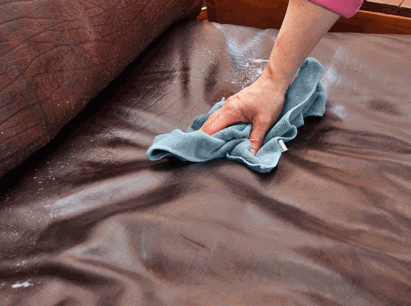
Image Source: www.couchdesign.co.uk
Fathoming the Challenge: Why Leather Is Tricky
Leather couches are beautiful but can be tough to clean after a dog pees on them. Dog urine is more than just water. It has salts, acids, and a substance called urea. When urine dries, bacteria grow. This causes a strong, bad smell. The acids in pee can also stain and damage leather, making it stiff or discolored. The key is to act quickly to stop the pee from soaking deep into the leather. This helps a lot with dog urine smell removal leather.
Types of Leather and Their Needs
Not all leather is the same. Knowing your couch’s leather type helps you clean it safely.
- Finished or Protected Leather: Most common type. It has a coating that makes it strong and easy to clean. You can usually clean this type with water-based products.
- Aniline or Unfinished Leather: This leather is soft and natural. It has no protective coating. It soaks up liquids very fast. This makes it much harder to clean. Water can stain it. You must be extra careful with this type.
- Nubuck or Suede: These are very soft, fuzzy leathers. They are very sensitive to water and stains. It is best to get help from a pro for pee accidents on these.
- Bi-cast or Bonded Leather: These are not pure leather. They are made from scraps or fibers. They often have a plastic coating. Cleaning them can be different. The coating can crack or peel.
Always test any cleaner on a small, hidden spot first. This helps you see if it changes the color or feel of the leather.
Your First Move: Act Fast!
Time is your biggest helper when cleaning dog urine from leather. The sooner you act, the less damage and smell you will have.
What You Need Right Away:
- Clean, white cloths or paper towels (lots of them!)
- Gloves (to protect your hands)
- A plastic bag (for soiled cloths)
Step-by-Step Immediate Action:
- Blot, Don’t Rub: Grab your clean cloths or paper towels. Press them firmly onto the wet spot. Blot up as much liquid as you can. Keep using fresh, dry parts of the cloth until no more urine comes up. Rubbing spreads the pee and pushes it deeper into the leather. It also makes the stain bigger.
- Apply Gentle Pressure: You can even stand on the cloths briefly to help soak up more pee.
- Remove Solids (if any): If there are any solid bits, carefully scoop them up with a paper towel. Throw them away.
- Open Windows: Air flow helps reduce the smell right away.
This fast action is crucial to get dog pee out of leather couch before it sets in.
Assembling Your Cleaning Toolkit
Before you start a deeper clean, gather everything you need. This makes the job smoother.
Essential Items:
- Cleaning Solutions:
- White Vinegar
- Distilled Water
- Mild Dish Soap (clear, dye-free)
- Baking Soda (baking soda dog urine leather is great for odor)
- Enzymatic Cleaner for Pet Urine (specific for leather if possible)
- Tools:
- Several clean, soft cloths (microfiber works well)
- Spray bottle
- Soft-bristle brush (optional, for some leathers)
- Vacuum cleaner with hose attachment
- Leather conditioner
- Fan or hairdryer (on cool setting)
- Gloves
- Plastic sheeting or old towels (to protect floor)
Choosing Your Cleaner: Homemade vs. Enzymatic
You have a few choices for cleaning solutions. Each has its pros and cons.
Homemade Leather Dog Urine Cleaner
These are good for fresh, small stains and general cleaning. They are also gentle.
- Vinegar Solution: Mix equal parts white vinegar and distilled water in a spray bottle. Vinegar helps neutralize odors and kill some bacteria.
- Mild Soap Solution: Mix a few drops of mild, clear dish soap with a cup of distilled water. This is good for surface cleaning.
Pros:
* Cheap and easy to make.
* Uses common household items.
* Generally safe for most finished leather.
Cons:
* May not fully remove deep odors or old stains.
* Can leave water marks on unfinished leather.
* Doesn’t break down urine crystals like enzymatic cleaners.
Enzymatic Cleaner Leather Dog Urine
For the best results, especially for odor removal, an enzymatic cleaner is highly recommended.
- How it Works: These cleaners have special enzymes. These enzymes break down the uric acid crystals in dog pee. Uric acid is what causes the strong, lingering smell. By breaking it down, the cleaner removes the odor, not just covers it up.
- Why It’s the Best Cleaner for Leather Pet Urine: Enzymatic cleaners are designed for pet urine. They remove the source of the smell. Look for ones specifically made for leather or safe for “water-safe” fabrics.
Pros:
* Highly effective at neutralizing dog urine odor leather.
* Breaks down the actual source of the smell and stain.
* Often lifts older, set-in stains better.
Cons:
* Can be more expensive.
* Needs time to work (follow bottle directions).
* Some may not be safe for all types of leather. Always test first!
Table 1: Cleaner Comparison
| Feature | Homemade Cleaner (Vinegar/Soap) | Enzymatic Cleaner |
|---|---|---|
| Cost | Low | Moderate to High |
| Effectiveness | Good for fresh, light stains & surface | Excellent for deep odors & uric acid |
| Odor Removal | Masks/neutralizes some surface odor | Neutralizes odor source |
| Stain Removal | Good for fresh surface stains | Better for set-in stains |
| Safety on Leather | Generally safe for finished leather | Check label; test first; specific for leather is best |
| Drying Time | Fast | Can be longer, needs to air dry |
Step-by-Step Cleaning Process
Once you have blotted up the urine and gathered your tools, it’s time to clean. The steps vary a bit based on whether the urine is fresh or dried.
Cleaning Fresh Dog Urine from Leather Couch
This is your best chance to remove dog urine stain from leather and prevent lasting smell.
- Blot Again (if needed): Make sure you have blotted up every drop.
- Clean the Area:
- Option A: Homemade Solution: Lightly spray your vinegar solution or soap solution onto a clean cloth. Do not spray directly onto the leather. Gently wipe the pee-affected area. Do not oversaturate the leather.
- Option B: Enzymatic Cleaner: Follow the product’s directions. Most say to spray directly onto the stain. Make sure the area is wet enough for the enzymes to work, but do not soak the leather.
- Dwell Time: If using an enzymatic cleaner, let it sit for the time the bottle says. This lets the enzymes do their job. For homemade solutions, a few minutes is fine.
- Wipe Clean: Use a clean, damp cloth (dampened with plain water) to wipe away any cleaner residue.
- Dry Thoroughly: This is very important. Use a dry, clean cloth to blot the area until it is as dry as possible. Then, let it air dry completely. You can use a fan or a hairdryer on a cool setting. Do not use heat, as it can damage leather.
- Apply Baking Soda (Optional but Recommended): Once the area is dry, sprinkle a thin layer of baking soda dog urine leather over the spot. Baking soda helps soak up any leftover odor. Let it sit for several hours, or even overnight.
- Vacuum: After several hours, vacuum up the baking soda using your hose attachment.
- Condition the Leather: After cleaning and drying, the leather may feel a bit dry. Apply a good leather conditioner. This puts moisture back into the leather and keeps it soft. Use a soft cloth to rub it in.
Cleaning Dried Dog Urine from Leather Couch
Dried urine is harder to clean. The stain and smell are likely set. But it’s still possible to remove dog urine stain from leather and neutralize dog urine odor leather.
- Loosen Dried Urine: Lightly dampen a clean cloth with distilled water. Gently wipe the dried urine spot. Do not soak. This helps rehydrate the urine crystals.
- Pre-Treat Odor and Stain:
- Vinegar/Water Mix: Mix equal parts white vinegar and distilled water. Dampen a cloth with this mix and gently blot the area. Let it sit for 5-10 minutes.
- Baking Soda Paste: Make a thick paste with baking soda and a tiny bit of water. Apply it to the stain. Let it sit for a few hours. This is an excellent way for baking soda dog urine leather to help with odor.
- Clean with Enzymatic Cleaner: This is vital for dried urine. The enzymes are best at breaking down old uric acid.
- Spray the enzymatic cleaner generously over the dried stain. Make sure it soaks into the area where the urine had been.
- Let it sit for the time recommended on the bottle (often several hours or even overnight). You may need to cover the area with plastic wrap to keep it wet, which helps the enzymes work longer.
- Remove Cleaner: Wipe up the cleaner with a clean, damp cloth.
- Dry and Repeat if Needed: Let the area dry fully. If the smell or stain remains, you may need to repeat the enzymatic cleaning process. Sometimes, deep-set odors need more than one treatment.
- Baking Soda Follow-Up: Once the area is dry, sprinkle baking soda over it. Let it sit for many hours or overnight to absorb any remaining odors. Vacuum it up.
- Condition: Always finish by conditioning the leather to restore its moisture and shine.
Addressing Lingering Issues
Sometimes, after cleaning, you might still have a faint smell or a stubborn stain. Here’s how to tackle them.
Neutralize Dog Urine Odor Leather
Even if the surface is clean, the smell can linger if the urine soaked deep.
- Repeat Enzymatic Treatment: This is the most effective way. Follow the product instructions for “severe odors.” This might mean applying more cleaner and letting it sit for a longer time.
- Baking Soda Power: Apply a thick layer of baking soda directly onto the spot, making sure it covers the entire affected area. Leave it for 24-48 hours. The longer it sits, the more odor it can absorb. Vacuum thoroughly afterward.
- Activated Charcoal: For really stubborn smells, place small bowls of activated charcoal near or under the couch. It’s a natural odor absorber.
- Sunlight and Fresh Air: If possible, move the couch outside on a sunny, dry day. Sunlight can help sanitize and air out smells. Do not leave it out too long, as direct sun can dry and crack leather.
Remove Dog Urine Stain from Leather
For stains that won’t disappear:
- Specialized Leather Cleaners: Some brands offer specific leather stain removers. Always test these in a hidden spot first.
- Hydrogen Peroxide (Use with Extreme Caution!): A very diluted hydrogen peroxide solution (1 part 3% peroxide to 10 parts water) can sometimes help lift stains. However, this can bleach or damage leather. Only use it as a last resort on very light-colored, finished leather, and test it meticulously first. Apply with a cotton swab to the stain only.
- Professional Help: For very old, set-in, or severe stains, a professional leather cleaner or restorer might be your best option. They have special tools and chemicals.
Leather Couch Urine Damage Repair
If the urine has caused the leather to stiffen, crack, or discolor, repair might be needed.
- Restoring Softness: If the leather feels stiff, use a good quality leather conditioner. Apply it several times over a few days, massaging it into the affected area. This can help rehydrate the fibers.
- Discoloration: For color loss or darkening, a professional leather repair kit might be an option. These kits come with dyes and sealants. It requires a steady hand and color matching skills.
- Cracking: Minor cracks can sometimes be filled with special leather fillers and then re-dyed.
- Professional Restoration: For serious damage like large cracks, peeling, or widespread discoloration, a professional leather repair service is best. They can often restore the couch to look almost new. This is usually more cost-effective than buying a new couch.
How To Stop Dog Peeing On Leather Sofa
Cleaning is one thing, but preventing future accidents is key. Here are tips to stop dog peeing on leather sofa:
- Address the Root Cause:
- Medical Check-up: First, take your dog to the vet. Urinary tract infections, kidney issues, or other health problems can cause accidents. Rule out health issues first.
- Stress or Anxiety: Dogs might pee indoors if they are stressed, anxious, or lonely. Changes at home, new pets, or lack of attention can cause this. Talk to a vet or a dog behaviorist.
- Incomplete Potty Training: Some dogs might not be fully house-trained. Go back to basics: regular potty breaks, praise for outside peeing, and crate training.
- Marking Behavior: Unneutered male dogs (and sometimes females) mark territory. Neutering can often reduce this.
- Make the Couch Less Appealing:
- Cover the Couch: Use a waterproof couch cover, an old sheet, or a pet-specific furniture cover. This makes it harder for the dog to pee directly on the leather.
- Aluminum Foil: Some dogs dislike the sound and feel of aluminum foil. Cover the couch with foil when you are not using it.
- Plastic Sheeting: A cheap and effective barrier.
- Dog Repellent Sprays: Use a pet-safe deterrent spray. These often have a smell dogs dislike. Test on a hidden area first.
- Restrict Access:
- Crate Training: If your dog is comfortable with it, a crate can prevent accidents when you’re not supervising.
- Baby Gates: Block off access to the room with the leather couch when you’re not around.
- Supervision: Watch your dog closely when they are near the couch. If they start to sniff or circle, quickly take them outside.
- Clean Thoroughly: Make sure you truly neutralize dog urine odor leather. If even a faint smell remains, your dog might pee there again. Their sense of smell is much stronger than ours.
- Enrichment and Exercise: A bored or under-exercised dog might act out. Make sure your dog gets enough playtime, walks, and mental stimulation.
Table 2: Dog Pee Prevention Tactics
| Category | Tactics | Notes |
|---|---|---|
| Health & Behavior | Vet check-up, behavioral consultation | Rule out medical issues; address anxiety/training |
| Couch Protection | Waterproof covers, old sheets, foil, plastic | Create a barrier; make it less inviting |
| Access Control | Crate training, baby gates, supervision | Limit access to the couch/room |
| Odor Removal | Thorough enzymatic cleaning | Eliminate lingering urine smell that attracts dogs |
| Dog Well-being | Regular exercise, mental stimulation | Happy dogs are less likely to have accidents |
Frequently Asked Questions (FAQ)
Q: Can I use bleach on my leather couch to clean dog urine?
A: No, absolutely not. Bleach will severely damage and discolor leather, causing irreversible harm. Stick to enzymatic cleaners or mild homemade solutions.
Q: How long does it take for the urine smell to go away?
A: It depends on how deep the urine soaked and how old the stain is. For fresh pee treated with an enzymatic cleaner, the smell can be gone in a few hours to a day. For older or very deep stains, it might take several treatments and a few days for the odor to fully disappear.
Q: Will dog urine permanently damage leather?
A: If left untreated, yes. The acids in urine can break down leather fibers, leading to stiffness, cracking, and permanent discoloration. Prompt and proper cleaning can often prevent permanent damage.
Q: Can I use steam cleaners on leather?
A: No, steam cleaners are generally not recommended for leather. The high heat and moisture can dry out, shrink, or damage the leather, especially if it’s not a finished type.
Q: What if the smell comes back after cleaning?
A: If the smell returns, it means the uric acid crystals were not fully broken down. You need to reapply the enzymatic cleaner. Make sure you use enough product and allow it to sit for the full recommended time, possibly covering it to keep it from drying too fast. Repeat if needed.
Q: Is it safe to use essential oils to cover the smell?
A: It’s not recommended to use essential oils directly on leather. They can be oily, stain the leather, and might not be safe for pets. It’s better to remove the smell’s source using enzymatic cleaners.
Q: Should I hire a professional?
A: If the stain is old, large, or on very delicate leather (like aniline or suede), or if you’ve tried cleaning but the smell or stain remains, hiring a professional leather cleaner or restorer is a wise choice. They have specialized tools and knowledge to handle tough situations.
Cleaning dog urine from a leather couch takes quick action, the right tools, and patience. By following these steps, you can save your furniture and keep your home smelling fresh and clean. Remember, prevention is also key to a happy home with your beloved pet.