
Stress-Free: How To Take A Reactive Dog To The Vet Trip
Taking your dog to the vet can be tough. For some dogs, it is a fun trip. They wag their tails. They greet everyone. But for a reactive dog, a vet visit can be very scary. Reactive dogs may bark, lunge, or even try to bite. This is due to fear, pain, or past bad experiences. It makes vet trips hard for everyone. This guide will show you how to make vet visits calm and safe. We will help your dog feel better. We will help you feel less stressed.
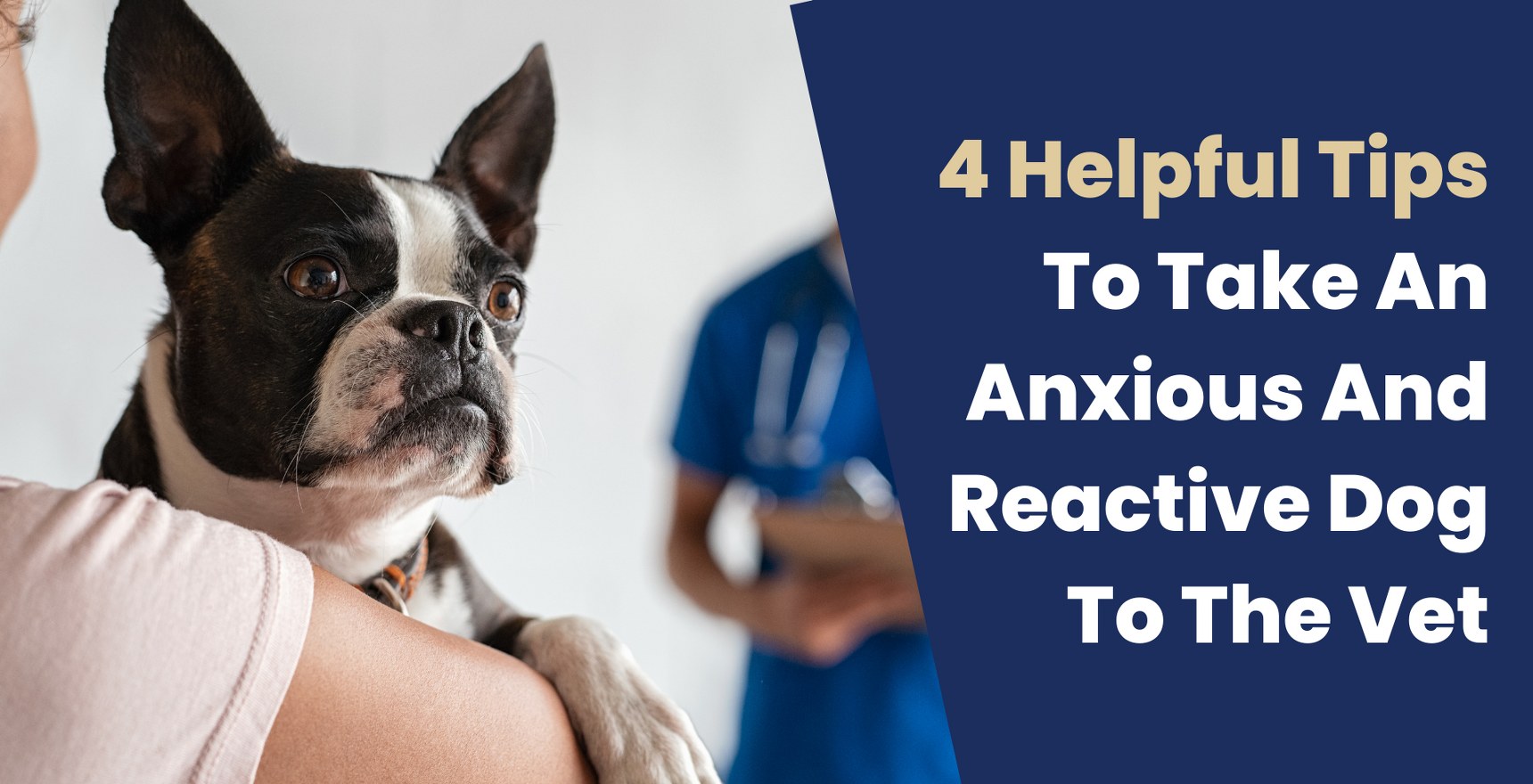
Image Source: positivek9training.com.au
Interpreting Reactivity in Dogs
First, what does “reactive” mean? It means your dog reacts strongly to certain things. This could be other dogs, people, or new places. A vet office has all these things. It has new smells. It has new sounds. It has many strangers. It is easy to see why a reactive dog might get scared there. Their reactions are not about being “bad.” They are about being afraid. They are trying to keep themselves safe.
Why Some Dogs Act This Way
Many things can make a dog reactive.
* Fear: This is the most common reason. Your dog might be afraid of strangers. They might fear new places. They might fear being touched.
* Pain: If your dog is in pain, they might be grumpy. They might not want to be handled. A vet visit can make pain worse. This can make them react more.
* Past Bad Times: Maybe your dog had a bad vet trip before. Maybe they were hurt. Maybe they were scared. This can make them fear future trips.
* Lack of Social Skills: Some dogs did not learn how to act around new things when they were puppies. This can make them nervous as adults.
* Genetics: Some dogs are just born more anxious. This means they get scared more easily.
Signs of Stress and Fear
Dogs show fear in many ways. It is key to see these signs early. This helps you act before things get worse.
* Body Language:
* Lip licking: Your dog licks their lips when no food is around.
* Yawning: Your dog yawns when they are not tired.
* Panting: Your dog pants heavily when it is not hot.
* Ears back: Their ears are flattened against their head.
* Tail tucked: Their tail is held low or between their legs.
* Hiding: They try to get behind you or under something.
* Trembling: Your dog shakes, even if they are not cold.
* Stiff body: Their body is tense. Their muscles are tight.
* Whale eye: You can see the whites of their eyes.
* Growling or snarling: This is a clear warning sign.
* Lunging or barking: They try to make the scary thing go away.
Knowing these signs helps you step in. You can remove your dog from the scary thing. You can give them space. This helps them feel safer.
Planning Ahead: Key Steps Before the Visit
A good vet trip for a reactive dog starts long before you leave home. This means planning. It means getting ready.
Choosing the Right Vet
This is very important. You need a vet clinic that gets reactive dogs. Look for a “fear-free vet visit reactive dog” clinic.
* Fear-Free Certified: Ask if the clinic has Fear Free Certified staff. These vets and techs learn how to make visits less scary. They use gentle handling. They use treats. They move slowly.
* Quiet Waiting Areas: Some clinics have separate rooms for anxious pets. Or they let you wait in your car. This stops your dog from seeing other pets.
* Flexibility: Can you schedule visits when it is less busy? Can you go straight to an exam room? These small things make a big difference.
* Communication: Your vet should listen to your worries. They should be willing to work with you. They should talk about options like sedation or at-home visits.
Building a Strong Bond with the Vet Team
Start with happy visits. Go to the vet clinic just to say hello. Do not go for a shot or an exam.
* Lobby Visits: Go to the clinic lobby. Walk in, give your dog treats, and leave. Do this often. Make it short and sweet.
* Meet and Greet: Ask if your dog can meet a vet tech. They can give your dog treats. They can talk to your dog. They can do this without any poking or prodding. This helps your dog link the vet staff with good things. This is part of positive reinforcement vet visits. It builds trust.
* Practice Handling: At home, touch your dog like a vet would. Look at their paws. Lift their tail. Look in their ears. Give treats after each touch. This is called desensitization vet procedures. It makes your dog more okay with being touched.
Getting Your Dog Ready at Home
Training makes a big difference.
* Muzzle Training: Muzzle training vet anxiety is a must for reactive dogs. It keeps everyone safe. It is not a punishment. It is a tool. Get a basket muzzle. Your dog can pant and take treats through it.
* How to Train: Start slow. Put a treat in the muzzle. Let your dog get it out. Do not put it on their face yet.
* Next, hold it to their nose. Give a treat.
* Slowly, put it on for a second. Give treats. Take it off.
* Build up time. Make it fun. Always give treats.
* Your dog should see the muzzle as good. Not scary.
* Crate Training: If your dog is calm in a crate, it can be a safe space at the vet.
* Car Rides: Practice short, fun car rides. Go to a park, not just the vet. Make car rides a happy thing.
Talking with Your Vet About Choices
Before the visit, call your vet. Tell them your dog is reactive. Discuss ways to help.
* Sedation: Sedation reactive dog vet options can make a huge difference. Your vet might suggest a pill you give your dog at home. This pill calms them before you even leave. It makes them less anxious at the clinic. It helps them cope.
* Anxiety Medication: For some dogs, daily anxiety medication for vet visits helps. It lowers their general fear. This makes special events like vet trips easier. Your vet can tell you if this is right for your dog.
* Calming Supplements: Many calming supplements vet trip aids are available. These are natural products. They may help take the edge off. They are not as strong as medicine. But they can be a good first step.
* Table of Common Calming Aids:
| Type of Aid | How it Helps | When to Use | Important Notes |
|---|---|---|---|
| Pheromone Sprays | Mimic natural dog calming smells | Spray in car, on bandana, in exam room before use | Not for every dog, needs time to work. |
| L-Theanine | Amino acid, promotes relaxation without sleepiness | Daily for general anxiety, or before vet trips | Needs time to build up in system, check with vet. |
| Melatonin | Hormone that helps with sleep and calmness | Hour before vet trip | Can cause drowsiness, not for all dogs. Check with vet. |
| CBD Oil | May reduce anxiety and promote calmness | Daily or as needed before vet trip | Research good brands. Discuss with vet. Legal status varies. |
| Prescription Meds | Stronger calming effect, prescribed by vet | Before vet trip or daily for severe anxiety | Essential to follow vet’s dose. |
Always talk to your vet before giving your dog any new supplement or medicine. They know your dog best. They can guide you.
The Vet Trip Itself: Minimizing Stress
The day of the vet visit needs careful handling. Every step matters for stress reduction reactive dog vet efforts.
The Ride There
- Be Calm: Your dog can feel your stress. Try to stay calm and happy.
- Quiet Car: Keep the car quiet. No loud music.
- Safe Place: Put your dog in a secure crate. Or use a safety harness and seatbelt.
- Use Aids: If your vet gave you medicine, give it at the right time. Use pheromone sprays in the car. Play calming music.
- Avoid Rush Hour: Try to go when roads are less busy. This means less traffic stress.
The Waiting Room
This is often the hardest part. Other dogs and people can make reactive dogs upset.
* Call Ahead: When you get to the clinic, call them. Ask if you can go straight to an exam room. Or ask to wait in your car.
* Use Car Time: If waiting in the car, give treats. Play calm games. Practice simple commands. Keep your dog happy.
* Avoid Eye Contact: If you must wait in the lobby, stand far from others. Do not let your dog stare at other dogs or people. You can shield your dog. You can make them look at you.
* Keep Distant: Do not let other people or pets come close to your dog. Politely tell them your dog needs space. This is part of managing dog aggression vet settings.
* Treat Drop: If another dog is far away, drop a treat for your dog. This helps them link other dogs with good things.
* Muzzle On: If your dog wears a muzzle, put it on before you go inside.
The Exam Room
Once you are in the room, keep things calm.
* Let Your Dog Explore: Let your dog sniff around. Let them get used to the room.
* Treats, Treats, Treats: Bring high-value treats. These are treats your dog loves most. Cheese, cooked chicken, or hot dogs are good choices. Give them often. Give them for being calm. Give them during exams. This continues positive reinforcement vet visits.
* Go Slow: Ask the vet and tech to move slowly. They should not rush at your dog. They should not grab them.
* Gentle Handling: Your vet should use gentle ways to touch your dog. They can do some parts of the exam on the floor. Or on your lap. This can be less scary than on a cold exam table.
* Breaks are OK: If your dog gets stressed, ask for a break. Step outside. Let your dog calm down. Then try again.
* Distraction: Use toys or lick mats. Put peanut butter on a lick mat. This can keep your dog busy while the vet works. This is another desensitization vet procedures technique.
* Stay Involved: You know your dog best. Tell the vet if your dog is getting scared. You can hold your dog. You can comfort them.
After the Vet Visit: Calm Down and Recover
The vet trip is over. But your dog might still be stressed.
* Go Home Quickly: Get your dog home without delay.
* Quiet Time: Let your dog rest in a quiet place. Give them a special chew toy or a food puzzle.
* No Pressure: Do not push your dog to play or interact if they are tired or stressed.
* Observe: Watch your dog for any signs of continued stress. Or side effects from medicine.
* Praise: Tell your dog what a good job they did. Even if it was hard.
Special Situations: When Regular Trips Are Too Much
Sometimes, a traditional vet visit is just too much. Even with planning, some reactive dogs cannot handle it.
At-Home Vet Services
This is a great option for some dogs. At-home vet services aggressive dog situations are much easier to handle.
* Familiar Place: Your dog stays in their own home. It smells familiar. It feels safe. This lowers stress a lot.
* Less Exposure: No waiting room. No other dogs. No strange people walking by. It is just your dog and the vet.
* More Time: Mobile vets often have more time for each patient. They can go slow. They can wait for your dog to relax.
* Cost: At-home vets can cost more. But for some dogs, it is worth every penny. It avoids a lot of stress for both of you. Many services like shots, check-ups, and blood work can be done at home.
Telemedicine Consults
For some issues, your vet might talk to you by phone or video. This is great for:
* Advice: Asking general health questions.
* Checking In: Follow-up on a condition.
* Medication Refills: Getting new prescriptions.
* Behavior Help: Discussing behavior problems.
This saves a trip to the clinic. It means no stress for your dog.
Ongoing Training and Support
One vet visit will not fix everything. It is a long game. You need to keep working with your dog.
Continuing Desensitization
Keep practicing gentle handling. Keep making vet-like touches positive.
* Daily Practice: Spend a few minutes each day. Touch paws, ears, mouth. Pair it with a treat.
* Use Tools: Get a toy stethoscope. Gently touch it to your dog. Give a treat. This is more desensitization vet procedures.
* Mock Visits: If your vet allows, do more “happy visits.” Go to the clinic just to get treats. No exam. No shots. Just good times.
Professional Help
Do not be afraid to ask for help.
* Certified Professional Dog Trainer (CPDT): A good trainer can help you with specific training. They can teach you how to manage your dog’s reactions. They can help with muzzle training.
* Certified Dog Behavior Consultant (CDBC) or Veterinary Behaviorist (DACVB): For very fearful or aggressive dogs, these experts are best. A veterinary behaviorist is a vet who specializes in behavior. They can prescribe medicine. They can create a full behavior plan. They often work with your regular vet. They are key in managing dog aggression vet related issues.
Frequently Asked Questions (FAQ)
Q1: Can I give my dog human anxiety medicine before a vet visit?
No. You should never give your dog human medicine. Many human medicines are bad for dogs. Only give medicine your vet tells you to use. They will give you the right type and dose.
Q2: What if my dog still tries to bite at the vet, even with a muzzle?
First, make sure the muzzle fits well. If your dog still tries to bite, it means they are very scared. This is when sedation reactive dog vet options are often needed. Talk to your vet about stronger calming medicine. Also, think about at-home vet services aggressive dog care. A veterinary behaviorist might also be able to help with a long-term plan.
Q3: How long does it take for calming supplements to work?
Some supplements like L-theanine need days or weeks to build up in the system. Others, like melatonin, work in about an hour. Always check the label or ask your vet for specific timing. They are often best used with other stress reduction reactive dog vet methods.
Q4: Is it okay to skip vet visits if my dog is too reactive?
No. Regular vet care is key for your dog’s health. Skipping visits can mean health problems get worse. Work with your vet to find a safe way. This might mean heavy sedation. It might mean at-home visits. It might mean working with a behaviorist. Your dog needs check-ups and shots.
Q5: My dog is fine at the vet, but gets scared by the car ride. What can I do?
Focus on making car rides fun. Start with short trips. Drive to a park or a fun place. Give lots of treats. Use calming pheromones in the car. A comfortable crate or seatbelt might help. If it is still bad, discuss mild sedatives with your vet just for car travel.
Q6: How can I tell if my vet uses Fear-Free methods?
You can ask them directly. Look for Fear Free Certified Professionals on the Fear Free website. They often have special posters or signs in their clinic. They will talk about gentle handling and rewards. They will ask about your dog’s stress levels. This is the goal of a fear-free vet visit reactive dog experience.
Conclusion
Taking a reactive dog to the vet can be scary. But it does not have to be a nightmare. With good planning, teamwork with your vet, and lots of patience, you can make it much better. Focus on low-stress methods. Use positive reinforcement vet visits. Consider things like muzzle training vet anxiety and calming supplements vet trip aids. Do not be afraid to use sedation reactive dog vet options if needed. Explore at-home vet services aggressive dog care. Each small step helps your dog feel safer. You are your dog’s best helper. By taking these steps, you show them love. You help them live a healthy, stress-free life. Even when they need a check-up.