
How To Stop Dog From Eating Mulch: The Ultimate Guide.
Why do dogs eat wood chips? Dogs eat wood chips for many reasons. Puppies might chew on garden bark because they are teething. Older dogs might do it out of boredom, hunger, or even stress. Sometimes, they just like the taste or smell. But eating mulch can be dangerous. Dog mulch ingestion dangers are real. It is important to stop this habit quickly to keep your pet safe. This guide will help you understand why dogs eat mulch and how to stop them.
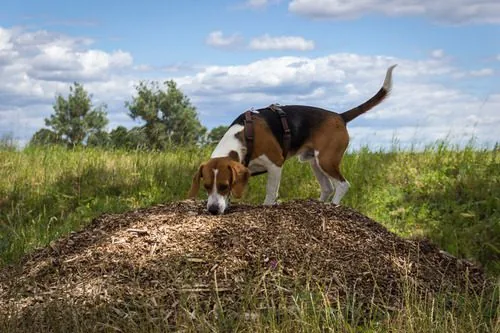
Image Source: brownvethospital.com
Solving the Mulch-Eating Problem: A Complete Approach
Stopping your dog from eating mulch needs a few steps. You need to know why they do it. You must also know what mulch is safe or not safe. Then, you can use good training. You can also make your yard more fun for your dog. This full plan helps keep your dog away from mulch.
Why Dogs Eat Mulch: Deciphering the Behavior
Dogs chew and taste things. It is how they learn about their world. When dogs eat wood chips, it is often due to a few simple reasons.
Puppy Chewing Garden Bark:
* Teething: Just like babies, puppies have pain when new teeth grow. Chewing on hard things, like mulch, helps them feel better.
* Exploring: Puppies use their mouths to learn. Mulch might smell new or look interesting. They try to taste it.
* Boredom: Young dogs need lots of play and things to do. If they are bored, they will find their own fun. This often means chewing on things they should not.
Reasons for Older Dogs:
* Boredom: An adult dog with nothing to do might chew on mulch. It gives them something to do with their mouth.
* Hunger or Diet Needs: Sometimes, dogs eat non-food items. This can be a sign of hunger. Or, they might not get enough nutrients from their food. This is called pica. If your dog eats a lot of dirt or mulch, talk to your vet.
* Stress or Worry: Dogs get stressed too. Chewing can help them feel calm. If your dog is often alone, or feels worried, they might chew more.
* Smell and Taste: Mulch is made of wood. It can smell like the forest. Some dogs like the earthy taste. If food dropped on it, they might try to eat the mulch too.
* Attention Seeking: If your dog gets attention when they eat mulch, they might do it more. Even if it is you telling them “no,” it is still attention.
* Natural Instincts: Some dogs just like to dig and chew. This is part of their nature. They might think it is a game.
Knowing why your dog eats mulch is the first step. Once you know the reason, you can better help them stop.
The Hidden Dangers: Mulch and Your Dog’s Health
Is eating mulch bad for dogs? Yes, it can be very bad. Dog mulch ingestion dangers are serious. Mulch can cause many health problems for your pet. It is vital to know these risks.
Types of Dangerous Mulch:
* Cocoa Mulch: This mulch smells like chocolate. It is made from cocoa bean shells. It has the same bad things for dogs as chocolate. These are called theobromine and caffeine. Even a small amount can make dogs very sick. Large amounts can even kill them.
* Dyed Mulch: Some mulch is colored red, black, or brown. Dyes can be toxic. They might have chemicals like iron oxide. These dyes can hurt your dog’s stomach.
* Treated Wood Mulch: Some wood is treated to stop bugs or rot. These chemicals are bad for dogs. They can make your dog very sick.
* Cedar Mulch: While often listed as “safe,” cedar mulch can still cause issues. Some dogs are allergic to cedar. It can also cause stomach upset if eaten. The strong smell might also bother some dogs.
* Mold and Fungi: Any mulch can grow mold or fungi. Some molds are very toxic. Dogs eating these can get very ill. Symptoms include shaking, seizures, or even death.
* Pesticides and Herbicides: If someone sprayed your mulch, it could have poisons. These chemicals are made to kill bugs or weeds. They can hurt your dog if eaten.
Physical Dangers of Eating Mulch:
* Choking: Small pieces of mulch can get stuck in your dog’s throat. This can stop them from breathing.
* Internal Blockage: Large pieces can get stuck in the stomach or intestines. This can stop food from moving through. It often needs surgery to fix. This is a very serious problem.
* Splinters and Cuts: Mulch pieces can be sharp. They can cut your dog’s mouth, throat, or insides. This can cause pain and infection.
* Stomach Upset: Even safe mulch can upset a dog’s stomach. This can lead to throwing up or diarrhea.
Symptoms of Mulch Poisoning in Dogs:
If your dog eats mulch, watch for these signs. Call your vet right away if you see any of these.
* Throwing up (vomiting)
* Diarrhea
* No appetite
* Weakness
* Shaking or tremors
* Fast heart rate
* Acting restless or hyper
* Not able to stand up
* Seizures
* Panting a lot
* Acting drunk or clumsy
* Swollen belly or pain when touched
* Drooling a lot
Even if you are not sure, it is always best to call your vet. Quick help can save your dog’s life.
Safe Choices: Pet-Friendly Landscaping Materials
Good news! You can still have a nice yard. There are many pet-safe landscaping materials. You can choose non-toxic mulch options for pets. This lets your dog play safely outside.
Non-Toxic Mulch Options for Pets:
* Shredded Bark (Natural, Untreated): This is often a good choice. Make sure it is plain wood, with no dyes or chemicals. Choose larger pieces to help prevent dogs from swallowing them.
* Pine Needles: These are soft and break down slowly. They are generally safe. They can be a good mulch for plants that like acid soil.
* Shredded Leaves: Gather leaves from your yard. Shred them. They make a free and safe mulch. They also add good stuff to the soil.
* Straw: Straw is light and safe. It is good for vegetable gardens. It breaks down fast.
* Hardwood Mulch (Natural, Untreated): Similar to shredded bark, ensure it’s natural and has no added chemicals or dyes.
Things to AVOID (Very Important):
* Cocoa Bean Mulch: Very toxic. Smells like chocolate. Keep dogs far away.
* Dyed Mulch: Dyes can be bad for dogs. Avoid.
* Chemically Treated Mulch: Do not use wood that has been treated for bugs or rot.
* Rubber Mulch: Made from old tires. Dogs can chew on it. It can cause blockages. It also gets very hot in the sun.
* Gravel/Rocks (Small): While not toxic, small rocks can be swallowed. This can cause blockages or chip teeth. Bigger rocks are safer.
Here is a quick guide to help you choose:
| Mulch Type | Safety for Dogs | Notes |
|---|---|---|
| Cocoa Bean Mulch | HIGH DANGER (TOXIC) | Contains theobromine (like chocolate). Can be fatal. |
| Dyed Mulch | HIGH DANGER (TOXIC) | Dyes can contain harmful chemicals. |
| Chemically Treated Wood | HIGH DANGER (TOXIC) | Chemicals (e.g., arsenic) are very harmful. |
| Rubber Mulch | MODERATE DANGER | Can cause blockages if swallowed. Gets very hot. |
| Cedar Mulch (Natural) | LOW TO MODERATE | Can cause stomach upset. Some dogs may be allergic. |
| Pine Needles | GENERALLY SAFE | Good for acid-loving plants. Less appealing to eat. |
| Shredded Natural Bark Mulch | GENERALLY SAFE | Untreated, undyed. Larger pieces are better. |
| Shredded Leaves | GENERALLY SAFE | Free, natural, breaks down well. |
| Straw | GENERALLY SAFE | Light, breaks down fast. Good for gardens. |
Other Landscape Material Ideas:
* Pea Gravel: Small, rounded stones. Can be safe if dogs do not eat them. But some dogs might try to swallow them.
* Large River Rocks: These are too big for most dogs to swallow. They can look nice in a garden.
* Groundcovers: Plants that grow low to the ground. They cover the soil. Examples: creeping thyme, clover, pachysandra. Make sure the plants are safe for dogs.
* Artificial Turf: This is a good choice for dog runs. It needs very little care. It is not natural, but dogs cannot eat it.
Always check labels. Ask the store if the mulch has been treated. When in doubt, pick natural, untreated options.
Stopping the Snacking: Effective Deterrents
Once you know which mulch is safe, you still need to stop your dog from eating it. Deterrents for dogs eating garden mulch can help. These make the mulch less appealing to your dog.
Taste Deterrents:
* Bitter Apple Spray: This spray tastes very bad to dogs. Spray it on the mulch edges. Your dog will taste it and likely stop. You need to spray it often, especially after rain.
* Cayenne Pepper: A light sprinkle of cayenne pepper on the mulch can work. Dogs do not like the spicy smell or taste. Be careful not to use too much. It can irritate their nose. Always test a small area first.
* Citrus Peels/Juice: Dogs often dislike the strong smell of citrus. You can scatter orange or lemon peels. Or, spray diluted lemon juice on the mulch. This is a natural, safe option.
* Commercial Repellents: There are many sprays made to stop dogs from chewing. Look for pet-safe ones at your pet store. Read the instructions carefully.
Smell Deterrents:
* Vinegar: A mix of water and white vinegar can be sprayed. The strong smell can keep dogs away. But the smell goes away fast.
* Coffee Grounds: Dogs do not like the strong smell of coffee grounds. You can scatter them around the mulch. They also help plants grow.
Physical Barriers:
* Fencing: A low fence around your garden beds works best. It keeps your dog out completely. You can use decorative fences or simple wire ones.
* Netting or Chicken Wire: Lay netting flat over the mulch. Or, put chicken wire around plants. This makes it hard for your dog to get to the mulch.
* Large Rocks or Borders: Place big rocks or bricks around the edges of mulch beds. This creates a clear line. It might make the area less inviting to dig or chew.
* Raised Garden Beds: Build raised beds. This keeps plants and mulch higher up. It can make it harder for dogs to reach.
Supervision:
* Watch Your Dog: The best deterrent is you! Watch your dog when they are outside. If you see them going for the mulch, stop them right away.
* Leash Time: When you are training, keep your dog on a leash outside. This lets you pull them away right away.
Remember, deterrents are a short-term fix. They work best with training and other long-term solutions. You want your dog to learn not to eat mulch, even when no deterrent is there.
Smart Solutions: Training Your Dog to Ignore Mulch
Training dogs to ignore mulch is a key part of solving this problem. Behavioral solutions dog eating yard debris focus on teaching your dog what to do instead. Positive reinforcement works best.
Teach “Leave It”:
* Start Inside: Hold a treat in your hand. Show it to your dog. Say “Leave it.”
* Close Hand: If your dog tries to get the treat, close your hand. Wait until they stop trying.
* Reward: When they stop trying and look at you, say “Good!” Give them a different, better treat. Not the one you said “leave it” to.
* Practice with Mulch (or fake mulch): Once your dog knows “Leave it” well inside, try it outside. Put a small piece of mulch on the ground. When your dog goes for it, say “Leave it.”
* Praise and Reward: If they look away, praise them and give a treat. Take the mulch away.
* Make it Harder: Slowly add more mulch. Or, let them get closer before you say “Leave it.”
* No Punishment: Never punish your dog if they fail. Just make the task easier for them.
Teach “Drop It”:
* Start with Toys: Let your dog hold a toy. Hold a treat near their nose.
* Say “Drop It”: When they open their mouth for the treat, say “Drop It.”
* Reward: As soon as they drop the toy, give them the treat. Pick up the toy.
* Practice with Mulch: If your dog picks up mulch, say “Drop It.” Give them a tasty treat when they let it go. Make sure to pick up the mulch so they do not try to eat it again.
Positive Reinforcement:
* Reward Good Choices: When your dog walks past the mulch without eating it, praise them. Give them a treat.
* High-Value Treats: Use treats your dog loves most. This makes training more fun and effective.
* Play and Fun: Use playtime as a reward. If your dog ignores the mulch, play a game of fetch.
Consistent Training:
* Everyone Helps: Make sure everyone in your family uses the same rules and commands.
* Short Sessions: Train for 5-10 minutes each day. Dogs learn better in short bursts.
* Be Patient: Learning takes time. Do not get upset if your dog does not get it right away.
Redirection:
* Offer Something Else: If your dog goes for the mulch, offer them a safe chew toy instead. This teaches them what to chew on.
* Call Them Away: Call your dog to you. Play a game. This moves them away from the mulch.
Training is powerful. It teaches your dog self-control. It helps them make good choices on their own.
Keeping Them Busy: Environmental Enrichment Outdoors
Boredom is a big reason why dogs chew on things they should not. This includes mulch. Environmental enrichment for dogs outdoors means making their outdoor space interesting and fun. This helps stop destructive chewing.
Why Boredom Leads to Chewing:
* Dogs need things to do. They are smart animals.
* If they have no toys or games, they find their own fun.
* Chewing on mulch can be a way to pass the time. It gives them something to do with their mouths.
* It also releases energy.
Ways to Keep Your Dog Busy:
* Interactive Toys:
* Kongs: Fill a Kong toy with peanut butter, yogurt, or dog treats. Freeze it for a longer challenge. Dogs will spend a lot of time trying to get the food out.
* Puzzle Feeders: These toys make your dog work to get their food. They have to push, sniff, or lift parts to get the food. This makes mealtime a fun game.
* Treat-Dispensing Balls: Fill a ball with kibble or small treats. Your dog rolls it around, and treats fall out. This keeps them moving and thinking.
* Chew Toys:
* Always have good, safe chew toys outside. This gives your dog a right thing to chew on.
* Choose toys that are strong and last long.
* Examples: Nylabones, durable rubber toys, safe dental chews.
* Change toys often. This keeps them new and exciting. Put some away, then bring them back later.
* Designated Digging Area:
* If your dog loves to dig, give them a place where it is okay.
* Create a sandpit or a small area with loose dirt.
* Bury toys or treats for them to find. This makes digging a fun hunt.
* When they dig in the wrong spot, gently move them to their digging pit. Praise them when they use the pit.
* Regular Exercise and Playtime:
* A tired dog is a good dog! Make sure your dog gets enough exercise.
* Walks, runs, or games of fetch help use up energy.
* Play with your dog in the yard. Throw a ball. Play tug.
* This gives them your attention and burns energy. They will be less likely to chew mulch later.
* Training Sessions:
* Use short, fun training times.
* Teach new tricks. Practice old ones.
* This uses your dog’s brain. A dog who thinks is less likely to be bored.
By making your outdoor space fun and busy, you give your dog better choices. This helps them stay away from the mulch.
Managing the Environment: Practical Steps
Even with safe mulch and good training, managing your outdoor space is key. Simple steps can make a big difference.
- Cleanup Routines:
- Regularly check your yard. Pick up any loose mulch pieces.
- Sweep or rake mulch back into beds. This keeps it neat and less inviting for dogs to play with.
- Clean up any food spills quickly. If your dog smells food on mulch, they might try to eat it.
- Supervision:
- Always watch your dog when they are outside.
- This is especially true when you first start training.
- If you cannot watch them, bring them inside. Or, put them in a safe, fenced area away from mulch.
- Dog-Proofing:
- Think about your dog’s size and habits.
- Can they jump over the fence? Can they squeeze under it?
- Make sure your yard is truly safe and secure.
- Remove Temptation:
- If you have a very stubborn mulch eater, it might be best to remove all mulch.
- Replace it with safer groundcovers or large rocks.
- Professional Help:
- If you have tried everything and your dog still eats mulch, get help.
- Talk to your vet. They can check for health problems like pica.
- A certified dog trainer or behaviorist can offer more help. They can watch your dog and give a custom plan. This can be very helpful for tough cases.
Stopping your dog from eating mulch takes effort. But it is worth it for their safety and your peace of mind.
To sum up, stopping your dog from eating mulch needs a full plan. First, know why they do it. Is it boredom, teething, or a health issue? Second, use safe materials in your yard. Choose non-toxic mulch or other ground covers. Third, use deterrents. Make the mulch taste or smell bad to your dog. Fourth, train your dog. Teach them “leave it” and “drop it.” Use positive rewards. Last, keep your dog busy. Give them toys, games, and exercise. A happy, busy dog is less likely to eat mulch. By following these steps, you can keep your dog safe and your garden looking good.
Frequently Asked Questions (FAQ)
Q: Is mulch poisonous to dogs?
A: Yes, some mulch is very poisonous to dogs. Cocoa bean mulch is highly toxic. Dyed mulch and chemically treated wood mulch can also hurt dogs. Even natural mulch can cause stomach problems or blockages if eaten.
Q: What is the best non-toxic mulch for dogs?
A: Natural shredded bark, pine needles, shredded leaves, and straw are generally safe. Always choose mulch that is untreated and undyed. Avoid cocoa bean mulch and dyed mulch at all costs.
Q: How do I stop my puppy from eating wood chips?
A: For puppies, teething is a common reason. Give them many safe chew toys. Use bitter apple spray on mulch. Supervise them closely. Teach “leave it” early. Make sure they get lots of play and exercise.
Q: Can a dog get sick from eating cedar mulch?
A: While natural cedar mulch is often listed as safer, it can still cause problems. Some dogs may have an allergic reaction. Eating it can lead to stomach upset, vomiting, or diarrhea. It is best to watch your dog carefully if you use it.
Q: What are the signs of mulch poisoning in dogs?
A: Look for throwing up, diarrhea, shaking, weakness, fast heart rate, restlessness, or seizures. If you see these signs after your dog eats mulch, call your vet right away.
Q: Are wood chips bad for dogs?
A: Wood chips can be bad for dogs. They can cause physical harm like choking, splinters, or internal blockages. They might also carry molds or chemicals that are toxic. It depends on the type of wood chip and if it was treated.
Q: What can I use instead of mulch that is safe for dogs?
A: Safe alternatives include large river rocks (too big to swallow), pea gravel (if dogs don’t eat it), artificial turf, or safe groundcover plants like creeping thyme. You can also simply leave soil bare or use shredded leaves.
Q: Why does my dog keep eating dirt and mulch?
A: Eating dirt and mulch can be a sign of pica. Pica means eating non-food items. It can be due to a lack of nutrients, boredom, anxiety, or attention-seeking. Talk to your vet to rule out any health problems. A trainer can help with behavior issues.