
Why Does My Dog Sound Like He Has A Hairball? Causes!
Your dog might sound like he has a hairball, often making a strange coughing or gagging noise. This sound usually means there is something wrong with their breathing tube or stomach, not an actual hairball. Unlike cats, dogs rarely get hairballs. This noise can come from many things, from simple issues like something stuck in their throat to more serious health problems. It’s important to watch your dog closely and see a vet if the sound keeps happening or gets worse.
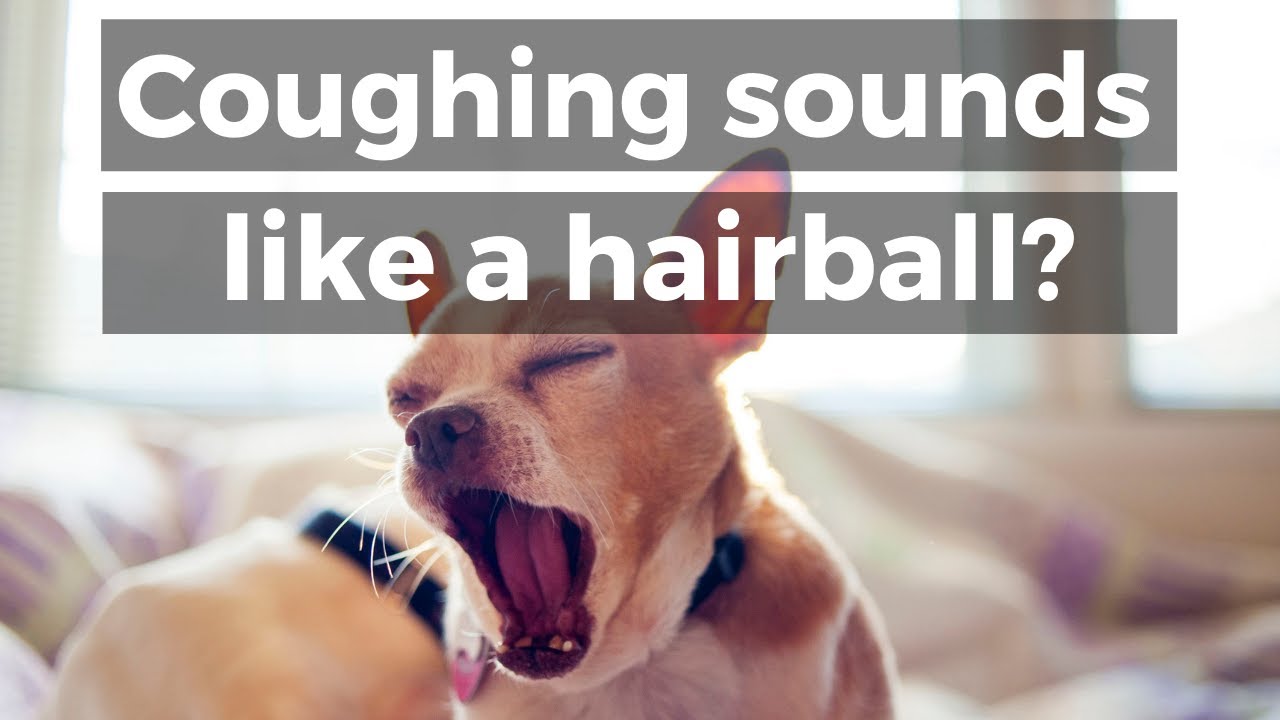
Image Source: i.ytimg.com
Dispelling the Hairball Myth: Why Dogs Are Different
Many dog owners hear a strange sound and think of hairballs, a common issue for cats. But for dogs, hairballs are almost never the problem. To get why, let’s look at how cats and dogs handle hair.
Cats are very clean animals. They groom themselves all the time by licking their fur. When they lick, they swallow loose hair. Most of this hair passes through their gut without trouble. But sometimes, especially if they have a lot of shedding or long fur, the hair builds up in their stomach. Their body then tries to get rid of it by throwing it up. This is a hairball. It often looks like a long, cylindrical clump of matted fur.
Dogs are different. While dogs do groom themselves and lick their fur, they do not do it as often or as thoroughly as cats. Their tongues are also not as rough as a cat’s. A cat’s tongue has tiny, backward-facing spines that act like a comb. This helps them grab loose hair. A dog’s tongue is smoother. This means they swallow less hair overall. Plus, a dog’s digestive system is generally better at moving hair through. Any hair a dog swallows usually passes right through their system and out with their poop. So, if your dog is making a hairball sound, it’s very unlikely to be an actual hairball. The noise you hear points to another problem.
Common Reasons for the “Hairball” Sound
When a dog sounds like he has a hairball, it often means something is bothering his breathing system or stomach. These issues can range from mild irritations to more serious health problems.
Respiratory System Concerns
Many times, the hairball-like sound comes from problems in your dog’s breathing tubes. These issues can cause coughing, gagging, or other odd noises.
Kennel Cough: A Common Culprit
Kennel cough is a very common cause of this strange sound. It’s a highly contagious illness that affects a dog’s windpipe and voice box. Think of it like a human cold or flu, but for dogs.
- What it is: Kennel cough is a catch-all term for infectious tracheobronchitis. Many different germs can cause it, such as bacteria (Bordetella bronchiseptica) and viruses (parainfluenza virus).
- How it spreads: Dogs usually catch kennel cough when they are around other sick dogs. This often happens in places where dogs gather, like kennels, dog parks, or obedience classes. A sick dog can spread the germs by coughing, sneezing, or even just breathing near another dog.
- Kennel cough symptoms: The main sign is a strong, dry cough. It often sounds like a goose honk. Your dog might seem like he is trying to cough something up, or that he has something stuck in his throat. This is the dog hacking sound that many owners mistake for a hairball. Other signs can include a runny nose, sneezing, and a bit of a fever. Most dogs with kennel cough still feel okay and eat normally. But some might feel tired or lose their appetite.
- Treatment and Prevention: Most cases of kennel cough get better on their own. Vets might give cough medicine to help your dog feel better. Antibiotics might be needed if bacteria are involved. The best way to prevent kennel cough is through vaccination. There are shots that protect against the main germs that cause it.
Dog Reverse Sneeze: A Baffling Noise
The dog reverse sneeze is another common sound that can worry owners. It often looks and sounds like your dog is choking or having a sudden, scary episode.
- What it looks like, how it sounds: Instead of air going out, like a normal sneeze, a reverse sneeze means air is quickly sucked inward through the nose. Your dog will stand still, often stretch out his neck, and make a loud snorting or gasping sound. This can happen many times in a row. It can seem like your dog is gagging or trying to get something out of his throat, but nothing comes out.
- Why it happens: Reverse sneezes happen when something irritates the back of your dog’s throat or soft palate (the soft tissue at the back of the roof of the mouth). This irritation can be caused by dust, pollen, quick changes in temperature, excitement, or pulling on the leash.
- When to worry: Reverse sneezes are usually harmless. They stop on their own. You can often help your dog by gently stroking his throat or covering his nostrils for a second. This makes him swallow and can stop the sneeze. But if reverse sneezes happen very often, last a long time, or are combined with other signs like trouble breathing or blue gums, see your vet.
Canine Bronchitis: Deeper Breathing Trouble
Canine bronchitis signs can also cause a cough that sounds like a hairball. Bronchitis means the airways in the lungs get swollen and irritated.
- What it is: Bronchitis is when the tubes that carry air to and from your dog’s lungs become inflamed. This makes it hard for air to move freely and can lead to mucus buildup.
- Canine bronchitis signs: The main sign is a persistent cough. This cough can be dry or wet, and it often sounds deep and forceful, similar to a dog hacking sound. You might also hear wheezing or see your dog struggle to breathe, especially after exercise.
- Acute vs. Chronic: Acute bronchitis comes on suddenly and often clears up with treatment. Chronic bronchitis lasts for a long time (more than two months). It can be caused by allergies, irritants in the air, or other long-term problems.
- Management: Treatment depends on the cause. It might include anti-inflammatory drugs, cough suppressants, or medicines to open the airways. Removing irritants like smoke or strong cleaners from the home can help.
Tracheal Collapse: A Small Dog Problem
Tracheal collapse is a problem often seen in small dog breeds like Yorkies, Chihuahuas, and Pomeranians.
- What it is: The trachea, or windpipe, is a tube made of rings of cartilage. These rings help keep the tube open. In tracheal collapse, these rings weaken and flatten, making the windpipe narrow. This makes it hard for air to get through.
- Signs: The most common sign is a dry, harsh, honking cough, especially when your dog gets excited, pulls on his leash, or drinks water. This cough sounds very much like a dog trying to get something out of his throat.
- Treatment options: Treatment can include cough medicine, anti-inflammatory drugs, and weight management. In severe cases, surgery might be needed to place a stent (a small tube) to keep the windpipe open.
Laryngeal Paralysis in Dogs: A Serious Breathing Issue
Laryngeal paralysis in dogs is a serious condition where the voice box (larynx) does not open and close properly. This makes it hard for air to get into the lungs.
- What happens to the voice box: The larynx has small flaps called arytenoid cartilages. These flaps should open wide when your dog breathes in. In laryngeal paralysis, the nerves that control these flaps stop working. So, the flaps stay partly closed, making it hard to breathe.
- Laryngeal paralysis in dogs symptoms: Signs often get worse over time. You might hear noisy breathing, especially when your dog breathes in. Your dog might also make a dog gagging noise or a choking sound when eating or drinking. Other signs include a changed bark, less desire to play, and trouble breathing when hot or excited.
- Diagnosis and care: A vet can diagnose this with a special exam while your dog is lightly sedated. Treatment often involves surgery to tie back one of the flaps in the larynx to keep the airway open.
Gastrointestinal System Issues
Sometimes, the sound comes from problems with your dog’s stomach or food pipe.
Dog Acid Reflux Cough: Stomach Acid Trouble
Just like people, dogs can get dog acid reflux cough. This happens when stomach acid comes back up into the esophagus (food pipe) and irritates the throat.
- How it causes coughing: The acid can irritate the sensitive lining of the esophagus and the back of the throat. This irritation can make your dog cough, gag, or swallow a lot. The cough might sound like a hairball.
- Dog acid reflux cough signs: Besides coughing, signs can include lip licking, repeated swallowing, burping, or throwing up yellow foam or bile. Your dog might also seem uncomfortable after eating.
- Diet and medicine: Changing your dog’s diet can help. Small, frequent meals and a bland diet are often suggested. Vets might prescribe medicines to reduce stomach acid or protect the esophagus lining.
Dog Trying to Vomit: Hacking and Retching
When your dog is dog trying to vomit, it often sounds a lot like the hairball noise. This is usually a hacking or retching sound.
- Distinguishing from actual vomiting: When a dog is trying to vomit, he will make strong stomach contractions and deep sounds. He might hunch over. But nothing, or very little, comes out. True vomiting means food or liquid comes out.
- Causes: Many things can make a dog try to vomit. These include eating too fast, eating too much, motion sickness, stress, or eating something that upsets their stomach. Sometimes, it’s a sign of a deeper problem like bloat (a serious stomach condition) or an intestinal blockage.
- When to worry: If your dog keeps trying to vomit and nothing comes out, especially if his belly looks swollen, it’s an emergency. This could be bloat, which needs immediate vet care. If he tries to vomit for a long time or shows other signs like tiredness, call your vet.
Something Stuck in Dog Throat: A Clear Emergency
When a dog suddenly starts making a dog gagging noise or hacking sound, it could be something stuck in dog throat. This is a serious concern and needs quick action.
- Immediate concern: Dogs love to chew, and sometimes bits of toys, bones, sticks, or other items can get lodged in their throat or esophagus.
- Signs: Your dog will likely show sudden distress. He might paw at his mouth, drool a lot, cough forcefully, make a dog hacking sound, or make strong gagging noises. He might also panic, pace, or struggle to breathe. If the object fully blocks the airway, your dog’s gums might turn blue, and he could collapse.
- First aid and vet visit: If you can see the object and safely remove it without pushing it further, try to do so. Be very careful not to get bitten. For bigger objects or if your dog is choking badly, do not delay. Rush your dog to the nearest vet emergency room. They can remove the object safely.
Esophageal Issues: Swallowing Problems
Problems with the esophagus, the tube that carries food from the mouth to the stomach, can also cause gagging and coughing.
- Megaesophagus: This means the esophagus is too wide and does not push food down to the stomach properly. Food and water can sit in the esophagus and be thrown up. This can cause coughing and dog throat irritation as food comes back up.
- Strictures: These are narrowings in the esophagus, often caused by injury or scar tissue. Food can get stuck at the narrow spot, leading to gagging and throwing up.
Other Causes of the “Hairball” Sound
Beyond respiratory and stomach issues, a few other things can make your dog cough or gag like he has a hairball.
- Allergies: Just like people, dogs can have allergies to things in the air (pollen, dust mites) or in their food. These allergies can cause irritation in their throat and airways, leading to coughing and sneezing.
- Heart Problems: Some heart conditions can cause fluid to build up in the lungs (pulmonary edema). This fluid can make your dog cough, especially at night or when resting. The cough might be soft or wet.
- Worms: Certain types of worms can affect a dog’s lungs or heart. Lungworms can cause coughing and breathing problems. Heartworms live in the heart and blood vessels and can lead to coughing, weakness, and tiredness. Regular deworming and heartworm prevention are key.
- Tonsillitis: This is when the tonsils in the back of your dog’s throat get swollen and irritated. It can happen from an infection or constant irritation. Inflamed tonsils can cause a dog throat irritation, making your dog cough, gag, or swallow a lot.
- Dental Issues: Severe dental disease, like infected teeth or gums, can sometimes cause pain and irritation that leads to gagging or unusual swallowing. Abscesses (pockets of pus) in the mouth can also drain into the throat, causing discomfort.
Deciphering the Sounds: What to Listen For
Paying close attention to the exact sound your dog makes can help your vet figure out what’s wrong.
- Dog Hacking Sound: This is usually a dry, deep cough. It sounds like your dog is trying to clear his throat or bring something up from his chest. It’s often associated with kennel cough, bronchitis, or something irritating the windpipe.
- Dog Gagging Noise: This is a retching sound, with visible effort from the stomach. Your dog’s body might hunch or tense up. It often sounds like they are trying to vomit but nothing comes out. This can be from trying to vomit, acid reflux, or something stuck in the throat.
- Wet vs. Dry Coughs:
- Dry cough: No fluid or mucus comes up. This points to irritation in the upper airways, like kennel cough or tracheal collapse.
- Wet cough: Sounds like fluid or mucus is in the lungs or airways. This can suggest bronchitis, pneumonia, or fluid from heart problems.
- Honking Cough: A distinct, loud, dry cough that sounds like a goose. This is a classic sign of kennel cough or tracheal collapse.
- Wheezing: A high-pitched, whistling sound when your dog breathes, especially when breathing out. This means the airways are narrowed, often due to asthma or severe bronchitis.
It is helpful to record the sound your dog makes on your phone. This can give your vet a clear idea of what is happening.
When to Seek Veterinary Help
While some of these sounds might be minor, others are signs of serious problems. Knowing when to call the vet is important.
Call your vet right away if:
- Difficulty breathing: Your dog is struggling to breathe, breathing fast, or his gums look blue or purple. This is an emergency.
- Persistent symptoms: The coughing or gagging does not stop, or it happens very often over hours or days.
- Lethargy or weakness: Your dog seems very tired, weak, or does not want to move or play.
- Loss of appetite: Your dog stops eating or drinking.
- Other signs of illness: Your dog also has a fever, throwing up, diarrhea, or swelling.
- Sudden onset of severe distress: If your dog suddenly starts making loud choking or gagging noises, especially after eating or chewing, and looks panicked. This could be something stuck in their throat.
Make an appointment with your vet if:
- The “hairball” sound happens every now and then but your dog seems otherwise fine.
- You notice any new cough or gagging sound that lasts for more than a day or two.
- You are unsure about the cause of the sound.
Veterinary Examination and Diagnosis
When you bring your dog to the vet for these sounds, the vet will do a full check-up.
- Physical exam: The vet will listen to your dog’s heart and lungs, feel his throat, and check his mouth for anything stuck. They will also gently press on his windpipe to see if it causes him to cough.
- X-rays: Chest X-rays can show problems in the lungs, heart, or windpipe. They can help spot pneumonia, heart enlargement, or tracheal collapse.
- Blood tests: These can check for infection, inflammation, or problems with other organs.
- Endoscopy: A tiny camera on a flexible tube can be put down your dog’s throat to look inside the esophagus, stomach, or airways. This can help find foreign objects, strictures, or issues with the larynx.
- Bronchoscopy: Similar to endoscopy, but it looks at the airways directly. Vets can take samples from the airways to check for specific infections or types of inflammation.
Caring for Your Dog at Home
Once your vet has a diagnosis, they will tell you how to care for your dog. Here are some general tips:
- Comfort measures: Make sure your dog has a warm, quiet, and comfortable place to rest.
- Humidifiers: If your dog has a dry cough, a humidifier can add moisture to the air. This can help soothe their irritated throat and airways.
- Proper feeding:
- If your dog has acid reflux, give smaller, more frequent meals.
- If your dog has megaesophagus, feed them in an upright position (like in a special high chair or by holding them) and keep them upright for 10-15 minutes after eating.
- Give soft, easy-to-swallow foods if your dog’s throat is sore.
- Keep them calm: Try to keep your dog calm and avoid things that make him excited, especially if he has a coughing problem. Excitement can make coughing worse.
- Follow vet orders: Always give all medicines exactly as your vet tells you. Do not stop medicine early, even if your dog seems better.
Preventative Steps
You can take steps to reduce the chance of your dog making these worrying sounds.
- Vaccinations: Keep your dog up to date on all shots, especially the kennel cough vaccine. This greatly lowers the risk of getting this common illness.
- Dental care: Regular dental cleanings and home care can prevent dental disease. This helps avoid infections that could irritate your dog’s throat or lead to other problems.
- Balanced diet: Feed your dog a high-quality, balanced diet. This supports their overall health and can help prevent stomach upset and acid reflux.
- Regular vet check-ups: Take your dog to the vet for yearly check-ups. Older dogs or those with known health issues might need checks more often. Early detection of problems often leads to easier and better treatment.
- Safe toys: Offer only safe toys and chews that are the right size for your dog. Avoid toys that can break into small pieces and be swallowed. Supervise your dog when he plays with toys or chews. This helps prevent something stuck in dog throat.
- Manage weight: Keep your dog at a healthy weight. Obesity can make breathing problems like tracheal collapse and bronchitis worse. It also adds stress to the heart.
- Control allergens/irritants: If your dog has allergies or sensitive airways, try to reduce dust, smoke, and strong cleaning fumes in your home.
Frequently Asked Questions (FAQ)
Q: Can dogs get actual hairballs?
A: No, it is extremely rare for dogs to get actual hairballs like cats do. Their anatomy and grooming habits are different, making it easy for swallowed hair to pass through their system. The sound you hear is almost always due to something else.
Q: What can I do if my dog sounds like he’s choking?
A: If your dog truly sounds like he’s choking, check his mouth to see if you can spot an object. If you can see it and safely remove it without pushing it further, try. For larger objects or if he’s struggling to breathe, get him to a vet emergency room right away. Do not delay.
Q: Is it always serious if my dog makes this sound?
A: Not always. Simple reverse sneezes are harmless. Mild kennel cough often goes away on its own. However, the sound can also mean something serious, like a foreign object, heart trouble, or a serious breathing issue. It is best to have your vet check if the sound happens often, lasts long, or if your dog seems sick in other ways.
Q: How can I tell if it’s kennel cough or something else?
A: Kennel cough often sounds like a dry, honking cough, like a goose. Your dog usually seems fine otherwise, though some might be a bit tired. If it is kennel cough, other dogs they were with might also get sick. Other problems might have different sounds (wet cough, gagging) or other signs like trouble breathing, tiredness, or not eating. A vet can tell for sure.
Q: How long does a dog “hairball” sound usually last?
A: This depends on the cause. A reverse sneeze lasts only a few seconds or minutes. Kennel cough can cause coughing fits for a few days to a few weeks. If the sound lasts more than a day or two, or if it happens often, you should see your vet.