
Can a dog be spayed shortly after heat? While it is technically possible to spay a dog shortly after she finishes her heat cycle, it is usually not the best time. How long to wait after dog heat to spay? Most vets advise waiting about 2 to 3 months after a dog’s heat cycle ends. This waiting period allows her body to return to normal, making the surgery safer and easier. Getting the timing right is very important for your dog’s health and safety. This guide will help you grasp why this waiting period is crucial and what expert advice says about spaying your dog after her heat.
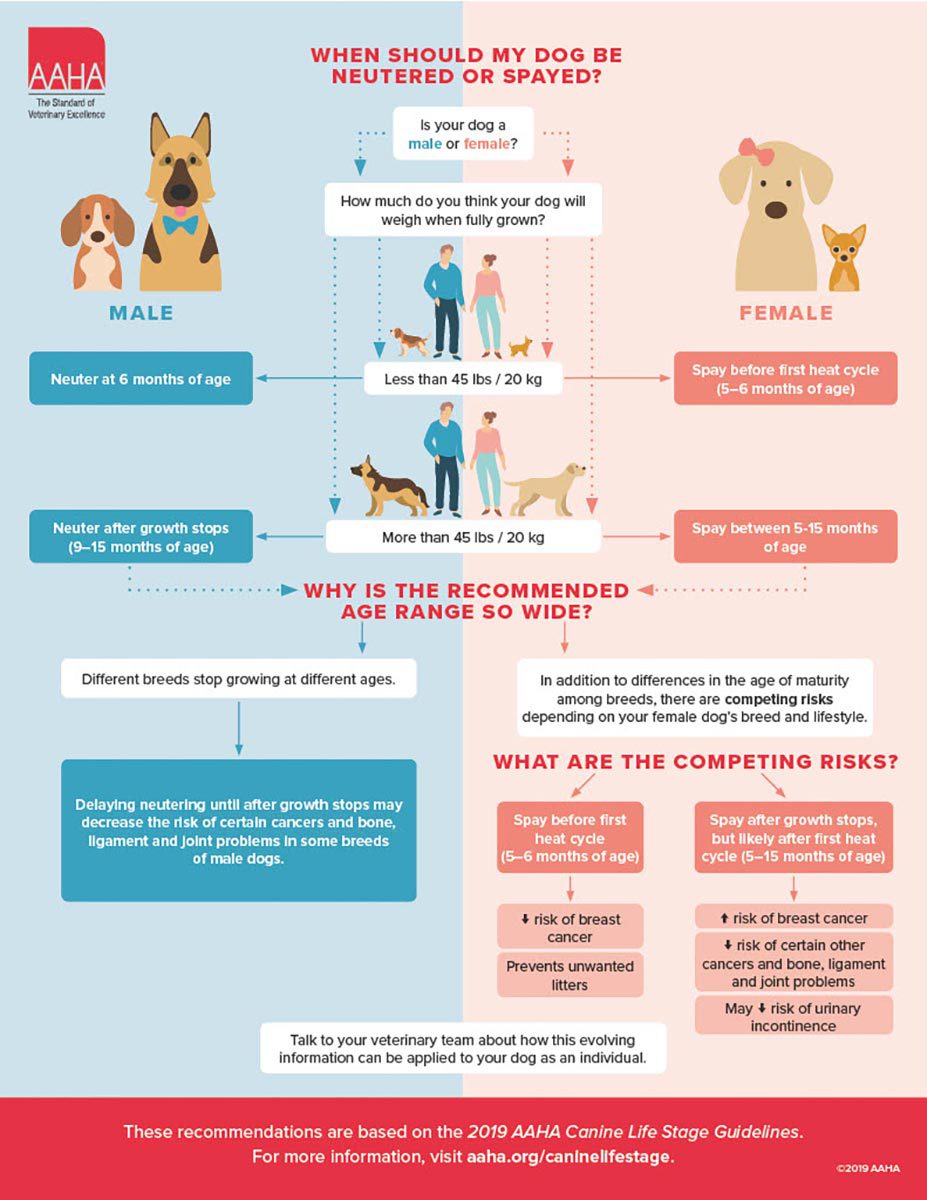
Image Source: southeastoakvillevet.ca
Navigating the Estrus Cycle: Key Phases of a Dog’s Heat
To know the best time for spaying, we must first look at a dog’s heat cycle. This cycle is also called the estrus cycle. It has four main parts. Each part brings changes in her body and hormones. Knowing these parts helps you pick the safest time for her surgery.
The Proestrus Stage: Early Signals
This is the very first part of the heat cycle. It usually lasts about 9 days, but it can be shorter or longer. During proestrus, your dog’s body gets ready for mating.
- Physical Changes: You might see some clear or bloody discharge from her vulva. Her vulva will also swell up. This is a clear sign that her heat is starting.
- Behavior Changes: She might become more restless. Male dogs will be drawn to her, but she will not let them mate with her yet. She may snap at them or sit down to stop them.
- Hormone Levels: Estrogen levels start to go up during this time. This hormone prepares her body for the next stage.
Spaying during proestrus is not recommended. Her body is full of hormones, and her blood vessels are getting ready for pregnancy. This makes surgery harder and riskier.
The Estrus Stage: Peak Fertility
This is the mating stage. It lasts about 9 days too, but it varies. During estrus, your dog is ready to mate. This is when she can get pregnant.
- Physical Changes: The discharge may become lighter in color, or even stop. Her vulva will still be swollen.
- Behavior Changes: She will be open to male dogs. She might flag her tail to the side when a male dog approaches. This shows she is ready to mate.
- Hormone Levels: Estrogen levels usually drop a bit, and progesterone levels start to rise. This shift signals that her body is ready for pregnancy.
Spaying during estrus is very risky. Her uterus and blood vessels are even more swollen. This leads to a high chance of bleeding during surgery. The tissue is also very delicate.
The Diestrus Stage: Post-Fertility Period
This stage comes right after estrus. It lasts for about 60 to 90 days. During diestrus, your dog’s body thinks she is pregnant, even if she is not. This is a very important stage for spay timing.
- Physical Changes: Her vulva will slowly go back to its normal size. The discharge, if any, will stop.
- Behavior Changes: She will no longer be open to male dogs. She will go back to her usual behavior.
- Hormone Levels: Progesterone levels stay high. This hormone supports a possible pregnancy. If she is not pregnant, her body still acts as if she is. High progesterone levels can lead to a condition called false pregnancy.
This diestrus stage is generally when vets advise waiting. The high progesterone levels make surgery more complex. Blood flow to the uterus is still high. The uterus is also larger than normal. This raises the risk of bleeding. This is often the period when people ask, “How long to wait after dog heat to spay?” The waiting period starts here.
The Anestrus Stage: Resting Phase
This is the resting stage. It is the time between heat cycles. It lasts about 4 to 5 months. During anestrus, your dog’s body is calm. Her hormones are at their normal, low levels.
- Physical Changes: Her body is completely back to normal. No swelling, no discharge.
- Behavior Changes: She acts like her normal self. No signs of being in heat.
- Hormone Levels: All reproductive hormones are at their lowest levels.
This anestrus stage is the ideal waiting period for spay after heat. Her body is in a calm state. The blood vessels in her uterus are small. The uterine tissue is firm. This makes the surgery much safer and easier for the vet. This is why vets often suggest waiting 2 to 3 months after her heat ends. This allows her body to reach this safe, calm state. It aligns with the best time to spay female dog post heat.
By understanding these stages, you can see why waiting is crucial. It is not just about avoiding immediate risks. It is about picking the safest time for your dog’s long-term health.
Why Timing Matters: The Science Behind Spaying After Heat
Spaying a dog is a common surgery. It involves removing her ovaries and uterus. While it sounds simple, the timing of this surgery is very important. Spaying dog after estrus cycle needs careful thought. This is because of changes in your dog’s body during and after her heat.
Hormonal Shifts and Their Impact
During heat, your dog’s body is a hub of hormonal activity. Estrogen and progesterone levels swing up and down. These hormones do more than just control her readiness to mate. They also affect her body in other ways.
- Increased Blood Flow: Hormones like estrogen cause more blood to flow to the reproductive organs. This means the uterus and ovaries get more blood. This extra blood flow is needed if she gets pregnant.
- Tissue Changes: These hormones also make the tissues of her reproductive organs softer and more fragile. This makes them easier to tear or bruise.
- Overall Body Effects: Hormones can also affect her blood clotting ability. They can make her more prone to bleeding or slower to clot.
If you spay a dog when her hormones are still high, the surgery becomes much riskier. It is like trying to work on a garden hose when the water is turned on full blast. It is much harder and messier.
Blood Vessel Enlargement: A Surgical Concern
During and right after heat, the blood vessels around the uterus and ovaries grow bigger. This is a natural part of her body preparing for pregnancy. When the uterus size spay after heat is a concern, it is because of these larger blood vessels.
- More Bleeding: Bigger blood vessels mean more blood. When a vet cuts these vessels during surgery, there is a higher chance of a lot of bleeding. This bleeding can make the surgery hard to see. It can also make the surgery take longer. In severe cases, it can be very dangerous for the dog.
- Harder to Tie Off: Large, engorged blood vessels are harder for the vet to tie off safely. If a tie comes loose, it can cause severe internal bleeding after surgery.
- Increased Anesthesia Risk: The more blood a dog loses, the higher the risk under anesthesia. Her blood pressure can drop. She might need a blood transfusion. These things make the surgery more complex and dangerous.
Waiting for 2 to 3 months allows these blood vessels to shrink back to their normal size. This makes the surgery cleaner, faster, and much safer.
Tissue Fragility: Risks to Consider
As mentioned, the tissues in the reproductive tract become softer and more delicate during heat. This fragility lasts for some time after the heat ends.
- Tearing Risk: Soft tissues are easier to tear. The vet has to handle these organs carefully during surgery. If they tear, it can lead to more bleeding and a longer recovery.
- Surgical Difficulty: The soft, swollen tissues can make it harder for the vet to see clearly and perform the surgery. The normal landmarks might be harder to find. This adds to the difficulty of the procedure.
- Increased Inflammation: Fragile tissues might also lead to more swelling and inflammation after surgery. This can cause more pain and slow down healing.
- Post-Operative Complications: The risk of internal bleeding or infection can be higher if the tissues are very fragile. Post-heat spay complications dog can be a serious concern if the surgery is done too soon.
By waiting, the tissues firm up and return to their normal state. This makes the surgery easier and safer for both the dog and the vet. It lowers the chance of complications. This is why the ideal waiting period for spay after heat is so vital. It sets your dog up for the best possible outcome.
The Ideal Waiting Period for Spay After Heat: Expert Recommendations
The best time to spay female dog post heat is a question many dog owners have. Experts agree on a general waiting period. This period lets your dog’s body fully recover from the heat cycle. It also lowers the risks linked to the surgery.
General Guidelines: What Vets Advise
Most vets recommend waiting about 2 to 3 months after a dog’s heat cycle ends before spaying her. This time frame is not set in stone, but it is a widely accepted guideline.
- Why 2-3 Months? This period allows hormones to go back to normal. The uterus and blood vessels shrink back to their regular size. The tissues become firm again. All these changes make the surgery much safer and easier. It is the optimal spay timing after heat.
- Checking for Readiness: Your vet will examine your dog. They will check her vulva for swelling. They will also feel her belly to see if her uterus feels normal. These checks help confirm she is ready for surgery.
- “Between Heats” Spay: The goal is to spay your dog when she is in the anestrus stage. This is the calm period between heats. At this time, her body is not under the influence of strong reproductive hormones.
Here is a simple table to show the general timeline:
| Heat Stage | Time in Cycle | Ideal for Spay? | Reason |
|---|---|---|---|
| Proestrus | Day 1-9 (approx.) | No | High hormones, swelling, risky |
| Estrus | Day 9-18 (approx.) | No | Peak fertility, very swollen, very risky |
| Diestrus | Day 18-70 (approx.) | No (wait) | High progesterone, uterus still large |
| Anestrus | 2-3 months after heat ends | Yes | Hormones normal, uterus small, safe |
So, if your dog’s heat ends today, you should mark your calendar for about 8 to 12 weeks from now. This is when her body will be ready. This is the answer to “How long to wait after dog heat to spay?” for most cases.
Factors Influencing the Wait Time
While 2-3 months is a good rule, some things might change the wait time. Your vet will look at your dog’s specific situation.
Dog’s Age
Younger dogs, especially those going through their first heat, might recover faster. Older dogs might need a bit more time. Their bodies might take longer for hormones to settle.
Overall Health
A dog in excellent health might be ready sooner. If your dog has other health issues, your vet might want to wait longer. This gives her body more time to be strong enough for surgery.
Number of Heats Experienced
A dog spay after first heat cycle might have a different timeline than a dog who has had many heats.
- First Heat: For many vets, waiting until after the first heat is common practice. This allows the dog to grow a bit more. Some vets even say it can help with bone development. After her first heat, the 2-3 month rule usually applies.
- Multiple Heats: Dogs who have had several heats may have a uterus that is a bit more robust. However, the same rules about hormone levels and blood vessel size apply. The waiting period is still important to lower risks.
- Avoiding Future Heats: If you want to avoid future heats entirely, spaying before the first heat is an option. However, this is a topic of debate. Some research links early spay to higher risks of certain cancers or joint problems in large breeds. Always talk to your vet about the best choice for your dog.
Each dog is different. Your vet is the best person to decide the optimal spay timing after heat for your pet. They will look at her age, health, and how she went through her heat cycle. They can give you the best advice for your specific dog.
Risks and Rewards: Spaying a Dog Recently in Heat
Deciding when to spay your dog after her heat involves weighing the risks of spaying too soon against the benefits of waiting. Spaying dog after estrus cycle when her body is not ready can lead to serious problems.
Potential Complications of Early Spay After Heat
Spaying a dog too soon after her heat cycle ends can bring more risks during and after the surgery. These risks are why vets advise waiting.
Increased Bleeding
This is the biggest concern. As discussed, hormones during and after heat make blood vessels larger. The uterus itself is swollen with blood.
- During Surgery: If the vet cuts into these swollen vessels, bleeding can be heavy. This makes it hard for the vet to see clearly. It also makes the surgery longer and more difficult. A lot of blood loss can be very dangerous. It might even need a blood transfusion.
- After Surgery: Even if the bleeding is controlled during surgery, there is a higher chance of internal bleeding after she goes home. This is a very serious emergency. It means blood is pooling inside her body.
Surgical Difficulty
A uterus that has just been through a heat cycle is often larger, softer, and more fragile.
- Harder to Handle: The delicate tissues can tear easily. This makes the surgery more challenging for the vet.
- Poor Visibility: Extra blood and swollen tissues make it hard to see the tiny structures the vet needs to work with. This raises the chance of accidental injury to other organs.
- Longer Surgery Time: Difficult surgery means it takes longer. The longer a dog is under anesthesia, the higher the risks related to the anesthesia itself.
Prolonged Recovery
If the surgery is harder and there is more bleeding, your dog’s recovery might take longer.
- More Pain: She might feel more pain due to more tissue handling and swelling.
- Slower Healing: Her body will need more time to heal from the stress of a complex surgery.
- Higher Chance of Infection: A longer recovery period and more tissue trauma can slightly raise the risk of infection at the surgical site.
Impact on Mammary Gland Health
While not a direct surgical complication, spaying too soon after heat, or not at all, can affect mammary glands.
- False Pregnancy: Some dogs experience a false pregnancy (pseudopregnancy) after heat. This is when their body acts pregnant even if they are not. Spaying during this time can be tricky. It can sometimes make the false pregnancy symptoms worse, or they might last longer.
- Mammary Tumors: The main health benefit of spaying is lowering the risk of mammary (breast) tumors. The earlier a dog is spayed in her life (before her first or second heat), the greater the protection. Spaying after multiple heats still helps, but the benefit is less. So, while you wait for her body to be ready after one heat, you are still gaining a lot of health benefit compared to not spaying at all.
These are the main post-heat spay complications dog owners should be aware of. They highlight why waiting is the safest choice.
Benefits of Waiting for the Right Time
Waiting the recommended 2 to 3 months after her heat cycle for spaying offers many benefits. It makes the procedure safer and smoother for everyone. This period ensures optimal spay timing after heat.
Reduced Surgical Risk
This is the biggest benefit. When her body is calm and hormones are normal:
- Less Bleeding: Blood vessels are smaller, and the uterus is not engorged. This means much less blood loss during surgery. This makes it safer for your dog.
- Clearer Surgical Field: The vet has a much clearer view of the organs. This helps them work more precisely and lowers the chance of errors.
- Lower Anesthesia Risk: Less blood loss means her body is more stable during the procedure. This reduces the risks linked to anesthesia.
Easier Surgery
A calm, non-hormonal uterus is easier for the vet to work with.
- Firmer Tissues: Tissues are not soft and fragile. They are easier to handle without tearing.
- Faster Procedure: Because it is easier and there is less bleeding, the surgery often takes less time. This means less time under anesthesia for your dog.
Faster Recovery
When the surgery goes smoothly, your dog’s recovery is usually quicker and more comfortable.
- Less Pain: Less trauma to the tissues means less pain after the surgery.
- Quicker Healing: Her body can focus on healing the surgical site, rather than recovering from excess blood loss or major tissue damage.
- Lower Complication Rate: The chance of post-surgery issues like internal bleeding or infection goes way down.
Better Long-Term Health Outcomes
While the main benefit of spaying (preventing unwanted pregnancies, mammary tumors, and pyometra) is achieved regardless of the timing, waiting for the ideal period ensures her overall health during the process. It sets her up for a strong recovery and avoids extra stress on her body. It truly is the best time to spay female dog post heat.
By choosing to wait, you are not delaying necessary care. You are making a smart choice that puts your dog’s safety and comfort first.
When Immediate Spay Might Be Considered (and the Risks Involved)
While waiting 2 to 3 months is best, there are rare cases where a vet might need to spay a dog sooner, even shortly after heat. This usually happens in emergency situations. In these cases, the risks of waiting are higher than the risks of immediate surgery.
Emergency Situations (e.g., Pyometra)
The most common emergency that might lead to a spay shortly after heat is pyometra.
- What is Pyometra? Pyometra is a severe infection of the uterus. It often happens a few weeks to a few months after a dog’s heat cycle ends. During diestrus, progesterone levels stay high. This hormone makes the lining of the uterus grow thicker. It also suppresses the immune system in the uterus. This creates a perfect environment for bacteria to grow, leading to a pus-filled uterus.
- Symptoms: Signs of pyometra include:
- Drinking a lot of water and peeing a lot
- Vomiting
- Lethargy (being very tired)
- Loss of appetite
- Swollen belly
- Discharge from the vulva (in “open” pyometra)
- No discharge (in “closed” pyometra, which is more dangerous as pus cannot drain)
- Life-Threatening: Pyometra is a very serious, life-threatening condition. If not treated quickly, the uterus can rupture, spreading infection throughout the body. This can lead to septic shock and death.
- Emergency Spay: The best treatment for pyometra is usually an emergency spay. This surgery removes the infected uterus. This is done even if the dog is still under the influence of heat hormones or has a large uterus. The risk of death from pyometra is much higher than the risk of surgery at this time.
In such a case, the question “Can a dog be spayed shortly after heat?” gets a different answer. Yes, but only because it’s a matter of life or death. The risks of waiting are too high.
Weighing the Urgent Need Against Surgical Risks
When a vet decides to spay a dog with pyometra or another urgent issue, they know the risks are higher.
- Increased Risk of Complications: The uterus will be very large, inflamed, and full of pus. The blood vessels will be swollen. This makes the surgery very difficult. There is a much higher chance of bleeding, uterine rupture, and other complications.
- Intensive Care: Dogs undergoing emergency spay for pyometra often need more intensive care before, during, and after surgery. This might include IV fluids, antibiotics, and close monitoring.
- Prognosis: While emergency spay is often successful, the overall outlook depends on how quickly the pyometra was caught and how ill the dog was.
So, while “Can a dog be spayed shortly after heat?” is usually answered with a “No, wait,” it becomes a “Yes, if her life depends on it.” This highlights the importance of regular vet checks and knowing the signs of pyometra. If you see any signs of illness after your dog’s heat, get her to the vet right away.
Practical Steps: Preparing Your Dog for Spay Surgery
Once your vet says your dog is ready for her spay surgery, there are steps you can take to prepare. This will help ensure a smooth process and a good recovery.
Pre-Surgical Consultations
Before the surgery, your vet will have a talk with you. This is a very important step.
- Review Health History: Your vet will ask about your dog’s past health, any medicines she takes, and any signs of illness.
- Physical Exam: They will give your dog a full physical check-up. They will check her heart, lungs, and overall body condition. They will also confirm her vulva is no longer swollen, and her uterus seems normal.
- Discuss Risks: Your vet will explain the surgery itself. They will talk about the risks and benefits. They will also discuss the general anesthesia.
- Ask Questions: This is your chance to ask anything you are unsure about. Do not be afraid to ask. You should feel comfortable with the plan.
Diagnostic Tests
Most vets will recommend some tests before surgery. These tests help make sure your dog is healthy enough for anesthesia and surgery.
- Blood Work: A blood test is common. It checks her red and white blood cell counts. It also checks how well her organs like the liver and kidneys are working. This helps the vet pick the safest anesthesia drugs for her. It also shows if she has any hidden issues that need to be fixed before surgery.
- Other Tests: For older dogs, or those with known health issues, your vet might suggest other tests. This could include a heart check (ECG) or urine tests.
These tests are a way to be extra safe. They help lower the risk of complications during the surgery.
Post-Surgery Care
Your role does not end when your dog comes home from surgery. Good care after surgery is very important for a fast and full recovery.
- Pain Management: Your vet will give you pain medicine for your dog. Make sure you give it exactly as told. Pain control helps her heal better and feel more comfortable.
- Restricted Activity: Your dog will need to stay calm. No running, jumping, or rough play for 10-14 days. Too much activity can break her stitches or cause swelling. Leash walks only for bathroom breaks.
- Monitor Incision Site: Check the surgical cut every day. Look for:
- Redness: A little is normal, a lot is not.
- Swelling: A little is normal, a lot is not.
- Discharge: Any pus or bad smell is not normal.
- Openings: Make sure the stitches are holding the skin together.
- Missing Stitches: If your dog has external stitches, check if any are missing.
- Prevent Licking: Your dog must not lick or chew her incision. This is very important. Licking can cause infection or make the stitches open up. Use an Elizabethan collar (e-collar or “cone of shame”) if needed. Most dogs hate it at first, but it is vital.
- Feeding and Water: Offer small amounts of food and water when she first comes home. She might feel a bit sick from the anesthesia. Gradually go back to her normal diet.
- Follow-Up: Your vet will set up a follow-up visit. This is usually about 10-14 days after surgery. They will check the incision and remove stitches if she has them.
By following these steps, you give your dog the best chance for a smooth surgery and a quick, healthy recovery.
Debunking Myths: Common Misconceptions About Spaying After Heat
There are many myths about spaying dogs, especially about spaying after heat. Let’s clear up some common false beliefs.
- Myth 1: “It’s better to spay a dog right after heat to get it over with.”
- Fact: As we have talked about, this is not true. Spaying too soon after heat is riskier. The uterus is swollen, and blood vessels are larger. This leads to more bleeding and a harder surgery. Waiting 2-3 months is much safer.
- Myth 2: “A dog needs to have one litter before being spayed.”
- Fact: This is a very common myth. There is no health benefit for a dog to have a litter before being spayed. In fact, studies show that spaying before the first heat (or after the first heat but before later ones) greatly lowers the risk of mammary tumors. Having a litter does not offer any health advantages. It only adds to the pet overpopulation problem.
- Myth 3: “Spaying after heat will definitely cause weight gain.”
- Fact: Spaying can change a dog’s metabolism slightly. This means they might need slightly fewer calories. However, weight gain is mostly due to overfeeding and not enough exercise. If you adjust her food intake and keep her active after spaying, she is unlikely to gain too much weight. It is not a direct result of spaying after heat.
- Myth 4: “Spaying an older dog after many heats is too dangerous.”
- Fact: While any surgery has risks, healthy older dogs can be spayed safely. The risks might be a bit higher than for a young dog, but the benefits (preventing pyometra, mammary tumors, unwanted pregnancies) usually outweigh the risks. Your vet will do extra tests to make sure she is a good candidate for surgery.
- Myth 5: “Spaying after heat makes a dog’s personality change for the worse.”
- Fact: Spaying mostly stops hormone-driven behaviors like heat cycles, roaming to find mates, and marking. It can sometimes reduce aggression related to hormones. It does not change a dog’s basic personality. A sweet dog will stay sweet. A playful dog will stay playful. Your dog will still be herself, just without the heat cycles.
Knowing the facts helps you make the best choice for your dog. Always trust your vet’s advice over old wives’ tales.
Conclusion
Deciding when to spay your dog after her heat cycle is an important decision. While it is technically possible to spay a dog shortly after heat, expert advice strongly recommends waiting. The ideal waiting period for spay after heat is typically 2 to 3 months. This allows her body to return to a normal, calm state. Her hormones will be balanced, her uterus will shrink, and her blood vessels will be less swollen. This makes the surgery much safer and easier for your dog and your vet.
Spaying a dog recently in heat carries higher risks, like increased bleeding and surgical difficulty. Waiting helps avoid these post-heat spay complications dog owners should be aware of. The optimal spay timing after heat ensures a smoother procedure, faster recovery, and better overall health outcomes for your beloved pet.
Always talk to your vet. They can look at your dog’s unique situation. They will consider her age, health, and how she went through her heat cycle. They can give you the best advice on how long to wait after dog heat to spay for your specific dog. Choosing the right time for spaying is a kind and responsible choice that helps your dog live a longer, healthier life.
Frequently Asked Questions (FAQ)
Q1: How long after a dog’s heat cycle should she be spayed?
Most vets suggest waiting 2 to 3 months after her heat ends. This allows her hormones and reproductive organs to return to their normal, non-swollen state. This makes the surgery safer and easier.
Q2: What happens if a dog is spayed too soon after her heat?
Spaying too soon after heat can lead to more complications. These include increased bleeding during surgery, a harder surgery for the vet, and a longer recovery time for your dog. The uterus and blood vessels are often enlarged and fragile.
Q3: Can a dog get pregnant right after her heat cycle ends?
It is very unlikely. A dog is most fertile during the estrus stage of her heat. Once her heat ends, her body is no longer receptive to mating. However, it’s always best to keep her away from intact male dogs until she is spayed to avoid any accidental pregnancies.
Q4: Does spaying after heat affect a dog’s personality?
No, spaying does not change a dog’s core personality. It stops hormone-driven behaviors like heat cycles, roaming, and marking. Your dog will remain her same self, just without the reproductive cycles.
Q5: Is it better to spay a dog before or after her first heat?
There are different views on this. Spaying before the first heat offers the greatest protection against mammary tumors. However, some vets suggest waiting until after the first heat for bone development in some larger breeds. Discuss this with your vet to decide what is best for your specific dog.
Q6: What are the signs that my dog’s heat has ended?
Signs that your dog’s heat has ended include no more bloody or clear discharge, her vulva returning to its normal size, and her no longer being receptive to male dogs. She will go back to her usual behavior.