
Shed hunting is looking for antlers that deer or elk drop each year. Can your dog help you find them? Yes, dogs can be great shed hunters. They use their strong sense of smell to find hidden antlers. Training your dog for this fun activity is called shed antler dog training. It builds a strong bond between you and your dog. It also gives your dog a job they love.
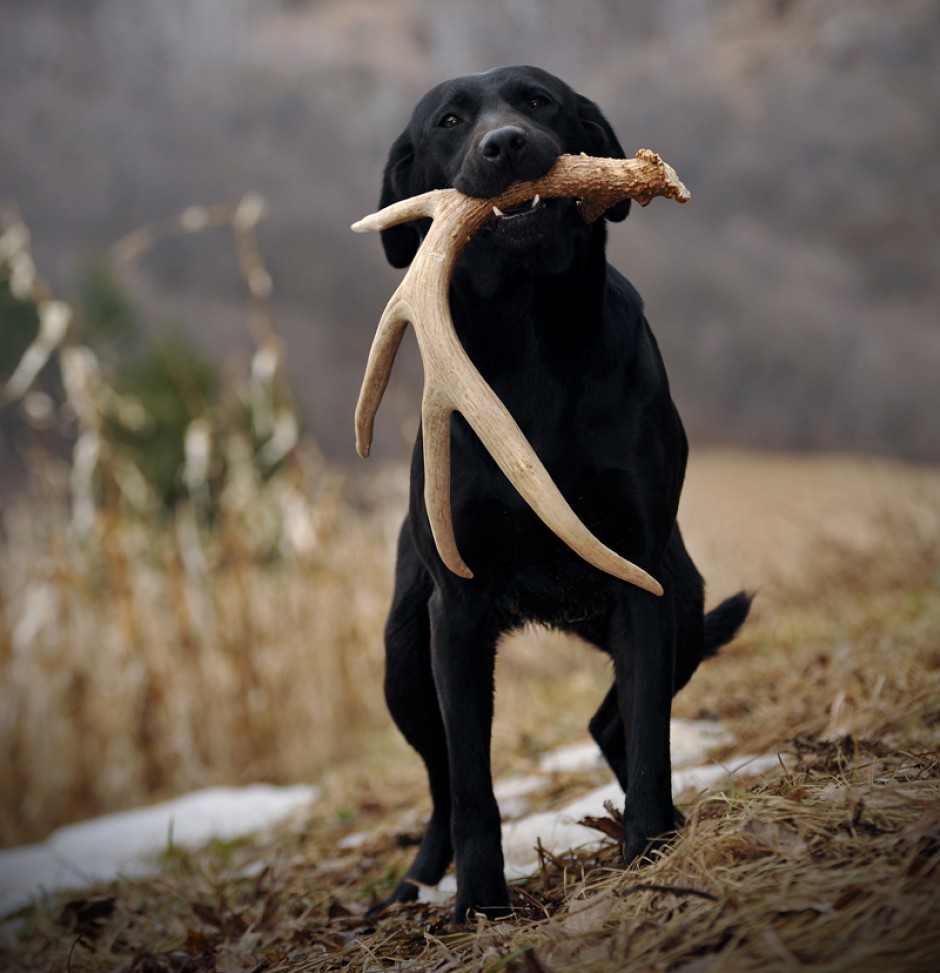
Image Source: dogbonehunter.com
Why Train Your Dog for Shed Hunting?
Dogs have amazing noses. They can smell things humans cannot. This makes them perfect partners for finding antlers. Antlers can be hard to spot in the woods. They blend in with leaves and branches. A dog’s nose can cut through the clutter. This means you find more antlers.
Having a shed dog offers many benefits. It gives your dog a fun outdoor activity. It helps them get exercise. It also builds their mind. A well-trained shed dog is a joy to watch. They work hard and love their job. This training helps your bond grow stronger. You learn to work as a team.
Dogs also cover ground faster than humans. They can go through thick brush easily. This saves you time and effort. It also helps you find antlers in places you might miss. Shed hunting with a dog is a rewarding hobby. It gets you outside. It lets your dog do what dogs do best.
Picking the Right Partner
Choosing the right dog breed is important. Some dogs are naturally better at shed hunting. They have traits that help them learn fast. These traits include a good nose, a strong desire to fetch, and a love for pleasing their owner.
Best Dog Breeds for Shed Hunting
Many breeds can be good shed hunters. Some stand out because of their natural skills. Here are some top picks:
| Breed | Key Traits for Shed Hunting | Considerations |
|---|---|---|
| Labrador Retriever | Strong retrieve drive, excellent nose, eager to please | Needs lots of exercise, prone to joint issues if not cared for |
| Golden Retriever | Good nose, gentle retrieve, eager to please, trainable | Can be sensitive, needs consistent positive training |
| German Shorthaired Pointer | High energy, great nose, strong desire to hunt, trainable | Needs lots of exercise, strong prey drive |
| Chesapeake Bay Retriever | Tough, strong retrieve drive, good in water, good nose | Can be stubborn, needs firm but fair training |
| Boykin Spaniel | Smaller size, good nose, eager to please, strong retriever | Needs regular grooming, can be vocal |
| Standard Poodle | Very smart, trainable, good nose, less shedding | Needs regular grooming, some are more sensitive |
It’s not just about breed. A dog’s individual personality matters too. Look for a puppy or dog that is:
* Curious and loves to explore.
* Interested in playing fetch.
* Not easily scared by new things.
* Eager to engage with you.
Even mixed breeds can make great shed dogs. Many rescue dogs have traits perfect for this work. Spend time with a dog before choosing. Watch how they play. See if they show interest in toys. A love for toys often means a love for retrieving.
Getting Started: Puppy Shed Hunting Training
You can start training your dog young. Puppy shed hunting training begins with fun games. This builds a strong desire to play and fetch. Early positive experiences are key.
Early Steps for Young Pups
Start training with your puppy around 8-12 weeks old. Keep it fun and short.
1. Play Fetch Often: Make fetching a favorite game. Use soft toys at first. Praise your puppy a lot when they bring the toy back. This builds a strong retrieve drive.
2. Introduce Antler Scent Early: Let your puppy smell real antlers. Do not let them chew on them. You just want them to get used to the smell. A small piece of a real antler is best.
3. The “Antler Game”: Take a small, light antler. Hold it out for your puppy to see. Toss it a very short distance. Make it easy for them to find. When they pick it up, praise them. Offer a treat. If they bring it back, even better!
4. Positive Reinforcement: Always make training a happy time. Use happy words. Give tasty treats. Never scold your puppy for not finding an antler. This can make them dislike the game.
The goal at this stage is to build excitement. You want your puppy to think antlers are the best things ever. Make finding antlers a super fun game.
Core Training Elements
Once your dog loves fetching, you can add more structure. This is where real shed antler dog training begins. It focuses on scent, retrieve, and control.
Scent Training for Shed Dogs
Scent work is the heart of shed hunting. Your dog must learn to find the specific smell of deer antlers. This is crucial for success.
Building the Scent Foundation
Start scent training in a quiet place. This helps your dog focus.
1. Scent Introduction: Get a real antler. Rub it on an old towel. Now, that towel has the antler smell. Play with your dog using this towel. Toss it. Let them sniff it. Praise them when they show interest.
2. The “Towel Game”:
* Put the antler-scented towel on the ground. Let your dog find it. Praise them.
* Hide the towel slightly under a blanket. Let them sniff it out.
* Gradually make hides harder. Put the towel behind a chair. Or in another room.
* Always praise the find. Reward them heavily.
3. Antler Hides: Once your dog likes the towel, switch to a small antler.
* Show your dog the antler.
* Hide it where they can see you hide it.
* Tell them to “find the antler” or “shed.” Use a clear command.
* When they find it, make a big fuss. Give treats. Play.
* Slowly hide the antler out of sight. Start easy. Hide it behind a tree. Or in tall grass.
4. Deer Antler Scent Work for Dogs: You can also use antler scent sprays or oils. Put a tiny bit on a dummy or a small piece of wood. This helps build the scent association. Always use real antler first if you can. The natural scent is best. Be careful with synthetic scents. They can sometimes smell too strong or fake.
5. Wind Awareness: Teach your dog to work with the wind. Start by walking your dog upwind from a hidden antler. The scent will blow towards them. Dogs naturally use wind to find smells. Help them learn how to use it for antlers.
Consistency is key here. Practice scent games every day. Keep sessions short and fun. Build up the challenge slowly.
Dog Retrieve Training for Sheds
A good shed dog not only finds the antler but also brings it back to you. This is where dog retrieve training for sheds comes in.
Mastering the Fetch
Your dog needs a reliable retrieve. This means they pick up the antler. They bring it directly to you. They then release it into your hand.
1. Yard Drills:
* Start in a small, fenced area.
* Toss a small antler a short distance.
* As your dog picks it up, say “Bring it!” or “Fetch!”
* Encourage them to come back to you. Call their name.
* When they reach you, say “Give!” or “Drop!”
* If they don’t drop it, gently take it. Praise them. Offer a high-value treat.
* Never chase your dog for the antler. This turns it into a game of keep-away.
2. Holding the Antler: Some dogs struggle to hold the antler. They might chew it or drop it.
* Give them the antler. Hold your hand under their chin.
* Say “Hold!”
* Praise them for holding even for a second.
* Slowly increase the time they must hold it.
* If they drop it, gently put it back. Say “Hold!”
* End on a good note. Always make them want to hold it.
3. Proofing the Retrieve: Practice in different places. Use different types of antlers. Make sure your dog retrieves reliably every time. Add mild distractions as they get better.
The ‘Force Fetch’ Method (Optional but Recommended)
Some trainers use a method called “force fetch.” This teaches a dog to pick up and retrieve any object on command. It makes the retrieve very reliable. It ensures your dog will bring the antler back every single time. It is not about harshness. It’s about clear communication.
Grasping Force Fetch Basics
Force fetch uses gentle pressure to teach the dog what to do. The goal is to make the dog realize that picking up the object stops the pressure. This creates a highly dependable retrieve.
1. Ear Pinch: Start in a quiet place. Have your dog sit beside you.
* Give the “Fetch!” command.
* If your dog does not open their mouth, gently pinch their ear.
* The moment they open their mouth, stop the pinch.
* Put a soft object (like a dowel or piece of hose) into their mouth.
* Release the pinch immediately. Praise them.
* Repeat until they open their mouth on command.
2. Toe Pinch: Once they open their mouth, add the toe pinch.
* Give “Fetch!”
* Pinch their ear. If they don’t open their mouth, pinch a toe too.
* The moment they open their mouth, put the object in. Release all pressure.
* This teaches them to pick up the object to stop the pressure.
3. Walking Fetch: Once your dog picks up the object readily, teach them to hold it.
* Give “Fetch!” and put the object in their mouth.
* Say “Hold!”
* Gently walk them a few steps while they hold it.
* Praise them. Take the object with “Give!”
4. Bringing to Hand: Finally, teach them to come to you and give the object.
* Place the object a short distance away.
* Give “Fetch!”
* If they pick it up, call them to you.
* When they come, say “Give!”
* This method makes your dog a retrieve machine. It ensures they will pick up anything. They will bring it to you.
* This method should be done with patience and care. Seek help from an experienced trainer if unsure. It is about building a strong, clear command, not fear.
Moving Outdoors
Once your dog is good in controlled settings, it’s time to go outside. This is where off-leash shed dog training becomes important.
Off-Leash Shed Dog Training
Hunting antlers requires your dog to work far from you. They need to explore independently. But they also need to stay safe and listen to you.
Building Freedom and Control
- Start in a Safe, Fenced Area: Begin off-leash work in a large, secure space. A fenced park or private land works best.
- Hide antlers or antler-scented dummies.
- Let your dog search. Use your “Find the antler!” command.
- Praise them when they find one. Reward them for bringing it back.
- Practice your recall command (“Come!”) often. Make coming back to you the best thing ever. Use treats and toys.
- Gradual Progression: Slowly move to less controlled areas.
- Start with a long leash (20-30 feet). Let your dog range farther.
- Practice in woods or fields with few distractions.
- Increase the distance of your antler hides.
- Always carry high-value treats. Reward good work.
- Proofing Recall: A strong recall is vital. Your dog must come when called, no matter what.
- Practice “Come!” in many places. Add small distractions.
- Make coming to you a fun game. Run away from your dog. When they follow, praise them.
- Never call your dog to scold them. They will learn to avoid the command.
- Working with Distractions: Dogs need to focus on antlers, not deer or squirrels.
- Practice in areas where you might see wildlife.
- If your dog gets distracted, call them back. Redirect their focus to the antler game.
- “Leave it!” or “No!” commands are useful here.
Advanced Training and Problem Solving
As your dog improves, you can fine-tune their skills. You can also prepare them for real shed hunting conditions.
Preparing a Dog for Shed Season
Shed season is usually late winter to early spring. Deer drop antlers after the rut. Getting your dog ready means both skill and fitness.
Final Touches Before the Hunt
- Simulated Hunts: Practice mock hunts.
- Go to areas similar to where you’ll hunt.
- Hide several antlers over a large area.
- Let your dog work the area for a set time.
- This builds their stamina and searching pattern.
- Varied Terrain: Practice in different types of terrain.
- Dense woods, open fields, rocky areas, muddy spots.
- This prepares your dog for real-world conditions.
- It also strengthens their muscles and paws.
- Physical Conditioning: Your dog needs to be fit.
- Go for regular walks and runs.
- Build up their endurance gradually.
- Check their paws often. Trim nails.
- A tired dog might lose focus. A fit dog can search longer.
- Weather Preparedness: Train in different weather.
- Cold weather, light rain, wind.
- Make sure your dog is comfortable and safe.
- Protect their paws from ice or sharp objects.
- Consider a dog coat if it’s very cold.
Troubleshooting Shed Dog Training
Even the best dogs have off days. You might run into problems during training. Knowing how to fix them helps.
Fixing Common Issues
Here are some common problems and solutions:
- Lack of Interest in Antlers:
- Problem: Dog prefers toys over antlers. Or ignores antlers completely.
- Fix: Make antlers special. Only use antlers for specific, high-reward games. Don’t let your dog chew on them as everyday toys. Make finding antlers the best thing ever. Use super high-value treats only for antler finds. Go back to basics: the towel game, easy hides.
- Distraction in the Field:
- Problem: Dog chases deer, squirrels, or other smells instead of searching for antlers.
- Fix: Work on “Leave it!” and “Come!” commands heavily. Practice in low-distraction areas first. Gradually add more distractions. If your dog gets distracted, call them back. Redirect their focus to the antler game. Make antler finding more rewarding than chasing.
- Not Retrieving the Antler:
- Problem: Dog finds the antler but does not pick it up. Or picks it up but drops it far from you.
- Fix: Go back to retrieve training. Practice in a small, fenced area. Make sure your dog understands “Fetch!” and “Give!” Consider force fetch training for a reliable retrieve. Never chase your dog. Lure them back to you with treats.
- False Positives (Bringing Other Things):
- Problem: Dog brings back sticks, rocks, or bones instead of antlers.
- Fix: This means your dog does not fully understand the antler scent. Go back to deer antler scent work for dogs. Make the antler scent very clear. When they bring a wrong item, say “No,” and show them a real antler. Praise only for antler finds. If they bring an antler, praise like crazy!
- Lack of Focus or Endurance:
- Problem: Dog loses interest quickly or gets tired fast.
- Fix: Keep training sessions short and fun. Build endurance slowly with more exercise. Make sure your dog is physically fit. If they get tired, end the session. Never push them too hard.
Always be patient. Dogs learn at different speeds. Keep training positive and fun.
Safety and Ethics
Shed hunting is a great outdoor activity. But safety for your dog and respect for wildlife are very important.
- Dog Safety:
- Always carry water for your dog. They need to stay hydrated.
- Check their paws often for cuts or thorns.
- Use a brightly colored vest for your dog. This helps you spot them. It also makes them visible to others.
- Know the plants in your area. Avoid harmful ones.
- Be aware of hunting seasons. Dress in bright colors if hunters are in the area.
- Never leave your dog alone in the woods.
- Wildlife Respect:
- Stay on marked trails when possible.
- Do not disturb deer or other animals. Keep your dog leashed if wildlife is present.
- Respect private property. Get permission before hunting on private land.
- Leave no trace. Pack out everything you pack in.
Conclusion
Teaching your dog to shed hunt is a rewarding journey. It takes time, patience, and consistent effort. You’ll build a stronger bond with your dog. You will also enjoy many successful days in the field. Remember to start early with puppy shed hunting training. Focus on scent training for shed dogs. Master the dog retrieve training for sheds. Consider force fetch for ultimate reliability. Practice off-leash shed dog training safely. Prepare your dog for shed season by building fitness. And always troubleshoot any issues with kindness. With the right training, your dog can become a skilled antler hunter. Happy hunting!
Frequently Asked Questions (FAQ)
Q: How long does it take to train a dog to shed hunt?
A: It depends on the dog and how often you train. Some dogs can find sheds in a few months. For most dogs, it takes 1-2 years of consistent training. This builds a reliable shed hunter.
Q: Can any dog be a shed dog?
A: Most dogs can learn the basics. Dogs with a strong play drive and good nose do best. Breeds like Labs or Goldens have a natural edge. But a motivated owner can train many different dogs.
Q: Where should I get antlers for training?
A: You can buy real antlers online. Or check local hunting stores. Some taxidermists also sell them. Make sure they are real deer or elk antlers. Look for fresh, clean ones.
Q: What is the best age to start shed dog training?
A: You can start basic games and scent introduction as early as 8-12 weeks old. Formal training on specific commands usually begins around 6 months. This depends on your dog’s maturity.
Q: My dog chews the antlers instead of bringing them back. What do I do?
A: This is common. Make sure the antler is not too sharp. Go back to basic retrieve training. Use very high-value treats when they bring it. If they chew, gently take it away. Say “No chew.” Give them something they can chew (like a bully stick) after the training session. Make finding and bringing the antler more rewarding than chewing it.
Q: How often should I train my dog?
A: Short, frequent sessions are best. Aim for 10-15 minutes, 2-3 times a day. This keeps your dog engaged. It prevents them from getting bored or tired. Consistency is more important than long sessions.