
Decode: Why Does My Dog Growl At Me At Night Secrets
When your dog growls at you in the dark, it can feel scary. Why does my dog growl at me at night? A growl is a warning. It means your dog is not happy with something. This can be about pain, fear, or wanting to protect things. It is your dog’s way of saying, “Stop!” or “Go away!” It is important to know why this happens. This helps you keep both you and your dog safe.
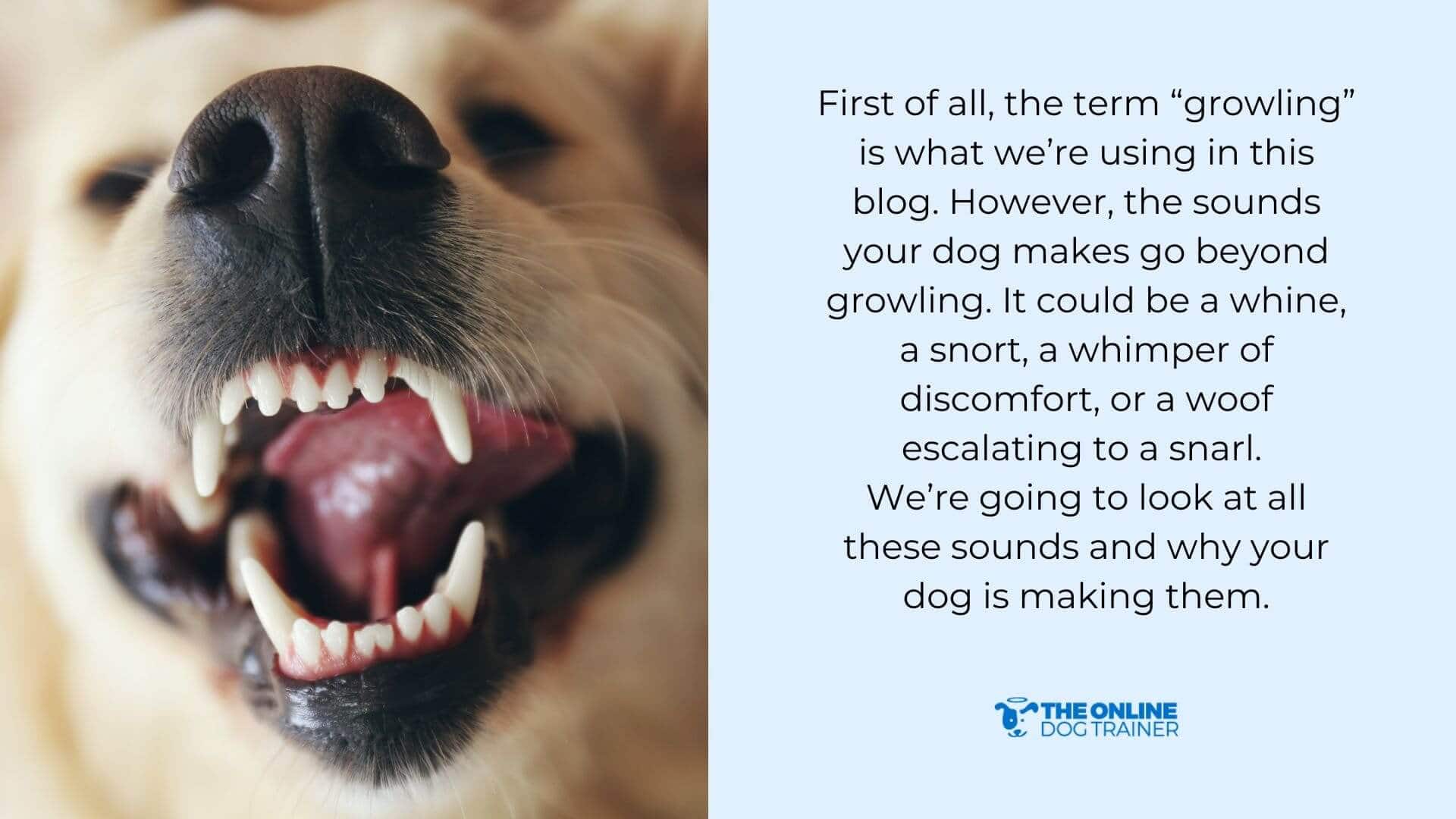
Image Source: theonlinedogtrainer.com
Deciphering Your Dog’s Nighttime Warnings
A growl is a sound your dog makes. It tells you how your dog feels. Dogs do not talk like people. They use sounds and body language. A growl is a strong signal. It warns you. It says, “I am not okay with this.” Or, “I need more space.” Ignoring a growl can be dangerous. It can lead to a bite. Learning what the growl means helps you fix the problem.
The Language of Growls: More Than Just Anger
Not all growls are the same. A growl can mean different things. It depends on the dog’s body. Look at their tail. See their ears. Watch their mouth. Is the growl low and rumbling? Is it short and sharp? Does it come with a snarl? All these clues tell you more.
- Warning Growl: This is often low. It might come with a tense body. The dog may stare. This says, “Stay away.”
- Fear Growl: This growl might be higher. The dog might try to hide. They might tuck their tail. Their ears might be back. This says, “I am scared.”
- Pain Growl: This growl happens if you touch a sore spot. It is a quick yelp or a sharp growl. This says, “That hurts!”
- Play Growl: This growl is part of a game. It is often loose and bouncy. The dog’s body is relaxed. They might do play bows. This says, “Let’s play!”
It is vital to tell the difference. At night, most growls are not about play. They are often about fear, pain, or wanting space.
Nighttime Dog Aggression: Common Causes
Some dogs show more aggression at night. This can be due to many things. It might be fear. It could be pain. Or it could be a wish to guard things. Darkness can make some problems worse. Sounds are different at night. Shadows are strange. This can make a dog feel unsafe.
Here are some reasons why your dog might growl at night:
- Poor Eyesight: Older dogs might not see well. Darkness makes this worse. They might get scared if you come close. They might not know it is you.
- Hearing Issues: A dog with bad hearing might get startled. They might not hear you coming. This can lead to a sudden growl.
- Pain or Illness: A sick dog might be grumpy. They might growl if you touch them. Nighttime can make pain feel worse.
- Fear or Anxiety: The dark can make a dog feel alone. Strange sounds can scare them. This can cause dog anxiety at night growling.
- Territorial Instincts: Dogs like their space. They might guard their bed. Or their spot on the couch. This can lead to dog territorial aggression in bed.
- Resource Guarding: They might protect a favorite toy. Or a bone. Or even you. This is a resource guarding dog growl.
- Sleep Problems: Just like people, dogs can have bad sleep. This can make them grumpy.
Understanding these causes is the first step. Then you can help your dog.
Fearful Dog Behavior at Night: Signs and Solutions
Fear is a big reason for nighttime growls. Dogs can get scared by many things. Loud noises can scare them. A new home can scare them. Being alone can scare them. Darkness can make these fears bigger. If your dog is scared, they might growl to make you go away.
Signs of Fearful Growling:
- Tucked Tail: The tail is held low or between the legs.
- Ears Back: Ears are flattened against the head.
- Cowering: The dog tries to make itself small. They might try to hide.
- Trembling: The dog shakes or shivers.
- Panting: Heavy breathing, even when not hot or active.
- Licking Lips: Repeatedly licking their nose or lips.
- Avoiding Eye Contact: Refusing to look at you.
- Growling Low: A soft, rumbling growl that says, “Stay away.”
How to Help a Fearful Dog:
- Create a Safe Place: Give your dog a quiet, dark spot. This can be a crate. Or a bed in a small room. Put soft blankets there. This is their safe den.
- Use Night Lights: A small night light can help. It makes shadows less scary. It helps older dogs see better.
- Muffle Sounds: Close windows. Play soft music. Use a fan for white noise. This can block scary outside sounds.
- Use Calming Aids: Talk to your vet. They might suggest calming treats. Or a thunder shirt. These can help ease dog anxiety at night growling.
- Avoid Surprises: Do not sneak up on your dog. Always call their name softly. Let them know you are coming.
- Gentle Approach: Move slowly. Do not make sudden moves. This helps your dog feel safe.
- Positive Reinforcement: Give treats for calm behavior. Reward them for not growling. Never punish growling. This can make things worse. It teaches them not to warn you.
Dog Territorial Aggression in Bed: Is Your Bed Their Castle?
Many people let their dogs sleep in their bed. This can be nice. But some dogs think the bed is theirs. They might growl if you try to get in. Or if you move them. This is dog territorial aggression in bed. They are guarding their space.
Signs of Territorial Guarding:
- Stiff Body: The dog becomes rigid when you approach the bed.
- Hard Stare: They look at you with unblinking eyes.
- Low Growl: A steady, warning growl.
- Snapping: They might snap if you get too close.
- Blocking: They might put their body between you and the bed.
How to Handle This:
- Set Rules: Decide who owns the bed. It should be you. Your dog is a guest.
- “Off” Command: Teach your dog to get off the bed. Use treats. Reward them when they leave.
- No Free Access: Do not let your dog on the bed whenever they want. Invite them up. Make them get down when you tell them.
- Manage Entry: If your dog growls, do not get in bed. Do not force them off. Lure them off with a treat. Or block access to the bed.
- Their Own Bed: Give your dog a comfy bed of their own. Place it near your bed. This gives them their own space.
- Professional Help: If the aggression is serious, get help. A dog behavior expert can guide you.
Resource Guarding Dog Growl: Protecting Valuables
Dogs can guard many things. Food is common. Toys are common. But they can also guard space. This includes their bed. Or their spot on the couch. Sometimes, they even guard you. If you get too close to them while they are on their spot, they might show a resource guarding dog growl. This is their way of saying, “This is mine!”
Common Things Dogs Guard at Night:
- Sleeping Spot: Their dog bed, your bed, or a favorite blanket.
- Favorite Toy: A special squeaky toy or bone.
- Food Bowl: Even if empty, it might be “theirs.”
- The Owner: They might growl if another person or pet gets close to you.
How to Deal with Resource Guarding:
- Trade-Offs: If your dog guards a toy, offer a better one. When they take the new toy, take the old one. Do this often. They learn that giving up things means good things happen.
- No Forcing: Never take things away by force. This makes the guarding worse.
- Manage Food: Pick up food bowls after meals. Do not leave food out all night.
- Create Abundance: If they guard toys, give them lots of toys. Spread them around. This makes them feel less “scarce.”
- “Leave It” Command: Teach your dog to leave things alone. This is a very useful command.
- Seek Expert Advice: Resource guarding can be tough. A dog behaviorist can teach you how to manage it safely. They can set up training steps.
Sleep Startle Syndrome Dogs: Waking Up Grumpy
Imagine being sound asleep. Someone suddenly shakes you awake. You might be confused. You might be grumpy. Dogs can feel this too. This is sleep startle syndrome dogs. It means they react strongly when woken up suddenly. They might growl or snap. It is not true aggression. It is a reflex.
Signs of Sleep Startle:
- Sudden Growl: A growl right as they wake up.
- Confusion: They look lost or disoriented.
- Quick Snap: They might snap if touched.
- No Other Aggression: They are not aggressive at other times.
- Happens Only When Woken: This behavior only occurs when startled from sleep.
How to Manage Sleep Startle:
- Do Not Disturb: Let a sleeping dog lie. Do not wake them unless you have to.
- Make Noise First: If you must wake them, make a soft sound first. Call their name gently. Let them stir on their own.
- Gentle Touch: If you must touch them, do it softly. Touch a neutral area. Like their shoulder. Not their head or face.
- Safe Sleeping Space: Give them a quiet, undisturbed sleep spot. Keep kids and other pets away.
- Vet Check: Talk to your vet. Some health issues can make sleep worse. They might suggest a check-up.
Dog Growls When Disturbed at Night: Personal Space
Even if not guarding or startled, dogs need space. Just like people. If you bother them at night, they might growl. This is common. It is their way of saying, “I am trying to rest!” This can happen if you:
- Step Over Them: If they are lying in a doorway.
- Bump Them: If you accidentally kick them in the dark.
- Reach for Them: If you reach out to pet them when they are settled.
This behavior is often simple communication. It is not necessarily mean. It is about personal space.
Tips for Respecting Space:
- Watch Your Step: Be careful where you walk at night. Turn on lights.
- Give Space: Do not walk too close to a sleeping dog. Go around them.
- Announce Yourself: Make a soft noise. Let them know you are there.
- No Unwanted Petting: Let them come to you for pets. Especially at night.
- Teach Boundaries: Teach your dog to move to a designated spot if they are in the way.
Causes of Dog Aggression After Dark: Beyond Behavior
Sometimes, a growl at night is not just about training. It can be a sign of health issues. These issues can make dogs grumpy. They can make them feel unwell. Or they can make them confused.
Potential Health Issues:
- Pain: Arthritis, dental pain, injury, or stomach issues. Pain can make any dog irritable. They might growl if touched. Or if they move the wrong way.
- Cognitive Decline (Doggy Dementia): Older dogs can get confused. They might not know where they are. They might not know who you are. This can lead to fear and growling. Nighttime can make this worse. They might wander or growl at shadows.
- Vision Loss: Dogs with bad eyesight rely on hearing and smell. In the dark, this is harder. They might growl because they cannot see you clearly. They might feel unsafe.
- Hearing Loss: A dog that cannot hear well can be easily startled. They might not hear you approach.
- Thyroid Problems: Low thyroid levels can cause aggression. This can be subtle.
- Brain Tumors or Seizures: These are rare. But they can change a dog’s behavior. This includes aggression.
Environmental Factors:
- New Home: A new place can be stressful. Dogs need time to adjust.
- New Pet/Person: A new family member can upset a dog. They might feel less safe.
- Changes in Routine: Dogs like routine. Changes can cause stress.
- Loud Noises: Fireworks, storms, or loud neighbors. These can make a dog anxious.
Always think about health first. If a growl is new, or gets worse, see the vet.
When to Call the Vet: Veterinarian Dog Behavior Night
If your dog starts growling at night, do not wait. It is always a good idea to talk to your vet. They are the best first step. They can check your dog’s health. They can rule out pain or illness. This is very important.
When to Contact Your Veterinarian or a Dog Behaviorist:
- New Behavior: Your dog never growled at night before. Now they do.
- Sudden Change: The growling started suddenly.
- Increasing Intensity: The growls are getting stronger. Or they lead to snaps.
- Other Symptoms: Your dog seems unwell. They are eating less. They are limping. They seem confused.
- Unsafe Feeling: You feel unsafe around your dog at night.
- No Improvement: You have tried some tips, but nothing helps.
- Sleep Startle Syndrome: Your vet can confirm this. They can give advice.
- Dog Anxiety at Night Growling: If anxiety is high, medication might help.
A vet can check for:
- Pain: Arthritis, back pain, dental issues.
- Vision/Hearing problems: Are their eyes cloudy? Do they respond to sounds?
- Cognitive Dysfunction: Signs of dementia.
- Hormone Issues: Like thyroid problems.
If health checks out, your vet might suggest a certified dog behaviorist. This person has special training. They can help with complex dog behaviors. They can create a plan to help your dog. This plan will be safe for everyone.
Moving Forward: Training and Management
Once you know why your dog growls, you can help them. This often means a mix of training and managing the home.
Setting Up for Nighttime Success
A calm nighttime routine can help.
- Exercise During the Day: A tired dog sleeps better. Make sure your dog gets enough walks. Play games.
- Last Potty Break: Make sure they go to the bathroom right before bed. This prevents discomfort.
- Quiet Time Before Bed: Do not play rowdy games just before sleep. Calm activities are best.
- Comfortable Bedding: A soft, clean bed is key. Make sure it is in a warm spot.
- Consistent Schedule: Dogs love routine. Feed them at the same time. Walk them at the same time. Bedtime should be consistent too.
- Safe Space: Reinforce their crate or bed as a safe, positive place. Give treats there.
Training Basics for Nighttime Calm
Simple training can make a big difference.
- “Go to Bed” Command: Teach your dog to go to their bed. Reward them when they do. This helps with territorial issues.
- “Leave It” Command: This is great for resource guarding. They learn to ignore things.
- “Come” Command: Always teach a strong “come.” This is vital for safety.
- Positive Reinforcement: Always use treats and praise. Never punish growling. It only makes dogs hide their warning signals. Then, they might bite without warning.
- Desensitization (Slow Steps): For fearful dogs, slowly introduce what scares them. Do it in very small steps. Pair it with treats. If they growl at shadows, start with dim lights. Then add a soft light. Always keep it positive.
When Professional Help is Needed
It is okay to ask for help. Many dog problems need an expert.
- Certified Professional Dog Trainer (CPDT): Good for basic obedience. Good for minor behavior issues.
- Certified Applied Animal Behaviorist (CAAB) or Veterinary Behaviorist (DACVB): These are higher levels of experts. They have advanced degrees. They work with serious aggression. They can work with your vet. They look at medical history. They can help with complex fear or anxiety.
These experts can teach you how to read your dog better. They can make a plan just for your dog. They will help you fix the root cause of the growling. This leads to a safer and happier home.
Frequently Asked Questions (FAQ)
Q1: Is it normal for dogs to growl in their sleep?
Yes, it can be normal. Dog growling while sleeping can happen during dreams. They might twitch. They might make soft noises. This is usually okay. But if it is a loud, aggressive growl, or if they wake up growling, it could be sleep startle syndrome or discomfort. Watch their body language. If they look relaxed and are just dreaming, it is fine. If they look stressed or scared, or if they growl when you disturb them, it needs more attention.
Q2: What should I do if my dog suddenly starts growling at me at night?
First, do not punish them. Step away calmly. Then, schedule a vet visit right away. A sudden change in behavior often means pain or illness. Causes of dog aggression after dark can be health-related. Once health issues are ruled out, look at fear, anxiety, or guarding. A vet or certified behaviorist can help you figure out the exact cause.
Q3: Can a dog growl out of pain at night?
Yes, absolutely. Pain is a very common reason for growling. They might growl if you touch a sore spot. Or if they try to move and it hurts. Nighttime can make pain feel worse. If your dog starts growling and seems uncomfortable, or if they are limping or acting strangely, pain is a top concern. Seek a veterinarian dog behavior night check-up.
Q4: How can I stop my dog from resource guarding at night, especially my bed?
To stop resource guarding dog growl, establish rules. Your bed is yours. Teach your dog an “off” command. Reward them for leaving the bed. Offer a very comfy dog bed of their own near yours. Never force them off the bed. Lure them with treats. If it is severe dog territorial aggression in bed, get help from a professional behaviorist. They can teach safe management and training techniques.
Q5: My dog seems anxious at night and growls at shadows. What can I do?
This sounds like fearful dog behavior at night or dog anxiety at night growling. Try to create a very safe, quiet space for them. Use night lights to lessen shadows. Play soft white noise or calming music. Make sure they have had enough exercise during the day. If the anxiety is strong, talk to your vet. They might suggest calming aids or medication. A behaviorist can also help with desensitization training.