
Understanding How Long Does Dog Blood Work Take For Results.
When your dog needs blood work, you might wonder, “How long does dog blood test results time usually take?” The answer is not always simple. Dog blood test results time can change a lot. It depends on what tests are run, where they are run, and if it is an emergency. For some common tests, like a CBC, you might get how long for dog CBC results in minutes. Other tests, like a full dog chemistry panel timeline, can take hours or even days. The vet blood panel turnaround time varies. This guide will help you know what to expect.
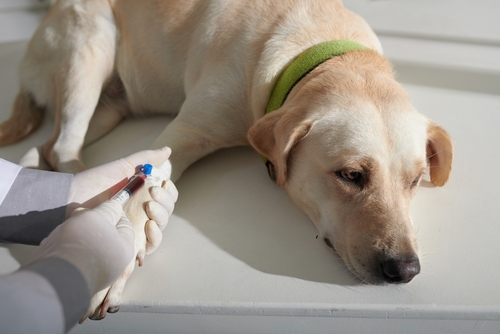
Image Source: www.joiipetcare.com
Deciphering Dog Blood Test Timelines
When your dog needs blood work, knowing when to expect results is helpful. This can calm your worries. It also helps you plan for your dog’s care. Many things make the waiting time different. Let’s look at what affects how fast you get answers.
Factors That Change Waiting Times
Several key things decide how fast your vet gets blood test results back. Knowing these can help you understand the canine lab work duration.
- Type of Blood Test: Different tests look for different things. Some are quick, others need more time.
- CBC (Complete Blood Count): This test checks red blood cells, white blood cells, and platelets. Many vets have machines in their clinic for this. You might get how long for dog CBC results in just 15-30 minutes.
- Chemistry Panel: This looks at organ health (kidneys, liver, etc.), sugar levels, and electrolytes. Some clinics can run these fast too. If they have the right tools, you could see results in 30 minutes to a few hours.
- Thyroid Tests: These check the thyroid gland. Often, these samples go to an outside lab. This adds more time, usually days.
- Specialized Tests: For things like specific hormone levels, infectious diseases, or certain genetic markers, samples almost always go to outside labs. These can take from a few days to a week or more.
- Where the Test is Run: This is a big factor.
- In-House Lab: Many modern vet clinics have their own lab equipment. This means they can run common tests right there. For tests like CBCs and basic chemistry panels, this leads to very fast dog blood test results time. Often, you will know the results before you even leave the clinic.
- External Reference Lab: For many tests, especially complex or less common ones, samples are sent to a bigger lab. These labs often handle tests for many vet clinics. This means the sample needs to be shipped. Shipping can take time, usually a day or two. Then, the lab needs time to process the sample. So, total vet blood panel turnaround time can be 1 to 5 business days. Sometimes even longer for very rare tests.
- Clinic Busyness and Staffing: A very busy vet clinic might have delays. Even with in-house machines, staff need time to run the tests. If it’s a hectic day, your results might take a little longer.
- Emergency vs. Routine Testing: If your dog is very sick, the vet will prioritize blood work. This is called emergency dog blood work speed. They will run it right away, often using in-house machines to get quick answers. For routine check-ups, the timing might be less urgent.
Common Blood Tests and Their Typical Turnaround Times
Let’s look at some common blood tests and how long you might wait for them. This gives you a good idea of typical canine diagnostic time.
| Test Type | What It Checks | Where Run (Commonly) | Typical Results Time | Notes |
|---|---|---|---|---|
| CBC (Complete Blood Count) | Red/white blood cells, platelets; signs of infection, anemia, inflammation. | In-house | 15-30 minutes | Essential for quick insights. |
| Chemistry Panel | Organ function (kidneys, liver), blood sugar, electrolytes. | In-house | 30 minutes – 2 hours | Also vital for quick checks, often paired with CBC. |
| Urinalysis | Kidney function, bladder health, infection. | In-house or External | 15 minutes – 1 day | Can be done fast in-house, but some parts need external lab. |
| Thyroid Panel | Thyroid hormone levels (T4, TSH). | External | 2-5 business days | Checks for hypo/hyperthyroidism. |
| Heartworm Test | Presence of heartworm disease. | In-house | 5-10 minutes | Quick, often done yearly. |
| Lyme/Tick-Borne Disease | Exposure to certain tick-borne diseases. | In-house or External | 10 minutes – 2-5 business days | Quick screen can be in-house, full panel needs external. |
| Cortisol (Addison’s/Cushing’s) | Adrenal gland function. | External | 3-7 business days | Specific hormone tests take longer. |
| Pre-Anesthetic Blood Work | Overall health before surgery (CBC, chemistry). | In-house | 15 minutes – 2 hours | Done right before or a few days before surgery. |
Why Blood Work Matters: Different Situations
Blood work is a vital tool for vets. It helps them see what is going on inside your dog. It’s used for many reasons, from general check-ups to life-saving emergencies.
Pre-Anesthetic Blood Work Wait: Safety First
Before any surgery or procedure that needs your dog to be put to sleep (anesthesia), vets often suggest blood work. This is called pre-anesthetic blood work.
* Why it’s done: It checks how well your dog’s organs are working. It looks at the kidneys and liver, as these organs process the anesthesia drugs. It also makes sure there are enough red blood cells (to carry oxygen) and platelets (to help blood clot). Finding any issues beforehand helps the vet make anesthesia safer for your pet. They might change the type or amount of medicine or delay the procedure if there is a big risk.
* Timing: Vets typically want this blood work done within a few days of the planned surgery. This way, the results are fresh. If the clinic has in-house machines, you might get the results on the same day as the blood draw, or even right before the surgery itself. If it goes to an outside lab, you’ll need to plan for a pre-anesthetic blood work wait of 1-3 business days. Your vet will tell you the best time frame for your dog’s procedure.
Dog Wellness Exam Blood Results: A Health Check-Up
Regular check-ups are key to keeping your dog healthy. For older dogs or certain breeds, your vet might suggest blood work as part of their yearly dog wellness exam blood results.
* Why it’s done: Even if your dog seems fine, blood tests can spot problems early. They can find signs of kidney disease, liver issues, diabetes, or thyroid problems before your dog shows symptoms. Catching these early often means easier treatment and better outcomes.
* Timing: For wellness exams, the blood work is usually sent to an external lab. This is because these labs can run a full, detailed panel of tests. So, you can expect the dog wellness exam blood results in 2-5 business days. Your vet will call you when they come in to discuss them. Sometimes, they might do a quick in-house screen during the visit and send the full panel out.
Emergency Dog Blood Work Speed: When Every Minute Counts
In an emergency, speed is everything. If your dog is very sick, injured, or facing a life-threatening problem, your vet will need answers fast.
* Why it’s done: Quick blood tests help the vet understand what’s wrong right away. They can tell if your dog is bleeding inside, has severe infection, organ failure, or is going into shock. This helps them start the right treatment without delay.
* Timing: For emergency dog blood work speed, vets use their in-house lab equipment. They will run CBCs and chemistry panels on the spot. You can expect these results in 15 minutes to an hour. This lets the vet make critical decisions rapidly. For example, if a dog comes in after being hit by a car, a fast CBC can show if they are losing blood quickly and need a blood transfusion.
Dog Chemistry Panel Timeline: Looking Deeper
A chemistry panel (also called a blood chemistry or serum chemistry) gives a detailed look at your dog’s organ function and overall health.
* What it checks: It measures things like:
* Kidney health: BUN and Creatinine.
* Liver health: ALT, ALP, Bilirubin.
* Blood sugar: Glucose.
* Proteins: Albumin, Total Protein (can show hydration or nutrition issues).
* Electrolytes: Sodium, Potassium, Chloride (important for heart and nerve function).
* Calcium and Phosphorus: Important for bones and kidneys.
* Timing: If your vet has a good in-house analyzer, you can get a basic dog chemistry panel timeline within 30 minutes to 2 hours. If it’s a more extensive panel or needs to go to an external lab, it will be 1-3 business days. For very specific or rare chemistry markers, it could be longer.
The Process: From Blood Draw to Results
Knowing what happens during the blood test appointment can make things clearer. The actual dog blood draw appointment length is usually quite short.
The Blood Draw Itself
- Preparation: Your dog will likely go to a special room in the clinic. Sometimes, the hair over a vein (usually in the neck or front leg) might be trimmed. The area will be cleaned with rubbing alcohol.
- The Draw: A vet tech or vet will gently hold your dog. They will use a needle to take a small sample of blood from a vein. Most dogs handle this very well. It’s usually over in less than a minute.
- After the Draw: A little pressure is held on the spot for a moment to prevent bruising. Your dog can then go back to you.
The actual dog blood draw appointment length itself, meaning the time the needle is in, is typically under a minute. The whole process, including getting your dog ready and taking them back to the exam room, might add up to 5-10 minutes. Your total time in the clinic will be longer, of course, due to check-in, waiting, vet exam, and discussion.
What Happens Next: Getting the Results
Once the blood is drawn, it goes to the lab.
- In-House Lab:
- The sample is put into the clinic’s machines.
- The machines run the tests automatically.
- Results print out or show on a computer screen very quickly.
- The vet reviews the results. They will call you, or come back into the exam room, to talk about what they found. For simple tests, this can happen minutes after the blood draw.
- External Reference Lab:
- The sample is prepared for shipping. It might be spun down to separate the plasma/serum, then put into special tubes.
- The sample is packaged and sent by a courier service (like FedEx or a dedicated lab courier).
- The external lab receives the sample, logs it in, and runs the tests.
- The lab sends the results back to your vet, usually by email or a secure online portal.
- Your vet reviews the results and then contacts you. This whole process, from sample leaving the clinic to results back at the clinic, usually adds up to the canine lab work duration of 1-5 business days.
Tips for Pet Owners
- Ask Your Vet: The best way to know how long your dog’s blood work will take is to ask your vet. They can give you the most accurate vet blood panel turnaround estimate based on the specific tests ordered and their clinic’s setup.
- Be Prepared for a Call: Make sure your vet has your correct phone number. They will call you as soon as results are in and reviewed.
- Don’t Rush the Vet: While waiting is hard, vets need time to look at the results carefully. They will explain everything to you when they call.
- Follow Instructions: Sometimes, your vet might ask you to fast your dog (no food) before blood work. This is important for accurate chemistry results.
Beyond Blood Work: Holistic Diagnostics
While blood work is vital, it’s often just one piece of the puzzle. Vets also use other tools to get a full picture of your dog’s health. This contributes to the overall typical canine diagnostic time.
- Physical Exam: The vet’s hands-on check-up tells them a lot about your dog’s heart, lungs, eyes, ears, skin, and more. This is the first step in any diagnostic process.
- Urinalysis: Checking urine can give big clues about kidney function, bladder health, and diabetes.
- Fecal Exam: Checking stool samples helps find parasites or other gut problems.
- Imaging: X-rays (radiographs) show bones and organs. Ultrasound helps vets see organs in more detail. MRI and CT scans give even more advanced views. These tests can add to the canine lab work duration if they are needed after blood work results.
- Biopsies: If a vet finds an abnormal lump or organ change, they might take a small tissue sample. This is sent to a special lab for a pathologist to examine. Results can take several days to a week or more.
Combining all these tools helps your vet make the best plan for your dog. Each step, including the dog blood test results time, helps build a full health picture.
Frequently Asked Questions (FAQ)
Q1: Can I get my dog’s blood test results on the same day?
A1: Yes, often. If your vet has in-house lab equipment and runs common tests like a CBC or basic chemistry panel, you can get results in 15 minutes to a few hours. For specialized tests, it will take longer.
Q2: Why does my dog need to fast before a blood test?
A2: Fasting (no food, but water is fine) for 8-12 hours before a blood test is important for accurate chemistry panel results. Eating can raise blood sugar levels and make blood cloudy (lipemic), which can affect other test readings.
Q3: Is it okay if my dog’s blood work is done a week before surgery?
A3: For pre-anesthetic blood work wait, vets usually prefer it to be done within a few days (1-3 days) of the surgery. This ensures the results are as current as possible, giving the vet the most accurate picture of your dog’s health right before anesthesia.
Q4: What if my dog is very scared of needles?
A4: Tell your vet! They can use methods to help your dog feel less stressed. This might include using calming treats, a gentle muzzle, or even a mild sedative if needed. The actual dog blood draw appointment length is very short, which helps.
Q5: Can I get a copy of my dog’s blood test results?
A5: Yes, absolutely. Your vet should be happy to provide you with a copy of your dog’s lab results. This lets you keep track of your dog’s health history.
Q6: What’s the difference between routine and emergency blood work speed?
A6: Emergency dog blood work speed means the tests are prioritized and run immediately using in-house equipment, getting results in minutes to an hour. Routine tests, like those for a dog wellness exam blood results, are often sent to outside labs, taking 2-5 business days.
Q7: My vet said the lab is “running a panel.” What does that mean?
A7: A “panel” means a group of tests run together. For example, a “CBC panel” looks at all blood cell types, and a “chemistry panel” checks many organ functions and blood chemicals. This is part of the overall vet blood panel turnaround.
Q8: Why does a thyroid test take longer than a CBC?
A8: Thyroid tests measure specific hormone levels that often require more specialized equipment and detailed analysis. Most vet clinics send these samples to external labs that specialize in hormone assays, adding shipping time and processing time, extending the canine lab work duration.
Knowing how long dog blood work takes helps you feel more prepared. Talk openly with your vet about any concerns. They are there to help you understand your dog’s health journey.