
How Long Does It Take To Spay A Female Dog: Full Guide
So, how long does it take to spay a female dog? The actual surgery time for a spay operation, also called an ovariohysterectomy, usually takes your vet between 20 to 90 minutes. This is the dog spay surgery length. However, the full process, from dropping off your dog at the clinic to taking her home, will be much longer, often taking 4 to 8 hours. This includes all the vital pre-surgery checks, anesthesia time, and recovery at the clinic. The total time frame for dog spay involves not just the surgery itself but the whole day at the vet and then a crucial recovery period at home.
Spaying your female dog is a common surgery. It removes her ovaries and uterus. This stops her from having puppies and can prevent many health problems. While the surgery part is quick, preparing for it and helping your dog heal takes time. Let’s look at every step.
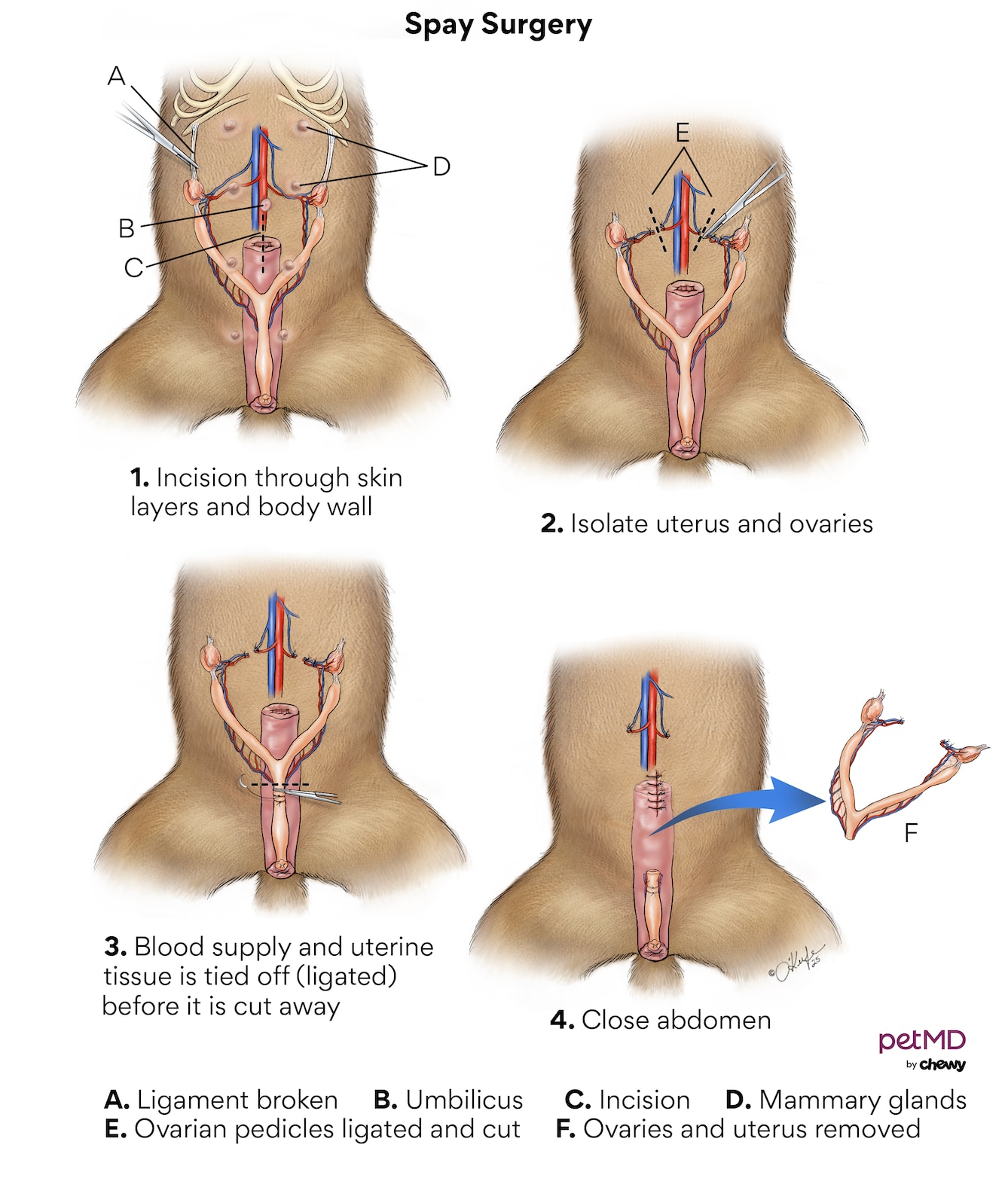
Image Source: image.petmd.com
The Spay Procedure: A Step-by-Step Walkthrough
Spaying a dog is a big day for both you and your pet. It involves several stages. Each stage is important for your dog’s safety and well-being. Knowing what to expect can help you feel ready.
Pre-Surgery Prep: The Morning Of
This part happens before your dog goes into the surgery room. It makes sure she is ready and safe for the operation.
Admission and Health Check
When you drop off your dog, clinic staff will check her in. They will ask you questions about her health. They will make sure she has not eaten anything. Most vets ask you to stop food 8-12 hours before surgery. Water is usually fine until a few hours before. A vet technician or vet will do a quick check-up. They will listen to her heart and lungs. They will make sure she looks healthy enough for surgery.
Pre-Anesthetic Blood Work
Before anesthesia, many vets suggest blood tests. These tests check your dog’s organs. They look at her liver and kidneys. This helps the vet pick the safest anesthesia for her. It also shows if she has any hidden health issues. These tests are very important for her safety.
Placing the IV Catheter
A small tube, called an IV catheter, is placed in your dog’s front leg. This tube stays in during the surgery. It allows the vet to give her fluids. These fluids help keep her blood pressure steady. They also help her stay hydrated. It’s also a quick way to give emergency medicines if needed.
Pain Medication
Your dog will get pain medicine before the surgery starts. This is called pre-medication. It helps keep her calm. It also starts the pain control early. This makes her feel better when she wakes up. It also helps her recover more smoothly.
Anesthesia and Surgical Prep: Getting Ready
Once your dog is admitted and pre-medicated, the next steps focus on getting her ready for the operating room.
Administering Anesthesia
Your dog will get a shot to make her sleepy. This is the first step of anesthesia. Once she is calm, a tube is put into her windpipe. This tube helps her breathe gas anesthesia. It also lets the vet control her breathing. This is the start of the dog spay anesthesia time. Your dog will be closely watched by a trained nurse or vet tech. They make sure she is stable.
Monitoring Vital Signs
During anesthesia, your dog’s heart rate, breathing, and oxygen levels are watched closely. Special machines track these things. This ensures her safety. The vet team can adjust the anesthesia as needed.
Shaving and Sterilizing the Area
The vet team will shave a patch of fur on your dog’s belly. This is where the incision will be. Then, they clean the skin very well with special solutions. This kills germs. It helps prevent infection during surgery.
Moving to the Operating Room
Once she is ready, your dog is moved into the sterile operating room. Everything in this room is very clean. The vet and staff wear special clothes, masks, and gloves. This keeps the surgery area free from germs.
The Surgery Itself: The Core Event
This is the actual spaying a female dog procedure length. It’s often shorter than pet owners expect.
The actual spay operation, where the vet removes the ovaries and uterus, usually takes about 20 to 90 minutes. This is the core dog spay surgery length. For most healthy, young dogs, it might be on the shorter side, like 20-45 minutes. For older dogs, larger dogs, or dogs in heat, it might take longer. The duration of spay surgery for female dogs can vary quite a bit based on many factors.
Surgical Technique
The vet makes a small cut on your dog’s belly. They carefully find and remove the ovaries and uterus. They use sterile tools. They are very careful to stop any bleeding.
Closure
After removing the organs, the vet closes the incision. They use stitches. Often, there are layers of stitches inside. The outside skin may be closed with stitches, surgical glue, or staples. Your vet will tell you which method they used.
Immediate Post-Surgery: Waking Up Safely
This stage is crucial. Your dog is still groggy from anesthesia.
Coming Out of Anesthesia
Once the surgery is done, the gas anesthesia is turned off. Your dog slowly starts to wake up. She is moved to a quiet, warm recovery area. She might be a bit wobbly or confused at first. This is normal.
Pain Management Continues
Your dog will get more pain medicine after surgery. This helps keep her comfortable as she wakes up. The vet team will make sure she is not in pain.
Close Monitoring
Clinic staff will watch your dog very closely during this time. They check her breathing, heart rate, and temperature. They also watch the incision site. This ensures she is waking up well and safely.
Recovery at the Clinic: Supervised Healing
Your dog won’t go home right after surgery. She needs time to recover fully at the clinic.
Observation Period
Your dog will stay at the clinic for several hours after waking up. The staff keeps a close eye on her. They make sure she is eating a little, drinking, and can walk steady. They also check her incision for any swelling or bleeding. This supervised recovery time is very important.
Final Checks Before Discharge
Before your dog goes home, a vet or vet technician will do a final check. They will look at her incision one more time. They will make sure she is alert enough to go home safely.
Discharge Day: Going Home
This is when you get to pick up your dog!
Instructions for Owners
When you pick up your dog, the vet staff will give you detailed instructions. They will tell you how to care for her at home. This includes how much to feed her, how to give medicines, and how to watch her incision. They will also explain how to keep her quiet. Make sure to ask any questions you have.
A Detailed Spay Operation Timeline for Dogs (Table)
This table shows a general spay operation timeline dogs go through. The total time can vary.
| Phase | Estimated Time | What Happens |
|---|---|---|
| Clinic Arrival/Check-in | 15-30 minutes | Paperwork, initial health check. |
| Pre-Anesthetic Prep | 30-60 minutes | Blood tests, IV catheter placement, pre-medication given. |
| Anesthesia Induction & Prep | 15-30 minutes | Dog sedated, breathing tube placed, surgical area shaved and cleaned. |
| Actual Surgery | 20-90 minutes | Ovaries and uterus removed. This is the dog spay surgery length. |
| Post-Surgery Recovery | 1-3 hours | Dog wakes up from anesthesia, monitored closely by staff. |
| Discharge Process | 15-30 minutes | Vet tech reviews home care instructions with owner. |
| Total Clinic Stay | 4-8 hours | From drop-off to pick-up. This is the typical spay operation timeline dogs. |
| Home Recovery (Active) | 10-14 days | Strict rest, wound care, medication. This is the recovery time after dog spay. |
| Full Internal Healing | 4-6 weeks (approx.) | Deeper tissues continue to heal. Full return to normal activity. |
The typical spay surgery duration pets face often depends on the specific animal and vet.
Factors Affecting Spay Operation Timeline Dogs
Many things can change how long the spay process takes. These factors can affect the surgery time and the overall time your dog spends at the clinic.
Dog’s Age
Younger, healthy puppies often have quicker surgeries. Their tissues are more elastic. They have less fat. Older dogs or those spayed later in life might take longer. Their organs can be bigger. They may have more fat or other changes.
Dog’s Size and Breed
Smaller dogs generally have quicker surgeries. Larger dogs, especially giant breeds, might take more time. This is because they have more tissue. Their organs are larger. Their incision might also be bigger.
Dog’s Heat Cycle Status
If a female dog is in heat, her blood vessels in the uterus get bigger. They have more blood flow. This makes the surgery more complex. It takes the vet longer to stop bleeding. This can add 15-30 minutes to the surgery time. It’s best to spay a dog before or after her heat cycle if possible. Pregnancy also makes the surgery longer and more complex.
Presence of Complications
Most spays go smoothly. But sometimes, issues come up. An infection, unusual anatomy, or a bleeding problem can make the surgery much longer. The vet must fix these issues safely.
Veterinarian’s Experience
A vet who has done many spays might work faster than a vet who is new to the procedure. Both will do a safe job. But experience can lead to a shorter surgery time.
Clinic Efficiency
Some clinics have more staff or a smoother system. This can make the check-in and recovery process quicker. A busy clinic might have longer wait times for check-in or discharge. This affects the total time frame for dog spay at the clinic.
Post-Spay Recovery Period Dog: What to Expect at Home
The post-spay recovery period dog is just as important as the surgery itself. It’s key to a full and safe healing. This usually lasts about 10 to 14 days. This is your main recovery time after dog spay.
First 24-48 Hours
Your dog will likely be sleepy and quiet. She might not want to eat much. This is normal. Offer small amounts of food and water. Make sure she has a soft, quiet place to rest. Keep her calm. Limit walks to only short potty breaks outside. Always keep her on a leash.
First Week
During the first week, your dog should get better each day. Her appetite should return. She should be more active. But it’s very important to keep her activity low. No running, jumping, or rough play. Check her incision daily. Look for swelling, redness, or discharge. A small amount of bruising is normal.
Full Recovery
The outer incision usually heals in 10-14 days. This is when the stitches or staples might be removed if needed. However, the internal stitches take longer to heal. It takes about 4 to 6 weeks for full internal healing. During this entire time, your dog should not do strenuous exercise. This means no dog parks, no long hikes, and no swimming.
Importance of E-Collar
Your vet will likely send your dog home with an “Elizabethan collar” (E-collar), or a “cone.” It looks like a lampshade. This cone stops your dog from licking or chewing her incision. It is very important that she wears this cone all the time. Licking the incision can cause infection. It can also open the wound. This cone needs to stay on for the full 10-14 days of active recovery.
Activity Restriction
This is often the hardest part for owners. Your dog needs to stay calm. Too much activity can make the incision open up. It can also cause internal bleeding or swelling. Keep her on a leash for all potty breaks. Keep her away from stairs if possible. No jumping on furniture. This means quiet time for your dog.
Monitoring the Incision
Check the incision every day. Look for:
* Redness or swelling: A little is normal, a lot is not.
* Discharge: Any pus or yellow fluid is bad. Clear fluid is okay.
* Opening: The incision should stay closed.
* Pain: If your dog cries when you touch near the incision, it might be too painful.
If you see any of these bad signs, call your vet right away.
Medication
Your vet will give you pain medicine for your dog. Give it exactly as told. She might also get antibiotics if the vet thinks she needs them. Finish all the medicine even if she seems fine. This helps her heal well and stay comfortable.
Why Spaying is Important for Your Female Dog
Spaying your dog is more than just stopping puppies. It has many health and behavioral benefits.
Health Benefits
- Prevents Cancers: Spaying greatly lowers the risk of breast cancer. It also stops uterine and ovarian cancers. These can be deadly.
- Stops Pyometra: Pyometra is a serious infection of the uterus. It is common in unspayed female dogs. It can be life-threatening. Spaying removes the uterus, so this infection cannot happen.
- No More Heat Cycles: Heat cycles can be messy and stressful. Your dog might bleed. Male dogs might be drawn to your yard. Spaying stops all this.
Behavioral Benefits
- Less Roaming: Female dogs in heat might try to escape to find a mate. Spaying removes this urge.
- Calmer Behavior: Some unspayed dogs can be more anxious or restless during heat cycles. Spaying can help them be calmer overall.
Population Control
Sadly, many dogs end up in shelters. Many are put down because there are too many. Spaying your dog helps reduce the number of homeless pets. It’s a responsible choice for dog owners.
Tips for a Smooth Spay Experience
Getting your dog spayed can feel big. But with good planning, it can go smoothly.
Choose a Good Vet
Pick a vet you trust. Ask about their spay procedures. Ask about pain control. A good vet will answer all your questions. They will make you feel comfortable.
Follow Pre-Op Rules
Your vet will give you rules before surgery. Like no food for many hours. Follow these rules carefully. They are there for your dog’s safety.
Prepare for Home Recovery
- Quiet Space: Set up a comfy, quiet spot for your dog.
- E-Collar: Get your dog used to the E-collar before surgery. Some dogs hate it. A short time wearing it at home can help.
- Leash Walks Only: Plan to walk your dog only on a leash for a few weeks.
- Toys: Have gentle chew toys ready to keep her busy.
- Medicines: Get her pain meds from the vet.
- Avoid Stairs/Jumping: If possible, block access to stairs or high furniture.
Ask Questions
Don’t be afraid to ask your vet or vet tech questions. Before surgery, during pick-up, or even a few days after. It’s good to be informed.
Comprehending the Full Picture of Spay Recovery
The post-spay recovery period dog is key. It’s not just about the incision. It’s about letting internal tissues heal fully. Your dog might feel fine after a few days. But you must still keep her quiet. The internal stitches need time. If she runs or jumps too much, it can cause problems. It could even need more surgery. This means the overall spay operation timeline dogs follow includes these important weeks at home.
The time frame for dog spay is not just one moment. It’s a whole process. It starts when you decide to spay your dog and ends when she is fully healed weeks later. Being a good owner means helping her through every step.
Frequently Asked Questions (FAQ)
Here are common questions about spaying a female dog.
Q: Can my dog eat before spay surgery?
A: No. Most vets ask you to stop food 8-12 hours before surgery. This prevents vomiting during anesthesia. Vomiting can be dangerous if the dog breathes it into her lungs. Water is usually fine until a few hours before drop-off. Always follow your vet’s specific instructions.
Q: What should I look for during recovery?
A: Watch her incision daily for signs of infection (major redness, swelling, pus) or if it opens. Look for changes in her appetite, energy level, or if she seems to be in a lot of pain. If you see anything unusual, call your vet.
Q: How long does pain last after spay?
A: Your dog will get pain medicine from the vet. With this medicine, she should be mostly comfortable. Any pain should lessen each day. Most dogs feel much better after 2-3 days. They might need pain medicine for about 5-7 days. If your dog still seems to be in a lot of pain after a few days, talk to your vet.
Q: When can my dog go back to normal activity?
A: She needs strict rest for 10-14 days after surgery. This means no running, jumping, or rough play. She should be on a leash for all potty breaks. Full normal activity can usually start again after 4-6 weeks. This allows all internal tissues to heal properly. Your vet will confirm when it’s safe to return to full activity.
Q: Is spaying painful for dogs?
A: No, not really. Your dog is under anesthesia during the surgery. She won’t feel anything. After surgery, she will get strong pain medications. Vets aim to keep dogs as comfortable as possible. She might feel some soreness or discomfort, but it should be managed with the prescribed medicines.
Spaying your female dog is a very safe and common surgery. It has many benefits for her health and for the community. While the how long is a spay procedure for dogs is a common question, remember it’s part of a larger plan. Knowing the full spaying a female dog procedure length and recovery helps you prepare well. Your care and patience during the post-spay recovery period dog are key to her speedy and complete healing.