
Your Guide: How Often Should Your Dog Get Rabies Vaccine
Your dog should get a rabies vaccine based on their age and local laws. Most puppies get their first rabies shot around 12 to 16 weeks old. After that, they usually need a booster one year later. Then, many dogs get a rabies vaccine every three years. However, some areas or situations may need a vaccine every year. This guide will help you sort through all the details for your dog’s health and safety.
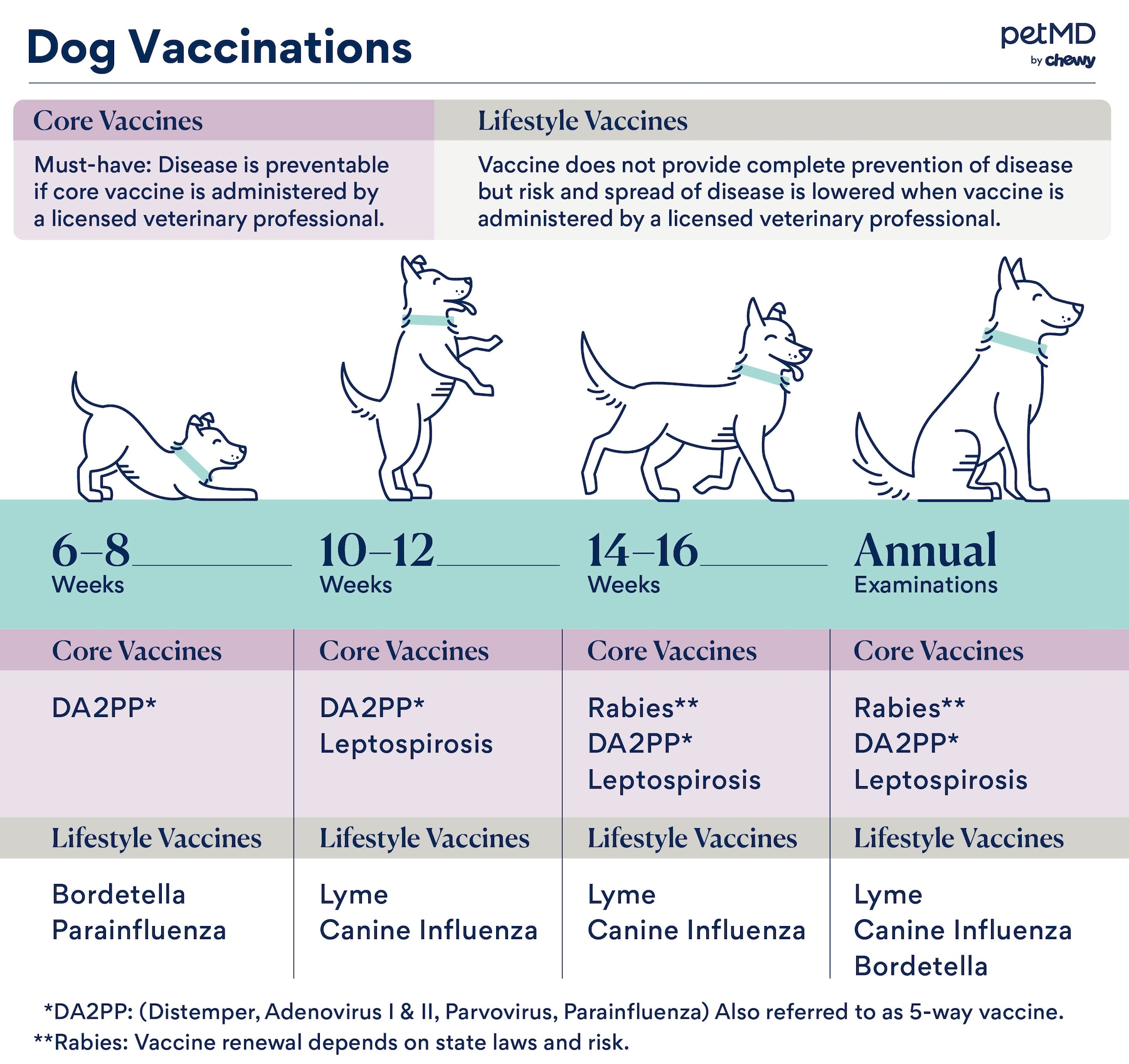
Image Source: image.petmd.com
Rabies: Why This Shot Matters So Much
Rabies is a very serious disease. It attacks the brain and spinal cord. It can affect all mammals, including humans. Once signs appear, rabies is almost always deadly. It spreads through the bite of an infected animal. This often happens with wild animals like raccoons, bats, foxes, and coyotes. But dogs can also get it and pass it on. This is why the rabies shot is so vital for your dog and your family. It protects your pet. It also creates a barrier, stopping the disease from spreading to people.
The Danger of Rabies
Rabies is a zoonotic disease. This means it can pass from animals to humans. The virus lives in the saliva of sick animals. It enters the body through a bite. It then travels to the brain. Once in the brain, it causes severe nerve problems. These problems lead to strange behavior, paralysis, and death. There is no cure once signs appear. So, preventing rabies with a vaccine is the only real way to fight it.
How the Rabies Vaccine Works
The rabies vaccine helps your dog’s body make special fighters. These fighters are called antibodies. If your dog comes into contact with the rabies virus, these antibodies can attack it. This stops the virus from making your dog sick. The vaccine is very safe and effective. It has saved countless animal and human lives.
Your Dog’s Rabies Shot Schedule: A Clear Path
Knowing the proper dog rabies shot schedule is key. It changes as your dog grows. Puppies need a first shot. Then, adult dogs need booster shots. The goal is to keep them protected for life. This schedule also helps meet legal rules.
Puppy Rabies Vaccine Age: Starting Right
Puppies are young and growing. They need their first rabies shot at a specific time. Most vets give the first rabies shot when puppies are 12 to 16 weeks old. This is after their other puppy shots. Their mom’s milk offers some protection early on. But as puppies grow, this protection fades. The first rabies shot steps in to give them their own defense.
It is important to get this shot on time. Before this shot, a puppy is not safe from rabies. They should not play in areas where they might meet wild animals. They should also not be around unknown dogs. Your vet will tell you the exact best time for your puppy’s first rabies shot.
Rabies Vaccine Booster Frequency: Keeping Protection Strong
After the first puppy shot, your dog will need booster shots. These boosters keep the protection level high. The timing of these boosters is very important.
For most dogs, the first booster comes one year after the puppy shot. So, if your puppy gets their first shot at 14 weeks, they will need another around 1 year and 14 weeks old. This second shot is often called the “1-year rabies vaccine dogs” shot.
After this 1-year booster, the frequency often changes. Many dogs then get a shot every three years. This is called the “3-year rabies vaccine for dogs.” This three-year shot is common in many places. It gives long-lasting protection.
Adult Dog Rabies Vaccination Intervals
Once your dog is an adult, their rabies vaccination intervals become more set. After the first 1-year booster, vets often recommend the 3-year vaccine. This means your dog will get a shot every three years for the rest of their life. This method aims to keep protection steady. It also avoids giving shots more often than needed.
However, some areas might still need annual shots. Or your vet might suggest yearly shots based on your dog’s health or risk. Always follow your vet’s advice and local laws.
Here is a general guide to the dog rabies shot schedule:
| Dog’s Age/Stage | Type of Rabies Vaccine | Recommended Interval |
|---|---|---|
| Puppy (12-16 weeks) | Initial Shot | One-time shot |
| Adult Dog (1 year after initial) | First Booster | 1 year after puppy shot |
| Adult Dog (after 1-year booster) | Booster | Every 3 years (most common) or Every 1 year (depending on laws/risk) |
It’s vital to remember this table is a general guide. Your vet will create the best plan for your dog. They know your dog’s health history and your local laws.
Rabies Vaccine Legal Requirements: Following the Law
Rabies vaccination is not just about your dog’s health. It is also a matter of public health. Because rabies can spread to humans, many places have strict rabies vaccine legal requirements. These laws vary from place to place. But generally, they make sure most dogs are vaccinated.
State Rabies Vaccination Laws: Where You Live Matters
Every state, county, and even city might have its own rules about rabies shots. These state rabies vaccination laws tell you:
* At what age a puppy must get their first shot.
* How often adult dogs need boosters.
* What happens if your dog bites someone or gets bitten by a wild animal.
* How long a rabies shot is valid (rabies shot validity period).
It is your job as a dog owner to know and follow these laws. You can usually find this info on your local animal control website. Or, your vet will know the rules for your area. They can tell you exactly what your dog needs.
For example, some states may only accept the 3-year vaccine. Others might require an annual shot if you live in a high-risk area. Some places demand a rabies tag on your dog’s collar. They also want a current certificate from your vet. This proves your dog is up-to-date.
Rabies Shot Validity Period: How Long it Lasts
The rabies shot validity period means how long the vaccine is considered effective. For puppies, their first shot is often valid for one year. After that, booster shots are usually valid for one or three years. This depends on the specific vaccine used and local laws.
Your vet will give you a rabies certificate. This paper shows:
* Your dog’s name and breed.
* The date the vaccine was given.
* The type of vaccine.
* The date the vaccine expires.
Keep this certificate safe. You will need it for many things. You might need it for boarding your dog. You might need it for dog parks. You will definitely need it if you move or travel. If your dog ever bites someone, this certificate is proof of vaccination. It helps protect your dog from being taken away.
Deciphering Factors That Affect Your Dog’s Shot Needs
While laws give a baseline, other things can change your dog’s vaccination plan. Your vet looks at many factors. These help them decide the best rabies shot schedule for your specific dog.
Your Dog’s Age and Health
A dog’s age plays a big part. Puppies follow a specific initial schedule. Older dogs might have different needs. If your dog has certain health issues, the vet might change things. For example, a dog with a weak immune system might need a special plan. They might need a different vaccine type. Or the vet might wait if the dog is very sick. Always tell your vet about any health problems your dog has.
Lifestyle and Risk Factors
Where your dog lives and what they do also matters.
* Outdoor access: Does your dog spend a lot of time outside? Do they hike or camp? This increases their chance of meeting wild animals.
* Exposure to other animals: Does your dog often play with other dogs? Do they visit dog parks or boarding kennels?
* Travel: Do you travel with your dog to different states or countries? Different places have different rabies risks and laws.
If your dog has a higher risk, your vet might lean towards more frequent shots. Or they might give advice on how to keep your dog safe.
The Role of Your Veterinarian
Your vet is your best guide. They know the current dog vaccination guidelines. They stay updated on new research. They also know the specific rabies situation in your local area. They can help you make the best choice. They will explain why a 1-year or 3-year vaccine is right for your dog. They will also discuss any risks or concerns you might have. Trust their professional advice. They want what’s best for your furry friend.
Beyond the Shot: Keeping Your Dog Safe
Getting the rabies shot is just one part of dog safety. Other actions also help protect your dog and community.
What if Your Dog is Exposed to Rabies?
Even with a vaccine, an exposure can happen. If your dog gets bitten by a wild animal, act fast.
1. Call your vet right away.
2. Do not touch the wild animal. If it’s dead, your local animal control might test it.
3. Follow your vet’s orders. They might recommend a booster shot. They might also suggest a quarantine period. This means keeping your dog away from other animals and people for a set time. This watch period is usually much shorter for vaccinated dogs. It is longer for unvaccinated dogs. An unvaccinated dog might even face euthanasia in some cases, depending on the law. This is why vaccination is so important.
Importance of Keeping Vaccination Records
Keep all your dog’s vaccine records safe.
* Rabies certificate: This is the most important one. It proves your dog is vaccinated.
* Veterinary records: Your vet keeps a file on your dog. This includes all their shots.
* Personal file: Keep a copy of all records at home. Use a digital file or a binder.
These records are needed for vet visits, travel, boarding, and emergencies. They help you prove your dog’s health status.
Traveling with Your Dog
If you travel with your dog, check the rules for your destination.
* Other states: Some states have different rabies rules.
* Other countries: International travel is very strict. Many countries need special blood tests. They also need specific vaccination dates. Plan this far ahead. Your vet can help you with travel papers.
Always make sure your dog’s rabies vaccine is current before any trip.
Common Queries About Rabies Shots
Many dog owners have questions about rabies vaccines. Let’s look at some common ones.
Are There Side Effects to the Rabies Vaccine?
Most dogs do very well after their rabies shot. Side effects are usually mild and short-lived. They might include:
* Soreness or a small lump at the shot site.
* Mild fever.
* Less energy or not wanting to eat for a day.
Serious reactions are rare. They can include:
* Hives or swelling on the face.
* Throwing up or diarrhea.
* Difficulty breathing.
If you see any serious signs, call your vet at once.
Can a Dog Be “Over-Vaccinated”?
The idea of “over-vaccination” is sometimes discussed. This means giving too many shots. The current dog vaccination guidelines aim to prevent this. This is why the 3-year rabies vaccine is now common. It lowers the number of shots your dog gets over their life. Vets balance the need for protection with avoiding too many shots. They use evidence-based dog vaccination guidelines. These aim to give the best care without unnecessary treatments.
What Are Rabies Titers?
A rabies titer is a blood test. It measures the level of rabies antibodies in your dog’s blood. A high titer means your dog has good protection. Some countries need a rabies titer test before your dog can enter. This is often to prove immunity without a recent vaccine. In the U.S., titers are not usually accepted instead of a vaccine. This is because state rabies vaccination laws require actual vaccination. They do not accept titers as proof of immunity for legal purposes.
General Dog Vaccination Guidelines for Overall Health
While rabies is critical, it is not the only shot your dog needs. Other core vaccines protect against common and serious diseases. These include distemper, parvovirus, and adenovirus. Your vet will give you a full dog vaccination guidelines plan. This plan covers all the needed shots.
Beyond shots, good dog health means:
* Regular vet check-ups: At least once a year.
* Healthy food: Proper nutrition helps immunity.
* Exercise: Keeps their body strong.
* Parasite control: Prevent fleas, ticks, and worms.
* Socialization: Good behavior makes for a happier dog.
Following these dog vaccination guidelines and general health tips helps your dog live a long, happy life.
Frequently Asked Questions (FAQ)
Q: How often do puppies need rabies shots?
A: Puppies typically get their first rabies shot between 12 and 16 weeks of age. After this, they usually need a booster one year later.
Q: Is the 3-year rabies vaccine as good as the 1-year one?
A: Yes, for most dogs, the 3-year rabies vaccine for dogs is just as effective as the 1-year vaccine. It offers long-lasting protection. Many state rabies vaccination laws now accept the 3-year vaccine.
Q: What is the usual rabies vaccine booster frequency?
A: After the initial puppy shot and the 1-year booster, the typical rabies vaccine booster frequency is every three years. However, some local laws or high-risk situations may require annual shots.
Q: What if my dog misses a rabies shot?
A: If your dog misses a rabies shot, call your vet right away. They will tell you the next steps. This might involve getting the booster as soon as possible. In some cases, depending on how long it has been, your dog might need to restart the vaccine series.
Q: Can my dog get rabies even if vaccinated?
A: It is extremely rare for a vaccinated dog to get rabies. The vaccine is highly effective. No vaccine is 100% perfect. But the rabies vaccine offers excellent protection. It makes serious illness or death from rabies very unlikely in vaccinated dogs.
Q: Is the rabies vaccine required by law?
A: Yes, rabies vaccination is a legal requirement in most places across the United States and many other countries. State rabies vaccination laws vary, but nearly all mandate rabies shots for dogs. This is due to the serious public health threat of rabies.
Q: How can I find my state’s specific rabies vaccination laws?
A: You can usually find your state’s specific rabies vaccination laws on your state’s department of health or animal control website. Your local veterinarian will also be very familiar with the local rules.
Q: What is the rabies shot validity period?
A: The rabies shot validity period is usually one year for the first vaccine given to puppies. After that, booster shots are often valid for either one year or three years, depending on the vaccine type used and local legal requirements. Your dog’s rabies certificate will state the exact expiration date.