
Help! Why Is My Dog Not Walking On His Back Leg Suddenly?
Your dog is not walking on his back leg suddenly. This is scary for any dog owner. It means something is wrong. Many things can cause this. It could be a simple sprain or a very serious problem. It might be an injury. It could be a disease. Or it might be a sudden nerve issue. A dog limping hind leg or showing canine rear leg weakness needs quick help. When you see sudden dog lameness back leg, call your vet right away. Do not wait. This issue can get worse quickly. Early vet care is often key for a good outcome.
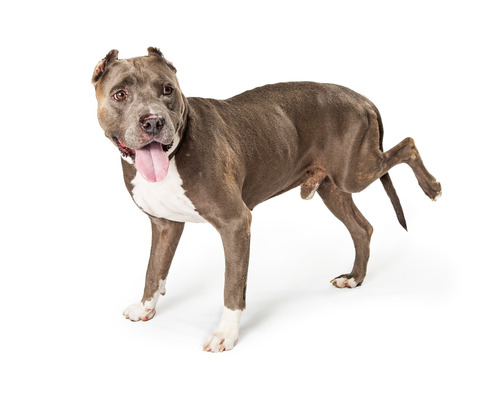
Image Source: minnievilleah.com
Common Causes of Hind Leg Issues in Dogs
A dog’s back legs can stop working for many reasons. Some are easy to fix. Others are very serious. We will look at the most common reasons.
Injuries and Trauma
Dogs can hurt themselves easily. They run, jump, and play hard. An injury is a common cause of sudden lameness.
- Sprains and Strains: Your dog might jump wrong. Or he might twist his leg. This can stretch or tear muscles or ligaments. He will show a dog limping hind leg. He might cry out in pain. Rest often helps here.
- Fractures (Broken Bones): A hard fall or hit can break a bone. This is very painful. Your dog will not want to put any weight on the leg. The leg might look bent. This needs urgent vet care.
- Soft Tissue Damage: This includes cuts, punctures, or deep bruises. You might not see the wound at first. Check your dog’s paw pads. Look between his toes. Deep bruises can hurt a lot.
- Cruciate Ligament Tears (CCL): This is a very common knee injury. The CCL is like a human ACL. It helps steady the knee joint. It can tear fully or partly. This often happens suddenly. You will see dog CCL tear symptoms. These include sudden lameness. Your dog might not put weight on the leg. He might hold it up. The knee might look swollen. He will be in pain. Surgery is often needed to fix this.
Table: Common Injuries and Their Signs
| Injury Type | Common Signs | Urgency Level |
|---|---|---|
| Sprain/Strain | Mild to severe limp, pain, swelling, avoids putting weight. | Moderate |
| Fracture (Broken) | Severe pain, leg held up, abnormal angle, swelling, cannot walk. | High |
| Soft Tissue Damage | Limp, pain, visible wound, swelling, licking the area. | Moderate |
| CCL Tear (Knee) | Sudden non-weight bearing, dog CCL tear symptoms, knee pain, click. | High |
Orthopedic Conditions
These are problems with bones, joints, and muscles. They can cause a canine rear leg weakness. They can also cause slow-onset lameness or sudden pain.
- Hip Dysplasia: This is a problem with the hip joint. The ball and socket do not fit right. It is more common in large breeds. It can start when they are young. It often gets worse with age. You might see hip dysplasia symptoms dogs. These include trouble getting up. They might limp after rest. They might not want to run or jump. Some dogs might “bunny hop” when they run. This means they use both back legs at once.
- Arthritis (Osteoarthritis): This is joint inflammation. It is common in older dogs. It causes pain and stiffness. You will often see dog arthritis hind legs symptoms. Dogs might be slow to get up. They might limp more after resting. Cold weather can make it worse. They might not want to jump into the car. They might not want to climb stairs.
- Luxating Patella (Kneecap Dislocation): This means the kneecap slips out of place. It is common in small dogs. It causes luxating patella dog symptoms. Your dog might skip a step. He might hold his leg up for a few steps. Then he puts it down and acts normal. It can happen often. It can cause pain over time.
- Osteochondritis Dissecans (OCD): This is a joint disease. It happens when cartilage in the joint does not form well. It can affect the knee or hip. It causes pain and lameness. It is more common in young, fast-growing dogs.
- Legg-Calve-Perthes Disease: This is a problem with the hip joint. It affects small breed puppies. The top of the thigh bone loses blood flow. This causes the bone to die and break down. It causes pain and limping.
Spinal and Neurological Problems
Problems with the spine or nerves are very serious. They can cause neurological issues dog back legs. They can lead to weakness or even paralysis.
- Intervertebral Disc Disease (IVDD): This is a common spinal problem. The discs between the spine bones act like cushions. With IVDD, a disc can bulge or burst. This pushes on the spinal cord. It can cause a lot of pain. It can also cause weakness or paralysis. You might see IVDD dog hind leg paralysis. Signs depend on how bad it is. They can range from mild back pain to not being able to walk. Dogs might arch their back. They might drag their feet. They might lose control of their bladder or bowels. This is an emergency.
- Spinal Injury: Trauma to the back can hurt the spinal cord. This can happen from a fall or car accident. A spinal injury dog hind legs can cause sudden weakness. It can cause paralysis. The dog might not feel his legs. This is very serious.
- Degenerative Myelopathy (DM): This is a slow-acting nerve disease. It affects the spinal cord in older dogs. It causes neurological issues dog back legs. It leads to weakness and poor coordination. It is not painful. It gets worse over time. Dogs will slowly lose the ability to walk. German Shepherds are often affected.
- Fibrocartilaginous Embolism (FCE): This is like a mini-stroke in the spinal cord. A small piece of cartilage blocks blood flow. It happens suddenly. It causes sudden weakness or paralysis. It is usually not painful. It can happen during play or exercise. Recovery varies.
- Tumors: Cancers can grow in the spine or near nerves. These tumors can press on the spinal cord. They can cause pain, weakness, or paralysis. Neurological issues dog back legs can slowly get worse.
- Vestibular Disease: This affects balance. It can look like a dog has leg problems. Dogs might walk in circles. They might tilt their head. They might fall over. It often comes on suddenly. It usually gets better.
Table: Spinal Issues and Their Key Differences
| Condition | Onset | Pain Level | Key Signs | Prognosis |
|---|---|---|---|---|
| IVDD | Sudden | High | Back pain, weakness, dragging legs, IVDD dog hind leg paralysis. | Varies, can be good with fast treatment. |
| Spinal Injury | Sudden | High | Weakness, paralysis, loss of feeling, after trauma. | Varies greatly, often serious. |
| Degenerative Myelopathy | Gradual | Low to None | Progressive weakness, poor coordination, no pain. | Worsens over time, no cure. |
| Fibrocartilaginous Embolism | Sudden | Low to None | Sudden weakness or paralysis, often on one side. | Often improves, but some weakness can remain. |
Infections and Inflammatory Conditions
Sometimes, an infection or inflammation can cause leg problems.
- Tick-Borne Diseases: Diseases like Lyme disease can cause limping. They can cause joint pain. Dogs might have fever. They might seem tired.
- Muscle Infections (Myositis): Muscles can get infected. This causes pain and weakness. It can be from a wound or other issue.
- Bone Infections (Osteomyelitis): Bacteria can infect bones. This causes pain, swelling, and lameness. It is often very serious.
Other Systemic Illnesses
Some body-wide diseases can also affect a dog’s legs.
- Aortic Thromboembolism (Saddle Thrombus): A blood clot can form. It blocks blood flow to the back legs. This causes sudden paralysis. The legs will be cold. It is very painful. This is an emergency. It is more common in cats, but dogs can get it too.
- Cancer: Tumors can grow in bones (osteosarcoma) or nerves. They can cause pain and lameness. The lameness often gets worse over time.
- Nutritional Deficiencies: In very rare cases, not enough proper nutrients can cause weakness. This is usually seen in very poor diets.
What to Do When Your Dog Can’t Walk
Seeing your dog suddenly unable to use a leg is scary. It is vital to act quickly but calmly.
- Stay Calm: Your stress can make your dog more anxious. Take a deep breath. Focus on helping him.
- Limit Movement: Do not let your dog try to walk. This can make the injury worse. Use a towel or sling under his belly if you need to move him. This takes weight off his back legs. You can lift small dogs gently. Put him in a secure, quiet place.
- Check for Obvious Injuries: Look for cuts, swelling, or strange angles. Be gentle. Do not press on painful areas. Check his paw pads for thorns or cuts.
- Call Your Vet Right Away: This is the most important step. Explain what happened. Tell them about the sudden dog lameness back leg. Describe any other signs. Your vet will tell you what to do next. They might want to see your dog right away.
- Do NOT Give Human Pain Medicine: Many human pain relievers are toxic to dogs. Even small amounts can be very harmful. Only give medicine prescribed by your vet.
Vet Visit: What to Expect
When you get to the vet, they will ask you many questions. This helps them find the cause.
- History Taking: The vet will ask about:
- When did you first see the dog limping hind leg?
- Did it happen suddenly? Or did it get worse slowly?
- Did your dog have an injury?
- What other signs have you seen? (Pain, crying, loss of appetite, changes in peeing or pooping)
- What is your dog’s age and breed? (Some problems are more common in certain breeds or ages).
- Physical Exam: The vet will watch your dog walk. They will touch his legs, hips, and back. They will check for pain, swelling, and heat. They will gently move his joints. They might check his spine.
- Neurological Exam: This checks nerves and brain function. The vet will test reflexes. They will check how your dog feels his paws. They will check his balance. This helps rule out or confirm neurological issues dog back legs.
- Diagnostics: Your vet will likely suggest tests. These help find the exact cause.
- X-rays: These pictures show bones. They can find fractures. They can show arthritis. They can show hip dysplasia symptoms dogs. They can show signs of tumors.
- Blood Tests: These check for infections. They can show signs of other diseases. They can check organ function.
- MRI or CT Scan: These give detailed pictures of soft tissues. They are crucial for spinal injury dog hind legs. They help find disc problems like IVDD. They can show tumors. These often require a special vet clinic.
- Joint Fluid Analysis: If there is swelling in a joint, the vet might take fluid. They can test it for infection or other issues.
Treatment Options
Treatment depends on what is causing the problem. Your vet will make a plan.
- Rest and Pain Relief: For simple sprains or mild arthritis, rest is key. Pain medicines and anti-inflammatory drugs will help.
- Surgery: Many conditions need surgery.
- CCL Tears: Surgery often fixes the knee.
- Fractures: Broken bones often need surgery to heal right.
- IVDD: Some cases of IVDD dog hind leg paralysis need emergency surgery. This relieves pressure on the spinal cord.
- Luxating Patella: Surgery can fix the kneecap.
- Tumors: Some tumors can be removed.
- Physical Therapy: This is very helpful for many issues. It helps muscles get strong. It helps joints move better. It can include:
- Hydrotherapy: Dogs walk in water. Water helps support their weight. This makes exercise easier.
- Therapeutic Exercise: Special exercises to build strength and balance.
- Massage: Helps relax muscles and reduce pain.
- Laser Therapy: Can help reduce pain and swelling.
- Mobility Aids: For long-term weakness or paralysis, aids can help.
- Slings: You can use a sling to support your dog’s back end.
- Wheelchairs or Carts: These allow dogs to move around freely. They are great for canine rear leg weakness or permanent paralysis.
- Braces: Some conditions benefit from a brace to support a joint.
- Long-Term Management: Conditions like arthritis or hip dysplasia need ongoing care.
- Joint Supplements: Glucosamine and chondroitin can help joint health.
- Weight Control: Keeping your dog at a healthy weight eases joint stress.
- Diet Changes: Special diets can help reduce inflammation.
Preventing Future Issues
While you cannot stop all problems, you can take steps to lower risks.
- Maintain a Healthy Weight: Extra weight puts huge stress on joints. It makes dog arthritis hind legs worse. It makes hip dysplasia symptoms dogs worse. Keep your dog lean.
- Regular, Controlled Exercise: Daily walks are great. Avoid sudden, hard play that can cause injuries. Warm up before intense activity.
- Proper Nutrition: Feed a high-quality dog food. It should meet all his nutrient needs.
- Joint Supplements: Talk to your vet about adding joint supplements. This is especially true for large breeds or active dogs. They can help protect cartilage.
- Safe Home Environment:
- Use ramps for beds or cars. This stops jumping impact.
- Use non-slip mats on slippery floors. This helps dogs with canine rear leg weakness.
- Block off dangerous areas where your dog might fall.
- Regular Vet Check-ups: Your vet can spot problems early. They can advise on proper care. Early detection of issues like hip dysplasia symptoms dogs or dog arthritis hind legs can make a big difference.
Prognosis and Recovery
How well your dog recovers depends on many factors.
- The Cause: Some problems are easier to fix than others. A simple sprain gets better fast. A spinal injury dog hind legs can be life-changing.
- How Soon You Get Help: Early vet care is often key for sudden dog lameness back leg. For IVDD, fast action can save the ability to walk.
- Your Dog’s Age and Health: Younger, healthier dogs often heal better.
- Your Commitment: Following vet instructions is vital. This includes giving medicine, restricting activity, and doing physical therapy.
Many dogs can return to a good quality of life. Even dogs with severe problems can thrive with the right care. This might mean using a wheelchair or having ongoing therapy. The bond you share makes every effort worthwhile.
Frequently Asked Questions (FAQ)
Q: Can a dog recover from IVDD dog hind leg paralysis?
A: Yes, many dogs can recover from IVDD paralysis. It depends on how bad the injury is. It also depends on how fast they get treatment. Some dogs need surgery. Others improve with rest and medicine. Physical therapy is very important for recovery.
Q: How long does a dog limp after a sprain?
A: A simple sprain often gets better in a few days to a week with rest. More severe sprains can take several weeks to heal fully. Your vet will tell you how long to rest your dog. Do not let him play too soon.
Q: Is it always serious if my dog has canine rear leg weakness?
A: Not always, but it should always be checked by a vet. Canine rear leg weakness can be mild, like from old age or arthritis. Or it can be a sign of a very serious problem, like a spinal cord injury or tumor. A vet can tell you the cause.
Q: What are the first signs of hip dysplasia symptoms dogs?
A: Early hip dysplasia symptoms dogs can include a slight limp, especially after rest. Dogs might seem less active. They might not want to jump or run as much. They might have trouble getting up from a lying position. Some might “bunny hop” when they run.
Q: When should I worry about a dog limping hind leg?
A: You should worry and call your vet right away if:
* The limp comes on suddenly and is severe.
* Your dog cannot put any weight on the leg.
* He is crying in pain.
* The leg looks bent or swollen.
* He has other signs like fever, loss of appetite, or cannot pee/poop.
* The limp does not get better within 24 hours.