
Guide: How To Get A Guaranteed Analysis For Dog Treats
A guaranteed analysis tells you the minimum or maximum levels of key nutrients in a dog treat. It is a vital part of the label for any pet food product, including treats. This analysis shows the amounts of crude protein, crude fat, crude fiber, and moisture. Dog treat makers need this information to meet legal rules and help pet parents make good choices. The Association of American Feed Control Officials (AAFCO) sets guidelines for these labels. The Food and Drug Administration (FDA) also has rules for pet food labeling. Getting a guaranteed analysis means sending your treats to specialized pet food analytical labs for testing. These labs perform nutritional testing for dog treats. This makes sure your treats meet safety and quality standards before they reach happy pups.
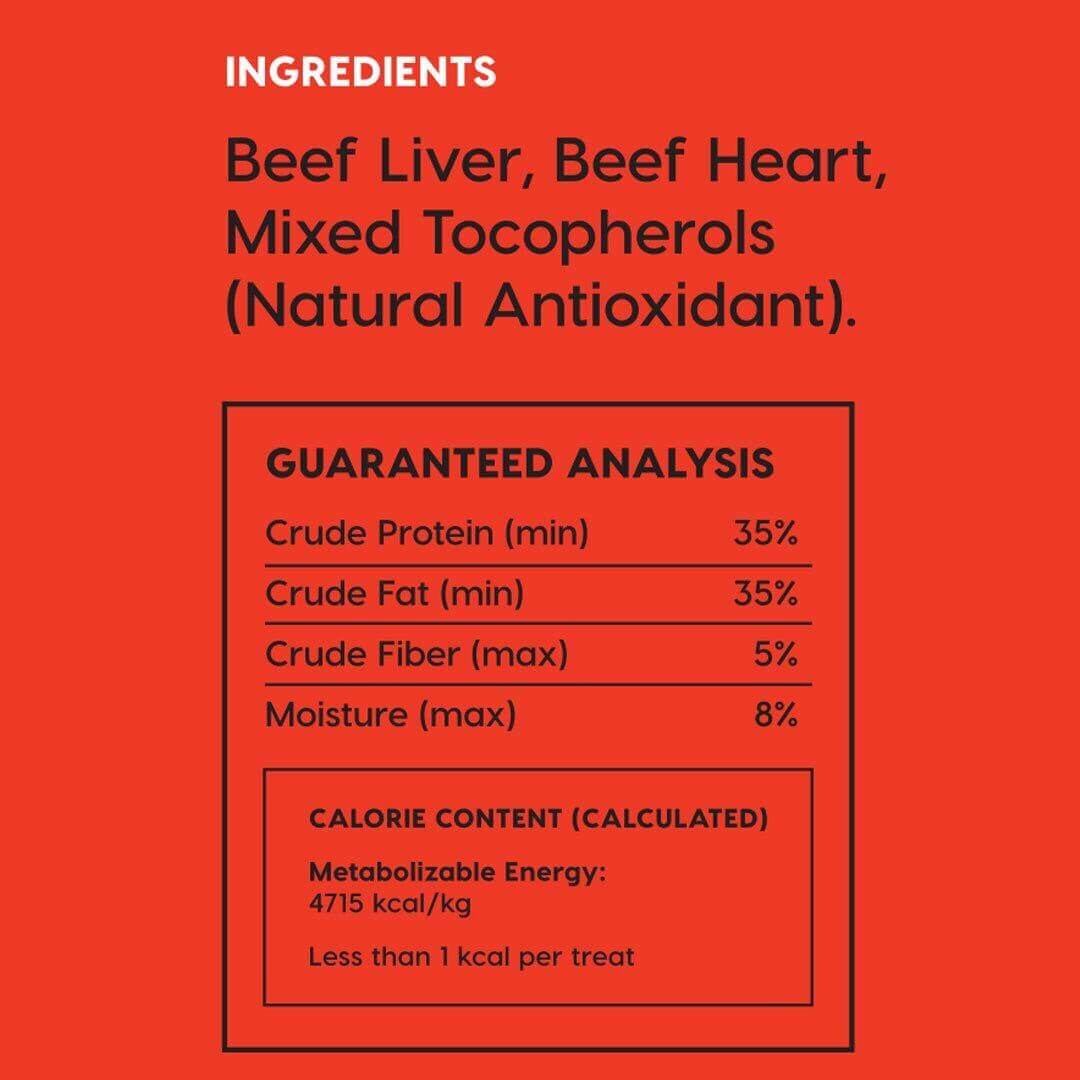
Image Source: pupford.b-cdn.net
What is a Guaranteed Analysis for Dog Treats?
A guaranteed analysis is a promise about the nutrient content of your dog treats. It lists basic amounts of specific things in the food. Think of it as a nutrition label for pets. It shows pet parents what they are feeding their furry friends.
This label is a legal requirement. It must be on every pet food product. This includes all dog treats. The label helps consumers compare different products. It also makes sure companies are honest about their treats.
Why is it Important?
- Safety: It helps ensure treats are not harmful.
- Trust: It builds trust with dog owners. They know what they are buying.
- Rules: It helps you follow the law. Both federal and state laws demand it.
- Quality: It shows you care about the quality of your treats.
Without this analysis, you cannot legally sell dog treats in many places. It is a cornerstone of responsible pet food making.
Why is a Guaranteed Analysis Essential for Dog Treats?
A guaranteed analysis is not just a fancy term. It is a must-have for anyone making or selling dog treats. Its importance goes beyond simple labeling. It touches on safety, trust, and legal standing.
1. Legal Compliance
The pet food industry is watched closely. Just like human food, pet food has rules. These rules protect animals and their owners.
- AAFCO Rules: AAFCO sets the standard for pet food labels. They create model bills for states. Most states follow AAFCO guidelines. This means your labels must meet their rules. The AAFCO guaranteed analysis format is widely accepted.
- FDA Rules: The FDA dog treat labeling rules are broad. They cover safety, proper labeling, and ingredient lists. The FDA works with states to enforce these rules. A correct guaranteed analysis shows you meet a key part of these rules.
- State Laws: Each state has its own feed laws. These often mirror AAFCO guidelines. A missing or wrong analysis can lead to fines or recalls. This hurts your business badly.
Meeting these rules protects your business. It prevents legal problems. It also shows you are a responsible producer.
2. Consumer Trust and Safety
Pet parents want the best for their dogs. They read labels. They look for clear information.
- Informed Choices: A guaranteed analysis lets pet owners see key nutrient levels. They can check if treats fit their dog’s diet needs. For example, a dog on a low-fat diet needs to know the fat content.
- Safety Assurance: Treats must be safe. High levels of some nutrients can harm dogs. Low levels can mean they do not get enough good things. The analysis helps ensure a balanced product.
- Transparency: Being open about your product builds trust. When you provide a clear analysis, it shows you have nothing to hide. This makes customers feel good about buying from you.
Happy, healthy dogs lead to happy, loyal customers.
3. Marketing and Claims
The guaranteed analysis can support marketing claims. It can show your treats are a good choice.
- Nutritional Claims: Do you say your treats are “high protein” or “low fat”? The guaranteed analysis backs up these claims. You cannot just say it; you must prove it with data.
- Targeted Diets: If your treats are for specific needs (e.g., active dogs, senior dogs), the analysis helps. It shows the nutrient profile is right for that group.
- Competitive Edge: A clear, complete label makes your treats stand out. It shows you follow best practices. This can give you an edge over competitors.
4. Nutritional Balance
Even treats add to a dog’s daily food intake. A balanced diet is key for dog health.
- Dietary Impact: Treats should not throw off a dog’s main diet. Knowing their nutrient profile helps. It helps owners give treats in moderation.
- Product Improvement: The analysis helps you refine your recipes. If protein is too low, you can add more meat. If fat is too high, you can change ingredients. This leads to a better product.
- Consistency: Testing helps you ensure each batch is the same. This means consistent quality. This is vital for dog treat quality control.
In short, a guaranteed analysis is not just a piece of paper. It is a core part of making safe, legal, and appealing dog treats. It builds trust and shows you care.
The AAFCO Guaranteed Analysis: Deciphering the Rules
AAFCO is a key player in pet food. It is not a government agency. Instead, it is an organization of state and federal officials. They set guidelines for animal feeds. This includes pet food. AAFCO aims to ensure pet foods are safe and labeled correctly. The AAFCO guaranteed analysis guidelines are followed by almost all states.
What AAFCO Requires on the Label
The AAFCO model regulations list what must be on a pet food label. For the guaranteed analysis, certain nutrients are mandatory.
- Crude Protein (Minimum): This is the total protein content. It is listed as a “minimum percentage.” This means there is at least this much protein. Protein is key for muscles, organs, and growth.
- Crude Fat (Minimum): This is the total fat content. It is also a “minimum percentage.” Fat gives energy and helps absorb vitamins.
- Crude Fiber (Maximum): This is the total fiber content. It is listed as a “maximum percentage.” This means there is no more than this much fiber. Fiber aids digestion.
- Moisture (Maximum): This is the water content. It is a “maximum percentage.” Higher moisture means less dry matter per serving.
What do “Crude” and “Minimum/Maximum” Mean?
- “Crude”: This term does not mean raw or unprocessed. It means “total” or “overall.” It refers to the lab method used to measure it. For example, “crude protein” measures all nitrogen in the food. Most nitrogen comes from protein.
- Minimum (Min): This means the product will have at least the stated percentage of that nutrient. It could have more. This is used for protein and fat.
- Maximum (Max): This means the product will have no more than the stated percentage of that nutrient. It could have less. This is used for fiber and moisture.
Here is a simple table of AAFCO’s mandatory nutrients for a guaranteed analysis:
| Nutrient | Unit | Requirement |
|---|---|---|
| Crude Protein | % | Minimum |
| Crude Fat | % | Minimum |
| Crude Fiber | % | Maximum |
| Moisture | % | Maximum |
Optional Nutrients
You can also list other nutrients if you want. If you make a claim about a nutrient, you must list it. For example, if you say “rich in Calcium,” you must show the calcium amount. Common optional nutrients include:
- Calcium (min/max)
- Phosphorus (min/max)
- Ash (max)
- Omega-3 Fatty Acids (min)
- Omega-6 Fatty Acids (min)
- Vitamins (min)
- Minerals (min)
Guaranteed Analysis Requirements: Formatting
AAFCO also sets rules for how the analysis looks on the label.
- It must be clearly labeled as “Guaranteed Analysis.”
- The order of nutrients is important. Protein, Fat, Fiber, Moisture, then others.
- Percentages must be shown with a decimal point. For example, “20.0%.”
- Units must be clear (e.g., “%” for percentages).
- The font size must be readable.
Following these detailed guaranteed analysis requirements ensures your treats are compliant. It shows you meet the industry standards set by AAFCO. This is a big step in proper dog treat nutrient composition labeling.
FDA Dog Treat Labeling: What You Need to Know
While AAFCO gives model guidelines, the U.S. Food and Drug Administration (FDA) has legal power. The FDA oversees the safety of pet food. This includes dog treats. They make sure treats are safe to eat. They also ensure labels are honest and not misleading.
The FDA does not approve pet food before it goes on sale. Instead, they monitor pet food companies. They enforce rules set by the Federal Food, Drug, and Cosmetic Act.
Key FDA Labeling Requirements
The FDA dog treat labeling rules go beyond just the guaranteed analysis. They cover the entire label. All parts of the label must be clear and accurate.
- Product Name: Clear and descriptive. It should tell consumers what the product is. For example, “Chicken Jerky Dog Treats.”
- Net Weight: This is the total weight of the product in the package. It must be listed in pounds and ounces, or in grams. Example: “Net Wt 8 oz (227g).”
- Ingredient List: This is very important. All ingredients must be listed. They are listed in order by weight. The ingredient present in the largest amount comes first. The ingredient present in the smallest amount comes last. Common names should be used (e.g., “chicken,” not “Gallus gallus domesticus”).
- Guaranteed Analysis: As discussed, this must be present. It lists the minimums for crude protein and crude fat, and maximums for crude fiber and moisture.
- Feeding Directions: While not always required for treats, it is good practice. It helps pet owners give the right amount. It helps avoid overfeeding.
- Name and Address of Manufacturer or Distributor: This must include the full name and address. It allows consumers to contact the company. It also tells regulators who made the product.
- Nutritional Adequacy Statement (if applicable): For treats, this is usually not needed. This statement is for “complete and balanced” pet foods. Treats are often “intermittent or supplemental feeding only.” If your treats are meant to be a full meal, this statement is a must.
Claims and Misleading Labels
The FDA strictly monitors claims made on labels.
- “Natural” or “Organic”: These terms have specific meanings. You cannot use them unless your treats meet strict standards. You need proof.
- Health Claims: If you say your treat helps with joint health, you need scientific evidence. Without proof, it is misleading.
- Guarantees: You cannot claim a product cures or prevents disease. This is a drug claim. Pet treats are foods, not drugs.
The FDA ensures that all parts of your label are truthful. They prevent false promises. Following these FDA rules, along with AAFCO guidelines, makes your dog treats ready for the market. It shows you care about safety and honesty in your dog treat quality control.
Nutritional Testing for Dog Treats: The Science Behind the Label
You cannot guess the nutrient levels in your treats. To get an accurate guaranteed analysis, you need science. This means sending your treats to a specialized lab. These labs perform nutritional testing for dog treats. They break down your product. They measure the exact amounts of key nutrients.
Proximate Analysis Pet Food: The Foundation
The main type of testing for guaranteed analysis is called proximate analysis pet food. This is a group of tests. It measures the major nutrient groups in a food sample. It helps determine the approximate composition of the treat. These tests give you the values for crude protein, crude fat, crude fiber, and moisture. They also often measure ash and carbohydrates.
Here are the common tests done in a proximate analysis:
Moisture Content:
- What it measures: The total water in the treat.
- How it works: A small sample of the treat is weighed. Then it is dried in a special oven. All the water evaporates. The sample is weighed again. The weight loss is the moisture content.
- Why it matters: High moisture can mean shorter shelf life. It also affects the concentration of other nutrients. AAFCO requires a maximum moisture level.
Crude Protein Testing:
- What it measures: The total nitrogen in the treat. Since most protein contains nitrogen, this tells you the protein level.
- How it works: The most common method is the Kjeldahl method or Dumas method. These methods break down the sample. They then measure the nitrogen released. This nitrogen is converted to a protein percentage.
- Why it matters: Protein is vital for growth, muscle repair, and overall health. AAFCO requires a minimum protein level.
Crude Fat Testing:
- What it measures: The total fat content in the treat.
- How it works: The most common method is solvent extraction (e.g., Soxhlet method). The sample is exposed to a chemical solvent. This solvent dissolves the fat. The solvent then evaporates, leaving the fat behind to be weighed.
- Why it matters: Fat provides energy and helps absorb vitamins. AAFCO requires a minimum fat level.
Crude Fiber Testing:
- What it measures: The indigestible plant matter in the treat. This is often cellulose, hemicellulose, and lignin.
- How it works: The sample is treated with acids and bases. This dissolves proteins, fats, and starches. What is left is fiber.
- Why it matters: Fiber helps with digestion and bowel health. AAFCO requires a maximum fiber level.
Ash Content:
- What it measures: The total mineral content in the treat.
- How it works: The sample is heated in a high-temperature oven (muffle furnace). All organic matter burns away. Only the inorganic minerals (ash) remain. These are then weighed.
- Why it matters: Ash itself is not a nutrient. But a very high ash content can mean a lower amount of digestible nutrients. Minerals are important for bones and other functions.
Nitrogen-Free Extract (NFE) / Carbohydrates:
- What it measures: This is often calculated, not directly measured. It represents the digestible carbohydrates (starches and sugars).
- How it works: It is calculated by subtracting the percentages of moisture, crude protein, crude fat, crude fiber, and ash from 100%. NFE = 100% – (%Moisture + %Crude Protein + %Crude Fat + %Crude Fiber + %Ash).
- Why it matters: Carbohydrates provide energy.
Why is Lab Testing Crucial for Dog Treat Nutrient Composition?
- Accuracy: Lab tests give precise numbers. Recipes change. Ingredients vary. Only lab testing gives the real numbers.
- Compliance: You cannot get a legal guaranteed analysis without lab data.
- Safety: Knowing the exact nutrient profile helps ensure the treats are safe and balanced.
- Claims Validation: Any nutritional claims you make must be backed by science.
- Formulation Insight: The results help you improve your recipes. If you want higher protein, the tests show if you achieved it. This is key for dog treat quality control.
This systematic nutritional testing for dog treats is the backbone of safe and legal treat production. It ensures your dog treat nutrient composition is exactly what your label says it is.
Choosing the Right Pet Food Analytical Labs
Selecting the right lab for pet food analysis services is a critical step. Not all labs are equal. The results you get from the lab directly impact your product’s legal standing and credibility.
What to Look For in a Lab:
- Accreditation: This is perhaps the most important factor.
- ISO 17025 Accreditation: Look for labs that are ISO 17025 accredited. This means they meet international standards for technical competence and management systems. It assures you that their methods are sound and their results are reliable.
- AAFCO Recognition: Some labs are recognized by AAFCO for specific test methods. This is a strong indicator of their expertise in pet food testing.
- Experience with Pet Food:
- Does the lab specialize in, or have extensive experience with, pet food testing?
- Do they understand AAFCO and FDA requirements?
- Labs that regularly work with pet food companies will be more familiar with the nuances of dog treat nutrient composition.
- Services Offered:
- Do they offer the full suite of proximate analysis pet food tests (protein, fat, fiber, moisture, ash)?
- Can they do crude protein crude fat testing specifically?
- Can they test for other nutrients you might want (minerals, vitamins, amino acids, fatty acids)?
- Do they offer microbiological testing for safety (e.g., salmonella, E. coli)? This is often needed in addition to nutritional analysis.
- Turnaround Time:
- How quickly do they provide results? Fast turnaround times are important for product launch and ongoing dog treat quality control.
- Do they offer rush services if needed?
- Cost:
- Get quotes from several labs. Prices can vary.
- Understand what is included in the price (e.g., all tests for guaranteed analysis, report format).
- Do not always choose the cheapest option. Quality and reliability are worth the investment.
- Customer Service and Communication:
- Are they responsive to your questions?
- Do they explain the results clearly?
- Can they help you interpret the data for your labeling? Good communication is vital.
Questions to Ask Potential Labs:
- “Are you ISO 17025 accredited for pet food analysis?”
- “What specific test methods do you use for crude protein, crude fat, crude fiber, and moisture?”
- “What is your typical turnaround time for a guaranteed analysis package?”
- “Can you provide a sample lab report so I know what to expect?”
- “Do you offer any assistance in interpreting the results for AAFCO labeling?”
- “What is your protocol for sample submission and handling?”
- “What are your fees for a standard guaranteed analysis package?”
By doing your homework and choosing a reputable pet food analytical lab, you ensure that your guaranteed analysis is accurate, reliable, and compliant. This is a fundamental step in producing safe and legal dog treats.
The Process: From Treat to Test Result
Once you have chosen a pet food analytical lab, the next step is to send them your dog treats. The process is straightforward, but it requires careful attention to detail. This ensures your samples are handled correctly and results are accurate.
1. Sample Preparation
- Quantity: Ask the lab how much sample they need. It is often a specific weight (e.g., 100-250 grams). Provide a little more than they ask for, just in case.
- Homogeneity: The sample should represent the entire batch of treats. If your treats vary in size or texture, grind them together or take pieces from many different treats to get a truly mixed sample. This ensures the results reflect the average dog treat nutrient composition.
- Packaging: Use clean, airtight bags or containers. This prevents contamination and moisture changes. Ziploc bags are usually fine for dry treats. Label them clearly with your company name, product name, and date.
- Storage: Store samples properly before shipping. For dry treats, a cool, dry place is fine. If your treats are moist or contain fresh ingredients, they might need to be refrigerated or frozen before shipping, and shipped with ice packs. Ask your lab for specific guidance.
2. Submission Forms and Paperwork
- Most labs have online portals or forms you need to fill out.
- Product Information: You will need to provide details about your product. This includes the product name, intended use (e.g., “dog treat for supplemental feeding”), and possibly your recipe if the lab offers formulation review services.
- Tests Requested: Clearly list the specific tests you need. For a guaranteed analysis, you will request proximate analysis pet food tests (Crude Protein, Crude Fat, Crude Fiber, Moisture, and usually Ash). You might also request specific mineral or vitamin tests.
- Contact Information: Provide accurate contact details for billing and results.
- Chain of Custody: Some labs require a chain of custody form. This tracks who handled the sample at each step. This adds to the credibility of the results.
3. Shipping the Samples
- Follow the lab’s shipping instructions carefully.
- Use a reliable shipping service (e.g., FedEx, UPS, USPS).
- Package securely to prevent damage during transit.
- Consider tracking and insurance for your shipment.
4. Lab Analysis and Testing
- Once the lab receives your samples, they will log them in.
- They will perform the requested pet food analysis services. This includes the crude protein crude fat testing, fiber, and moisture tests. They use precise equipment and standardized methods.
- Tests can take a few days to a few weeks, depending on the lab’s workload and the complexity of the tests.
5. Interpreting the Lab Report
- The lab will send you a report. This report will list the results for each test.
- Units: Pay attention to the units (e.g., “%,” “mg/kg”). For guaranteed analysis, percentages are key.
- As-Fed vs. Dry Matter Basis: Results are usually given on an “as-fed” basis. This means the nutrient level as it is in the treat you feed. Some reports also show “dry matter basis.” This removes the moisture content. Dry matter basis is useful for comparing treats with different moisture levels.
- Simple example: If your treat has 10% moisture and 20% protein (as-fed), on a dry matter basis it would be 20% / (1 – 0.10) = 20% / 0.90 = 22.2% protein.
- Reference Values: Compare your results to AAFCO guidelines. Remember, protein and fat are minimums, fiber and moisture are maximums.
- Troubleshooting: If results are unexpected (e.g., much lower protein than your recipe suggests), contact the lab. There might be an issue with the sample or the test. Or, your recipe might need tweaking.
6. Using Results for Labeling
- Take the “as-fed” results from your lab report.
- Use these numbers directly for your guaranteed analysis panel on your dog treat labels.
- Make sure you list them in the correct AAFCO order and with the right “Min” or “Max” statements.
- Keep the lab report for your records. It is proof you followed the rules.
This methodical approach to testing ensures that your guaranteed analysis requirements are met. It provides factual backing for your product label. This is crucial for both compliance and consumer confidence.
Ensuring Dog Treat Quality Control
Getting a guaranteed analysis for your first batch of treats is a vital first step. But dog treat quality control does not stop there. It is an ongoing process. Consistent quality keeps your customers happy. It also keeps your business safe from recalls or legal issues.
Why Ongoing Quality Control Matters:
- Ingredient Variation: Ingredients are natural products. Their nutrient levels can change. For example, the protein in one batch of chicken might be slightly different from the next.
- Production Variation: Even small changes in your mixing or baking process can affect the final product. Differences in cooking time or temperature can change moisture levels.
- Compliance: You must consistently meet your guaranteed analysis. A single batch that fails could lead to problems.
- Brand Reputation: Customers expect consistency. If your treats vary greatly, they might lose trust.
Key Aspects of Ongoing Quality Control:
Batch Testing:
- Regular Testing: It is wise to perform nutritional testing for dog treats on a regular basis. This could be every few months, every few batches, or whenever you change a supplier or process.
- Microbial Testing: In addition to nutrient testing, regularly test for harmful bacteria (like Salmonella, E. coli). This is critical for safety. Pet food recalls often happen due to contamination.
- Mycotoxin Testing: If your ingredients (especially grains or nuts) are prone to molds, test for mycotoxins. These are toxic compounds produced by molds.
Consistency in Ingredients:
- Supplier Relationships: Work with reliable suppliers. Ask for their own Certificates of Analysis for ingredients. This helps you track their quality.
- Ingredient Specifications: Set clear quality standards for your raw materials. For example, specify minimum protein levels for meat ingredients.
- Storage: Store ingredients properly. This prevents spoilage and nutrient loss. Keep them in a cool, dry place. Protect them from pests.
Consistency in Manufacturing:
- Standard Operating Procedures (SOPs): Write down every step of your treat-making process. This ensures everyone follows the same method every time.
- Equipment Calibration: Regularly check and calibrate your scales, ovens, and other equipment. This ensures accurate measurements and consistent cooking.
- Batch Records: Keep detailed records for each batch. Note down ingredient weights, cooking times, temperatures, and any issues. This helps trace problems if they arise.
Sensory Evaluation:
- Look, Smell, Feel: Before and after packaging, check your treats. Do they look right? Do they smell normal? Do they have the right texture? This simple check can catch many issues early.
- Taste Test (for humans): While not for consumption by humans, you can (and should) taste your ingredients for quality.
Packaging and Storage of Finished Product:
- Proper Packaging: Ensure your packaging protects the treats from moisture, light, and air. This helps maintain freshness and nutrient levels.
- Shelf Life Testing: Consider sending samples for shelf-life stability testing. This determines how long your treats will stay fresh and safe. It helps you set “best by” dates.
The Role of Pet Food Analysis Services in QC:
Reputable pet food analytical labs are your partners in quality control. They provide the objective data you need. Regular testing helps you:
- Spot trends in nutrient levels.
- Identify issues with suppliers or production processes.
- Prove due diligence in case of a problem.
- Maintain the integrity of your AAFCO guaranteed analysis label.
Think of quality control as an ongoing commitment. It is not a one-time task. It protects your brand, your customers, and the dogs who enjoy your treats.
Common Mistakes to Avoid
Making dog treats involves many steps. When it comes to guaranteed analysis and labeling, some common mistakes can lead to big problems. Knowing what to avoid saves you time, money, and hassle.
Guessing Nutrient Values:
- Mistake: Assuming you know the exact protein or fat in your ingredients. Or using generic nutrient databases for your finished product.
- Why it’s wrong: Ingredients vary. Recipes change how nutrients combine. Cooked values are different from raw. Guessing leads to inaccurate labels. This can be misleading to consumers and is against the law.
- Solution: Always use a qualified pet food analytical lab for actual nutritional testing for dog treats.
Ignoring AAFCO and FDA Guidelines:
- Mistake: Not reading or understanding the detailed rules set by AAFCO and FDA.
- Why it’s wrong: These bodies set the legal standards. Ignoring them means your labels are not compliant. This can result in fines, product recalls, or even having your product removed from the market.
- Solution: Get familiar with AAFCO’s official publications. Visit the FDA’s website section on animal food. If unsure, consult an expert in pet food labeling. Make sure your guaranteed analysis requirements are met precisely.
Using Non-Accredited or Unreliable Labs:
- Mistake: Choosing a lab based solely on price, or one that lacks proper accreditation.
- Why it’s wrong: Unreliable labs give unreliable results. This means your guaranteed analysis could be wrong. It opens you up to legal challenges. If there is a problem, their data might not hold up.
- Solution: Always choose an ISO 17025 accredited lab with a proven track record in pet food analysis services. Look for expertise in proximate analysis pet food.
Inconsistent Sample Submission:
- Mistake: Sending different types of samples each time. Or not mixing the sample well.
- Why it’s wrong: Inconsistent samples lead to inconsistent results. If your sample is not truly representative of the batch, your guaranteed analysis will be skewed.
- Solution: Follow the lab’s specific instructions for sample preparation and submission. Make sure each sample is uniform and represents the final product.
Poor Record-Keeping:
- Mistake: Not keeping detailed records of your lab reports, ingredient suppliers, batch numbers, and production dates.
- Why it’s wrong: If there is a problem or a recall, you need to show you did your due diligence. Without records, it is hard to trace issues or prove compliance.
- Solution: Keep all lab reports, ingredient invoices, and production logs organized and accessible. This is a core part of dog treat quality control.
Misinterpreting Lab Results:
- Mistake: Not knowing the difference between “as-fed” and “dry matter” basis. Or misapplying minimum/maximum values.
- Why it’s wrong: Your label could be wrong if you use the wrong numbers. For instance, using “dry matter” percentages on an “as-fed” label would make your product look much higher in nutrients than it is.
- Solution: Understand what each value means. Ask your lab for help if you are unsure. Remember protein and fat are minimums; fiber and moisture are maximums.
Overlooking Minor Changes in Ingredients or Process:
- Mistake: Changing a supplier, adjusting a cooking temperature, or substituting a minor ingredient without re-testing.
- Why it’s wrong: Even small changes can impact the final dog treat nutrient composition. This could make your existing guaranteed analysis inaccurate.
- Solution: Whenever there is a significant change in ingredients, suppliers, or manufacturing processes, it is wise to perform new nutritional testing for dog treats.
Avoiding these common pitfalls will help ensure your dog treats are legally compliant and safe for all the furry friends who enjoy them. It secures your business’s reputation and success.
Benefits of a Proper Guaranteed Analysis
Investing time and resources into getting a proper guaranteed analysis for your dog treats offers many powerful benefits. It is more than just following the rules. It sets your business up for long-term success and growth.
Legal Compliance and Market Access:
- No Fines or Recalls: The most direct benefit. A correct analysis prevents penalties from regulatory bodies. It avoids costly product recalls that can ruin a brand.
- Sell in More Places: Many states require proper labeling before you can sell pet food. A compliant guaranteed analysis opens up wider markets for your treats.
- Smooth Inspections: When inspectors visit, having your documentation in order makes the process much smoother.
Stronger Consumer Trust and Loyalty:
- Transparency: Pet parents are more educated than ever. They want to know what they are feeding their dogs. A clear, accurate label shows you are transparent.
- Confidence in Quality: When customers see a professional guaranteed analysis, they feel confident in the product’s quality and safety. This builds trust.
- Repeat Business: Trusted brands get repeat customers. Happy, healthy dogs mean happy owners who will keep buying your treats.
Competitive Advantage:
- Stand Out: In a crowded market, a fully compliant and clearly labeled product stands out. Many smaller makers might skip this crucial step.
- Professional Image: It shows you are a serious business, committed to best practices. This can attract retailers and distributors.
- Backing Up Claims: If you want to market your treats as “high protein” or “low fat,” the guaranteed analysis provides the scientific proof. This makes your marketing powerful and credible.
Product Improvement and Innovation:
- Recipe Optimization: The lab results give you hard data on your treat’s dog treat nutrient composition. You can use this to tweak recipes. Need more protein? The analysis tells you if your changes work.
- Targeted Products: If you want to make treats for specific needs (e.g., puppies, senior dogs, dogs with allergies), the analysis helps you create precise nutritional profiles.
- Consistent Product: Ongoing dog treat quality control with regular testing ensures each batch is consistent. This is vital for customer satisfaction.
Risk Management:
- Proof of Due Diligence: If a dog has an adverse reaction, or if there is a complaint, your lab reports show you took all reasonable steps to ensure product safety and accurate labeling. This protects your business from lawsuits.
- Identify Issues Early: Regular pet food analysis services can spot ingredient inconsistencies or production errors before they become major problems.
In essence, a proper guaranteed analysis is an investment in your brand’s future. It is a cornerstone of responsible pet food manufacturing. It ensures legal compliance, fosters consumer trust, and positions your dog treats for lasting success in the market.
Frequently Asked Questions (FAQ)
Q1: How much does it cost to get a guaranteed analysis for dog treats?
A1: The cost varies greatly depending on the lab, the number of tests you need, and the turnaround time. A basic proximate analysis package (protein, fat, fiber, moisture, ash) usually ranges from $200 to $500 per sample. More extensive testing (minerals, vitamins, amino acids, microbial) will cost more. Always get quotes from a few different pet food analytical labs.
Q2: How long does it take to get a guaranteed analysis report?
A2: Standard turnaround times range from 5 to 15 business days after the lab receives your sample. Some labs offer rush services for an extra fee, which can reduce the time to 2-3 business days. Discuss timelines with your chosen lab.
Q3: Can I calculate the guaranteed analysis myself based on my ingredients?
A3: No, you cannot. While you can estimate nutrient values based on ingredient databases, these are not accurate enough for a legal guaranteed analysis. The actual dog treat nutrient composition changes during cooking and processing. Only nutritional testing for dog treats by an accredited lab can provide the accurate data required for your label.
Q4: Do I need a guaranteed analysis for every batch of treats?
A4: You generally need a guaranteed analysis for each distinct product formulation. If your recipe or ingredients change, you should re-test. For ongoing dog treat quality control, it is highly recommended to perform batch testing regularly (e.g., every few months or every X number of batches) to ensure consistency and continued compliance with your label claims.
Q5: What happens if my guaranteed analysis results are different from what I expected?
A5: This is common! Lab results often differ from estimations. If the results are very different, first contact the lab to confirm there were no errors. Then, review your recipe and process. You may need to adjust your recipe or your AAFCO guaranteed analysis label to accurately reflect the lab findings. This data helps you improve your treats.
Q6: What is the difference between “as-fed” and “dry matter” basis?
A6: “As-fed” means the nutrient content in the treat as it is fed to the dog, including its moisture. This is what goes on your label. “Dry matter” means the nutrient content if all the moisture were removed. Labs often provide both. Dry matter basis is useful for comparing the nutrient density of treats with different moisture levels.
Q7: Do I need to test for anything else besides protein, fat, fiber, and moisture?
A7: For the basic guaranteed analysis requirements, these four are mandatory. However, many companies also test for ash (total minerals). If you make any claims about other nutrients (e.g., “rich in Omega-3,” “contains Calcium”), you must test for those and list them on your label. It is also highly recommended to perform microbial safety testing (e.g., Salmonella, E. coli).