
Ultimate Guide: How To Keep Dog Cage Warm All Year
Keeping your dog’s cage warm all year is very important for their health and happiness. A warm cage helps your dog stay safe from cold. It stops them from getting sick. You can keep a dog cage warm by using good insulation, heated beds or mats, and safe heaters. You can also use special covers and plenty of soft bedding. This guide will show you how to make your dog’s space cozy and safe in every season.
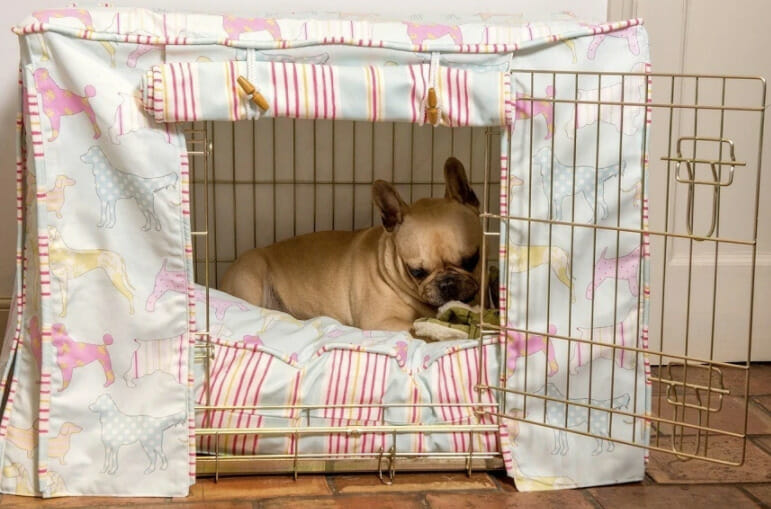
Image Source: www.doggietoys.deals
The Need for Warmth: Keeping Your Dog Cozy
Dogs need a warm, safe place to rest. Just like people, dogs can get too cold. This can make them sick. Very cold weather can cause hypothermia. This is when a dog’s body gets too cold to work right. It can be very dangerous. Even mild cold can make old dogs or sick dogs uncomfortable. It can make their joints hurt more. Puppies also need extra warmth. They cannot control their body heat well.
A warm space makes your dog happy. They feel safe and calm. It also helps them recover if they are ill. A good warm spot is key for a dog’s health, no matter their age or breed.
Picking the Best Shelter: More Than Just a Box
The first step is choosing the right cage or house. Think about where it will be. Will it be inside your home? Or outside in your yard?
Indoor Cages:
For inside use, a wire crate is common. But it offers little warmth. You will need to add things to make it warm. A plastic crate holds heat better. A soft-sided crate is also good for indoor use.
Outdoor Dog Houses:
An outdoor dog house must be strong. It needs to keep out wind and rain. Wood houses are good. Plastic ones can also work. Choose a house that is just the right size. If it is too big, your dog’s body heat cannot warm it up. If it is too small, your dog will not be comfy.
Size Matters:
A dog should be able to stand up. They should turn around easily. They should lie down stretched out. No more space is needed. A snug fit helps keep heat inside.
Materials that Help:
* Wood: A good natural insulator. But it can rot if not cared for.
* Plastic: Easy to clean. Can be thick to hold heat.
* Metal (Wire): Very poor for warmth alone. Needs a lot of help.
* Straw or Cedar Shavings: Great for outdoor bedding. They trap heat well.
Boosting Insulation: First Line of Defense
Insulation is like a warm blanket for the dog’s cage. It stops heat from escaping. It also stops cold from coming in. Adding good insulation is a key step. It helps keep the cage warm without using a lot of power.
Dog Crate Insulation:
For indoor wire crates, you can add insulation easily.
* Cardboard: Cut cardboard to fit the sides. Tape it on the outside. This is a quick fix.
* Foil-backed foam board: This is better. You can buy it at hardware stores. Cut pieces to fit the sides and top. Tape them to the outside of the crate. Make sure the shiny side faces in. This reflects heat back into the crate.
* Bubble wrap: A layer of large bubble wrap can help. It traps air.
* Heavy blankets: Drape thick blankets or quilts over the top and sides. This makes a warm tent. Leave one side open for air. Make sure your dog cannot pull them in to chew.
Insulated Pet Enclosure:
This is about making the whole space warmer. For an outdoor dog house, this is very important.
* Walls: You can add foam board insulation to the inside walls. Make sure to cover it with thin plywood. This stops your dog from chewing it.
* Floor: Cold ground steals heat. Put a layer of foam board or straw on the floor. Then add thick bedding on top. Elevate the dog house off the ground. Use bricks or wooden blocks. This stops cold from rising through the floor.
* Roof: Insulate the roof. Heat rises, so a lot of heat escapes through the roof. A layer of foam board under the roof helps.
* Door: A flap door helps keep heat in. It also keeps wind out. Use heavy vinyl or canvas. Make sure it is easy for your dog to go in and out.
Thermal Kennel Cover:
A thermal kennel cover is a special fabric cover. It fits over a wire crate like a glove. These covers are made from strong, warm fabrics. They often have an inner thermal layer.
* How they work: They block drafts. They hold in your dog’s body heat. They make the crate darker, which can help a dog feel safer and sleep better.
* Benefits: Easy to use. They look neat. They are safer than loose blankets if your dog chews.
* Where to buy: Pet stores and online shops sell them. Get one that fits your crate size exactly.
Sealing Gaps and Drafts:
Even a small crack can let in a lot of cold air. Check your dog’s house or crate for gaps.
* Outdoor houses: Use caulk to seal small cracks. Add weather stripping around the door. This stops wind.
* Indoor crates: Make sure blankets or covers touch the floor. This stops cold air from flowing under.
Here is a table about different insulation materials:
| Insulation Material | Type | Best Use | Pros | Cons |
|---|---|---|---|---|
| Foam Board | Rigid | Walls, floors, roofs of outdoor houses; outside of wire crates | Very good insulator, light, easy to cut | Needs covering inside outdoor house, can be chewed |
| Heavy Blankets/Quilts | Soft | Over wire crates, extra bedding | Easy to use, cheap, adds warmth | Can be chewed, can hold dampness, not for very cold outside |
| Straw | Loose | Outdoor dog house bedding | Excellent insulator, natural, cheap | Can be messy, needs changing often, not for inside |
| Thermal Kennel Cover | Fabric | Over wire crates | Fits well, traps heat, safe, neat | Can be pricey, only for crates, not for houses |
| Bubble Wrap | Thin sheet | On outside of wire crates or windows | Cheap, traps air, light | Not very strong, not for heavy use, can look bad |
Active Heating Solutions: Adding Warmth Directly
Sometimes, insulation is not enough. You might need to add heat. These are active heating solutions. They use power to create warmth. Always put safety first when using these items.
Heated Dog Bed:
A heated dog bed is like an electric blanket for your dog. They are very popular.
* Types:
* Electric heated beds: Plug into an outlet. They have a built-in heating element. Some have timers or temperature controls.
* Self-warming beds: These use your dog’s body heat. They have special layers that reflect heat back. They do not need power. They are good for mild cold.
* Safety Tips:
* Look for beds made for pets. These are safer.
* Check cords for chewing. Dogs can get hurt if they chew electric cords.
* Use low heat settings. Your dog should be able to move off the bed if too warm.
* Do not cover electric beds too much. This can make them too hot.
* Place them on a flat, safe surface.
Dog Warming Mat:
A dog warming mat is often thinner than a full bed. It can go under your dog’s regular bedding.
* Use: Great for adding gentle heat to a crate or a specific spot in a dog house.
* Features: Many are waterproof. This is good for puppies or older dogs who might have accidents. They come in different sizes. Some are very low power.
* Safety: Just like heated beds, check the cords often. Make sure your dog cannot chew them. Place them on a solid surface.
Outdoor Dog House Heater:
For dogs that live outside, a special heater for their house is a big help.
* Types of Heaters:
* Radiant Heaters: These warm objects, not the air. They are often panels on the wall or ceiling. They are safe. They do not get very hot to the touch. They use less power.
* Forced Air Heaters: Like a small fan heater. They blow warm air. They are not as common for dog houses. They can be noisy. They can dry out the air.
* Heated Mats/Pads: Large versions of dog warming mats. They cover a good part of the floor.
* Important Safety Rules:
* Made for Dogs: Only use heaters made for dog houses. Home heaters can be too hot. They can cause fires.
* Thermostat Control: Look for heaters with a thermostat. This stops the house from getting too hot or too cold. It keeps a steady warmth.
* Placement: Mount heaters high up or on a wall. This keeps them away from bedding. It stops your dog from touching them.
* Chew-Proof Cords: Make sure all wires are safe. They should be chew-proof. Run them in a way your dog cannot reach.
* Ventilation: Even with a heater, fresh air is important. Small vents near the top of the house help. They stop damp air from building up.
Pet Safe Heating Pad:
These are special heating pads. They are designed for pets. They are different from human heating pads.
* Low Voltage: Many use low voltage. This makes them safer.
* Fixed Temperature: They often have a set temperature. It is just warm enough for a pet. It is not too hot.
* Chew-Proof Cords: Often have steel-wrapped cords. This stops chewing.
* Uses: Good for puppies, old dogs, or sick dogs. They can give direct warmth. Place them under a blanket, not directly on the dog.
Kennel Heating Solutions:
This is a broad term for all ways to heat a kennel. It can mean big systems for multiple kennels. Or it can mean single-use items.
* Infrared Lamps: These are used in some kennels. They give off a lot of heat. They need careful use. They can get very hot. They must be far from flammable things.
* Heat Lamps (non-infrared): Use a special bulb. Can be dangerous if knocked over. Not usually recommended for home dog houses.
* Radiant Floor Heating: For very fancy setups. Pipes with warm water run under the floor. This provides even, gentle heat. It is a big project.
Here is a table comparing active heating solutions:
| Heating Solution | Type | Best Use | Pros | Cons |
|---|---|---|---|---|
| Heated Dog Bed | Electric/Self-warming | Indoor crates, dog house floor | Comfortable, easy to use, direct warmth | Can be chewed, electric ones need power |
| Dog Warming Mat | Electric | Under bedding in crates, small areas | Gentle heat, waterproof options | Needs flat surface, electric ones need power |
| Outdoor Dog House Heater | Electric (Radiant/Panel) | Outdoor dog houses | Keeps whole house warm, safe types available | Needs power, can be pricey, proper installation needed |
| Pet Safe Heating Pad | Electric (Low-voltage) | Puppies, sick dogs, specific warm spots | Very safe, low heat, durable cords | Small size, not for heating whole space |
| Self-warming Beds | Passive | Indoor crates, mild outdoor temps | No power needed, safe, easy to move | Only uses body heat, not for very cold weather |
Bedding and Liners: Softness and Warmth Combined
The right bedding adds a lot of warmth. It is also soft and comfy.
* Fleece Blankets: Soft, warm, and easy to wash. They are good for indoor crates.
* Old Clothes/Towels: Free and easy. But they can get flat fast. They might not offer much warmth.
* Special Dog Beds: Many types are available. Choose one that is thick. It should keep your dog off the cold floor. Look for beds with removable covers for washing.
* Cedar Shavings (Outdoor): For outdoor dog houses. Cedar smells nice. It keeps bugs away. It is very good at trapping heat. It is also cheap.
* Straw (Outdoor): One of the best for outdoor dog houses. It is cheap. It creates a warm nest. It is good at wicking away dampness.
* Avoid Cotton for Outdoor: Cotton can get wet easily. It stays wet. This makes it cold.
Layering for Warmth:
Use layers of bedding. Start with a thick mat. Add a soft blanket or two. This traps more air. Air is a great insulator.
Keeping Bedding Dry:
Wet bedding is cold bedding. It can make your dog sick.
* Change bedding often.
* If your dog house leaks, fix it.
* If your dog has accidents, clean them right away.
* For outdoor houses, make sure rain cannot blow in.
Airflow and Ventilation: A Delicate Balance
Even though you want warmth, fresh air is still very important.
* Why ventilation?
* Prevents dampness: Dogs breathe out moisture. Damp air feels colder. It can lead to mold and mildew.
* Gets rid of smells: Stale air smells bad.
* Keeps air fresh: Good air helps prevent sickness.
* How to balance:
* Outdoor Houses: Have small vents high up. These let stale air out. They do not let in cold drafts. A small gap under the roof can work.
* Indoor Crates: Do not seal the crate completely. Always leave a part open. This lets air move. If using a thermal cover, make sure it has mesh windows. Or roll up a flap.
Too much ventilation lets all the heat out. Too little makes the air bad. A small amount of airflow is best.
Adapting to Seasons: All-Year Comfort
Keeping a dog cage warm all year means changing things. What works in winter might be too much in summer.
Winter Dog Shelter Tips:
Winter is when warmth is most needed.
* Double Insulation: Use foam board and thick blankets.
* Active Heating: A heated dog bed or outdoor dog house heater is key.
* Draft-Proofing: Seal every crack. Use a door flap.
* Elevate the House: Keep it off the cold ground.
* Deep Bedding: Fill the house with straw or thick blankets.
* Water: Make sure your dog’s water does not freeze. Use a heated water bowl.
* Consider a Coat: For short-haired dogs, a dog coat adds warmth.
Summer Considerations:
In summer, the goal changes. You still want comfort, but now it is about staying cool.
* Remove Heavy Bedding: Take out extra blankets. Use a cooling mat.
* Good Ventilation: Open up vents. Remove thermal covers.
* Shade: Place outdoor cages in a shady spot. Use a sun tarp.
* Cooling Mats/Beds: These are gel-filled mats. They absorb body heat. They help dogs cool down.
* Plenty of Water: Always have fresh, cool water available.
* Avoid Direct Sun: Do not put cages in direct sunlight. This can cause heatstroke.
Monitoring Your Dog’s Comfort: Signs to Watch For
You need to know if your dog is too hot or too cold. Watch their actions. Check their body.
Signs Your Dog is Too Cold:
* Shivering: Just like people, dogs shiver when cold.
* Curling Up Tight: They might curl into a very small ball. This saves heat.
* Hunching: They might hunch their back.
* Cold Ears/Paws: Feel their ears and paws. If they are very cold, your dog is cold.
* Whining/Restlessness: They might try to get your attention. Or they might move around a lot, trying to find a warmer spot.
* Trying to Get Closer to You: They might try to lie on you for warmth.
Signs Your Dog is Too Hot:
* Panting Heavily: This is how dogs cool down.
* Drooling: More drool than normal.
* Fast Breathing: Faster than normal.
* Looking for Cool Spots: They might try to lie on cool tiles or hard floors.
* Vomiting or Diarrhea: These are signs of heatstroke. Get help right away.
* Lethargy: They seem very tired or slow.
* Bright Red Gums/Tongue: A sign of heatstroke. This is serious.
If your dog shows signs of being too cold, add more warmth. If they are too hot, help them cool down. Always check on them, especially in very hot or cold weather.
Safety First: Crucial Precautions
Safety is the most important thing. Especially when using anything that uses power.
Electrical Safety:
* Check Cords: Look for frays, cuts, or chew marks. If a cord is damaged, do not use it.
* Chew-Proof Cords: Buy products with chew-proof cords. If not, protect them. Run cords inside pipes. Or hide them where your dog cannot reach.
* Outdoor Use: Only use products rated for outdoor use if they are outside. They must be safe in rain or snow.
* No Extension Cords: Try to avoid using extension cords. If you must, use a heavy-duty, outdoor-rated cord. Keep connections dry.
* Unplug When Not Home: Unplug heating items when you leave the house. This stops fire risks.
Fire Prevention:
* No Loose Bedding Near Heaters: Keep blankets and straw away from heating elements.
* Proper Mounting: Mount heaters on walls or ceilings. Follow the maker’s instructions.
* Cleanliness: Keep the area around heaters clean. No dust or dirt build-up.
* Never Overheat: Do not try to make the cage too hot. Use a thermostat.
Chewing Hazards:
* Insulation: If you use foam board inside, cover it with wood. Dogs can chew insulation. It is not safe to eat.
* Bedding: Some dogs chew bedding. Make sure blankets do not have small pieces that can be swallowed.
* Heated Items: Always make sure your dog cannot chew the heating device itself. Some have metal guards.
Installation and Maintenance:
* Read Manuals: Always read the instructions for any product.
* Regular Checks: Check heaters, cords, and insulation often. Look for wear and tear.
* Clean Regularly: Keep the cage clean. This helps with air quality. It also lets you check things.
By following these safety tips, you can make sure your dog stays warm and safe all year long.
Frequently Asked Questions (FAQ)
Q: Can I use a regular human heating pad for my dog?
A: No, it is not safe. Human heating pads get too hot for dogs. They can cause burns. They also do not have chew-proof cords. Always use a heating pad made specifically for pets.
Q: How do I know what size outdoor dog house heater to get?
A: The heater size depends on the size of the dog house and how cold it gets. Check the product details. It will say what size house it can heat. Bigger houses need stronger heaters.
Q: Is straw better than blankets for an outdoor dog house?
A: For outdoor use, straw is often better than blankets. Straw is great at trapping heat. It also lets water drain through. Blankets can get wet and stay wet, which makes them cold. But some dogs do not like straw.
Q: My dog chews everything. How can I keep the cage warm safely?
A: Use a thermal kennel cover. They fit tightly and are hard to chew. For heating, look for heated beds with steel-wrapped cords. Or use a radiant panel heater mounted high up in an outdoor dog house. Make sure all insulation is covered by wood or metal.
Q: How often should I clean the dog’s heated bed or mat?
A: Check the maker’s instructions. Most heated beds have removable covers you can wash. Mats can often be wiped down. Clean them regularly, just like any bedding, to keep them fresh and hygienic. Make sure the heating element itself does not get wet unless it’s designed to be washable.
Q: Can I use a light bulb to warm an outdoor dog house?
A: It is not a good idea. Regular light bulbs can get very hot. They are a fire risk if they touch anything. They also shatter easily. Only use proper dog house heaters made for pets.
Q: What is the best way to keep my dog warm in an indoor wire crate?
A: The best way is to combine things. Use a thermal kennel cover. Add a heated dog bed or warming mat. Put a thick, comfy dog bed on top of the mat. Make sure the crate is not in a drafty spot.
Keeping your dog’s cage warm and cozy is a big part of being a good pet owner. By using the right insulation, safe heating, and comfy bedding, you can give your dog a happy and healthy home all year long. Remember to always put safety first and check on your dog often.