
How Long After Heat Can A Dog Be Spayed? Vet Tips
When your dog finishes her heat cycle, you might wonder when she can be spayed. The best time to spay a dog after her heat is typically 2 to 3 months after the bleeding or swelling stops. This waiting period allows her hormones to settle. It also gives her uterus time to shrink back to its normal size. This timing is key for proper dog spay timing after heat.
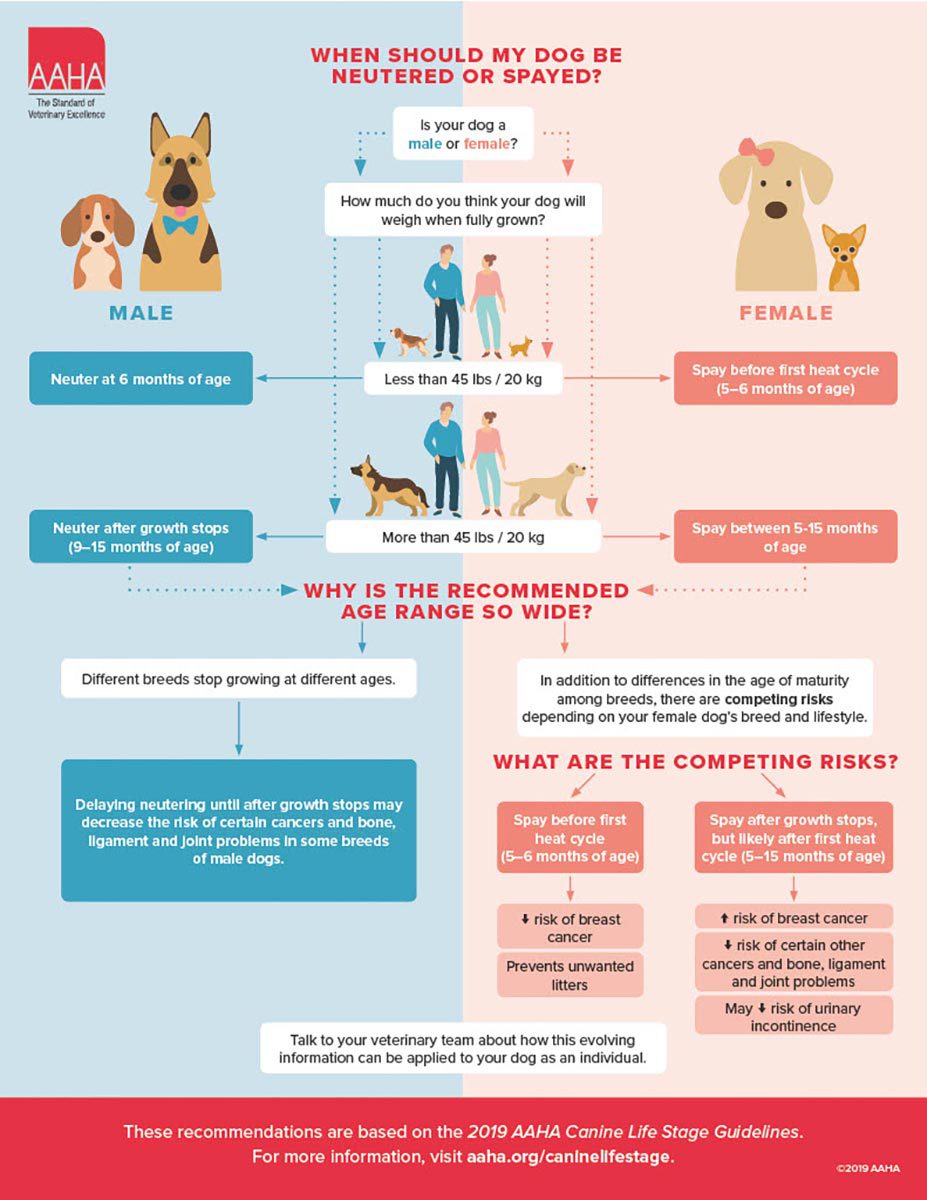
Image Source: southeastoakvillevet.ca
Grasping the Canine Heat Cycle
Before we talk about spaying, let’s learn about a dog’s heat cycle. A dog’s heat cycle is when she can get pregnant. It’s also called estrus. Female dogs usually have heat cycles every 6 to 12 months. Each cycle lasts about 2 to 4 weeks.
A heat cycle has four main parts:
- Proestrus: This is the start of heat. It lasts about 7 to 10 days. You might see a swollen vulva and some bleeding. Your dog might attract male dogs, but she won’t let them mate yet.
- Estrus: This is the mating part. It lasts about 5 to 10 days. Bleeding might lessen or stop. Your dog will be open to mating. She can get pregnant during this time.
- Diestrus: This part comes after estrus. It lasts about 60 to 90 days. If your dog got pregnant, this is when she carries her puppies. If not, her body still acts like she might be pregnant. Her hormone levels change a lot.
- Anestrus: This is the resting part. It is the time between heat cycles. It lasts about 4 to 6 months. Her body is calm during this time.
Why Spay a Dog?
Spaying is a surgery that removes a female dog’s ovaries and uterus. It’s often called an ovariohysterectomy. Spaying has many good points:
- Stops unwanted puppies: This helps control the pet population.
- Better health: It greatly lowers the risk of breast cancer. It also stops womb infections (pyometra), which can be very serious and life-threatening.
- No more heat cycles: This means no more bleeding, swelling, or male dogs at your door.
- Less roaming: Spayed dogs are less likely to run away looking for a mate.
The Right Window for Spaying a Female Dog After Season
Finding the best time to spay your dog after her heat is very important. It affects how safe the surgery is and how well she recovers. Most vets agree on waiting 2 to 3 months. Let’s see why.
Why Wait After Heat?
During heat, a dog’s body changes a lot. These changes make spaying right after heat harder and riskier.
- Hormone Levels: Her body is full of hormones like estrogen and progesterone. These hormones make her reproductive organs swell up.
- Blood Flow: There is much more blood flowing to her uterus and ovaries. This is because her body is ready for pregnancy.
- Tissue Changes: The tissues in her uterus and ovaries become very swollen and fragile. They are easier to tear.
Waiting 2 to 3 months lets her body return to normal. Her hormones go back to their usual levels. The blood flow to her uterus drops. The uterus itself shrinks down. This answers when uterus shrinks after heat spay. The tissues become less fragile. All these things make the surgery much safer and easier for the vet. They also help your dog heal better.
Why Not Too Soon? How Soon to Spay After Dog Heat?
If you spay your dog too soon after her heat, there are higher risks:
- More Bleeding: Increased blood flow means more bleeding during the surgery. This can make the surgery take longer. It can also lead to more problems.
- Swollen Tissues: The swollen and fragile tissues are harder to cut and stitch. They are also more likely to bleed or tear.
- Higher Risk of Problems: These factors increase the chances of issues during or after the surgery. This is why how soon to spay after dog heat is key. It’s not usually right after the heat ends.
Why Not Too Late?
Waiting too long can also have downsides. If you wait more than 3 months, your dog might enter another heat cycle. This would mean more bleeding, more mess, and the risk of unwanted pregnancy. So, waiting for the proper 2 to 3 months avoids these issues. This is the best time to spay after heat for most dogs.
Risks and Rewards of Spaying Post-Heat
Every surgery has risks. But knowing the best time to spay your dog helps lower these risks.
Risks Spaying Dog Post Heat (If Done Too Soon)
If your dog is spayed too soon after her heat, the surgery can be much harder. Here are some of the risks spaying dog post heat:
- Increased Blood Loss: As mentioned, the reproductive organs have more blood during and right after heat. This leads to more bleeding during the operation. This can be dangerous for your dog. It can also make the surgery take longer.
- Fragile Tissues: The uterus and ovaries are swollen and very delicate. They can tear easily. This makes the surgery more complex for the vet. It can also lead to complications like accidental injury to other organs.
- Longer Anesthesia Time: More bleeding and fragile tissues mean the vet must be extra careful. This can make the surgery last longer. The longer a dog is under anesthesia, the higher the risk of problems.
- Higher Chance of Complications: There is a greater chance of internal bleeding after surgery. The stitches might also not hold as well in swollen tissues. This can lead to needing another surgery.
- False Pregnancy Issues: If your dog is spayed when her body is in diestrus (the part after heat, where she might think she’s pregnant), it can sometimes trigger a false pregnancy. This can cause her to act like she’s having puppies, even though she’s not. This can be stressful for her and for you.
Rewards of Proper Spay Timing
Spaying your dog at the right time, usually 2 to 3 months after her heat, offers many rewards:
- Lower Surgical Risks: When the uterus has shrunk and blood flow is normal, the surgery is much safer. There is less bleeding and less chance of hurting other organs.
- Smoother Recovery: Your dog will likely feel better faster. Less pain and fewer problems mean a quicker return to her normal self. This helps with post heat spay recovery dog.
- Long-Term Health Benefits: Spaying at the right time still offers all the health perks. It stops breast cancer and pyometra, which are big worries for unspayed dogs.
- Cost Savings: While spaying costs money, doing it at the right time avoids more expensive surgeries if problems come up. It also avoids costs of dealing with unwanted puppies.
Special Situations and Spay Timing
Sometimes, a dog’s health or past heat cycles change the best time to spay.
Spay After False Pregnancy Dog
A false pregnancy (also called pseudopregnancy) is when an unspayed female dog shows signs of pregnancy, but she isn’t. This happens because of hormone changes after her heat. Signs can include:
- Nesting behavior
- Carrying toys like puppies
- Swollen belly
- Milk production
- Loss of appetite or vomiting
If your dog has a false pregnancy, it’s very important to wait until all signs are gone before spaying her. This can take several weeks. Spaying during a false pregnancy can make the symptoms worse or make them last longer. It can also increase the risk of complications during surgery. Always talk to your vet if your dog has false pregnancy symptoms. They will advise the best time for spay after false pregnancy dog.
Spaying an Older Dog After Heat
Spaying an older dog has different factors to consider. Their bodies might not handle surgery the same way a young dog’s would.
- Overall Health: Older dogs might have other health issues like heart problems or kidney disease. These need to be checked before surgery.
- Pre-Surgical Tests: Vets often suggest more blood tests for older dogs. These tests check organ function to make sure they can handle anesthesia.
- Healing Time: Older dogs might heal more slowly than younger ones.
Even with these things, spaying an older dog after heat can still be done safely. The 2-3 month waiting period still applies. Your vet will do a full health check. They will decide if spaying is safe for your older pet.
Spay Dog After First Heat Complications
Most first heat cycles are normal. But sometimes, there are problems. For example:
- Very Heavy or Long Bleeding: If her bleeding was much heavier or lasted much longer than normal.
- Severe False Pregnancy: If her false pregnancy symptoms were very strong or distressing.
- Other Health Issues: If any health problems came up during or right after her first heat.
If your dog had spay dog after first heat complications, your vet might change the spay timing. They might want to wait longer to ensure her body is fully recovered. Or they might do extra tests before surgery. Always tell your vet about any concerns from her first heat.
Consulting Your Veterinarian: Paramount Dog Spay Veterinarian Advice Heat
Choosing the right time to spay your dog is a big decision. It should always be made with your veterinarian. They know your dog’s health history. They can give you the best dog spay veterinarian advice heat.
What Your Vet Will Do:
- Physical Exam: Your vet will give your dog a full check-up. They will look at her overall health, feel her belly, and check her heart and lungs.
- Discuss History: They will ask about her last heat cycle. This includes when it started and ended, and any problems you noticed.
- Blood Tests: Many vets suggest blood tests before surgery. These tests check things like:
- Blood cell counts (to look for infection or anemia)
- Organ function (liver and kidneys need to work well for anesthesia)
- Clotting ability (to make sure blood will clot during surgery)
- Talk About Risks: Your vet will explain all the risks and benefits of the surgery. They will also discuss the best timing for your dog.
- Personalized Plan: Every dog is different. Your vet will make a spay plan just for your pet. This plan considers her breed, age, size, and health.
Table: Factors Your Vet Considers for Spay Timing
| Factor | Why it Matters | Impact on Timing |
|---|---|---|
| Last Heat Cycle End | Hormones, blood flow, and uterine size return to normal. | Dictates the 2-3 month waiting period. |
| Dog’s Age | Younger dogs heal faster; older dogs need more pre-op checks. | Affects readiness for anesthesia and recovery. |
| General Health | Existing conditions (heart, kidney) affect surgical risk. | May require extra tests or delay if health is poor. |
| False Pregnancy History | Can affect hormone levels and recovery. | Requires waiting until symptoms fully clear. |
| Breed | Some breeds might have different normal heat cycle lengths. | Small variations might exist, but 2-3 months is standard. |
| Weight/Body Condition | Overweight dogs can have higher anesthesia risks. | May suggest weight loss before surgery. |
Preparing for Spay Surgery After Heat
Once you and your vet decide on a spay date, you’ll get instructions for surgery day.
- Fasting: Your dog will need to fast (no food) for about 8-12 hours before surgery. This helps prevent vomiting during or after anesthesia. Some vets allow water until closer to the surgery time. Always follow your vet’s specific instructions.
- Morning Drop-off: You will usually drop your dog off at the vet clinic in the morning.
- The Surgery: The surgery itself often takes 45 minutes to an hour. It can take longer if the uterus is still swollen or if there are other problems. Your dog will be under general anesthesia. She will not feel any pain.
- Post-Surgery Care: After surgery, your dog will wake up in a warm, safe place at the vet’s office. Vets give pain medicine before, during, and after the surgery. Most dogs go home the same day or the next morning.
Post Heat Spay Recovery Dog
Bringing your dog home after spay surgery means you need to care for her carefully. Proper post heat spay recovery dog is key to a smooth healing process.
Key Recovery Steps:
- Restrict Activity: This is the most important step. Your dog needs to be calm and quiet for 10 to 14 days. This means:
- No running, jumping, or rough play.
- No stairs if possible, or limit them.
- Short, calm leash walks only for potty breaks. No off-leash running in the yard.
- Keep her in a small, safe space or a crate if she gets too active. This prevents the incision from breaking open.
- Pain Management: Your vet will give you pain medicine. Give it exactly as your vet tells you. Do not skip doses, even if your dog seems fine. Pain control helps her rest and heal. It also makes her more comfortable.
- Incision Care:
- Check the incision every day. It should look clean and closed.
- A little redness or swelling is normal for the first day or two.
- Watch for signs of problems:
- Lots of redness or swelling
- Pus or bad smell
- Open incision
- Bleeding
- Your dog licking or chewing the incision
- Prevent Licking/Chewing: This is super important. Your dog will try to lick or chew her stitches. This can cause infection or make the incision open up. Use an E-collar (cone) or a surgical recovery suit. Your vet will give you one or tell you where to get one. Keep it on her until the vet says it’s okay to take it off.
- Monitor Appetite and Potty Habits: Your dog might not eat much the first day. But she should start eating and drinking normally within 24 hours. Make sure she is peeing and pooping normally.
- Avoid Bathing: Do not bathe your dog for at least 10-14 days. The incision needs to stay dry.
- Follow-Up Vet Visit: Your vet will usually want to see your dog for a recheck in 10-14 days. This is to check the incision and remove any skin stitches if needed. Many vets use dissolving stitches under the skin, so no removal is needed.
Signs of Complications to Watch For:
Call your vet right away if you see any of these:
- Lack of appetite for more than 24 hours
- Vomiting or diarrhea
- Lethargy (very tired, not wanting to move)
- Pale gums
- Difficulty breathing
- Excessive bleeding or discharge from the incision
- Incision is open or looks infected
- Severe pain (whining, trembling, not wanting to be touched)
Common Misconceptions About Spaying
There are many myths about spaying dogs. Let’s clear up a few.
- “My dog needs to have one litter first.” This is not true. Vets agree that spaying before the first heat, or after the first heat but before the second, is best for health. It greatly lowers the risk of breast cancer. Having a litter does not offer any health benefits. It only adds to pet overpopulation.
- “Spaying changes a dog’s personality.” Spaying removes the hormones that cause heat-related behaviors. This means no more crying, pacing, or running away during heat. Some dogs might become a bit calmer after spaying, but their basic personality will not change. It will not make a playful dog lazy or a shy dog outgoing.
- “It’s too expensive.” While spaying has a cost, it’s often much less than the costs of:
- Dealing with unwanted puppies.
- Treating pyometra (a life-threatening womb infection).
- Treating mammary (breast) tumors, which can be very costly.
- Dealing with a dog who gets hit by a car while roaming during heat. Many shelters and clinics offer low-cost spay programs.
Making the Right Choice: Best Time to Spay After Heat
To sum it up, the best time to spay after heat is typically 2 to 3 months after her heat cycle has fully ended. This period allows her body to calm down. Her hormones return to normal. Her uterus shrinks. This makes the surgery safer and her recovery easier.
Always remember that every dog is unique. What works for one dog might be a bit different for another. That’s why talking to your veterinarian is so important. They are the best source for dog spay veterinarian advice heat. They can help you make the right choice for your beloved pet.
By spaying your dog at the right time, you are giving her the gift of a healthier, happier, and longer life. You are also helping to control pet overpopulation.
Frequently Asked Questions (FAQ)
Q1: Can my dog get pregnant right after her heat cycle ends?
A: Yes, it’s possible. While the main fertile period is during estrus, some dogs can get pregnant right at the very end of their heat. They can also get pregnant in the few days after outward signs of heat have stopped. It’s safest to keep unspayed females away from intact males at all times if you want to avoid pregnancy.
Q2: What happens if I spay my dog too soon after her heat?
A: If spaying happens too soon (less than 2 months after heat), there are higher risks. Her reproductive organs will still be swollen and have more blood flow. This can lead to more bleeding during surgery. It can also make the surgery harder for the vet. There might be more chance of problems during or after the operation.
Q3: What if I wait too long to spay my dog after her heat?
A: If you wait too long (more than 3-4 months), your dog might go into another heat cycle before you can spay her. This brings back all the issues of heat (bleeding, male dogs, risk of pregnancy). It means you would need to wait another 2-3 months after that heat ends for the best timing.
Q4: Will my dog gain weight after spaying?
A: Spaying can sometimes slow down a dog’s metabolism. This means they might need slightly fewer calories to keep a healthy weight. Some dogs do gain weight after spaying if their food intake isn’t adjusted. To prevent weight gain, give her a good diet and make sure she gets enough exercise. Talk to your vet about the right food and amount for your spayed dog.
Q5: Is spaying painful for my dog?
A: Yes, spaying is a surgery, so it causes some pain. However, vets use pain medicine before, during, and after the surgery. They work hard to keep your dog comfortable. Most dogs recover well with proper pain control. They are usually back to their normal selves within 10-14 days.
Q6: How long does the recovery process take after spaying?
A: The most important part of recovery is for the incision to heal. This takes about 10 to 14 days. During this time, you must limit her activity. You also need to stop her from licking the incision. Full recovery, where her body is completely back to normal, can take a few weeks. But the first two weeks are the most critical for wound healing.