
Ultimate Guide: How To Help Yeasty Dog Paws Safely At Home
Do your dog’s paws smell like Fritos or old corn chips? Are they red and itchy? Your dog likely has a paw yeast infection. This is a common problem for many dogs. A yeast infection happens when too much yeast grows on the skin. Yeast is a type of fungus. It lives naturally on dog skin. But too much yeast causes trouble. The medical name for this yeast is Malassezia. So, you might hear “Malassezia dog paw symptoms.” These infections make paws red, swollen, and very itchy. They also cause a distinct, musty smell. It is a clear sign that canine paw dermatitis remedies are needed. Luckily, you can do many things at home to help your dog. This guide will show you how to give itchy dog paws relief. We will cover safe home care. This includes proven home remedies for dog paw fungus. We will also talk about how to prevent dog paw yeast from coming back.
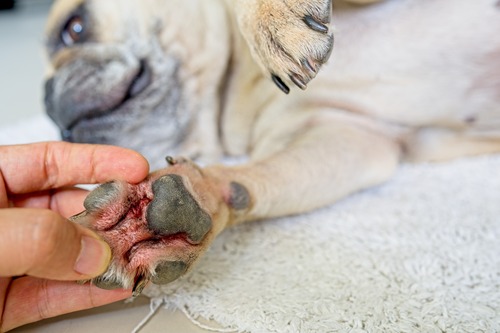
Image Source: dixhillsanimalhospital.com
Discovering Why Paws Get Yeasty
Why do some dogs get yeasty paws? Many things can lead to this problem. Yeast likes warm, moist, dark places. Dog paws are perfect spots for yeast to grow. They have skin folds between the toes. Moisture can get trapped there easily. This helps yeast grow fast.
Common Reasons for Yeasty Paws
Several issues can cause yeast to grow too much. Knowing these reasons helps you stop future problems. This knowledge is key to preventing dog paw yeast.
Allergies and Their Role
Allergies are a big cause of yeasty paws. Dogs can be allergic to many things. They can be allergic to pollen, dust mites, or certain foods. When a dog has allergies, their skin becomes very itchy. They lick or chew their paws a lot. This licking makes the paws wet. It also hurts the skin. Damaged, wet skin is a perfect home for yeast. The body’s immune system also reacts to allergies. This reaction can make yeast grow more. So, allergies are a main cause of paw yeast in dogs. Managing allergies is vital.
Moisture and Environment
Wet paws are a problem for yeast control. This is a simple truth. If your dog walks in wet grass, puddles, or bathes often, their paws get wet. If paws do not dry well, yeast thrives. Humidity in the air also plays a role. Summer and humid climates often see more paw yeast problems. The skin stays damp. Yeast loves damp skin and warmth. It grows very quickly in these conditions.
Diet and Immune System
What your dog eats matters greatly. A poor diet can hurt the immune system. A weak immune system cannot fight off yeast well. Some foods can also cause inflammation in the body. This makes the skin more prone to yeast growth. Sugars in food can also feed yeast directly. A balanced, healthy diet is key. It helps the immune system stay strong. This makes your dog better able to fight off infections.
Other Health Issues
Some health problems can make yeast worse.
* Hormone problems: Issues like hypothyroidism can change skin health. This makes yeast grow easier. These conditions can weaken the skin’s natural defenses.
* Weak immune system: Other diseases can weaken a dog’s immune system. This makes dogs less able to fight off any infections, including yeast.
* Certain medicines: Some drugs, like steroids, can lower a dog’s immune response. This can lead to yeast overgrowth. Steroids calm inflammation but can also suppress the immune system.
* Skin folds: Dogs with deep skin folds on their paws are more prone. This is because moisture and warmth get trapped there. Breeds like Bulldogs and Basset Hounds often have these folds. Their unique paw structure makes them more susceptible.
Spotting the Signs: Recognizing Malassezia Dog Paw Symptoms
How do you know if your dog has yeasty paws? Look and smell are your best friends here. These signs point to Malassezia dog paw symptoms. Spotting them early helps you help your dog fast. Early action can prevent worse problems.
Visual Clues
Look closely at your dog’s paws.
* Redness: The skin between the toes and on the paw pads often looks very red. It can be quite inflamed. It might look angry or irritated.
* Swelling: Paws might look puffy. They can feel warm to the touch. This swelling makes walking uncomfortable.
* Darkening of skin: Over time, the skin can turn dark. It might look grey or black. This is called hyperpigmentation. This shows a long-term problem.
* Thickening of skin: The skin on the paw pads can become tough and leathery. This is called lichenification. It is a sign of chronic irritation.
* Hair loss: Hair around the toes might fall out. This is due to constant licking and chewing. The skin can look bald and raw.
* Greasy fur: The fur on the paws might look greasy or oily. It can feel sticky.
* Brown or red staining: You might see reddish-brown stains on the fur. This is from saliva. Yeast can also cause a reddish color itself. This staining is common with constant licking.
Odor Signals
This is a very common sign. It is often the first thing owners notice. The smell is quite distinct.
* Corn chip smell: Many people say yeasty paws smell like corn chips or stale crackers. This is a very strong clue. It is due to the chemicals produced by the yeast.
* Musty smell: The smell can also be damp and musty. It is very strong and unpleasant.
This smelly paw yeast solutions are often needed quickly because of the strong odor. The smell can fill a room.
Behavioral Changes
Your dog’s actions will also tell you something.
* Excessive licking/chewing: This is the most common sign. Dogs will lick, chew, and bite their paws constantly. This is because of the intense itch. Itchy dog paws relief is often their main goal. They may lick so much that their paws become raw.
* Limping or favoring a paw: If the infection is bad, walking can hurt. Your dog might limp or put less weight on a paw. They might avoid putting pressure on the painful paw.
* Reluctance to walk or play: Pain and itchiness can make them less active. They might not want to go for walks or play games. Their energy levels can drop.
* Rubbing paws on furniture or carpet: They might try to scratch their paws on surfaces. This is another way they try to get relief from the itch.
Touch and Feel
Feel your dog’s paws.
* Warmth: Infected paws can feel warm to the touch. This indicates inflammation.
* Moisture: Even if they haven’t been in water, the skin might feel damp or greasy. Yeast creates a moist environment.
* Roughness: The paw pads might feel rough or bumpy due to skin changes. The skin can feel thick and dry in some areas.
Safe At-Home Care: Dog Paw Yeast Infection Treatment
Finding good dog paw yeast infection treatment is key. You can do many things at home to help. But always talk to your vet first. They can confirm it is yeast. They can also rule out other problems. This is important for effective canine paw dermatitis remedies. A proper diagnosis guides the best treatment plan.
First Steps: Vet Consultation
Before you start any home care, see your vet. This step cannot be skipped.
* Get a proper diagnosis: Your vet will take a small sample from the paw. They will look at it under a microscope. This confirms it is yeast. They might also check for bacteria. Bacterial infections often come with yeast. They require different treatments.
* Rule out other issues: Other problems can look like yeast infections. Allergies, foreign objects (like thorns), or autoimmune diseases can cause similar signs. Your vet can tell the difference. This prevents using the wrong treatment.
* Get prescription meds: If the infection is bad, your vet might give a special wash or pills. These are stronger. They help get the yeast under control faster. Oral antifungals may be needed for severe cases.
Cleaning Protocols: Antifungal Dog Paw Wash
Washing your dog’s paws is vital. It removes yeast, dirt, and allergens. An antifungal dog paw wash is your main tool. This is a core part of dog paw yeast infection treatment.
Medicated Shampoos/Washes:
- Chlorhexidine washes: These are very common. They kill yeast and bacteria. Look for a 2-4% solution. Betadine (povidone-iodine) washes are also good. Use them diluted as instructed. These are powerful cleansers.
- Miconazole shampoos: Miconazole is an antifungal medicine. It directly attacks yeast cells. Some washes combine chlorhexidine and miconazole. This is very strong against both yeast and bacteria. It offers broad-spectrum action.
- Frequency: You might need to wash paws daily at first. Or every other day. Follow your vet’s advice carefully. As paws get better, you can wash less often. Maybe 2-3 times a week. Consistency is key for good results.
How to Wash Your Dog’s Paws:
- Prepare: Get a shallow basin or tub ready. Use lukewarm water. Get a clean towel ready. Have treats nearby to distract your dog.
- Soak: Place one paw in the water. Wet it well. Make sure the water gets between the toes.
- Apply wash: Put the antifungal wash on the paw. Work it into the fur and between the toes. Make sure to get it on the paw pads too. Be thorough.
- Lather and wait: Gently rub to make a good lather. Let the wash sit for 5-10 minutes. This is very important. The medicine needs time to work on the yeast. Distract your dog with yummy treats during this wait time. This makes the process less stressful.
- Rinse well: Rinse the paw thoroughly with clean, running water. Make sure no soap is left behind. Soap residue can irritate the skin. It can even make the problem worse.
- Repeat: Do this for all affected paws. Be patient with your dog.
- Dry completely: This is the most crucial step after washing. Pat paws dry with a clean towel. You can use a cool setting on a hairdryer. Make sure to dry deep between the toes. Air drying is often not enough. Trapped moisture will help yeast grow again.
Drying Techniques
Proper drying is so important. Yeast loves moisture.
* Towel dry: Use a soft, clean towel. Pat the paws dry gently. Do not rub too hard. This can irritate the skin. Use a separate, clean towel for each paw if needed.
* Hair dryer: Use a hair dryer on a cool or low setting. Hold it far enough away from the paw. Be very careful not to burn your dog’s skin. Move the dryer constantly. Dry thoroughly between the toes and in skin folds.
* Paw booties/socks: In very humid climates, or if paws get wet often, dog booties can help keep them dry. Make sure they are breathable. Remove them often to let paws air out fully. Do not leave them on too long.
Topical Solutions: Home Remedies for Dog Paw Fungus
After washing and drying, topical solutions can help. These are part of your effective home remedies for dog paw fungus. They work best when used with proper cleaning.
Apple Cider Vinegar (ACV) Rinse:
- How to use: Mix equal parts raw, unfiltered ACV and water (e.g., 1 cup ACV to 1 cup water). Do a small patch test first on a tiny area of skin. Make sure it does not irritate your dog’s skin.
- Application: After washing and drying paws, soak a clean cloth or cotton ball in the diluted ACV. Gently wipe it on the affected areas. Focus on the red, itchy spots. Do not rinse it off. Let it air dry.
- Benefits: ACV helps change the skin’s pH. Yeast does not like acidic environments. It also has mild antifungal properties. It can help soothe itchiness.
- Caution: Never use undiluted ACV. It is too strong and can cause burns. Do not use on raw or broken skin. It will sting terribly. If your dog reacts badly, stop use.
Epsom Salt Soaks:
- How to use: Dissolve half a cup of plain Epsom salts in a gallon of warm water. Mix until the salts are fully dissolved.
- Application: Soak your dog’s paws in this solution for 5-10 minutes. Do this 1-2 times a day. You can use a small basin for one paw at a time.
- Benefits: Epsom salts can help draw out toxins. They also help reduce swelling and irritation. They can dry out the moist environment yeast loves. This makes it harder for yeast to thrive.
- Caution: Make sure your dog does not drink the water. Epsom salts are not safe to ingest in large amounts. Rinse paws well after soaking to remove any salt residue.
Coconut Oil (Natural Treatment for Yeasty Paws):
- How to use: Use virgin, unrefined coconut oil. It is solid at room temperature. It melts on skin contact.
- Application: After cleaning and drying, gently rub a small amount of coconut oil onto the paws. Focus on areas between the toes and on the paw pads.
- Benefits: Coconut oil has caprylic acid. This is known for its strong antifungal properties. It can help kill yeast directly. It also moisturizes the skin. This can help with itchy dog paws relief. It is a good natural treatment for yeasty paws. It helps repair damaged skin.
- Caution: Use a small amount. Too much can make paws greasy. Your dog might lick it off. It is generally safe for them to ingest small amounts. However, too much can cause an upset stomach.
Other Natural Treatment Options:
- Paw Balms/Creams: Look for balms with natural antifungals. Examples include ingredients like calendula or neem oil. Always ensure ingredients are safe if licked. Be very careful with essential oils like tea tree oil; they can be toxic if ingested in large amounts. Only use highly diluted forms and prevent licking.
- Probiotics: Giving your dog a good quality probiotic supplement can help their gut health. A healthy gut means a stronger immune system. This can help fight yeast from the inside out. Look for dog-specific probiotics.
- Dietary Adjustments: Talk to your vet about diet changes. Sometimes a limited ingredient diet can help with allergies. Avoid foods with high sugar content. Sugars can feed yeast, making the problem worse. Adding healthy fats, like omega-3 fatty acids (from fish oil), can improve skin health. They reduce inflammation.
Table: Common Home Remedies for Yeasty Paws
| Remedy | How to Use (Diluted) | Benefits | Cautions |
|---|---|---|---|
| Antifungal Wash | 2-4% Chlorhexidine or Miconazole shampoo. Apply, lather, wait 5-10 min, rinse well. | Kills yeast and bacteria. Deep cleans paws. | Must rinse thoroughly to avoid skin irritation. |
| Apple Cider Vinegar | 1:1 ACV to water. Wipe on paws. Let air dry. (Patch test first). | Changes skin pH (yeast dislikes acid), mild antifungal. | Do not use on raw or broken skin. Test first. Never use undiluted ACV. |
| Epsom Salt Soak | 0.5 cup Epsom salts in 1 gallon warm water. Soak paws 5-10 min. Rinse well. | Reduces swelling, dries moisture, soothes irritation. | Prevent ingestion. Rinse paws well to remove salt residue. |
| Coconut Oil | Small amount of virgin, unrefined oil rubbed on paws. | Antifungal (caprylic acid), moisturizes skin. | Use small amounts to avoid greasiness. Safe if licked in small amounts. |
Managing Itch and Smell: Itchy Dog Paws Relief & Smelly Paw Yeast Solutions
The goal of all treatments is to stop the itch and the bad smell.
* Cone of Shame (E-collar): If your dog is chewing their paws raw, an Elizabethan collar (e-collar) is needed. This stops them from making the infection worse. It allows the skin to heal.
* Regular Cleaning: Consistent washing and drying is the best smelly paw yeast solution. It removes yeast. It also gets rid of the unpleasant smell. Stick to your washing schedule.
* Topical sprays: Your vet might suggest soothing sprays. These can have hydrocortisone for itch relief. Or oatmeal for comfort. These products help with itchy dog paws relief directly.
* Air flow: Keep the hair between the paw pads trimmed short. This allows air to get to the skin. It reduces moisture and traps less debris. This also helps with smelly paw yeast solutions. It keeps the area drier and cleaner.
Daily Habits: Preventing Dog Paw Yeast
Prevention is always better than cure. Once you get the yeast under control, keep it away. This means actively preventing dog paw yeast. These daily habits can make a big difference.
Regular Paw Checks
Make this a daily habit. After walks, especially. Check your dog’s paws often. Look closely between the toes. Feel the paw pads.
* Look for redness, swelling, or greasiness.
* Sniff for any bad smells.
* Check for foreign objects like burrs or splinters. These can cause irritation. Irritation can lead to yeast growth.
Early detection helps you act fast. You can address problems before they get serious.
Proper Drying After Wetness
This is a key step in prevention. Every time your dog’s paws get wet, dry them.
* After walks: If it rained or your dog walked in wet grass, dry their paws thoroughly. Use a dedicated paw towel.
* After baths: Make sure paws are completely dry after baths. Use a towel. Use a low-heat hairdryer if needed.
* Swimming: If your dog swims, dry their paws very well. Pay extra attention to the areas between the toes. These are prime spots for yeast.
Allergy Management
Since allergies are a common cause, managing them is vital.
* Talk to your vet: Your vet can help identify allergens. They might suggest allergy testing. This can be skin tests or blood tests.
* Antihistamines: Your vet might prescribe antihistamines. These can help reduce itching. This stops your dog from licking and making paws wet.
* Allergy shots/drops: For severe allergies, allergy shots or oral drops can desensitize your dog to allergens. This can greatly reduce skin problems over time.
* Food trials: If food allergies are suspected, your vet might suggest a special diet. This is a “limited ingredient diet.” It helps pinpoint problem ingredients.
Balanced Diet and Supplements
A good diet helps a strong immune system.
* High-quality food: Feed a balanced, high-quality dog food. Avoid foods with lots of fillers, artificial colors, or too many carbs/sugars. These can contribute to yeast growth.
* Omega-3 Fatty Acids: These are great for skin health. They reduce inflammation throughout the body. Add fish oil supplements to your dog’s diet. Talk to your vet about the right dose for your dog.
* Probiotics: Daily probiotics can boost gut health. A healthy gut helps fight yeast overgrowth throughout the body. This supports overall immune function.
Grooming and Nail Trims
Good grooming helps prevent yeast.
* Trim paw hair: Keep the hair between the paw pads short. This allows air flow. It stops moisture from getting trapped. It also stops debris from sticking to the hair.
* Trim nails: Long nails can change how your dog walks. This can put stress on paws. It can also cause skin irritation. Keep nails trimmed short regularly. Your vet or groomer can show you how.
Clean Living Spaces
Keep your dog’s environment clean.
* Floors: Regularly vacuum and clean floors. This reduces allergens like dust and pollen indoors.
* Bedding: Wash your dog’s bedding often. This reduces yeast spores and allergens that collect there. Use hot water to kill yeast.
* Outdoor areas: If possible, try to keep outdoor areas where your dog spends time dry and clean. Remove standing water.
By following these steps, you can greatly reduce the chances of your dog getting yeasty paws. Remember, patience and consistency are key to success. It takes time for paws to heal completely. Staying on top of prevention will keep your dog happy and itch-free. Your dog will thank you for their healthy, comfortable paws.
Frequently Asked Questions (FAQ)
Q1: Can I use human antifungal cream on my dog’s paws?
A1: No, it is not safe. Human creams might have ingredients bad for dogs. They could lick it and get sick. Always use products made for dogs. Talk to your vet first before using any human product.
Q2: How long does it take for a paw yeast infection to clear up?
A2: It varies greatly. Mild cases might clear in 1-2 weeks with proper care. Bad or chronic infections can take weeks or even months to fully resolve. Be patient. Consistency in treatment is very important for good results. Follow your vet’s treatment plan exactly.
Q3: Is a corn chip smell always a yeast infection?
A3: A corn chip smell often points strongly to yeast. It is a very common and distinct sign. But other things can cause paw odor too. Always see your vet for a sure diagnosis. They can confirm it is yeast and rule out other causes.
Q4: Can diet alone cure yeasty paws?
A4: Diet plays a big role in overall health. A healthy diet can help. It can boost the immune system. It can reduce inflammation. But it often cannot cure a bad yeast infection alone. It is part of a larger plan. This plan includes topical cleaning, vet care, and sometimes medication.
Q5: My dog licks their paws constantly. What can I do?
A5: Constant licking means intense itching or pain. First, find the cause. It could be yeast, allergies, or a foreign object. Use an e-collar (cone) to stop licking immediately. This prevents more irritation and allows the paw to heal. Then, treat the root cause, which might be antifungal washes for yeast.
Q6: Are there specific breeds more prone to yeasty paws?
A6: Yes, some breeds are more prone to yeast infections. Dogs with skin folds, like Bulldogs, Shar-Peis, and Basset Hounds, can get yeast more often. Breeds prone to allergies, like Golden Retrievers, German Shepherds, Labradors, and West Highland White Terriers, also often get yeast.
Q7: Can yeasty paws spread to other parts of the dog’s body?
A7: Yes, yeast can spread. If left untreated, it can spread to other moist skin folds. It can affect ears (leading to ear infections), armpits, or groin areas. It often starts in areas that are warm and moist. Treating it early stops it from spreading and causing more widespread discomfort.
Q8: When should I see a vet for yeasty paws?
A8: See your vet right away if you suspect a yeast infection. This is especially true if paws are very red, swollen, smelly, or if your dog is limping. Early vet care helps a lot. It prevents the problem from getting worse and helps your dog feel better faster.
Q9: Can I use regular soap to wash my dog’s yeasty paws?
A9: No, regular soap is not recommended. It can strip natural oils from your dog’s skin. This can cause more irritation. It might also change the skin’s pH, which can make yeast worse. Always use a vet-approved medicated shampoo or gentle dog-specific paw wash.
Q10: What if my dog keeps getting yeasty paws even after treatment?
A10: If yeast keeps coming back, it means the underlying cause is not fully managed. This is very common with allergies. Work closely with your vet. They might suggest more in-depth allergy testing or long-term allergy management. They might also check for other health issues or immune problems. Consistent prevention steps are also vital.