
The Truth: Why Does My Dog Stop Walking On Walks
It is a common sight. Your dog is on a walk, then suddenly, they just stop. They might sit down, pull back, or just freeze. This can be frustrating for you. But why does your dog do this? Many things can make your dog stop walking on walks. It is often not about them being stubborn. It usually points to a deeper issue. This guide will help you find out why your dog stops and how you can help.
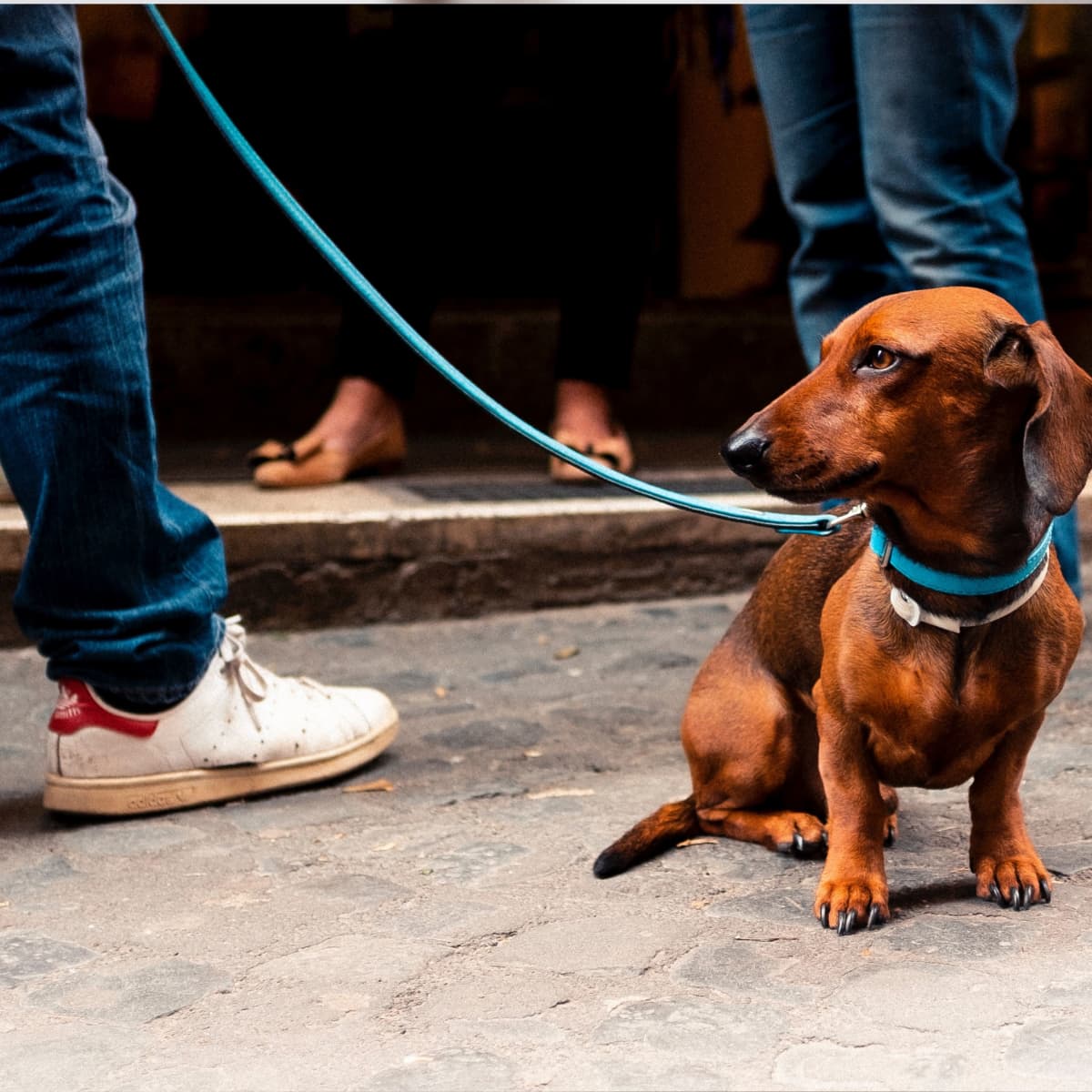
Image Source: images.saymedia-content.com
Deciphering Why Your Dog Halts on Walks
When your dog refuses to walk, it is telling you something. It could be due to fear, pain, or even just being tired. Dogs cannot tell us in words what is wrong. They use their actions. A dog suddenly stops on leash for a reason. Let us look at the main causes.
Environmental Reasons
The world outside can be big and scary for some dogs. Things around them can make them stop.
Scary Sights and Sounds
Loud noises can frighten a dog. A truck backfiring, a siren, or even a sudden loud laugh can make a dog freeze on walks. Strange objects like big statues, trash cans, or a bicycle coming fast can also scare them. Your dog might be scared during walks because of these things. They may see something new and not know what it is. This can make them stop and not want to go closer.
- Loud noises: Thunder, fireworks, loud cars, construction sounds.
- New things: Big signs, moving objects, other animals.
- Busy places: Lots of people, many cars, crowded sidewalks.
Some dogs are naturally more nervous. A small dog might feel unsafe near big trucks. A rescue dog might have bad memories of loud sounds. These dogs are more likely to stop if something spooks them.
Bad Weather
Dogs feel the weather just like we do. Hot pavement can burn their paws. Cold snow can hurt their feet. Rain can make them feel wet and cold.
- Hot ground: Pavement gets very hot in the sun. It can burn paw pads. This is painful. Your dog will stop to avoid the pain.
- Cold ground: Ice and snow can be too cold. It can make their paws numb or sore.
- Rain or wind: Some dogs hate getting wet. Strong wind can make them feel uneasy. They might just want to go home.
Always check the ground temperature. If it is too hot for your hand, it is too hot for their paws.
Too Many Distractions
Some dogs get overwhelmed easily. A walk might have too many smells, sights, and sounds. This can be too much for their brain. They might get so distracted they cannot focus on walking. Or, they might feel stressed by all the input.
- New smells: A strong smell can make a dog stop to sniff for a long time. They might not want to leave it.
- Other dogs or people: They might want to greet everyone. Or they might feel nervous around too many strangers.
- Small animals: Squirrels, cats, or birds can get a dog’s attention. They might stop to watch them or try to chase them.
Behavioral and Emotional Reasons
Sometimes, the cause is not external. It comes from inside your dog. This can be about how they feel or how they learned to act.
Fear and Anxiety
A common reason a dog freezes on walks is fear. This fear can be due to many things. It might be specific to one place or general. Dog walk anxiety symptoms can include:
- Pulling back on the leash.
- Hiding behind your legs.
- Shaking or trembling.
- Tail tucked low.
- Panting heavily when not hot.
- Yawning a lot (a sign of stress).
- Licking their lips often.
- Avoiding eye contact.
- Refusing to move at all.
Some dogs might have had a bad experience on a walk. This could be a loud noise, another dog, or a person. They remember this bad event. Now they might be scared of that same place or type of event. This can make a dog refusing to walk.
Overstimulation
Walks are a big event for dogs. They are full of new things to see, hear, and smell. For some dogs, this can be too much. They get overstimulated. This is like a child who gets too tired and cranky after a big party. Your dog might just shut down. They might sit or lie down and not move. They are trying to tell you it is too much for them.
Stubbornness or Preference
Sometimes, a dog stubborn on walks simply has a different idea of the walk. They might want to go one way, and you want to go another. They might just want to sniff a spot for a long time. This is not true stubbornness. It is more about their natural dog behaviors.
- Wanting to go home: Your dog might get tired or bored. They might decide they are done with the walk. They might stop and try to turn back.
- Wanting to go a specific way: Dogs often have favorite routes or sniffing spots. If you try to go another way, they might resist.
- Not wanting to leave a spot: They might find a very interesting smell. They just want to stay there and sniff.
This is less about being “stubborn” and more about conflicting desires. Your dog has preferences, too!
Lack of Training or Socialization
A puppy won’t go for walks sometimes because they just do not know how. They have not learned leash manners. Or they might not have seen enough of the world yet.
- Leash training: A dog needs to learn what the leash means. They need to learn to walk nicely beside you. If they pull or are pulled too much, they might get uncomfortable.
- Socialization: Puppies need to meet new sights, sounds, and people. If they do not, the world can feel scary. This can lead to a dog scared during walks later on. They need to learn that new things are okay.
Physical Reasons
Sometimes, the reason your dog stops is simple: their body hurts or is tired. This is a very important reason to check.
Pain or Discomfort
A dog pain while walking is a major reason they might stop. Dogs hide pain well. They cannot tell you if their paw hurts or their leg aches. Stopping is their way of saying, “This hurts!”
- Paw injuries: A cut, thorn, or pebble in their paw can cause pain.
- Joint pain: Older dogs often have arthritis. This makes their joints stiff and sore. Walking can be painful.
- Muscle strain: Just like people, dogs can pull a muscle or feel sore.
- Nail problems: Overgrown nails can dig into their paw pads. Or a broken nail can be very painful.
- Back or neck pain: Some dogs have disc issues. This can make walking painful.
If your dog suddenly stops on leash and acts like they are in pain, check their paws first. Feel their legs gently. Watch how they move.
Fatigue
Dogs get tired. Just like people, they have limits.
- Too long a walk: Maybe the walk was too long for your dog’s age or fitness level.
- New exercise: If your dog is not used to long walks, they might get tired quickly.
- Hot weather: Heat makes dogs get tired faster. They can also overheat.
- Illness: If your dog is feeling unwell, even a short walk can be too much.
A senior dog refusing walks is very common. Older dogs do not have the same energy. Their joints might ache, or they might just get tired more easily. Respect their limits.
Medical Conditions
Underlying health issues can also make walking hard.
- Heart or lung problems: These can make a dog get out of breath easily.
- Obesity: Overweight dogs carry extra weight. This puts more strain on their joints and heart. They get tired faster.
- Vision or hearing loss: Older dogs might have trouble seeing or hearing. This can make them feel unsafe outside. They might stop because they cannot see or hear well.
If you suspect any medical issue, a vet visit is a must.
Summary of Reasons Your Dog May Stop Walking
| Category | Common Reasons | Signs |
|---|---|---|
| Environmental | Loud noises, new objects, bad weather, distractions | Freezing, pulling back, hiding, sniffing intensely, trying to turn back |
| Behavioral | Fear, anxiety, overstimulation, preferences, lack of training | Shaking, panting, yawning, licking lips, refusing to move, wanting to go specific ways |
| Physical | Pain, fatigue, arthritis, paw injury, illness | Limping, lifting paw, whimpering, slow movement, panting heavily, lying down |
Solutions for Dog Refusing Walks
Once you know why your dog stops, you can help them. The solutions depend on the cause. Be patient and kind. Training takes time.
Addressing Environmental Triggers
If external things are the problem, you can help your dog feel safer.
Gradual Exposure
If your dog is scared during walks by certain things (like traffic or loud sounds), introduce them slowly. This is called desensitization.
- Start far away: Begin walking far from the scary thing. Your dog should notice it but not be scared.
- Reward calm: Give treats and praise when your dog is calm.
- Move closer slowly: Over many days, get a little closer. Go only as close as your dog can handle without fear.
- Keep it short: Short, positive sessions are better than long, stressful ones.
If traffic scares your dog, start by walking on a quiet street. Then move to a slightly busier one, then a road with more cars. Always watch your dog’s body language. If they show fear, you are too close. Move back to a comfortable distance.
Change Routes and Times
- Quieter areas: Find parks, quiet streets, or trails. Avoid busy downtown areas if your dog gets overwhelmed.
- Off-peak hours: Walk when it is less crowded. Early mornings or late evenings might be better.
- Check weather: Avoid hot pavement or very cold days. Walk during cooler parts of the day in summer. Consider paw boots for hot or cold weather.
Positive Associations
Make scary things less scary with treats. When your dog sees something they fear (from a distance), give them a high-value treat. They will start to link the scary thing with good things (treats).
Handling Behavioral and Emotional Issues
If your dog is stopping due to fear, anxiety, or overstimulation, you need to build their confidence and trust.
Building Confidence
- Positive reinforcement: Always reward good behavior. If your dog takes a step forward when they usually stop, praise them. Give them a treat.
- “Go grab a treat” game: If your dog stops, drop a treat a few steps ahead. When they move to get it, say “Yes!” and praise them. This makes moving forward a good thing.
- Short, positive walks: End the walk before your dog gets too tired or stressed. Always try to end on a good note.
Managing Anxiety
Dog walk anxiety symptoms need a gentle approach.
- Rule out pain: First, make sure they are not in pain.
- Comfort items: Some dogs feel safer with a special harness (like an anti-anxiety vest) or a familiar toy.
- Predictable routine: Dogs like routines. Walk at the same time each day.
- Calming aids: Talk to your vet about calming supplements or pheromone collars. For severe cases, a vet might suggest medication.
- Professional help: A certified dog trainer or a veterinary behaviorist can help. They can make a special plan for your anxious dog.
Addressing Overstimulation
If your dog gets overwhelmed, simplify their walks.
- Shorter walks: Start with very short walks (5-10 minutes).
- Fewer distractions: Choose quiet routes. Avoid busy times.
- “Sniffari” walks: Let your dog sniff. Sniffing is calming and mentally tiring for dogs. Let them explore smells at their own pace. Do not rush them. Stopping to sniff is a natural dog behavior.
- Break up walks: Instead of one long walk, do a few shorter ones throughout the day.
Training and Leash Manners
If a puppy won’t go for walks, it is often about training. For an older dog, it might be about refreshing skills.
- Start in a safe place: Begin leash training in your yard or a quiet area.
- Make it fun: Use treats and praise. Make the leash a good thing.
- Loose leash walking: Teach your dog to walk without pulling. If they pull, stop. Wait for the leash to loosen, then continue.
- “Let’s Go” cue: Teach a cue to get your dog moving. Say “Let’s Go!” and move forward. If they come, reward them. If they stop, gently lure them with a treat.
- Walk with another dog: If your dog is friendly, walking with a calm, well-behaved dog can help. Your dog might learn from the other dog.
Table: Training Tips for Moving Forward
| Problem | Strategy | Example |
|---|---|---|
| Dog stops & freezes | Lure with high-value treat; “Go grab a treat” game | Drop a treat 2 feet ahead. When they move, say “Good!” and give another. |
| Dog pulls backward | Turn and walk the other way; avoid pulling forward | If they pull back, turn around. Walk 5 steps in the other direction. Praise. |
| Dog just sits/lies down | Short break then gentle encouragement; do not drag | Wait a minute. Say “Let’s go!” in a happy voice. Wiggle a treat. |
| Dog distracted by smells | “Leave It” command; use “Let’s Go” to redirect | Let them sniff briefly. Say “Let’s Go!” and move away from the smell. Reward. |
Managing Physical Concerns
If pain, fatigue, or illness is the issue, your first step is a vet visit.
Veterinary Check-up
This is vital if your dog suddenly stops on leash or if you suspect dog pain while walking.
- Full exam: The vet will check your dog’s joints, muscles, paws, heart, and breathing.
- Blood tests: These can check for underlying illnesses.
- Imaging: X-rays can show arthritis or other bone issues.
A vet can diagnose the problem and suggest a treatment plan. This might include:
- Pain medicine: For arthritis or injury.
- Supplements: Joint supplements can help.
- Weight management: If your dog is overweight, a diet plan will ease strain.
- Physical therapy: For certain injuries or joint problems.
Adjusting Walks for Senior Dogs
A senior dog refusing walks needs special care.
- Shorter, more frequent walks: Instead of one long walk, try two or three short ones.
- Slower pace: Let them set the speed. Do not rush them.
- Flat, even ground: Avoid hills or rocky paths.
- Supportive gear: A harness can help lift them if they stumble. Paw boots can protect sensitive paws.
- Warm-up: A slow start can help warm up their joints.
- Know their limits: Some days they might feel better than others. Listen to your dog.
Heat and Cold Safety
- Test the pavement: Place the back of your hand on the pavement. If you cannot hold it there for 5 seconds, it is too hot for paws. Walk on grass.
- Morning/evening walks: Avoid the hottest part of the day in summer.
- Stay hydrated: Bring water for your dog.
- Winter protection: Use paw balm or boots for snow and ice. Be aware of salt on sidewalks, which can irritate paws.
General Tips for a Better Walk Experience
- Choose the right gear: A comfortable harness is usually better than a collar, especially for dogs who pull or have neck issues. Avoid retractable leashes; they offer less control. A standard 6-foot leash is best.
- Be patient: Training takes time. Some days will be harder than others.
- Stay positive: Your mood affects your dog. Be calm and happy.
- Bring high-value treats: Small, soft, smelly treats work best for outdoor training.
- Be consistent: Everyone in the family should use the same commands and methods.
- End on a good note: Always try to end the walk when your dog is happy and has done something positive. This builds good memories.
When to Seek Professional Help
If you have tried many things and your dog is still refusing to walk, do not give up.
- Veterinarian: If you suspect pain or illness, this is your first stop.
- Certified Professional Dog Trainer (CPDT): They can help with leash training, confidence building, and behavior modification. Look for someone who uses positive reinforcement.
- Veterinary Behaviorist (Dip ACVB): These are vets with extra training in animal behavior. They can help with severe anxiety, fear, and aggression. They can also prescribe medication if needed.
A professional can offer tailored advice for your dog’s unique needs. They can see things you might miss.
Frequently Asked Questions
Q: My dog suddenly stops on walks and won’t move. What should I do first?
A: First, check their paws for injury. Then, check if the ground is too hot or cold. If no physical reason is clear, try to lure them with a treat. If they refuse, end the walk and try again later. Consider a vet visit if it happens often.
Q: Is my dog stubborn on walks?
A: What looks like stubbornness is often fear, pain, or overstimulation. Dogs act on instinct. They usually have a reason for stopping. Try to find the root cause before labeling them as stubborn.
Q: My puppy won’t go for walks. Is this normal?
A: Yes, it can be normal for puppies. The world is new and sometimes scary. They may not know what a leash is for. Focus on very short, fun walks in quiet areas. Use lots of treats. Slowly introduce new sights and sounds.
Q: What are common dog walk anxiety symptoms?
A: Common signs include pulling back, freezing, shaking, panting, lip licking, yawning a lot, tail tucked, and avoiding eye contact. They might try to hide or escape.
Q: What should I do if my senior dog is refusing walks?
A: Get a vet check-up first to rule out pain or illness. Then, adjust walks to be shorter, slower, and more frequent. Choose flat, familiar paths. Be patient and understand they have less energy.
Q: What are some good solutions for dog refusing walks?
A: Solutions include addressing pain (vet visit), changing routes or times to avoid triggers, using positive reinforcement, gradually exposing them to feared things, and making walks fun. Proper leash training also helps.
Q: My dog freezes on walks near certain spots. Why?
A: This often means your dog is scared of something in that spot. It could be a loud noise, a person, another dog, or a specific object. Try to identify the trigger. Then, work on positive exposure from a safe distance.
Q: How can I make walks more enjoyable for my dog?
A: Let your dog sniff! Sniffing is natural and calming. Keep walks fun and positive. Use treats and praise. Vary your routes sometimes. Adjust walk length to your dog’s energy. Most importantly, listen to what your dog is telling you through their actions.
Stopping on a walk is your dog’s way of talking to you. By looking at their actions and the world around them, you can often find the reason. With patience, good training, and sometimes help from a vet, you can make walks fun and safe for your dog again.