
Can you spay your dog while she is in heat? While it is technically possible to spay a dog when she is in heat, most veterinarians strongly advise against it. The best time to spay female dog is before her first heat cycle or between heat cycles. Spaying during the heat cycle carries higher risks compared to spaying a dog when she is not in heat. This is why many vets recommend you postpone spaying dog after heat ends.
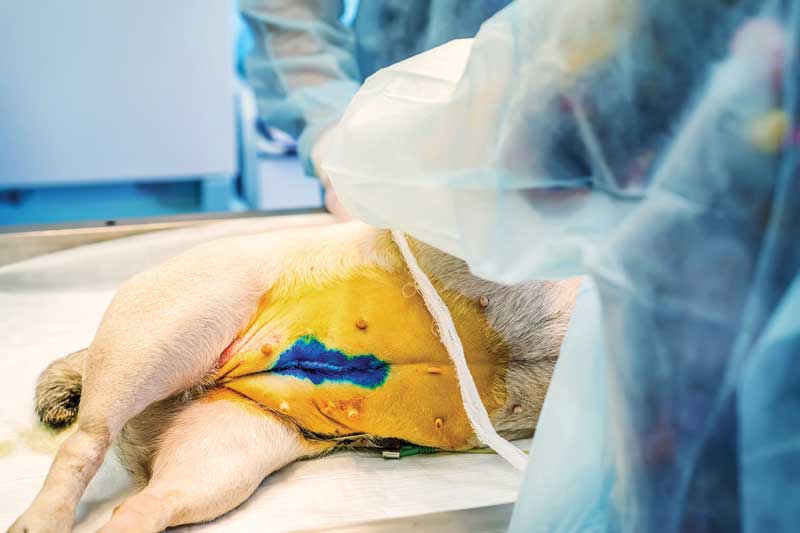
Image Source: www.veterinarypracticenews.com
What is Spaying?
Spaying is a common surgery for female dogs. The surgery is called an ovariohysterectomy. This means the vet removes the dog’s ovaries and uterus. This surgery stops the dog from getting pregnant. It also stops her heat cycles. Spaying has many health benefits for dogs. It lowers the chance of certain cancers. It also prevents a serious infection called pyometra. This surgery is very safe when done at the right time.
What is a Heat Cycle?
A heat cycle is a natural part of a female dog’s life. It is when she can get pregnant. This cycle usually happens about every six months. The timing can be different for each dog. Signs of a dog in heat include:
* Swollen vulva (her private area).
* Bleeding or bloody discharge.
* Acting more friendly or clingy.
* Wanting to roam more.
* Raising her tail or moving it to the side when touched.
* Male dogs being very interested in her.
The heat cycle lasts about two to four weeks. During this time, her body gets ready to have puppies. This readiness affects the surgery if she is spayed.
Spaying During the Heat Cycle: Why It’s Different
Doing the ovariohysterectomy during heat is different from doing it when she is not in heat. Her body changes a lot during heat. These changes make the surgery harder and riskier.
Her reproductive organs get bigger. There is also much more blood flowing to them. This is because her body is preparing for a possible pregnancy. This increased blood supply spay heat makes the surgery more complex.
Risks Spaying Dog in Heat
Spaying a dog while she is in heat comes with higher risks spaying dog in heat. Vets try to avoid these risks if possible. Here are some main problems:
More Bleeding
This is the biggest risk. During heat, the blood vessels around the uterus and ovaries get much larger. They also carry much more blood. When the vet cuts and ties off these vessels during surgery, there is a higher chance of bleeding. Severe bleeding during or after the surgery is a serious complications spaying during heat cycle. It can be life-threatening.
Difficulty with the Surgery
The surgery itself becomes more challenging for the vet. The tissues are swollen. The blood vessels are bigger and fuller of blood. This makes it harder for the vet to see clearly. It is harder to handle the tissues carefully. It takes more skill and time. This is why there is difficulty spaying dog in heat.
Higher Chance of Problems
Because of the extra bleeding and harder surgery, the chance of things going wrong goes up. These problems could be:
* More pain after surgery.
* More swelling.
* A higher risk of infection at the surgery site.
* The need for blood transfusions in serious cases of bleeding.
* Longer recovery time.
Longer Surgery Time
The surgery often takes longer when the dog is in heat. The vet must be extra careful with the bigger blood vessels. They need more time to tie them off securely. This extra time under anesthesia can also add a small extra risk, although modern anesthesia is very safe.
Higher Cost
Because the surgery is more difficult and takes longer, some vets might charge more to spay a dog in heat. They might also need extra supplies or staff on hand just in case of complications.
Benefits of Spaying During Heat?
Are there any benefits to spaying a dog during her heat cycle? Generally, no. The main benefits of spaying are long-term health advantages and preventing unwanted puppies. These benefits still happen whether the dog is spayed during heat or at another time.
The risks of spaying during heat usually outweigh any reason to do it right then. There is no medical advantage to spaying her during this specific two to four-week period. The health benefits like lower cancer risk and no pyometra can wait a few weeks until her heat is over.
The only time a vet might agree to spay a dog while she is in heat is in an emergency. For example, if she had a severe uterine problem that needed surgery right away. But for a normal, planned spay, waiting is much safer.
Vet Advice Spaying Dog Heat
Most vets will strongly advise against spaying your dog while she is in heat. They will recommend that you wait. This is standard vet advice spaying dog heat.
They will explain the risks spaying dog in heat, especially the risk of bleeding. They know the surgery is safer and easier when the dog is not in heat. Waiting is always the best choice for a planned spay.
If you call to book a spay and your dog is in heat, the clinic will almost certainly tell you to wait. They will ask about her heat cycle timing before booking the surgery.
The Canine Heat Cycle Spaying
The canine heat cycle spaying is important to understand for timing. A typical heat cycle has four stages:
- Proestrus: This is the start. It lasts about 7-10 days. You see bleeding. Males are interested but she won’t let them mate.
- Estrus: This is when she can get pregnant. It lasts about 5-10 days. The bleeding might slow or stop. She will accept males. This is the riskiest time for spaying.
- Diestrus: This phase lasts about 6-10 weeks. Her body either gets ready for pregnancy (if she mated) or calms down. Hormones are still active. There is still some risk of spaying during early diestrus, but less than during estrus.
- Anestrus: This is the resting phase between heat cycles. It lasts several months. Her reproductive system is quiet. This is the best time to spay female dog.
Vets want to spay during Anestrus. This is when the risks are lowest.
When Should I Spay My Dog?
So, when should i spay my dog if not during heat?
The very best time to spay female dog is generally before her first heat cycle. This happens around 6 months old for most breeds. Spaying before the first heat gives the most protection against mammary (breast) cancer later in life.
If a dog has already had a heat cycle, the next best time to spay female dog is about 2-3 months after the heat cycle has completely finished. This is because her hormones have settled down. The extra blood supply to her reproductive organs has gone back to normal. The tissues are not swollen.
Postpone Spaying Dog After Heat
It is very important to postpone spaying dog after heat ends. Don’t just wait until the visible signs (like bleeding) stop. Her body needs more time for the internal changes to go away.
Most vets recommend waiting 2-3 months after the last sign of heat is gone. This gives her body time to return to a non-heat state. At this point, the surgery becomes much safer. The risk of bleeding is much lower. The surgery is less difficult for the vet. Her recovery is likely to be faster and smoother.
Waiting is simply the safest plan. It lowers the risks spaying dog in heat to a minimum.
Ovariohysterectomy During Heat Explained Simply
Let’s look closer at the ovariohysterectomy during heat. The surgery involves cutting into the abdomen. The vet finds the uterus and ovaries. They tie off the blood vessels leading to these organs and then remove them.
When the dog is in heat, these parts are bigger. The blood vessels are much larger and filled with blood. Imagine trying to tie off a garden hose versus a small drinking straw. The garden hose is much harder to manage without spilling a lot of water (blood).
The vet must use more ligatures (ties) or thicker ones. They must be extra careful to make sure the ties are secure. If a tie slips, serious bleeding can happen very fast. This is the main reason for difficulty spaying dog in heat.
Recovery can also be different. The area might be more swollen. There might be more bruising. The incision site needs to be watched closely for any signs of unusual bleeding or swelling.
Comparing Spaying Times
Let’s put the different times into a simple table:
| Spaying Time | Risks | Surgery Difficulty | Recovery Time | Cost (Often) | Vet Recommendation |
|---|---|---|---|---|---|
| During Heat | High (especially bleeding) | High | Longer | Higher | Avoid if possible |
| Between Heats | Low | Low | Shorter | Standard | Best for adults |
| Before First Heat | Very Low | Low | Shorter | Standard | Best for puppies |
As you can see, spaying during heat is the time with the most downsides.
Why Vets Prefer to Wait
Vets are trained to handle surgeries. They can spay a dog in heat. But they are also focused on doing what is safest for your pet. They want the best outcome with the fewest problems.
Choosing to spay when the dog is not in heat greatly reduces the chance of serious issues. It allows for a smoother surgery. It helps the dog recover more easily.
When a vet gives vet advice spaying dog heat, they are thinking of your dog’s health and safety first. They are not trying to be difficult. They are trying to prevent complications spaying during heat cycle.
What if My Dog Goes into Heat Before Her Spay Date?
This happens sometimes! You book the surgery, and then your dog starts showing signs of heat.
* First, call your vet right away.
* Tell them your dog is in heat.
* They will almost certainly tell you they need to reschedule the surgery.
* They will tell you the new time should be about 2-3 months after her heat ends.
Do not just show up for the appointment hoping they will do it anyway. Be open with your vet about her heat cycle.
What if My Dog is in Heat and Might Be Pregnant?
If your dog was with a male dog while in heat, she could be pregnant. Spaying while pregnant is more complex than spaying during heat alone.
- It involves removing the pregnant uterus.
- The uterus is much larger and heavier.
- The blood supply is even more increased.
- The risks of bleeding are even higher.
- This is a more involved surgery.
- It does end the pregnancy.
This is a type of spay sometimes called an “emergency spay” or “pregnancy spay”. It is done to prevent puppies. It has higher risks than a routine spay. Your vet will discuss these specific risks spaying dog in heat when pregnant with you.
Preventing unwanted puppies is important. But ideally, you avoid this situation by keeping your dog securely away from males during her heat cycle.
Managing Your Dog During Heat While Waiting for Spay
If you have to postpone spaying dog after heat, you need to manage her carefully during this time.
* Keep her inside your house or in a secure yard at all times.
* Do not leave her unsupervised outside.
* Walk her on a leash only. Keep her away from other dogs.
* Male dogs can smell a female in heat from far away. They can be very determined to get to her.
* This is the main reason why it’s safer to spay before the first heat or keep them contained until the spay can happen safely.
The Process After Heat Ends
Once the heat cycle is truly over (no more swelling, no more discharge, no more attracting males), you should wait about 2-3 months.
- Mark your calendar for when the heat cycle ends.
- Add 2-3 months to that date.
- Call your vet around that time to schedule the spay.
- When you book, confirm with the vet clinic that it has been long enough since her heat.
This waiting period is crucial for reducing complications spaying during heat cycle. It allows her body to go back to normal.
Deciphering the Right Age for Spaying
Beyond the heat cycle itself, the age of spaying is also a topic vets discuss.
- Puppies (6 months old): This is the classic time recommended for most dogs. It is before the first heat for many breeds. It offers the best protection against mammary cancer. The surgery is usually simple at this age.
- Larger Breeds: For some large or giant breeds, some vets recommend waiting a bit longer. Maybe 9-12 months, or even up to 18 months for some giant breeds. This is because hormones play a role in bone growth. Waiting longer might help with proper joint development in these larger dogs. However, waiting longer means she might go through a heat cycle (or two). Going through a heat increases the lifetime risk of mammary cancer slightly compared to spaying before the first heat. It also brings the risk of an unwanted pregnancy.
- Adult Dogs (spaying between heats): If you adopt an adult female dog who is not spayed, you should spay her. Wait until she is not in heat. This is a safe time for the surgery. The benefits of spaying an adult dog (no pyometra, lower certain cancer risks, no heat cycles/pregnancies) are still very important.
- Older Dogs: Spaying older dogs is possible. The vet will do a full health check first. There might be slightly higher risks related to age and anesthesia, but often the benefits of preventing pyometra (which is more common in older intact females) outweigh these risks.
The decision on the exact best age (besides avoiding heat) can depend on the dog’s breed, size, and overall health. Your vet can give the best advice for your specific dog. This is part of the vet advice spaying dog heat discussion, as they factor in age as well as heat status.
The Importance of Spaying
Despite the risks of spaying during heat, spaying itself is a hugely important procedure.
- Population Control: Spaying is the main way to prevent unwanted litters of puppies. Millions of animals enter shelters each year, and spaying helps reduce this number.
- Health Benefits:
- Prevents Pyometra: This is a serious, life-threatening infection of the uterus. It is common in older, unspayed female dogs. It requires emergency surgery, which is much riskier and more expensive than a planned spay. Spaying removes the uterus, so pyometra is impossible.
- Reduces Cancer Risk: Spaying significantly lowers the risk of mammary (breast) cancer, especially if done before the first heat. It also prevents uterine and ovarian cancers.
- Prevents Heat Cycles: No more messy bleeding or attracting unwanted male dogs.
- Behavioral Benefits: Some dogs become less prone to roaming or certain hormone-related behaviors after spaying.
These benefits are why vets strongly recommend spaying. The goal is just to do it at the safest time – which is not during a heat cycle.
Summarizing the Main Points
- Spaying a dog during heat is possible but has higher risks, mainly bleeding and surgery difficulty spaying dog in heat.
- This is due to the increased blood supply spay heat and swollen tissues.
- Most vets give clear vet advice spaying dog heat that you should wait.
- The best time to spay female dog is before her first heat or 2-3 months after a heat cycle ends.
- You must postpone spaying dog after heat for at least 2-3 months for safety.
- Complications spaying during heat cycle include more bleeding, longer surgery, and tougher recovery.
- The canine heat cycle spaying timing is key; aim for the “Anestrus” phase.
- Understanding the risks of ovariohysterectomy during heat helps explain why vets wait.
- Knowing when should i spay my dog involves considering age and heat status.
Waiting a few weeks or months after your dog’s heat cycle finishes is a small delay that makes a big difference in the safety of her surgery. Talk openly with your vet about her heat cycle. They will help you choose the safest time for her spay.
Frequently Asked Questions
H4 What happens if my dog was spayed while in heat and seemed fine?
Some dogs spayed during heat recover without problems. Vets are skilled and can manage the surgery. However, the risk of problems like severe bleeding is still much higher than if the surgery was done when the dog was not in heat. Every surgery has risks, but spaying during heat adds extra ones.
H4 Is it harder for the vet to find the uterus when spaying during heat?
No, the opposite is true. The uterus and ovaries are larger and more prominent during heat because of the increased blood supply and hormonal changes. The difficulty comes from managing the larger, fuller blood vessels tied to these organs.
H4 My vet said they can spay her while in heat, but recommend waiting. Why would they even offer it?
Vets can perform the surgery because they have the skills to manage the increased risks. Sometimes, an owner might insist, or there might be a specific reason why waiting is very difficult (though rarely a medical one). A good vet will explain the higher risks spaying dog in heat clearly. They will likely recommend waiting unless there’s an extreme circumstance.
H4 How long does a dog’s heat cycle usually last?
A typical heat cycle lasts about 2 to 4 weeks from start to finish of all visible signs. However, the internal changes that affect spaying can take 2-3 months to fully go away. This is why vets recommend waiting that long after the heat ends.
H4 My dog just finished bleeding. Can I spay her now?
No. The bleeding is usually only the first stage (proestrus) or part of the fertile stage (estrus). Even after the bleeding stops, she is often still in or just out of the risky fertile period (estrus/early diestrus). Her reproductive organs are still swollen and have increased blood flow. You should wait the full 2-3 months after all signs of heat (bleeding, swelling, attracting males) have stopped. This is key vet advice spaying dog heat.
H4 Does spaying stop future heat cycles?
Yes, absolutely. The surgery removes the ovaries, which produce the hormones that cause heat cycles. Once spayed, a dog will never go into heat again.
H4 Will waiting until after heat to spay affect the health benefits?
Spaying before the first heat gives the best protection against mammary cancer. If your dog has already had a heat, waiting 2-3 months after that heat to spay is still very beneficial. It still greatly reduces the risk of mammary cancer compared to not spaying at all. It completely prevents pyometra and ovarian/uterine cancers. The small delay of waiting after a heat cycle (compared to doing it during the heat) does not take away these major health benefits. It just ensures the surgery itself is safer.