
Image Source: southeastoakvillevet.ca
Is It Best Why Wait Until After First Heat To Spay Dog?
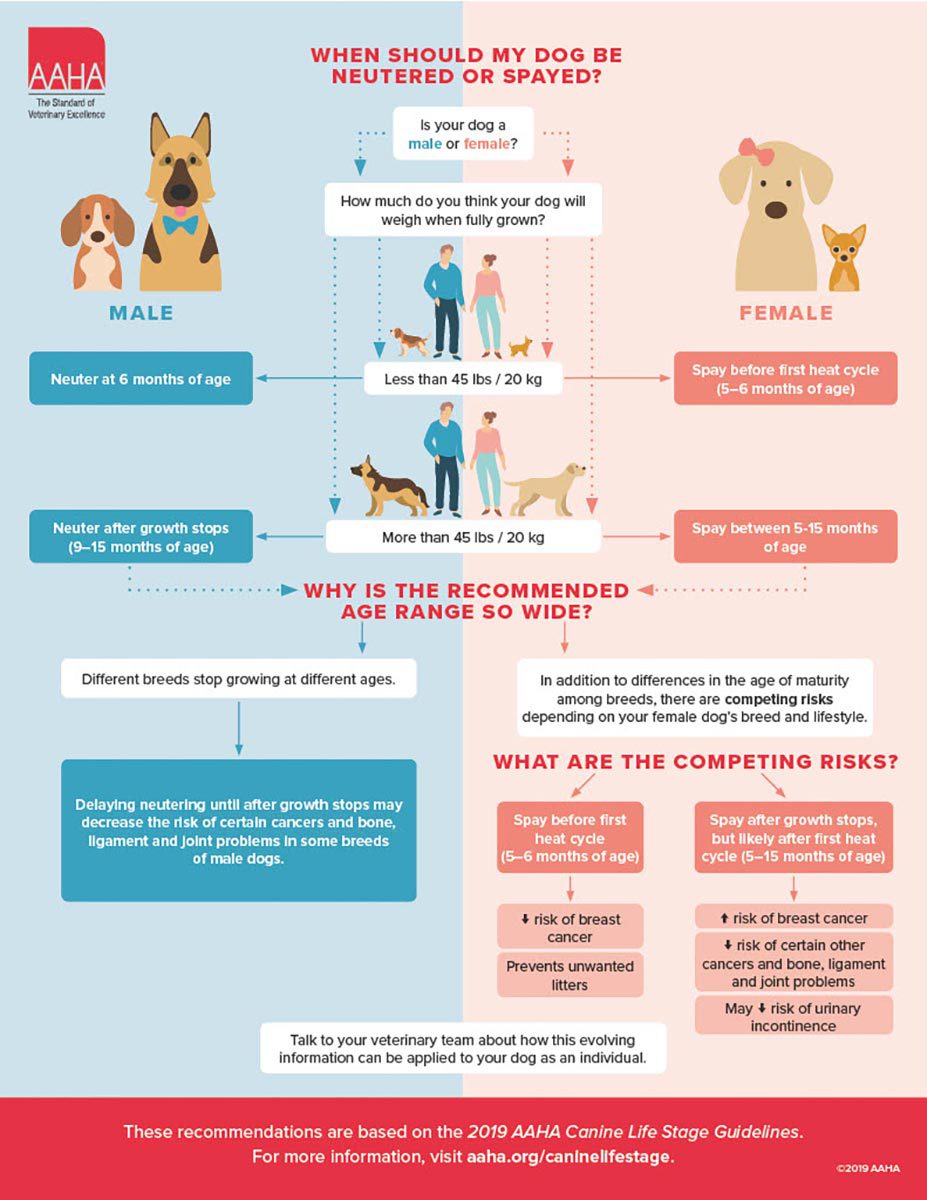
Is it best to wait until after the first heat to spay your dog? This is a common question dog owners ask. There is no single “yes” or “no” answer that fits every dog. For some dogs, especially large breeds, waiting until after the first heat may offer certain health benefits, particularly related to bone growth and development, by allowing them to gain more of the natural hormonal effects spaying dogs changes. However, spaying before the first heat greatly reduces the risk of mammary cancer and prevents unwanted pregnancies entirely. The decision often depends on the dog’s breed, size, individual health, and your family’s lifestyle, and it’s always best to get veterinarian advice spay timing specific to your pet.
Choosing the Time to Spay
Spaying, also known as an ovariohysterectomy, is a surgery. A veterinarian removes a female dog’s ovaries and uterus. This stops her from getting pregnant. It also stops her heat cycles. Spaying is a routine surgery for dogs. Most dog owners choose to spay their female dogs. The choice is often about when to do it.
For many years, vets suggested spaying dogs before their first heat. This usually happens around 6 months old. This timing was seen as the optimal age to spay female dog for simple reasons. It stopped heat cycles. This meant no bleeding, no unwanted male dogs hanging around, and no risk of pregnancy. It also offered a strong health benefit: it greatly lowered the chance of mammary cancer.
However, over time, some studies started to look at the health implications early spay might have. These studies suggested that spaying very early might affect how a dog grows, especially their bones. This has led to a discussion about waiting. Some vets and owners now think waiting until after the first heat might be better for some dogs. This wait is often until they are 9-15 months old, depending on when their first heat happens.
Reasons to Consider Waiting
There are several potential benefits of spaying after first heat. These reasons are mainly linked to how hormones affect a dog’s body as she grows.
Hormones and Growth
Female dogs produce hormones like estrogen. These hormones do more than just get them ready to have puppies. They also help their bodies develop fully. Estrogen plays a part in closing the growth plates in bones. Growth plates are soft areas at the end of long bones. They allow the bone to grow longer as a puppy grows up.
If a dog is spayed before these growth plates close, the bones might grow a bit longer than they would naturally. This is because the hormones that signal the bones to stop growing are removed early. While this might not seem like a big deal, longer bones can sometimes affect joint structure and movement. This is part of the orthopedic issues early spay might be linked to.
Potential Orthopedic Benefits
Some studies suggest a link between early spaying (before puberty or the first heat) and a higher risk of certain joint problems. These are orthopedic issues early spay might cause or make worse.
- Hip Dysplasia: This is when the hip joint doesn’t form correctly. The ball and socket don’t fit together well. This can cause pain and arthritis. Some research indicates that dogs spayed early might have a slightly higher chance of developing hip dysplasia, especially in certain breeds.
- Elbow Dysplasia: Similar to hip dysplasia, but affects the elbow joint. Early spaying might also play a role in this.
- Cranial Cruciate Ligament (CCL) Tears: The CCL is a major ligament in a dog’s knee (stifle joint). It’s similar to the ACL in humans. Tearing this ligament is a common injury in dogs. Some studies show that dogs spayed early might have an increased risk of tearing their CCL. This might be because of slight differences in bone length or joint angle due to hormonal changes.
Waiting until after the first heat allows the dog’s hormones to influence bone growth naturally during puberty. This might lead to more normal joint development and potentially lower the risk of these orthopedic problems. This is one of the main health implications early spay discussions focus on, particularly for large and giant breeds whose bones take longer to mature.
Behavioral Effects
Some owners and trainers believe that waiting to spay might have positive behavioral effects spaying age. They think that letting a female dog go through puberty with her hormones helps her develop into a more confident or less anxious adult dog.
However, the evidence for this is less clear than the evidence for orthopedic issues. Most behavioral issues are related to training, socialization, and individual dog personality. While hormones do influence behavior, removing them early hasn’t been definitively linked to widespread negative behavioral outcomes like aggression or fear in all dogs. Some studies suggest potential links to increased fear-based behaviors or noise phobias in some early-spayed dogs, but the findings are mixed and complex.
It’s important to note that spaying at any age can sometimes change a dog’s behavior slightly. It removes hormone-driven behaviors like roaming, nesting, or seeking mates. It can also reduce marking behavior.
Other Potential Health Benefits
Some research points to other potential health benefits of spaying after the first heat.
- Reduced risk of certain cancers: While spaying early greatly reduces mammary cancer risk, some studies suggest that early spaying might slightly increase the risk of certain other less common cancers, such as osteosarcoma (bone cancer) or hemangiosarcoma (cancer of blood vessels). Waiting until after the first heat might slightly reduce the risk of these other cancers, although the evidence is not as strong or consistent as the evidence regarding mammary cancer.
- Reduced risk of urinary incontinence: Some studies have shown that spaying very young female dogs (before 3 months old) might increase the risk of developing spay incontinence later in life. This is when a dog leaks urine unintentionally, often while sleeping. While this can happen regardless of spay age, the risk might be slightly higher with very early spaying. Waiting until after the first heat might help reduce this risk, though the link is not absolute.
These potential benefits contribute to the idea that waiting for first heat spay decision is worth considering for some dogs.
Risks of Waiting to Spay
While there may be benefits to waiting, there are also significant risks and drawbacks. Understanding these risks is crucial when making the waiting for first heat spay decision.
Unwanted Pregnancy
This is perhaps the most obvious and serious risk of not spaying. A female dog will experience heat cycles if she is not spayed. During a heat cycle, she is fertile and can get pregnant if she is around an intact (unspayed) male dog.
- Heat Cycles: A female dog’s first heat usually happens between 6 and 18 months of age. Smaller breeds often have their first heat earlier than larger breeds. Heat cycles typically occur every 6-8 months. During a heat, a female dog will attract males, may have bloody discharge, and her behavior will change. This period lasts about 2-4 weeks.
- Managing Heat: Managing a dog in heat requires strict supervision. She cannot be left alone in the yard. Walks must be carefully timed to avoid male dogs. Doggy daycare, boarding facilities, and even some training classes will not accept a dog in heat. This can be very inconvenient for owners. Accidental pregnancies can happen very easily if owners are not extremely vigilant. Dealing with an unplanned litter of puppies is a major commitment and expense.
Preventing unwanted pregnancies is a primary reason vets traditionally recommended early spaying. Waiting guarantees that the dog will go through at least one heat cycle, and thus be exposed to the risk of pregnancy.
Mammary Cancer Risk
One of the strongest and most widely accepted benefits of early spaying is the significant reduction in the risk of mammary (breast) cancer. Mammary tumors are common in unspayed or late-spayed female dogs. About 50% of these tumors are malignant (cancerous) in dogs.
- Spaying a dog before her first heat cycle reduces the risk of mammary cancer by approximately 99.5%.
- Spaying after the first heat but before the second heat reduces the risk by about 92%.
- Spaying after the second heat or later offers only a slight reduction in risk (around 26%).
The hormonal effects spaying dogs removes are the key here. Estrogen exposure fuels the development of mammary tumors. Removing the ovaries early removes this hormone source, drastically lowering the risk. Waiting for even one heat cycle significantly increases the cumulative exposure to estrogen, thus increasing the mammary cancer risk compared to spaying before any heat. This is a major point when considering risks of spaying dog early versus later. Spaying early prevents this common and potentially deadly cancer in almost all cases. Waiting, even for one heat, substantially reduces this protective effect.
Pyometra
Pyometra is a serious, life-threatening infection of the uterus. It almost exclusively occurs in unspayed female dogs, usually a few weeks after they have finished a heat cycle. Hormonal changes during heat cause the lining of the uterus to thicken. If bacteria enter the uterus at this time, the thickened lining is an ideal place for them to grow, leading to a severe infection and pus accumulation.
Symptoms include lethargy, loss of appetite, increased drinking and urination, vaginal discharge (though sometimes the cervix remains closed, trapping the infection, which is more dangerous), and fever. Pyometra is a medical emergency and requires immediate spaying to remove the infected uterus. This emergency surgery is more complex, more expensive, and carries a higher risk than a routine spay on a healthy dog.
Waiting for even one heat cycle exposes the dog to the risk of pyometra. While not every unspayed dog will get pyometra, it is a common and very serious condition in intact females. Spaying removes the uterus, making pyometra impossible.
Surgical Risks
While routine spaying is safe, any surgery carries some risk. Risks of spaying dog early or later are generally similar for the procedure itself, though an emergency spay for pyometra has higher risks.
- Anesthesia risks (low but present).
- Bleeding or infection at the surgical site.
- Reaction to stitches.
These risks are typically minimal in a young, healthy dog undergoing a planned surgery. Waiting doesn’t necessarily change these basic surgical risks, but an emergency spay is riskier due to the dog being sick.
Inconvenience and Stress
Managing a dog through her heat cycle can be stressful for both the dog and the owner.
- Behavior Changes: Dogs in heat can be restless, anxious, or more prone to roaming.
- Attracting Males: Male dogs can become fixated on a female in heat, even from a distance. This can make walks difficult and potentially lead to unwanted visitors in your yard.
- Bleeding: There is typically bloody discharge, which requires using doggy diapers and cleaning.
These factors contribute to the practical challenges of waiting for first heat spay decision.
Weighing Early vs Late Spay
Making the decision involves balancing the potential benefits of waiting (especially for large breeds regarding orthopedic health) against the clear, significant risks of waiting (unwanted pregnancy, mammary cancer, pyometra).
Here is a summary of the arguments for early vs late spay health risks and benefits:
| Feature | Spaying Before First Heat (Early Spay) | Spaying After First Heat (Later Spay) |
|---|---|---|
| Mammary Cancer Risk | Reduced by 99.5%. Very low risk. | Risk increases significantly (92% reduction after 1 heat, much less after 2+). |
| Pyometra Risk | Eliminated. Impossible without a uterus. | Dog remains at risk after each heat cycle until spayed. |
| Unwanted Pregnancy | Eliminated. Dog does not have heat cycles. | Dog will go through heat, is fertile, high risk if not managed perfectly. |
| Orthopedic Issues | Potential slightly increased risk of hip/elbow dysplasia, CCL tears, especially in large/giant breeds. | Potential slightly decreased risk due to hormonal effects on bone growth plates. |
| Other Cancers | Some studies suggest potential slight increase in some rare cancers. | Some studies suggest potential slight decrease in some rare cancers. |
| Urinary Incontinence | Very early spay (before 3-4 months) may slightly increase risk. | May slightly decrease risk compared to very early spay. |
| Surgery Risk | Routine, lower risk than emergency. | Routine surgery has similar risk; emergency spay for pyometra has higher risk. |
| Convenience | No heat cycles to manage. | Must manage heat cycles (bleeding, attracting males, behavior changes). |
| Behavioral Effects | Less clear evidence; some suggest potential link to fear/anxiety in some. | Less clear evidence; some suggest potentially more confident development. |
| Cost | Routine spay is typically less expensive than emergency surgery. | Routine spay cost is similar; emergency surgery is more expensive. |
This table highlights the complex nature of the early vs late spay health risks and benefits. The major certainties are the dramatic reduction in mammary cancer and elimination of pyometra with early spaying. The potential orthopedic benefits of waiting are less certain and vary by breed.
Veterinarian Advice on Spay Timing
Given the conflicting information and research, what is the current veterinarian advice spay timing? Most vets no longer give a blanket recommendation of 6 months for all dogs. Instead, the timing is often personalized.
Many vets now recommend spaying large and giant breed female dogs after their first heat cycle, or sometimes specifically after they reach skeletal maturity (when growth plates close). This is often between 9 and 18 months of age, or even up to 24 months for giant breeds. The reasoning is primarily to potentially reduce the risk of orthopedic problems like hip dysplasia and CCL tears, allowing bones and joints to develop fully under the influence of natural hormones.
For small and medium breed female dogs, the recommendation is often still to spay before the first heat, typically around 6 months of age. This is because:
- They reach skeletal maturity earlier.
- The potential link between early spaying and orthopedic issues appears weaker in smaller breeds.
- The significant reduction in mammary cancer risk and elimination of pyometra with early spaying remain strong benefits.
However, even within these general guidelines, individual veterinarian advice spay timing can vary based on:
- Breed-specific risks: Some breeds are more prone to certain orthopedic issues or cancers than others.
- Dog’s individual health: Any existing health conditions might influence the best timing.
- Owner’s lifestyle and ability to manage a heat cycle: If an owner cannot guarantee they can prevent pregnancy during heat, the risk of waiting is much higher.
It is crucial to have an open discussion with your veterinarian. Share your dog’s breed, age, lifestyle, and your concerns. Your vet can help you weigh the risks and benefits specific to your dog.
Deciphering Breed Differences
Breed plays a significant role in the optimal age to spay female dog. Different breeds mature at different rates and have varying predispositions to certain health issues.
- Small Breeds (e.g., Chihuahuas, Yorkies, Poodles < 20 lbs): Often recommended to spay around 6 months, before first heat. They mature faster, and the orthopedic risks of early spaying seem minimal. The mammary cancer prevention benefit is very strong.
- Medium Breeds (e.g., Beagles, Cocker Spaniels, Poodles 20-50 lbs): Recommendations can vary. Many vets still suggest around 6 months. However, some might recommend waiting slightly longer, closer to 9-12 months, depending on the individual dog and vet preference. The decision often comes down to balancing cancer risk vs. potential minor growth effects.
- Large Breeds (e.g., Labs, Goldens, Shepherds 50-90 lbs): Increasingly, vets recommend waiting until after the first heat, often 9-15 months, or even until 12-18 months. This is primarily to allow bone growth plates to close naturally, potentially reducing the risk of orthopedic problems like CCL tears and hip/elbow dysplasia.
- Giant Breeds (e.g., Great Danes, Mastiffs > 90 lbs): These breeds mature very slowly. Vets often recommend waiting longer, possibly 12-24 months or even later, until skeletal maturity is reached. The potential for orthopedic issues from early spaying is considered higher in these breeds. However, the risk of osteosarcoma might be slightly higher in intact giant breeds. This makes the decision particularly complex for giant breeds, and discussing specific breed research with your vet is vital.
Research is ongoing regarding breed-specific optimal timing. Studies looking at different breeds like Golden Retrievers, Labrador Retrievers, and German Shepherds have highlighted breed-specific trends in health outcomes based on spay/neuter timing. These studies contribute valuable data to help inform veterinarian advice spay timing.
Grasping Hormonal Effects
To truly understand the debate, it helps to grasp the hormonal effects spaying dogs removes.
Before spaying, a female dog’s body produces estrogen and progesterone, mainly from the ovaries. These hormones are responsible for:
- Reproduction: Causing heat cycles, preparing the uterus for pregnancy.
- Physical Development: Influencing bone growth plate closure, development of reproductive organs, mammary gland development.
- Metabolism: Affecting body weight, fat distribution, and energy levels.
- Behavior: Driving reproductive behaviors like seeking mates, nesting, and sometimes influencing overall confidence or anxiety levels (though behavioral effects are complex).
When a dog is spayed, the ovaries are removed. This stops the production of these primary sex hormones. The body no longer experiences hormonal cycles.
- Early Spay (before puberty): Removes these hormones before they have fully influenced puberty and physical maturation. This stops the development of reproductive organs and mammary tissue early, which is why mammary cancer risk is so low. It also means the hormones aren’t present to signal growth plates to close at the “usual” time, potentially leading to slightly longer bones.
- Later Spay (after first heat/puberty): Allows the dog to go through puberty under the influence of her own hormones. Her bones mature more naturally. Her reproductive organs and mammary tissue develop. She experiences heat cycles. Once spayed, the hormones are removed, stopping cycles and further hormone-dependent development, but after puberty has largely occurred.
The risks of spaying dog early, like potential orthopedic issues, are thought to stem from removing these crucial hormones during the critical growth period. The benefits of spaying after first heat are linked to allowing this period of hormonal influence to complete.
Navigating the Waiting Period
If you and your vet decide that waiting until after the first heat is best for your dog, you must be prepared to manage her during this time, especially when she goes into heat.
- Recognizing Heat: Signs include swollen vulva, bloody discharge, increased urination, attracting male dogs, changes in behavior (more clingy, restless, or sometimes slightly agitated). The first heat is often less noticeable than later heats.
- Preventing Pregnancy: This is the most critical part.
- Supervision: Never leave her unsupervised outside, even in a fenced yard, as persistent male dogs can find ways in.
- Leashes: Always walk her on a leash. Avoid off-leash areas.
- Timing Walks: Walk at times or in places where you are less likely to encounter intact male dogs.
- Separation: Keep her completely separate from any intact male dogs in your household.
- Boarding/Daycare: Plan ahead, as most facilities will not accept a dog in heat.
- Managing Mess: Use doggy diapers to manage the bloody discharge inside your home.
- Duration: A heat cycle typically lasts about 2-4 weeks, but the fertile period is usually in the middle. She may attract males for the entire duration.
The inconvenience and the stress of constantly preventing accidental mating are significant drawbacks of waiting. This is a practical factor in the waiting for first heat spay decision.
Consulting Your Veterinarian
Ultimately, the optimal age to spay female dog is a decision best made in partnership with your veterinarian. They can provide veterinarian advice spay timing based on the latest research and their experience, considering your dog’s specific breed, size, health status, and your family’s ability to manage an intact female.
Be prepared to discuss:
- Your dog’s breed and adult size expectation.
- Her current health and any health history.
- Your lifestyle (e.g., fenced yard, access to dog parks, travel plans).
- Your concerns about potential health risks (both for early and late spay).
- Your ability and willingness to manage heat cycles and prevent pregnancy.
Your vet can help you weigh the risks of spaying dog early (lower cancer/pyometra risk, but potential orthopedic/behavioral links) against the benefits of spaying after first heat (potential orthopedic/behavioral benefits, but increased cancer/pyometra risk and risk of pregnancy).
Conclusion: The Informed Decision
The question “Is It Best Why Wait Until After First Heat To Spay Dog?” doesn’t have a simple universal answer. There are valid arguments and some research supporting waiting until after the first heat, particularly for large and giant breeds, primarily centered on potential orthopedic benefits derived from hormonal effects spaying dogs removes early. These potential orthopedic issues early spay may contribute to are important considerations.
However, the risks of waiting—specifically the increased risk of mammary cancer, the life-threatening risk of pyometra, and the guaranteed risk of unwanted pregnancy—are substantial and well-documented. The benefits of spaying before the first heat in almost eliminating mammary cancer and pyometra are immense public health wins for the canine population.
For most small and medium breeds, the benefits of early spaying (around 6 months) in drastically reducing cancer risk likely outweigh the less significant or less proven risks of orthopedic issues compared to large breeds.
For large and giant breeds, the decision is more nuanced. The potential orthopedic benefits of waiting must be carefully weighed against the clear, increased risks of cancer, pyometra, and pregnancy that come with waiting.
The optimal age to spay female dog is a personalized decision. It requires understanding the early vs late spay health risks, considering the benefits of spaying after first heat in the context of your specific dog’s breed and anticipated size, and having an open conversation with your veterinarian. They can provide the tailored veterinarian advice spay timing needed to make the best decision for your beloved companion’s long-term health and your peace of mind.
Frequently Asked Questions
Is it bad if my dog goes through a heat cycle before spaying?
It’s not necessarily “bad” or harmful in itself for a dog to go through a heat cycle. It is a natural biological process. However, allowing her to go through a heat cycle increases her risk of mammary cancer (compared to spaying before heat) and exposes her to the risk of pyometra and unwanted pregnancy, all of which are very serious health concerns or consequences that are prevented by earlier spaying.
What happens during a dog’s first heat?
During the first heat (estrus cycle), which typically lasts 2-4 weeks, your dog’s vulva will swell, she may have bloody or straw-colored discharge, and she will attract male dogs. Her behavior may change; she might be more restless or seek attention. She is fertile during this time.
How long should I wait after her first heat to spay her?
Veterinarians typically recommend waiting about 2-4 months after the end of the heat cycle to spay. This allows the reproductive organs and surrounding blood vessels to return to their normal, non-swollen state, which makes the surgery safer and easier.
Is it true that spaying changes a dog’s personality?
Spaying removes the hormones that drive reproductive behaviors. This means spayed dogs will not go into heat, seek mates, or exhibit nesting behaviors. It can sometimes reduce hormone-related marking. While some owners report slight changes, like a dog becoming calmer, spaying does not fundamentally change a dog’s core personality. Behavioral effects spaying age are complex and less predictable than the physical health effects. Training and socialization are the biggest factors in a dog’s personality and behavior.
Will spaying my dog make her gain weight?
Spaying removes hormones that influence metabolism. Some dogs may have a tendency to gain weight after spaying because their metabolism slightly slows down and their appetite might increase. However, weight gain is not inevitable. It can be easily managed by adjusting her food intake and ensuring she gets enough exercise. Overweight dogs are a result of taking in more calories than they burn, not simply being spayed.
Is spaying expensive?
The cost of spaying varies depending on your location, the type of veterinary clinic (private practice, low-cost clinic), and the dog’s size and health. Routine spaying at a young age is generally less expensive than spaying an older dog or performing an emergency spay due to pyometra. Many communities offer low-cost spay/neuter programs.
What are the signs of pyometra?
Signs of pyometra include lethargy, loss of appetite, increased thirst and urination, vomiting, swollen abdomen, and discharge from the vulva (pus or blood). Sometimes there is no visible discharge if the cervix is closed. If you see these signs in an unspayed female dog, especially a few weeks after her heat cycle ended, consider it an emergency and contact your vet immediately.
Does spaying prevent all cancers?
No, spaying significantly reduces the risk of mammary cancer and eliminates ovarian and uterine cancers (because those organs are removed). However, it does not prevent other types of cancer. Some studies have even suggested a slight increase in the risk of some other cancers like osteosarcoma or hemangiosarcoma in early-spayed dogs compared to intact or later-spayed dogs, but the risk reduction for mammary cancer is far more significant and common.