
Training a squirrel dog takes time and patience. A good squirrel dog finds squirrels and tells you where they are, often by barking loudly at the base of a tree. How do you train a squirrel dog? It starts when the dog is a puppy with simple games and moves to real woods work. Some dog breeds for squirrel hunting are better than others, like Mountain Curs, Feists, or certain hounds. Training a squirrel dog to tree, doing squirrel dog scent training, and getting the dog barking on the tree are key parts of this process. You can train your own dog using tested squirrel dog training techniques or look into finding squirrel dog trainers for help.
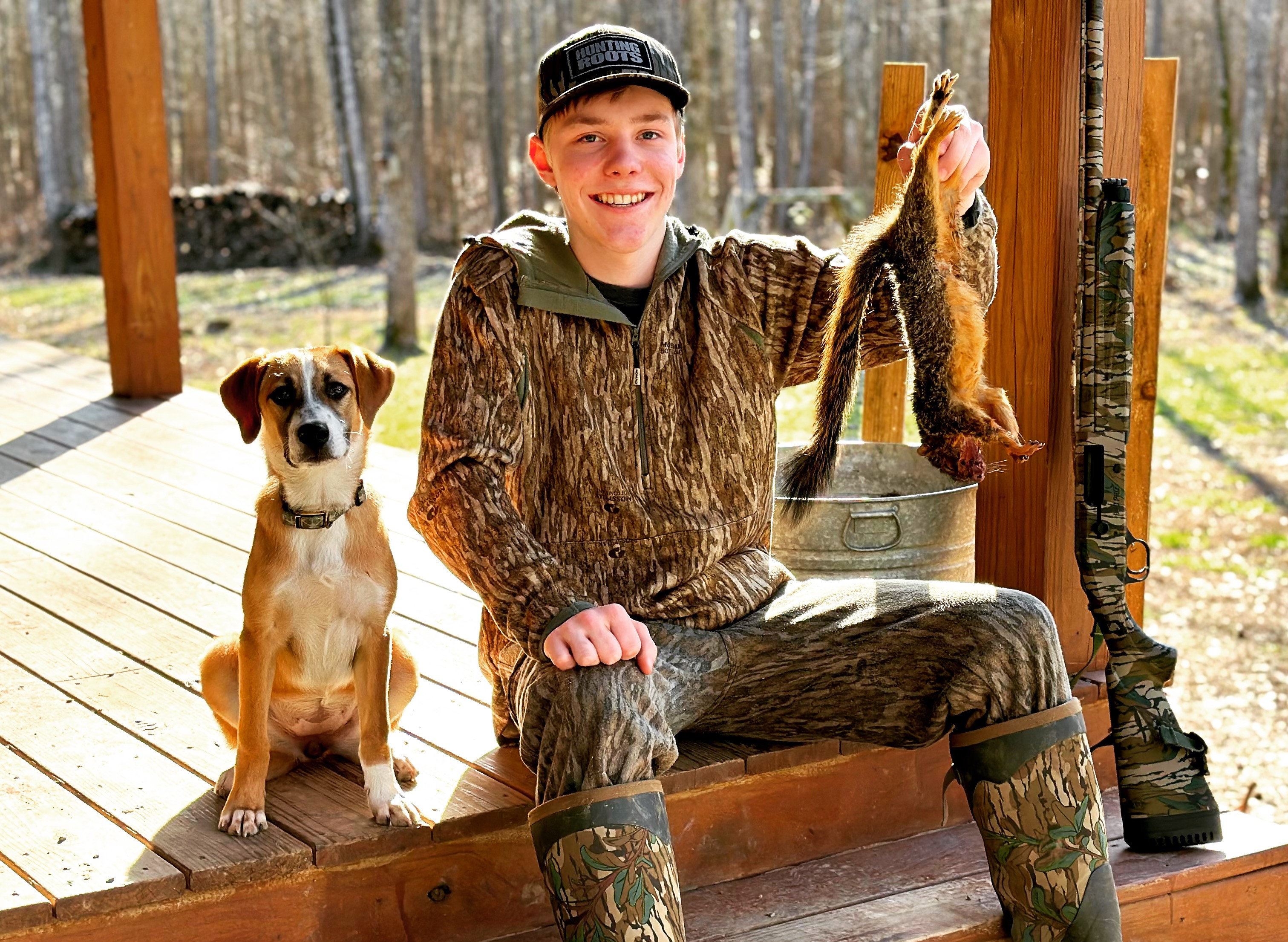
Image Source: www.mossyoak.com
Choosing the Right Partner
Not all dogs are right for squirrel hunting. Some breeds have a natural drive to hunt small animals and use their nose. These are often called the best squirrel dog breeds.
Finding the Best Dog Types
Certain dog types are known for their hunting skills. They have the right energy, a good nose, and the focus needed.
- Mountain Curs: These dogs are known for being tough and smart. They hunt squirrels very well. They often work close to the hunter.
- Feists: Feists are smaller, quick dogs. They are great tree dogs. They use their eyes and nose to find squirrels fast.
- Treeing Walker Coonhounds: While used for raccoons, many make excellent squirrel dogs. They have a strong nose and a loud bark at the tree.
- Black and Tan Coonhounds: Like Treeing Walkers, they have a great nose and tree sense. They are steady and reliable.
- American English Coonhounds: Fast and eager, these hounds can also be good squirrel hunters.
- Beagles: Some lines of Beagles can be trained for squirrels. They have amazing noses.
These dog breeds for squirrel hunting have the natural instincts you need. Picking a puppy from parents that hunt squirrels well gives you a good start.
Starting Early: Training a Puppy
Training begins when your dog is young. This is how to train a puppy squirrel dog. Early lessons build trust and teach your dog to listen.
First Lessons for a Young Dog
Puppies need basic training first. This helps them become good partners in the woods.
- Come When Called: This is the most important command. Use treats and praise. Call the puppy’s name and “come!” Reward them when they come to you. Make it fun.
- Sit: Teach your puppy to sit. This helps control them. Use a treat to guide their nose up and back. Say “sit” as they do it.
- Stay: Once they can sit, teach them to stay for short times. Slowly make the time longer.
- Walking on a Leash: Your dog needs to walk nicely beside you. This is vital for safety in the woods. Start in a quiet place.
Keep training times short and fun. Puppies have short attention spans.
Getting the Puppy Used to the Outdoors
Introduce your puppy to different sights and sounds. Take them for walks in fields and light woods. Let them explore safely. This builds their confidence. It helps them get used to the hunting environment later.
Building Core Hunting Skills
Now you start teaching skills specific to squirrel hunting. This involves scent training and getting the dog interested in squirrels. These are key squirrel dog training techniques.
Learning to Smell: Squirrel Dog Scent Training
A squirrel dog uses its nose a lot. You need to teach your dog to focus on squirrel scent.
- Use a Squirrel Tail: Get a dried squirrel tail. You can buy one or save one from a hunt. Let the puppy sniff it. Play simple games with it.
- Scent Drag: Drag the tail on a string across the ground for a short distance. Let the puppy follow the scent. Praise them when they find the tail.
- Find the Tail: Hide the tail slightly. Let the puppy use their nose to find it. Make the hiding spots harder over time.
- Scent in a Box: Put the tail in a box with holes. Let the puppy sniff the box. Reward them for showing interest. This helps them focus on the smell alone.
Start these games in a place with no distractions. Make it a fun game for the dog. These steps build the base for squirrel dog scent training.
Getting Familiar with Squirrels: Introducing Dog to Squirrels
Your dog needs to know what a squirrel is. And that squirrels are what you want them to find.
- See Live Squirrels: Take your puppy to places where you can see squirrels. Parks are good for this. Keep your dog on a leash. Let them watch the squirrels.
- Show Excitement: When your dog notices a squirrel, act happy. Say things like “Get the squirrel!” in an excited voice. Point at the squirrel. This helps your dog link the squirrel to your excitement.
- Controlled Encounters: If possible, let your dog see a squirrel from a distance. Do not let them chase freely yet. The goal is interest, not a wild chase.
- Use a Live-Trap Squirrel: Some trainers use a squirrel caught safely in a live trap. They let the dog see and hear the squirrel in the trap. This is a strong lesson about what they are looking for. Be very careful if you do this. Always put the squirrel’s safety first. Release it far away later.
This stage is about building desire. You want the dog to want to find squirrels. This is a key part of introducing dog to squirrels.
Moving to Real Hunting Practice
Once your dog shows interest and can follow a simple scent, it is time for the woods. This is where you teach training a squirrel dog to tree and barking on the tree training.
First Woods Walks
Start with short walks in light woods. Let your dog explore. Watch them. See if they show interest in trees or sniffing the ground hard.
- Walk Slowly: Do not rush. Give your dog time to use their nose.
- Watch Body Language: See if their tail is up, nose to the ground, or head tilted up at a tree. These are signs they might be on a scent or have seen something.
- Praise Effort: If your dog shows interest in a tree, praise them. Even if there is no squirrel there.
Finding the Squirrel: Training a Squirrel Dog to Tree
This is a big step. You want the dog to find the squirrel, chase it up a tree, and stay at the tree.
- Find a Hot Track: Go to an area where you know squirrels are active. Look for a dog showing strong interest on the ground or looking up.
- Encourage the Chase: If the dog sees a squirrel and runs towards the tree, encourage them. Run with them if you can.
- Focus on the Tree: Once the squirrel is in the tree, your job is to get the dog to focus on that tree. Point at the tree. Say “Get the squirrel!” or “Tree ’em!”
- Check the Tree: Look closely for the squirrel. It might be hiding. If you see it, point it out to the dog.
- Reward at the Tree: This is vital. When your dog is focused on the tree where the squirrel is, give lots of praise. Give them a treat. Let them know they did right.
- Repeat: This takes many tries. Go out often. Give the dog chances to find squirrels and tree them.
Some dogs tree naturally. Others need lots of help. Spend time at the tree with your dog. Make it a good experience. This builds the skill of training a squirrel dog to tree.
Telling You It’s There: Barking on the Tree Training
A good squirrel dog barks when the squirrel is treed. This tells you exactly where the squirrel is. This is barking on the tree training.
- Link Barking to the Squirrel: When your dog is at the tree and the squirrel is there, encourage any bark. As soon as they bark, give high praise and a reward. Even a small “woof” counts at first.
- Excitement Helps: Act excited yourself at the tree. Your energy can make the dog more likely to bark.
- Use a Cue Word: Some people use a word like “Speak” or “Bark” when the dog is focused on the tree. When the dog barks, reward them.
- Stay at the Tree: Do not let the dog leave the tree right away. Stay there for a few minutes. Praise them for staying focused and barking.
- Show the Squirrel (If Possible): If you can easily point out the squirrel, do it. This helps the dog understand why they are at this tree.
- Take the Squirrel: In the hunting world, taking the squirrel is the final reward. If you hunt, shooting the squirrel after the dog trees and barks confirms for the dog that they did their job right. Let them sniff the squirrel (safely) after.
Consistency is key. Every time the dog trees a squirrel and barks, reward them well. Ignore barking on the trail or at empty trees as much as possible. Focus rewards on barking at the tree with a squirrel present. This is how you train barking on the tree training.
Essential Gear for Training
Having the right tools makes training easier and safer. This is the equipment for squirrel dog training.
Needed Items
Here are some things you will find useful:
- Good Leash and Collar: For control, especially in new places or around roads.
- Check Cord: A long line (20-30 feet) to let your dog range further but still be controlled. Great for early woods work.
- Treats: Small, high-value treats your dog loves for rewards.
- Whistle: A simple way to call your dog over distance. Train them to come to the whistle.
- Squirrel Tail: As mentioned, for scent training.
- Dog Vest/Protective Gear: In rough terrain, a vest can protect from briars. Bright colors make the dog easier to see.
- Water: For your dog, especially on warm days.
- First-Aid Kit: For minor injuries in the field.
- GPS Collar (Optional but helpful): Squirrel dogs can range widely. A GPS collar helps you find them if they get lost or tree far away.
Using the right equipment for squirrel dog training keeps you and your dog safe and makes training more effective.
Facing Training Challenges
Training a squirrel dog is not always easy. You might run into issues.
Common Problems and How to Fix Them
- Running Trash: This means the dog chases things other than squirrels, like deer, rabbits, or birds.
- Fix: This is hard to fix completely in some dogs. Focus rewards heavily on squirrel work. Discourage chasing other animals with a firm “No!” or leash correction if needed. More focus on early squirrel scent training can help.
- Barking on Trail: Some dogs bark while following the scent on the ground, not just at the tree.
- Fix: This is less desired by some hunters. If you want a “silent trailer,” only reward barking at the tree. Ignore or correct trail barking. If you don’t mind it, let them bark!
- Leaving the Tree: The dog finds a squirrel and trees it, but then leaves the tree before you get there.
- Fix: Spend more time at the tree with the dog. Make the reward at the tree very good (praise, treats, seeing the squirrel). Use the check cord initially to keep them near the tree.
- Not Barking Enough: The dog trees the squirrel but stays quiet or only barks a little.
- Fix: Work specifically on barking on the tree training. Use the techniques mentioned before: link barking to the squirrel, use cue words, reward any sound at the tree strongly. Excitement from you helps.
- Afraid of Squirrels: Some dogs might be scared or unsure of squirrels.
- Fix: Go back to basics with introducing dog to squirrels slowly. Let them observe from a distance. Make squirrel encounters positive with lots of praise. Do not force interaction.
Patience is key. Every dog learns at its own speed. Keep training positive and fun.
Getting Help: Finding Squirrel Dog Trainers
If you are struggling or want expert guidance, finding squirrel dog trainers is a good idea.
How and Where to Find Trainers
- Local Hunting Clubs: Connect with local squirrel hunting clubs. Members often know good trainers or can mentor you.
- Breed Associations: If you have a specific breed like a Mountain Cur or Feist, their breed association might list trainers.
- Word of Mouth: Ask other hunters who trained their dogs.
- Online Search: Look for “squirrel dog trainer near me” or “hunting dog trainer [your state]”.
- Attend Events: Go to squirrel dog events or competitions. You can see dogs work and talk to trainers.
A good trainer can watch your dog and give you specific advice. They have seen many dogs and faced different problems. They can help you with squirrel dog training techniques, especially tricky parts like training a squirrel dog to tree or stubborn barking issues.
Table: Quick Look at Key Training Stages
| Stage | Main Goal | Key Activities | Required Items |
|---|---|---|---|
| Puppy Basics | Build obedience, trust, prepare for woods. | Come, Sit, Stay, Leash walking, Socialization. | Leash, Collar, Treats. |
| Skill Building | Introduce scent & squirrels, build desire. | Scent drag games, Hide the tail, Park visits. | Squirrel tail, Treats. |
| Woods Practice | Find squirrels, chase, go to the tree. | Woods walks, Following scent, Encouraging chase. | Check cord, Leash, Treats. |
| Treeing & Barking | Stay at tree, bark at squirrel. | Reward at tree, Encourage barking, Stay near tree. | Treats, Whistle. |
This table shows the flow. Remember to go back to earlier stages if needed.
Making Training Stick
Training is not a one-time event. Keep working with your dog.
- Regular Outings: Take your dog squirrel hunting or training often, especially during the squirrel season.
- Keep it Fun: End training sessions on a positive note. Do not push your dog too hard.
- Be Patient: Some dogs learn faster than others. Do not get frustrated.
- Celebrate Success: Make a big deal when your dog does well.
Training a squirrel dog is a journey. It builds a strong bond between you and your dog. The goal is a skilled hunting partner that you enjoy spending time with in the woods. You are using time-tested squirrel dog training techniques to help your dog reach its full potential.
Recap of the Process
Starting with a good breed from lines known for hunting helps.
Train basic obedience early with your puppy. This sets the rules.
Introduce the puppy to squirrel scent and seeing squirrels. Build their interest.
Move to the woods. Let them use their nose and chase.
Focus on training a squirrel dog to tree. Reward staying at the tree.
Work on barking on the tree training. Reward barking when a squirrel is present.
Use the right equipment for squirrel dog training to help you.
Be patient with problems. Use known squirrel dog training techniques to fix them.
Consider finding squirrel dog trainers if you need help.
Keep training and hunting regularly to keep skills sharp.
It takes effort, but the reward is a loyal partner who loves to hunt with you. You are learning how to train a squirrel dog step by step.
Frequently Asked Questions
How old should a dog be to start squirrel training?
You can start basic obedience and getting them used to scents and the woods as a puppy, maybe around 3-6 months old. More serious hunting in the woods usually starts closer to 6-12 months, depending on the dog.
Can any dog be a squirrel dog?
While many dogs might chase a squirrel, not every dog has the natural instinct, nose, focus, and desire needed to be a reliable squirrel hunting dog. Breeds known for hunting small game or treeing are usually the best choice.
How long does it take to train a squirrel dog?
It varies a lot. Some dogs take to it quickly and are hunting well within a year. Others might take two years or more to become fully skilled. It depends on the dog’s natural ability, how much time you put in, and the quality of the training.
What if my dog chases everything?
This is called “running trash.” Go back to focusing on squirrel scent training and introducing the dog specifically to squirrels. Only reward strongly for interest in squirrel scent or actual squirrels. Discourage chasing other animals firmly. Consistency is key.
Is live trapping squirrels necessary for training?
No, it’s not always necessary. Many dogs are trained successfully just by seeing squirrels in parks and having chances to hunt real squirrels in the woods. Using a live-trapped squirrel can be a strong teaching tool but must be done very carefully to protect the squirrel.
Do I need a special leash or collar?
A regular strong leash and collar work for basics. A check cord (long line) is very helpful in the woods for control while letting the dog explore. Some people use tracking collars (GPS) once the dog is hunting freely.
Where can I find a squirrel tail for training?
You can sometimes buy dried squirrel tails from hunting supply stores or online. If you know hunters, they might give you one. Be sure it is dried properly.
What if my dog won’t bark at the tree?
This is a common issue. Work hard on barking on the tree training. Reward any sound they make at the tree where a squirrel is located. Use an excited voice. Stay at the tree for a bit to encourage them. For some dogs, seeing you excited or seeing the squirrel is the trigger.
Training a squirrel dog is a rewarding process that builds a strong partnership in the field.