
Getting a stray dog to come to you takes patience, careful steps, and a lot of kindness. The best way to get a stray dog to approach you is to move slowly, avoid direct eye contact, offer food, and create a safe space without forcing interaction. This helps gain the dog’s trust and makes it feel safe enough to get closer.
Finding a stray dog can be sad. You want to help, but it is important to do it the right way. Stray dogs are often scared. They might have had bad experiences with people. They might be hungry, hurt, or lost. Your goal is to help the dog feel safe around you. This is the first step in getting them the help they need.
This guide will tell you how to approach a stray dog safely, build trust, and figure out what to do next.
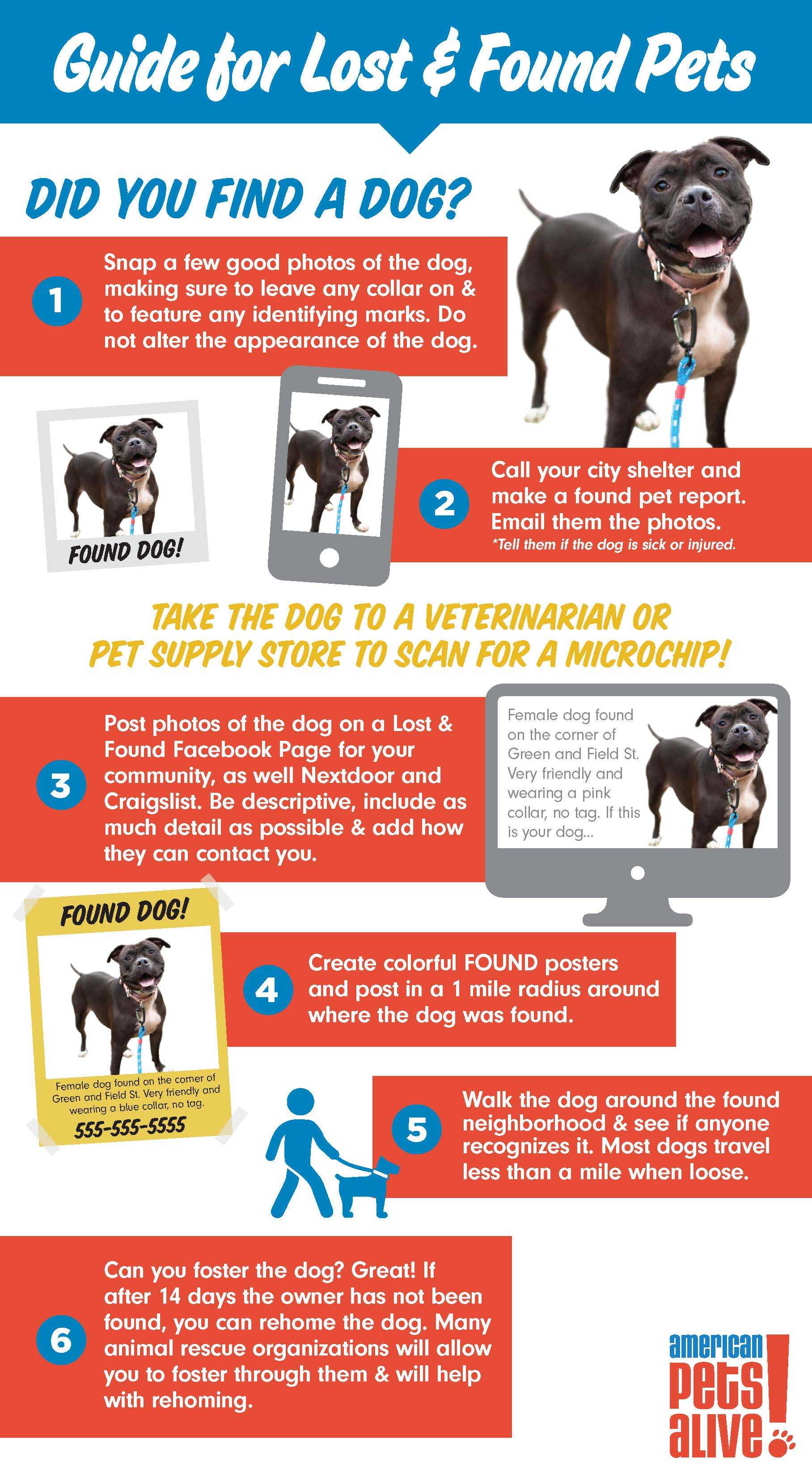
Image Source: americanpetsalive.org
Safety First: Staying Safe Around Stray Dogs
Before you even think about getting a stray dog to come to you, you need to think about safety. Both your safety and the dog’s safety matter.
Why Safety Is So Important
Stray dogs can be unpredictable. They might be scared, in pain, or protecting themselves. Even a dog that looks friendly could get scared and bite if you move too fast or corner it. Knowing how to act keeps everyone safe.
Key Safety Rules
- Do not rush: Never run towards a stray dog. This can scare them.
- Keep your distance: Stay a good distance away at first. Let the dog decide if it wants to get closer.
- Read dog body language: Look at how the dog acts. Is its tail tucked? Is it showing teeth? Is it trying to run away? These are signs it is scared or feels threatened.
- Do not make direct eye contact: Staring can feel like a threat to a dog. Look slightly to the side.
- Never corner a dog: Make sure the dog always has a way to run away if it wants to. Do not block its path.
- Do not reach out: Do not try to pet the dog right away. Let it come to you first.
- Be quiet: Avoid loud noises or shouting. Speak in a soft, calm voice if you speak at all.
Following these rules is key for safety around stray dogs. It lowers the chance of the dog biting or running into danger (like traffic) because it is trying to escape you.
Starting Slow: Approaching a Stray Dog (Or Not)
The best way to “approach” a stray dog is often to not approach it directly at all. Instead, you let the dog approach you when it feels ready.
The Right Way to Be Near a Stray
- Spot the dog: See the dog from far away.
- Stop moving: Stop walking towards it. Stay still.
- Sit or crouch down: Make yourself look smaller and less scary. Sit on the ground sideways, not facing the dog head-on.
- Avoid eye contact: Look down or to the side.
- Be patient: Just wait. See what the dog does. It might watch you, or it might ignore you.
- Offer something safe: If you have a treat or food, gently put it on the ground near you, but not so close it feels trapped. Do not throw it at the dog.
Why Sitting Helps
Sitting down shows the dog you are not a threat. You are not standing tall and coming towards them. You are lower to the ground, which is less scary for a dog. It makes you seem more relaxed and safe.
Making Yourself Less Scary
Think about what makes you feel safe or scared. Loud, fast, big things can be scary. Soft, slow, small things are usually not. A stray dog feels the same.
- Movements: Slow, smooth movements are best. No sudden reaches or quick steps.
- Sounds: Soft, low talking is okay, but silence is often better. Avoid high-pitched sounds.
- Body Language: Relax your shoulders. Do not stand over the dog.
Remember, the goal is to make the dog curious and feel safe enough to come closer on its own terms. Forcing it will make it run away or become scared.
Building Trust: How to Gain Stray Dog Trust
Gaining a stray dog’s trust takes time. Sometimes it happens fast, other times it takes days, weeks, or even longer. It depends on the dog’s past experiences.
Patience Is Your Best Friend
You need a lot of patience. Do not get upset if the dog does not come to you right away. Every small step forward is a win.
Steps to Help Gain Trust
- Be predictable: Visit the same spot near the dog, at the same time each day if possible. This helps the dog learn your routine and that you are not a threat.
- Offer food regularly: Leave food and fresh water in the same spot. Walk away and let the dog eat alone. This shows you are providing resources without trying to catch it.
- Spend quiet time nearby: Just sit or lie down peacefully at a distance. Read a book, listen to music quietly, or just watch nature. Do not pay direct attention to the dog. This helps the dog get used to you being around without feeling pressure.
- Speak softly (optional): If you choose to talk, use a very soft, calm, gentle voice. Some dogs find this calming. Others prefer silence. Watch the dog’s reaction. If it tenses up, stop talking.
- Never chase: If the dog runs, let it run. Chasing breaks any trust you might be building.
- Respect their space: Pay close attention to the dog’s body language. If it seems uneasy, you are too close. Move back.
What Trust Looks Like
Trust is built little by little. You will see changes over time. At first, the dog might run as soon as it sees you. Later, it might wait until you leave to eat the food. Even later, it might stay eating while you are there, as long as you keep your distance. These are all signs the dog is starting to trust you.
Building trust is the most important step. It is the base for everything else you will do to help the dog.
Helping a Scared Stray Dog
Many stray dogs are scared. They might shake, hide, or run away very fast. Helping a scared stray dog needs special care.
Why Dogs Are Scared
- Bad past experiences: Someone might have hurt them.
- Being lost: They are in an unfamiliar place and do not know what is safe.
- Hunger, pain, thirst: These feelings make anyone feel unsafe and worried.
- Loud noises/busy places: The world is overwhelming.
How to Help a Scared Dog Feel Safer
- Move extra slow: Slower than slow. No sudden moves at all.
- Be very quiet: No loud sounds. No sudden laughs or coughs if you can help it.
- Avoid direct looks: Keep looking away. This is a big one for scared dogs.
- Make yourself small: Sit or lie down.
- Offer high-value food: Very tasty treats can sometimes help a scared dog overcome fear a little. Cooked chicken pieces, hot dogs, or smelly wet food work well.
- Do not force interaction: Let the dog stay hidden if it wants to. Do not try to pull it out.
- Give it a safe place: If possible, leave a blanket or a small shelter (like a cardboard box on its side) near where you leave food. This offers a sense of security.
Calming a Fearful Dog
Calming fearful dog behavior involves creating a calm environment and showing you are not a threat.
- Soft voice (if talking): If you speak, use a sing-song, gentle, low tone.
- Yawning: Believe it or not, fake yawning can be a calming signal to dogs. It shows you are relaxed and not a threat.
- Turning sideways: Stand or sit with your side to the dog, not facing it.
- Allowing space: Give the dog plenty of room. Do not crowd it.
Helping a scared dog takes even more time and patience than helping a dog that is only a little nervous. Do not get discouraged. Even small steps like the dog eating the food while you are sitting far away are big wins.
The Magic of Food: Lure Stray Dog With Food
Food is often the best way to get a stray dog to come closer. Hunger is a powerful feeling, and a tasty meal can overcome some fear.
How to Use Food Safely and Effectively
- Choose the right food: High-value, smelly food works best. Think cooked chicken, hot dogs cut into small pieces, sardines, or very smelly wet dog food. Dry kibble is okay, but less exciting.
- Do not throw food at the dog: This can scare them or make them protective of the food.
- Create a food trail: Once the dog is eating food you leave, you can try leaving a trail of small pieces leading closer and closer to where you are sitting. Each piece should be just a step or two closer.
- Leave food and walk away: At first, just put the food down and go away completely or move very far away. Let the dog eat in peace.
- Slowly decrease distance: Once the dog is comfortable eating while you are far away, start sitting a little closer the next time. Then a little closer the time after that. Do this over many sessions, possibly days or weeks.
- Stay still while they eat: If the dog is eating food near you, do not move suddenly. Do not reach for the food or the dog. Just stay calm and still.
Food as a Tool, Not a Trick
Using food is about building positive feelings associated with you. You want the dog to think, “When that person is around, good food appears, and nothing bad happens.” It is not about tricking the dog.
Water Is Important Too
Always leave fresh water if you can. Stray dogs often struggle to find clean water. This is just as important as food for their survival and shows you are a source of help.
Reading the Signs: Signs a Stray Dog Trusts You
How do you know if your efforts are working? The dog will show you through its body language. Reading these signs is key to knowing when you can try to get closer.
Early Signs of Trust
- Starts eating food while you are still visible: At first, they might wait for you to leave. Later, they eat while you are sitting far away.
- Tail position: The tail might be held a little higher than tucked tightly between the legs. Maybe a small, loose wag (not a stiff, high wag).
- Body posture: The dog looks less tense. Shoulders might relax. It might stand or sit in a more relaxed way, instead of crouched low or ready to bolt.
- Looks at you calmly: It might look at you for a moment without looking scared and then look away.
- Takes food from the ground closer to you: As you make your food trail, the dog follows it closer than before.
Stronger Signs of Trust
- Takes food you drop directly near you: You drop a piece of food a few feet away, and the dog walks up and eats it while you are there.
- Allows you to be closer while it eats: You can sit closer to the food dish without the dog running away.
- Might wag tail loosely when it sees you: A loose, happy wag (not a stiff, fearful wag).
- Might do a ‘play bow’: Front legs down, rear end up. This means they feel comfortable and maybe a little playful.
- Approaches you slightly: The dog might take a step or two towards you on its own.
- Sniffing in your direction: Shows curiosity and less fear.
What NOT to Mistake for Trust
- Eating only when you are gone: This shows hunger, not necessarily trust in you.
- Taking food and running away: Still scared, but motivated by food.
- Growling or showing teeth: This is a warning sign, NOT trust. Back away immediately.
- Looking at you with wide eyes and stiff body: This is fear, not trust.
Pay close attention to the whole dog. The eyes, ears, mouth, tail, and body posture all tell a story. Learn to “listen” to what the dog is telling you with its body.
Moving Closer: The Next Steps
Once the dog is showing signs of trust, you can start thinking about getting it completely safe. This involves getting a leash on it or getting it into a secure area.
What to Do When the Dog is Closer
If the dog is now comfortable eating food very close to you (within a few feet) and is showing relaxed body language, you can try these steps, very slowly:
- Place food right next to you: Put a piece of high-value food on the ground right beside your foot. See if the dog will come that close to eat it.
- Place food slightly under you (if sitting): If the dog is brave enough, you can try placing food almost under your leg or hand (but do not try to touch it). This requires a lot of trust.
- The hand toss: Once the dog is eating very close, you can try gently tossing a small piece of food from your hand a short distance away. This gets them used to your hand movement being good.
- Place food in your open hand (caution!): ONLY do this if the dog seems very relaxed and has shown many trust signs. Hold your hand flat, palm up, with the food in it. Do not reach towards the dog. Keep your hand still. Let the dog decide if it wants to take the food from your hand. If it does, this is a huge step!
Getting a Leash On
This is often the hardest part. A leash means being caught for a stray dog.
- Get the dog used to equipment: If you have a soft slip lead or a collar and leash, just lay it on the ground near the food for a few days. Let the dog see it and sniff it without pressure.
- Try the “leash lure”: Loop the slip lead (or attach a leash to a collar if the dog will let you put one on, which is rare at this stage) and put a super tasty treat inside the loop or near the clasp. Lay it on the ground. See if the dog will put its head through or near it to get the food.
- Gentle slip lead attempt: If the dog is eating food right next to you, and you have a slip lead ready, you might be able to gently and smoothly slip it over the dog’s head while it is focused on eating. This requires practice and perfect timing. Be ready for the dog to panic and pull away. If it does, let it go immediately. Do not hold on tight. You do not want to make the leash a source of panic.
- Practice escape-proof leash use: If you get a leash on, the dog might try very hard to get away. Use a slip lead or a martingale collar that tightens safely if they pull back, so they cannot slip out. Keep the leash loose at first.
Getting a leash on is a major moment and can break trust if not done carefully. If the dog panics when the leash goes on, you might need to go back to building trust for a while.
Next Steps: What to Do With Stray Dog Once Secure
Once you have managed to get the dog leashed or contained in a safe area (like a fenced yard or garage), your job is still not over. Now you need to figure out what to do with stray dog.
Checking for ID
- Look for a collar and tag. If there is one, call the number right away!
- Check for a microchip. You will need to take the dog to a vet clinic or animal shelter to have them scan for a chip. This is free.
Finding the Owner
- If there is no chip or tag, you need to try and find the owner.
- Post photos of the dog on local social media groups (like Facebook groups for lost pets in your area).
- Put up flyers in the area where you found the dog.
- Check local shelter websites and lost and found pet databases.
Most places have rules about finding stray animals. You might be required by law to report finding the dog to animal control or the local shelter.
Tips for Rescuing Stray Dog Safely and Smartly
Beyond just getting the dog to come to you, here are some overall tips for rescuing stray dog:
- Have a plan: Know before you start what you will do if you get the dog secured. Where will it go? Do you have food, water, a safe space?
- Prepare your space: If the dog will come to your home temporarily, have a crate or a secure room ready. Make sure your own pets are kept separate.
- Gather supplies: Have a leash, collar (adjustable), food, water bowls, and maybe a blanket or towel ready nearby.
- Get help if needed: Do not feel like you have to do this alone. Ask friends, neighbors, or local rescue groups for help.
- Consider trapping: For very fearful dogs that will not come to you, humane trapping might be the safest way to rescue them. Contact local animal rescues or animal control; they often have traps and experience using them.
| Rescue Stage | Recommended Actions | What to Avoid |
|---|---|---|
| First Sighting | Observe from distance, check for immediate danger (traffic) | Running towards dog, shouting |
| Initial Contact | Sit/crouch down, avoid eye contact, place food/water far away | Staring, sudden movements, trying to touch |
| Building Trust | Regular food/water drops (walk away), quiet presence nearby, be predictable | Chasing, forcing interaction, loud noises |
| Closer Contact | Food trail leading closer, dropping food near you, soft voice (optional) | Reaching, sudden movements while dog eats nearby |
| Attempting Leash | Leave leash near food, lure with food, quick and gentle slip-lead attempt (be ready to let go) | Forcing leash on, holding tight if dog panics, chasing with leash |
| Dog Secured | Check for ID, scan for microchip, contact local authorities/rescues, post ‘found’ notices | Assuming it’s homeless, keeping it without reporting |
When to Contact Animal Control Stray Dog
It is important to know when to contact animal control stray dog or a local animal shelter. They have resources and legal authority that you do not.
Reasons to Call Animal Control
- The dog is injured or sick: They can respond quickly and get the dog medical help.
- The dog is in danger: If the dog is in a busy road or other dangerous location.
- The dog is aggressive: If the dog is growling, barking aggressively, or trying to bite. Do not try to capture an aggressive dog yourself.
- You cannot safely capture the dog: If the dog is too scared or fast for you to get close. They have traps and trained staff.
- It’s the law: In many places, you are required to report finding a stray animal to animal control within a certain time frame. This helps owners find their lost pets.
- You cannot keep the dog: If you cannot provide a safe place for the dog temporarily, animal control or a shelter is the best option.
What Happens When You Call?
Animal control or shelters will come and try to pick up the dog. If they get the dog, they will check for a microchip or ID tag. They will hold the dog for a set number of days (called a “stray hold”) to give the owner a chance to find it. If the owner is not found, the dog might be available for adoption or go to a rescue group.
Calling animal control is not a bad thing! It is often the safest and most effective way to help a stray dog get off the streets and find its way home or find a new home.
Interpreting Dog Body Language
Learning to read a dog’s body language is one of the most important skills when dealing with strays, especially help scared stray dog situations. Dogs tell us how they feel using their bodies.
Key Body Signals and Their Meanings
- Tail:
- High, wagging stiffly: Alert, possibly aroused or stressed.
- Mid-level, loose wag: Happy, relaxed, friendly.
- Tucked low or between legs: Scared, fearful.
- Ears:
- Forward: Alert, interested.
- Back or flat against head: Scared, nervous, or showing appeasement.
- Eyes:
- Soft, squinty: Relaxed, happy.
- Wide, showing whites (whale eye): Stressed, fearful, feeling trapped.
- Hard stare: Challenge, threat.
- Mouth:
- Relaxed, slightly open, maybe panting softly: Comfortable.
- Lips pulled back, showing teeth/gums: Warning (snarl or growl).
- Closed mouth, tense lips: Stressed, worried.
- Yawning (when not tired): Stress, trying to calm self or situation.
- Body Posture:
- Relaxed, standing evenly: Comfortable.
- Lowered body, maybe crawling: Scared, trying to be less noticeable.
- Weight shifted back, ready to bolt: Fearful, ready to run.
- Freezing in place: High stress, unsure what to do next.
By paying attention to these signals, you can better judge the dog’s fear level and whether it is becoming more comfortable around you. Always respond to negative signals (like fear or tension) by backing off and giving the dog more space.
Grasping the Time Factor
How long does it take to get a stray dog to come to you? There is no single answer. It could be minutes, hours, days, weeks, or even months.
Why Time Varies
- Dog’s personality: Some dogs are naturally more confident or friendly than others.
- Past experiences: A dog that has been abused will take much longer to trust than one that is just lost and was loved.
- How long they’ve been stray: A dog newly lost might be more likely to approach than a dog that has been surviving on the streets for a long time.
- Location: A dog in a quiet park might feel safer approaching than one in a noisy city.
- Your approach: Your patience and ability to read the dog’s signals make a big difference.
Do not set a strict time limit. Be prepared for it to take a long time. Each small sign of progress is worth celebrating. If you are not seeing any progress after a week or two of consistent effort (leaving food, spending quiet time nearby), it might be time to contact animal control or a local rescue group for help or advice, as the dog might require a different approach (like trapping).
Interpreting the Need for Help
Not all strays need or want human interaction immediately. Some might have owners searching for them. Others might have survived on their own for a long time and are very wary.
Deciding When and How to Intervene
- Is the dog in danger? Traffic, harsh weather, injury are reasons for quicker action (often involving calling for professional help).
- Does the dog look healthy? A healthy-looking dog might be newly lost. An injured or very thin dog needs help fast.
- Is the dog showing signs of wanting help? Some strays might hang around people, look hopeful, or even follow people from a distance. Others actively hide and avoid all contact.
- Are you equipped to help? Do you have the resources (time, space, maybe money for vet care) if you manage to secure the dog?
If the dog seems healthy, not in immediate danger, and very fearful of people, sometimes the best thing you can do initially is provide food and water from a distance and report the sighting to local animal control so they are aware the dog is in the area. Attempting to capture a very scared dog on your own can be dangerous for both of you and might make the dog run into a worse situation.
Resources for Tips for Rescuing Stray Dog
You are not alone in this! There are many resources available to help you.
Who Can Help?
- Local Animal Shelters: They have experience with strays, may have traps, can scan for microchips, and are the place owners will look for lost pets.
- Animal Control Officers: These are often government employees whose job includes picking up stray animals. They are trained and have equipment.
- Animal Rescue Groups: Many non-profit groups specialize in rescuing, fostering, and adopting out stray animals. They often have volunteers who can offer advice or hands-on help.
- Experienced Rescuers: Find people in your community who have rescued strays before. They can share tips and offer support.
- Veterinarians: While not focused on capture, they can provide advice on health if you are able to get the dog secured, and they can scan for microchips.
Before you try to catch a stray, especially a scared one, reaching out to these groups can be very helpful. They can guide you on the best approach for that specific dog and situation.
Considerations for Different Stray Dog Types
Not all stray dogs are the same. You might encounter a dog that is:
- Newly Lost: Likely confused and maybe scared, but used to people. Might be easier to approach.
- Long-Term Stray/Feral: Has lived on its own for a long time, very fearful of people, hard to approach.
- Abandoned: Used to people but left behind. Might be scared, confused, maybe sad.
- Injured/Sick: Needs help fast, but might be fearful or protective due to pain.
The way you approach each type might need to change slightly. A newly lost dog might respond to a calm, friendly voice and gentle movements sooner than a long-term stray. An injured dog needs distance and a call to animal control or rescue immediately.
Fathoming Legal and Ethical Points
There are important legal and ethical things to think about when you find a stray dog.
Legal Responsibilities
- Reporting: In most places, you are legally required to report finding a stray animal. This gives the owner a chance to find their pet.
- Holding Period: Shelters usually have a set time they must hold a stray before it can be adopted or rehomed. You cannot usually just keep a stray dog you find.
- Ownership: Finding a dog does not make you the owner. The original owner still has rights, or if no owner is found, the legal ownership often goes to the animal shelter.
Ethical Considerations
- Best interest of the dog: Your actions should always be focused on what is best for the dog. This might mean getting it professional help even if you wish you could keep it.
- Not enabling strays: While feeding strays feels kind, if not part of a rescue plan, it can sometimes cause them to stay in unsafe areas or reproduce. A coordinated rescue effort is always better.
- Safety of the community: An uncaptured stray dog can be a risk to itself and others (traffic, potential for bites if cornered or sick).
Being a responsible helper means following the rules and working with the proper authorities to make sure the dog gets the best chance.
FAQ: Getting a Stray Dog to Come to You
H5 How long should I wait for a stray dog to approach?
Wait as long as it takes. Some dogs might come closer in minutes if they are just lost and friendly. Others, especially scared ones, might take days or weeks of you just leaving food and being a quiet presence nearby before they feel safe enough to even stay in your sight while eating. Patience is key.
H5 What if the stray dog growls at me?
If a stray dog growls, this means it is scared, feels threatened, and is giving you a warning. Stop what you are doing, back away slowly, and give the dog lots of space. Do not try to push closer or make it stop growling. You should not try to capture a dog that is showing aggression; contact animal control or a rescue group for help.
H5 Can I leave food out for a stray dog every day?
Yes, leaving food and water can help a stray dog survive, especially in bad weather. However, it is best to do this as part of a plan to eventually capture the dog and get it proper help (finding owner, vet care, rescue). Simply feeding long-term without a rescue plan can sometimes cause issues like attracting other animals or keeping the dog in a dangerous location. Always report the sighting to local authorities even if you are feeding.
H5 What kind of food is best to lure a stray dog?
High-value, smelly foods work best. Think cooked chicken pieces (plain, no bones), hot dogs cut up, sardines, or strong-smelling wet dog food. These are more tempting than dry kibble when a dog is nervous.
H5 How can I tell if a stray dog is lost or truly feral?
Lost dogs often look confused, might have a collar, might approach people tentatively, or hang around homes/roads. Feral dogs usually look scared, avoid all human contact, are very wary, and might be seen more in rural or less populated areas. It can be hard to tell for sure, but extreme fear and avoidance usually mean they are not used to people.
H5 What if I cannot get the dog to come to me at all?
If you have tried for a while (days or weeks) to build trust and lure the dog with food, but it remains too scared to come close, it is time to ask for professional help. Contact local animal control or an animal rescue group. They have tools like humane traps and experience with very fearful dogs. This is safer than trying to force the issue yourself.
H5 What should I do immediately after getting a stray dog secured?
First, make sure the dog is in a safe, enclosed area where it cannot escape (like a secure yard, garage, or crate). Offer water right away and some food if it seems calm enough to eat. Do not try to pet or crowd it. Your next steps are to check for a collar/tags and contact your local animal shelter or animal control to report that you have found a stray and to arrange for a microchip scan.
H5 Is it okay to try and pet a stray dog once it is close?
Only try to pet a stray dog after it has shown clear signs of trust over time and is willingly staying very close to you. Even then, approach slowly, offer the back of your hand (not fingers first) for it to sniff, and watch its reaction. If it pulls back or tenses up, do not try to pet. Let the dog decide if it wants contact. Never try to pet a dog that seems scared or nervous.
H5 How can I create a safe space for a stray dog outside?
If you are working to gain the trust of a stray that is staying in your area, you can offer a simple shelter. A large cardboard box on its side with a blanket or straw inside can provide a windbreak and place to hide. Place it near where you leave food and water, but not so close that the dog feels trapped inside it. This gives the dog an option for comfort and safety.