
Yes, you can often give your dog an Epsom salt bath, but it’s important to do it the right way and know why you might want to use one. An Epsom salt bath for dogs can help with minor skin troubles, sore muscles, and paw problems. However, it is very important to be careful and talk to your vet first. Is Epsom salt safe for dogs? It can be safe when used correctly on the skin, but it is dangerous if your dog eats or drinks it.
Epsom salt is not really salt like table salt. It is a natural mineral compound. Its chemical name is magnesium sulfate. Magnesium and sulfate are minerals that are important for our bodies. They can also be helpful for dogs.
People use Epsom salt baths for themselves. They say it helps relax muscles and calms skin problems. The idea is that your body can take in the magnesium through your skin. This might help with different issues. For dogs, we use it in a bath of water, not for them to eat.
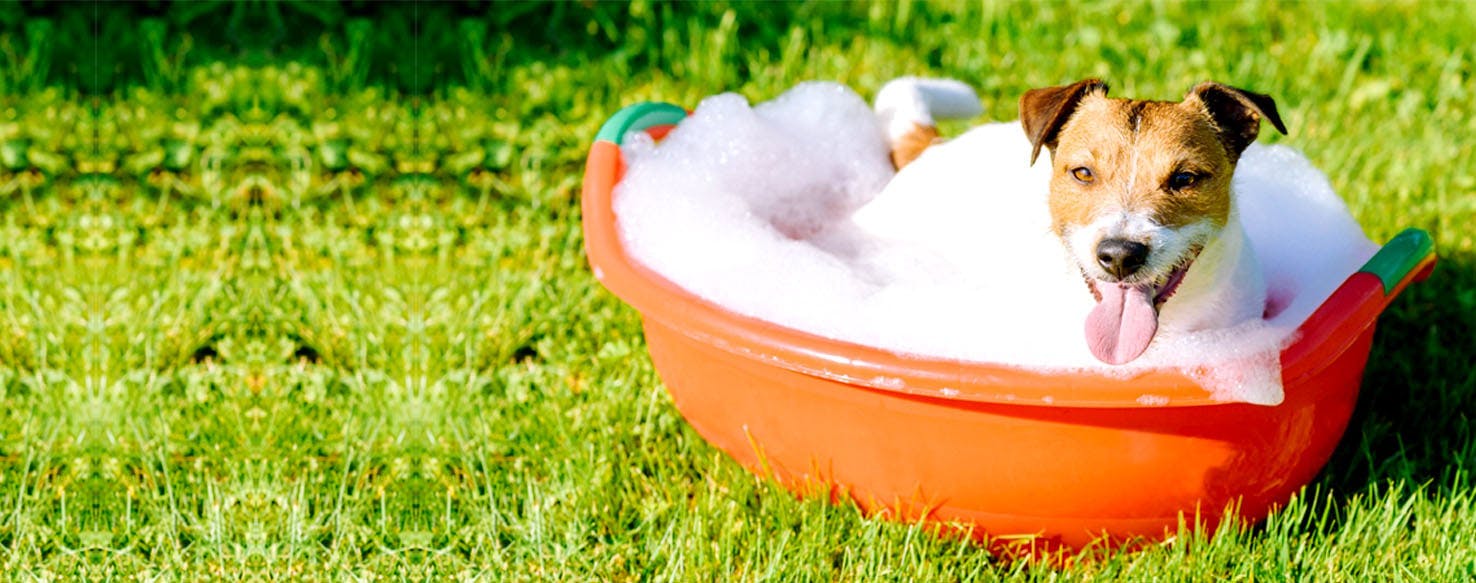
Image Source: images.wagwalkingweb.com
Grasping What Epsom Salt Is
Epsom salt looks like small white crystals. You can buy it at many stores. It is made of magnesium, sulfur, and oxygen. It is different from table salt (sodium chloride).
This special salt gets its name from a town in England called Epsom. People found it there in the water hundreds of years ago. They saw that the water seemed to help with sore muscles and skin issues.
When Epsom salt goes into water, it breaks down. It separates into magnesium and sulfate. These parts can then do their work.
People have used Epsom salt for a long time. They put it in baths. They use it on plants. They also use it as a medicine for some problems. But for dogs, we are mostly thinking about using it on their skin.
It’s important to know that Epsom salt is not for drinking. If a person or a dog eats too much of it, it can make them sick. This is why we must be very careful when using it with our dogs. We must stop them from licking the water or their fur after the bath.
Benefits of Epsom Salt Bath for Dogs
Why might someone want to give their dog an Epsom salt bath? There are a few reasons. These reasons usually have to do with the dog’s skin or muscles.
Think about when you have sore muscles. A warm bath can feel nice. Adding Epsom salt might make it feel even better. For dogs, it can be similar for some problems.
Here are some potential benefits:
- Helping Sore Muscles: If your dog had a very long walk or played hard, their muscles might feel stiff or sore. A warm bath can help. The magnesium in Epsom salt might help relax muscles. This is similar to how it is thought to help people.
- Soothing Skin Irritations: Dogs can get itchy skin from many things. They might scratch a lot. An Epsom salt bath can help calm down some types of skin irritation. It can make the skin feel better.
- Dealing with Minor Wounds: Sometimes dogs get small cuts or scrapes. Keeping these clean is important. A soak in warm, weak Epsom salt water can help clean minor wounds. It can help keep the area clean. It might also help reduce swelling around the wound. This is part of treating dog wound with epsom salt.
- Helping with Paw Problems: Dogs use their paws all the time. They can get sore, cut, or irritated paws. An Epsom salt bath for dog paws is a very common use. Soaking a sore paw can help clean it. It can help reduce swelling. It can make the paw feel better. This is often easier than giving a whole body bath.
- Easing Hot Spots: Hot spots are painful, red, wet skin sores on dogs. They are caused by bacteria. Dogs lick and chew the area, which makes it worse. An Epsom salt bath for dog hot spots can help dry out the hot spot a little. It can help clean the area. It can make it less painful and itchy. But hot spots often need more than just a soak.
These are some of the ways an Epsom salt bath might help your dog feel better. But it is not a magic cure. It is usually just one part of helping your dog. It works best for minor problems. For serious problems, you must see your vet.
Is Epsom Salt Safe for Dogs?
This is a very important question. Is Epsom salt safe for dogs? The answer is both yes and no. It is generally safe for external use in a bath, if done carefully. It is not safe for dogs to eat or drink.
The biggest danger is if your dog licking epsom salt. If a dog drinks the bath water or licks the salt off their fur, it can cause big problems.
Magnesium sulfate (Epsom salt) is a laxative. This means it makes the dog’s bowels move. If a dog eats or drinks Epsom salt, they can get:
- Diarrhea
- Upset stomach
- Vomiting
In large amounts, it can be more serious. It can cause magnesium poisoning. This is rare from licking a small amount, but it is a risk if they drink the bath water. Signs of magnesium poisoning can include:
- Weakness
- Falling over or trouble walking
- Low blood pressure
- Trouble breathing
- Slow heart rate
- Coming down (becoming very sleepy or not moving much)
- Even death in very bad cases
Because of these risks of epsom salt for dogs, you must be very careful when using it. The main rule is: DO NOT let your dog eat or drink it.
Using it on the skin in a weak solution is usually okay. The skin does not take in much magnesium. But drinking the water puts it straight into their body.
So, yes, it can be used safely for baths. But you must take steps to keep your dog from licking or drinking the water. This is the most important part of using it safely.
When NOT to Use Epsom Salt on Your Dog
Even if you think an Epsom salt bath might help, there are times when you should not use it. Using it at the wrong time could make things worse.
Do not use an Epsom salt bath if:
- Your dog has a deep or serious wound. Epsom salt is for cleaning minor cuts or scrapes. Deep cuts, cuts that are bleeding a lot, or cuts with signs of infection (like pus or bad smell) need a vet. Soaking a serious wound could trap bacteria or delay proper vet care.
- Your dog has very bad skin irritation. If the skin is very red, swollen, hot, or looks infected, a vet should see it. An Epsom salt bath might be too drying or irritating for already bad skin.
- Your dog is sick or not acting right. If your dog is weak, not eating, throwing up, or seems unwell, find out what is wrong first. A bath can be stressful.
- You don’t know what is causing the problem. Is your dog itching? Is their paw sore? You need to know why. Many skin and paw problems need specific medicines from a vet. Using Epsom salt might hide the signs or delay getting the right help.
- Your dog has a lot of open sores. A full bath with open sores could spread infection. Focus on specific areas if needed, but check with a vet first.
- Your dog is very scared of water or baths. Forcing a dog into a bath will stress them. Stress can make health problems worse.
- You cannot stop your dog from licking. If you know your dog will drink the water or lick their fur no matter what you do, do not use Epsom salt. The risk of them getting sick is too high.
Always, always, always talk to your vet first. They know your dog’s health history. They can tell you if an Epsom salt bath is a good idea or if something else is needed. Veterinary advice epsom salt dogs is crucial.
How to Give Dog Epsom Salt Bath
If your vet says it is okay, here is how to give dog epsom salt bath. You need to do it carefully to keep your dog safe.
This is for a whole body bath or a large area. For paws, see the section below.
Things You Will Need
- Epsom salt (plain, unscented)
- A bathtub or a large plastic tub
- Warm water (check it with your elbow, like baby bath water)
- Towels (lots of them)
- Something to distract your dog (treats, a chew toy, peanut butter on the wall)
- Maybe someone to help you
- A way to keep your dog from drinking the water
Steps for a Bath
Step 1: Get Ready
Put everything you need close by. Fill the tub with warm water. Don’t make it too full, just enough to cover the area you want to soak. If it’s a full bath, fill it up to your dog’s belly or a bit higher, depending on their size.
Step 2: Add the Epsom Salt
This is very important: use the right amount. The Epsom salt concentration for dogs should be weak. A common suggestion is about 1/2 cup of Epsom salt for a standard bathtub full of water. If you are using a smaller tub, use less salt. For a large plastic tub, maybe 1/4 cup. It should feel just slightly different from plain water, not like thick salt water. Too much salt can dry the skin or be more dangerous if licked. Err on the side of using less salt.
Mix the salt into the water until it is gone.
Step 3: Get Your Dog Ready
Gently bring your dog to the tub. Talk to them in a calm voice. If they are scared, use treats to make it a good experience. You can put a towel or bath mat in the bottom of the tub so they don’t slip.
Step 4: Put Your Dog in the Water
Carefully lift or guide your dog into the tub. Lower them in slowly. Keep talking to them. Give them treats. Use the distraction toy (like peanut butter on the side of the tub).
Step 5: The Soak
Let your dog stand or sit in the water for 5 to 10 minutes. This is usually enough time. Do not leave your dog alone, not even for a second. Watch them the whole time.
While they are soaking, gently pour the water over the area you are treating (if it’s above the water line). You can use a cup or your hand.
Most importantly: WATCH THEIR HEAD! Make sure they do not lower their head to drink the water. If they try, stop them right away. Lift their head. Give them a treat instead. This is where having a helper is good. One person can hold the dog and give treats, the other can manage the water.
Step 6: Rinse Very Well
After the soak, take your dog out of the Epsom salt water. Put them in a clean tub or rinse them very, very well with clean, warm, plain water. You need to wash all the Epsom salt off their fur and skin. Any salt left can dry their skin. Any salt left on their fur is a risk if they lick themselves later.
Rinse them for several minutes. Make sure the water runs clear from their fur. Check paws, legs, belly, and anywhere the salt water touched.
Step 7: Dry Your Dog
Use clean towels to dry your dog well. Rub them dry.
Step 8: Keep Watching
After they are dry, keep a close eye on your dog. Do not let them lick the areas that were soaked. Even if you rinsed well, there might be tiny bits left. You might need to distract them with a chew toy. If they keep trying to lick, you might need to use an Elizabethan collar (the cone) for a little while until you are sure they are fully dry and no salt remains.
This process takes time and patience. Make sure you have enough time and are not in a rush.
Focus on Specific Areas: Paws and Hot Spots
Sometimes you don’t need a full bath. You just need to treat one area.
Epsom Salt Bath for Dog Paws
This is one of the most common uses. Dogs can get cuts, scrapes, thorns, or infections on their paws. A paw soak can help.
How to Soak a Paw
- Get a Small Tub: Use a small plastic wash basin, a large bowl, or even your clean bathtub (just fill the very bottom).
- Warm Water: Fill it with enough warm water to cover the paw and go up the leg a bit.
- Add Salt: Use a much smaller amount of Epsom salt. For a small bowl, maybe just a tablespoon or two. For a wash basin, maybe 1/8 cup. Keep the Epsom salt concentration for dogs weak.
- Mix: Stir the salt into the water.
- Soak the Paw: Gently put the dog’s sore paw into the water.
- Hold and Distract: Hold the paw in the water for 5-10 minutes. This is where treats and toys are important! Keep them busy so they don’t try to pull the paw out or drink the water.
- Rinse Very Well: Take the paw out and rinse it completely clean with fresh, plain water. Make sure no salt is left between the toes or on the pads.
- Dry: Dry the paw very well with a clean towel. Get between the toes.
- Prevent Licking: Watch the paw. If they try to lick, distract them. You might need a cone if they are really trying to lick.
Epsom salt bath for dog paws can help draw out thorns, clean minor cuts, and reduce swelling from sprains or bruises (if the vet says it’s okay).
Epsom Salt Bath for Dog Hot Spots
Hot spots need careful handling. An Epsom salt bath for dog hot spots can help, but it’s usually not the only treatment needed.
How to Treat a Hot Spot with Salt Water (Vet Approved)
- Talk to Your Vet: Hot spots are often infected and need medicine from the vet (like antibiotics or creams). Do not just use Epsom salt without seeing a vet.
- Clip Hair: The vet might need to clip the hair around the hot spot first. This helps the air get to it and makes it easier to clean.
- Gentle Soak/Compress: You can use the weak Epsom salt solution (like 1-2 tablespoons in 2 cups of warm water). You can either:
- Gently lower the part of the body with the hot spot into a small tub of the water (if possible and vet approves).
- Soak a clean cloth in the water and gently hold it on the hot spot as a compress for 5-10 minutes. Do not rub hard.
- Prevent Licking: You MUST stop the dog from licking the hot spot or the water. This will require a cone.
- Rinse: After the soak or compress, gently rinse the area with clean, plain water. Make sure no salt is left.
- Dry: Carefully pat the area dry. Do not rub.
- Apply Vet Medicine: After cleaning and drying, apply any creams or medicines your vet gave you.
- Keep the Cone On: The cone must stay on to stop the dog from licking the hot spot and making it worse, especially after a soak. Licking the residue is dangerous.
An Epsom salt soak can help dry out the hot spot a little and clean it gently. But remember, it’s usually just one small part of treating dog wound with epsom salt when it’s a hot spot; the vet’s full plan is what really fixes it.
Proper Epsom Salt Concentration for Dogs
Getting the amount of salt right is key for safety and effectiveness. The goal is a weak, soothing solution, not a strong brine.
Think of it like making very weak tea, not strong coffee.
Here are some general guidelines for Epsom salt concentration for dogs. Always check with your vet for the amount they recommend for your dog and the specific problem.
| Amount of Water | Amount of Epsom Salt | Notes |
|---|---|---|
| Small bowl (for paw) | 1-2 Tablespoons | Just enough to make the water feel slightly different |
| Small tub (for paw) | 1/8 cup (2 Tablespoons) | Use for a deeper soak for a paw or leg |
| Medium plastic tub | 1/4 cup | For soaking a larger area or small dog body |
| Standard bathtub (partial fill) | 1/2 cup | For larger dogs or full body soak (shallow water) |
These are just estimates. It is safer to use less salt than too much. You can always add a tiny bit more if needed (after the dog is out), but you can’t take it away easily.
A weak solution is less likely to dry out the skin. It is also less dangerous if a tiny amount of water is swallowed by mistake (though you must work hard to prevent ANY swallowing).
Too much salt can cause skin irritation, dryness, or even chemical burns in rare cases with very high concentrations left on the skin. The main danger, though, is always from the dog eating or drinking it. A higher concentration in the water means more magnesium sulfate goes into the dog if they drink it, making them sicker faster.
Stick to a weak mix. When in doubt, use less salt. And rinse, rinse, rinse!
Risks of Epsom Salt for Dogs
We talked about the main risk: eating or drinking it. Let’s look closer at the risks of epsom salt for dogs.
Swallowing Risk
This is the biggest danger. As mentioned, magnesium sulfate is a strong laxative.
- Small amounts: Can cause diarrhea, vomiting, stomach pain.
- Large amounts: Can lead to serious magnesium poisoning. Signs are weakness, trouble walking, slow heart rate, low blood pressure, breathing problems, and even death.
This is why you must be constantly vigilant during the bath and the rinsing. Do not turn your back. Do not assume your dog won’t try to lick.
Skin Irritation
While Epsom salt is meant to soothe some skin problems, a solution that is too strong, or not rinsing well, can actually cause irritation. It can make the skin dry, red, or itchy. This is counterproductive if you are trying to soothe the skin.
Drying Effect
Epsom salt can have a drying effect. This can be helpful for wet hot spots. But for general dry or flaky skin, it might make the problem worse. This is another reason to use a weak solution and rinse thoroughly.
Delaying Proper Treatment
Using an Epsom salt bath for a problem that needs vet care can delay proper treatment. For example, a serious infection, a broken bone in the paw, or a severe allergic reaction needs a vet right away. Relying only on an Epsom salt soak could make the problem worse.
Interaction with Other Conditions or Medicines
If your dog has other health problems, like heart issues or kidney problems, or is taking certain medicines, Epsom salt might not be safe even for external use. The body can absorb some magnesium through the skin, although much less than by eating it. This absorbed magnesium could affect other body systems. This is a major reason why veterinary advice epsom salt dogs is essential.
Always consider these risks. An Epsom salt bath is a simple home remedy, but it’s not without potential dangers if not used correctly. Safety must be your number one concern.
Veterinary Advice Epsom Salt Dogs
We have said it many times because it is the most important part: always talk to your vet before giving your dog an Epsom salt bath. Veterinary advice epsom salt dogs is not just a suggestion; it’s a requirement for responsible pet care.
Your vet can help you decide:
- If an Epsom salt bath is right for the problem. Maybe the problem needs a different type of soak, a special shampoo, or medicine. For example, a bacterial infection needs antibiotics. A fungal infection needs antifungal medicine. Epsom salt alone won’t fix these.
- The correct concentration to use. Your vet can give you a precise amount of salt for the amount of water you will use. This helps ensure safety and effectiveness for your dog’s specific size and issue.
- How often to give the bath. Too often could dry the skin. Not often enough might not help. Your vet can tell you the right schedule.
- How long the soak should be.
- What to watch for. Your vet can tell you the signs that the bath is helping or the signs that it is causing a problem or that the issue is getting worse.
- If there are any reasons your dog should NOT have one. As we talked about risks, your dog’s health history (other illnesses, medicines they take) is very important. Your vet knows this history.
Do not guess if an Epsom salt bath is okay. Call your vet’s office. Describe the problem your dog is having. Ask them if an Epsom salt soak is a good idea and how to do it safely. They are there to help you make the best choices for your pet’s health.
Deciphering Why It Might Help
Let’s look a little closer at why Epsom salt might help, in simple terms.
Magnesium sulfate has been used for a long time for its properties.
- Drawing out: Warm soaks can help “draw out” pus from minor infections or thorns from paws. The warm water itself helps increase blood flow to the area, which can aid healing.
- Reducing swelling: Warm water and maybe the magnesium can help reduce swelling in injured areas like a sprained paw.
- Soothing: Warm water is generally soothing. The Epsom salt might add to this soothing feeling for some skin irritations.
- Drying: For wet, oozy hot spots, the salt can help dry out the surface a bit. This can make the area less welcoming for bacteria.
- Minor Germ Killing? While not a strong disinfectant, soaking can help clean dirt and surface bacteria from minor wounds simply by washing the area. The salt might have a very mild effect on some surface bacteria, but it is not a replacement for proper wound cleaning or antibiotics if there is infection.
It is important to remember that many of these benefits come from the warm water and cleaning action as much as the Epsom salt itself. The Epsom salt adds the magnesium and sulfate, which are thought to help with muscles and possibly skin, but scientists are still learning exactly how much is absorbed through the skin and what it does.
For dogs, the main confirmed benefit you can rely on (with vet approval) is using a weak solution as a clean, warm soak for minor paw issues, mild skin irritation, or to help clean and soothe around minor surface wounds or hot spots as part of a vet’s plan.
What to Do If Your Dog Licks Epsom Salt
Accidents can happen. You try your best, but your dog might get a lick of the water or lick their fur before you rinse well.
If your dog licks Epsom salt water or licks their fur with salt on it:
- How much? Try to figure out how much they might have swallowed. A tiny lick is less worry than drinking a lot of the water.
- Watch for signs: Look for signs of upset stomach:
- Drooling more than usual
- Licking lips
- Vomiting
- Diarrhea (can start a few hours later)
- Acting tired or not normal
- Call your vet: Even if it was just a little lick, it is a good idea to call your vet. Tell them:
- Your dog’s size and breed
- What happened (they licked the bath water)
- How much water might they have swallowed (a lick vs. a gulp)
- How strong the Epsom salt solution was (how much salt in how much water)
- Any signs you are seeing
- Follow vet instructions: Your vet will tell you what to do. They might say to just watch your dog at home. They might tell you to bring your dog in to be checked. Do exactly what they say.
- Do not try to make them throw up: Unless your vet tells you to, do not try to make your dog throw up.
The faster you act and call your vet, the better. This is why preventing the licking is so, so important. It avoids this scary situation completely.
Summary: The Safe Way to Use Epsom Salt for Dogs
To wrap up, giving your dog an Epsom salt bath can be a helpful way to address minor skin problems, sore muscles, or paw irritation. But it must be done correctly and safely.
Here are the key points to remember:
- Vet First: Always get veterinary advice epsom salt dogs before using it. They will tell you if it is appropriate and safe for your dog’s specific issue and health.
- External Use Only: Epsom salt is only for soaking the skin or paws. It is NOT for eating or drinking.
- Prevent Licking: This is the most important rule. Keep your dog from drinking the water or licking the salt off their fur. Use treats, toys, a helper, or a cone if needed.
- Weak Solution: Use a small amount of Epsom salt in warm water. The Epsom salt concentration for dogs should be low. Use less salt than you think you need.
- Short Soak: 5-10 minutes is usually enough.
- Rinse Very Well: Rinse all the salt off your dog’s fur and skin with clean, plain water. This takes time. Rinse until the fur feels clean and not slippery or stiff.
- Dry Completely: Dry your dog well after rinsing.
- Watch After: Keep an eye on your dog after the bath to make sure they don’t start licking the area.
- For Minor Issues: Epsom salt is for minor problems. Serious wounds, bad infections, or severe pain need a vet’s care, not just a soak.
- Know the Risks: Be aware of the risks of epsom salt for dogs, mainly from swallowing it, but also possible skin irritation.
By following these steps and working with your vet, you can use an Epsom salt bath safely if it is needed. It is a simple tool, but like any tool, it must be used correctly.
Frequently Asked Questions (FAQ)
How much Epsom salt do I use for a dog paw soak?
For a paw soak in a small bowl or tub, use about 1 to 2 tablespoons of plain, unscented Epsom salt in enough warm water to cover the paw. Always aim for a weak solution.
Can I use scented Epsom salt for my dog?
No, you should only use plain, unscented Epsom salt. Scents and added oils can irritate your dog’s skin or be harmful if they are licked.
How long should I let my dog soak in the Epsom salt bath?
A soak of 5 to 10 minutes is usually enough. Do not leave your dog unattended during this time.
What happens if my dog drinks the Epsom salt water?
Drinking Epsom salt water can cause diarrhea, vomiting, and stomach pain. In larger amounts, it can lead to serious magnesium poisoning, causing weakness, walking problems, low blood pressure, trouble breathing, and other severe signs. Call your vet right away if your dog drinks the water.
Can Epsom salt cure a hot spot?
Epsom salt can help clean and dry a hot spot slightly, but it usually does not cure it. Hot spots are often infected and need medication from a vet (like antibiotics or medicated creams). Use Epsom salt for hot spots only if your vet tells you to, as part of their full treatment plan, and always prevent licking.
Can I use Epsom salt on an open wound?
You can use a weak Epsom salt solution to gently clean minor, surface wounds if your vet says it’s okay. Do not use it on deep, large, bleeding, or infected wounds. Those need direct vet care. Always rinse thoroughly afterward.
How often can I give my dog an Epsom salt bath?
This depends on why you are giving the bath and your dog’s skin. Your vet will tell you how often is safe and helpful for your dog’s specific issue. Too frequent baths can dry out the skin.
Do I need to rinse my dog after an Epsom salt bath?
YES! Rinsing is crucial. You must rinse all the Epsom salt off your dog’s fur and skin with clean, plain water. This prevents skin irritation and removes the salt so your dog cannot lick and swallow it later. Rinse for several minutes until the fur feels completely clean.
My dog keeps trying to lick the water/their fur. What do I do?
Preventing licking is the most important safety step. Use high-value treats or a long-lasting chew toy to distract them while they are in the bath. After the bath, if they continue to lick the soaked area, you will likely need to use an Elizabethan collar (cone) until the fur is completely dry and thoroughly rinsed. If you cannot prevent licking safely, do not use the Epsom salt bath.
Is Epsom salt good for dog arthritis?
Some people believe a warm Epsom salt bath might help soothe sore joints due to arthritis, similar to how it might help people. However, this is not a proven treatment for arthritis in dogs. Warm water itself can be soothing. For actual arthritis treatment, you need to work with your vet on proper medications, joint supplements, weight management, and other therapies. Ask your vet if a warm soak (with or without Epsom salt) is appropriate for your dog’s arthritis.
Can Epsom salt help with fleas?
No, Epsom salt is not effective for killing fleas. Use proper flea prevention products recommended by your vet.
What kind of Epsom salt should I buy?
Buy plain magnesium sulfate Epsom salt. Look for kinds that are labeled for human bathing. Do not buy ones with added perfumes, colors, or other ingredients. Make sure it is pure magnesium sulfate.