
Image Source: www.veterinarypracticenews.com
The Truth: Can A Spayed Dog Be In Heat Explained
Can a spayed dog be in heat? No, a dog that has been completely spayed cannot technically go through a normal heat cycle because the parts of her body that produce the heat hormones (the ovaries) have been removed. However, there are rare situations and other medical issues that can cause a spayed dog to show signs of heat in spayed dog, making it look like she is in heat. It is very important to know the difference and what to do if you see these signs in your spayed pet.
What Happens When a Dog Gets Spayed
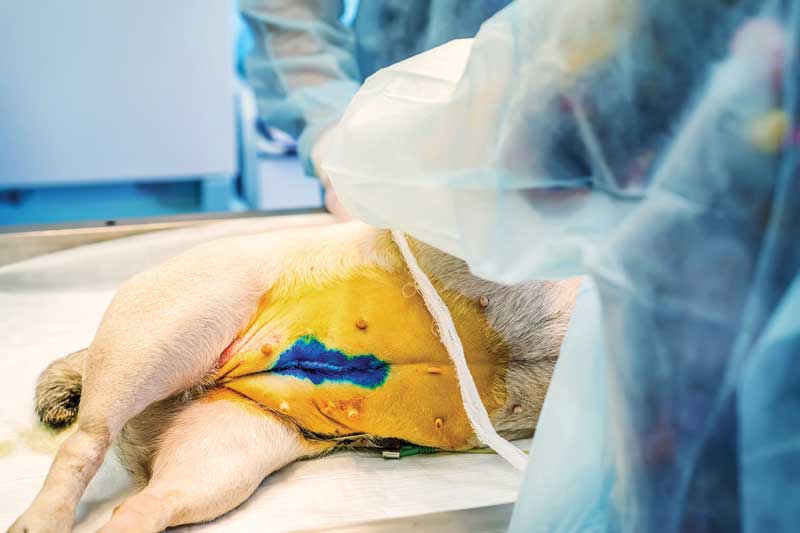
To truly grasp why a spayed dog should not go into heat, it is helpful to know what happens when a dog is spayed. Spaying is a common surgery for female dogs. Vets usually call this surgery an ovariohysterectomy.
Think of it like this: a female dog’s reproductive system has ovaries and a uterus. The ovaries are like small factories. They make important hormones, including estrogen and progesterone. These hormones control many things in the dog’s body. The main thing they control is the heat cycle.
In a spay surgery, the vet removes both ovaries. Most times, they also remove the uterus. By taking away the ovaries, you take away the body’s main source of those heat hormones.
Without the ovaries, the body does not get the signals to start the heat cycle. This means the dog will not show the typical symptoms of dog heat cycle. She won’t attract male dogs because she doesn’t give off the right smells. She won’t have the physical changes, and she won’t be able to get pregnant. Spaying stops heat cycles for good.
Decoding the Natural Heat Cycle
Before spaying, a female dog has a natural heat cycle. This cycle prepares her body to have puppies. It happens every few months, but this varies between breeds and individual dogs.
Here are the normal symptoms of dog heat cycle in a dog who is not spayed:
- Swollen Vulva: The vulva is the outer part of her private area. It gets bigger and looks puffy.
- Bleeding or Discharge: You might see some bloody or pink discharge. This can be heavy or light. It is not like a human period. It is a sign that her body is getting ready.
- Attracting Males: Male dogs will be very interested in her smell. She might start acting differently around them.
- Behavior Changes: She might be more restless, nervous, or clingy. She might also hold her tail differently.
- “Flagging”: When a male dog is near, she might move her tail to the side. This shows she is ready to mate.
These signs are all driven by the hormones from her ovaries. When the ovaries are gone after spaying, these signs should stop completely.
The Primary Reason for Heat-Like Signs: Ovarian Remnant Syndrome
If a spayed dog shows signs of heat in spayed dog, the most likely cause is a condition called Ovarian Remnant Syndrome. This condition is exactly what it sounds like. A small piece of ovary is left behind in the dog’s body after the spay surgery.
What is Ovarian Remnant Syndrome?
Imagine the vet is removing the ovaries. The ovaries are usually small and attached by thin tissue. In rare cases, a tiny bit of ovarian tissue might break off during the surgery. Or, it might be in a place that is hard to see and remove completely.
If even a tiny piece of ovary is left inside the dog’s body, this small piece can still make hormones. It is like a tiny factory that the vet missed. This tiny piece of tissue can make enough estrogen and progesterone to cause heat signs.
Ovarian Remnant Syndrome is not the vet making a mistake on purpose. It is a known, though rare, problem that can happen with any surgery. It is more likely if the surgery was difficult, if the dog was very fat, or if her body structure made the ovaries hard to reach.
How Ovarian Remnant Syndrome Mimics Heat
That small piece of leftover ovary tissue still responds to the body’s signals to make hormones. These hormones then travel through the bloodstream. When they reach the reproductive tract and other parts of the body, they cause the same physical and behavior changes as a normal heat cycle.
So, a dog with Ovarian Remnant Syndrome might show all or some of the regular symptoms of dog heat cycle, such as:
- Swollen vulva spayed dog: Her private area might look swollen, just like an unspayed dog in heat.
- Spayed dog bleeding: She might have bloody or pink discharge from her vulva.
- Attracting male dogs: Males might become very interested in her.
- Behavior changes: She might act restless or different.
- “Flagging”: She might move her tail to the side for males.
These signs can appear months or even years after the spay surgery. This is because the remnant tissue needs time to grow big enough to produce enough hormones to cause symptoms. The signs will likely come and go, just like a normal heat cycle would. This pattern is a big clue that hormones are involved.
It’s important to understand that this is not a true heat cycle because the main reproductive organs (the full ovaries and uterus) are not working together as they would in an unspayed dog. But the symptoms are the same because the hormones are present.
Other Reasons for Heat-Like Signs in Spayed Dogs (False Heat)
While Ovarian Remnant Syndrome is the most common cause of true heat signs in a spayed dog, other things can cause signs that look like heat. Vets sometimes call these situations false heat spayed dog or pseudo-heat. These are not caused by leftover ovarian tissue.
Hormonal Issues Not from Ovaries
Sometimes, hormonal issues in spayed dogs can happen from other parts of the body. The adrenal glands, which sit near the kidneys, make many different hormones. In rare cases, these glands can start making hormones that act like estrogen.
This is much less common than ORS. It can be harder to figure out. The signs might look similar to heat, but they might also include other problems like changes in skin or fur. These hormonal imbalances are complex and require special testing by a vet.
Infections and Other Physical Problems
Some physical problems can cause signs that might be mistaken for heat, especially spayed dog bleeding or a swollen vulva spayed dog.
- Vaginal Infection (Vaginitis): An infection in the vagina can cause swelling, redness, discharge (which might be bloody or pus-like), and licking. This can easily look like some heat signs.
- Urinary Tract Infection (UTI): UTIs can cause frequent peeing, licking the private area, and sometimes a little blood in the urine or around the vulva. This bleeding might be confused with heat discharge.
- Vulvar Fold Dermatitis: If a dog has deep folds of skin around her vulva, these folds can trap moisture and bacteria, leading to infection and swelling. This can cause discomfort and redness, making the area look abnormal.
- Growths or Tumors: Rarely, a mass or polyp in the vagina or near the vulva can cause bleeding, discharge, or swelling.
These issues are not related to hormones or heat cycles. They are local problems in the genital or urinary area. A vet can usually tell the difference by examining the dog and possibly doing some tests like checking urine or discharge.
Behavioral Changes (Phantom Heat)
Sometimes, owners report signs of heat in spayed dog that are mostly behavioral. The dog might seem more clingy, nest-building, or even appear to have a phantom heat dog. This is not a true heat.
A phantom heat dog often refers to a phantom pregnancy (pseudocyesis). This happens in unspayed female dogs after a heat cycle where they didn’t get pregnant. Their body still acts as if they are pregnant due to hormone changes after heat. They might build nests, act motherly towards toys, or even produce milk.
In spayed dogs, these kinds of behavioral changes are not linked to the same hormone cycle as phantom pregnancy in unspayed dogs. If a spayed dog shows nesting or mothering behavior, it is usually due to other hormonal imbalances (like prolactin, which is not directly tied to the ovaries) or simply learned behaviors or stress. It’s a false heat spayed dog situation based on behavior, not true reproductive readiness.
It’s very important to distinguish between physical signs (swelling, bleeding, attracting males) and purely behavioral ones when considering if a spayed dog is showing heat signs.
Compiling the Signs That Matter
If your dog was spayed, you should not see the typical symptoms of dog heat cycle. If you do, it means something is wrong and needs vet attention. Here are the key signs of heat in spayed dog that should worry you:
- Swollen vulva spayed dog: Her private area looks puffier or larger than normal. This is a strong physical sign suggesting hormonal influence or local swelling/infection.
- Spayed dog bleeding: Any bloody or pink discharge from her vulva is not normal after spaying. It could be ORS, an infection, a UTI, or a growth.
- Attracting male dogs: If intact male dogs are suddenly very interested in your spayed female, this is a major sign she is giving off heat-related smells, usually due to hormones from an ovarian remnant.
- Changes in behavior related to mating: This includes “flagging” (moving tail aside) or being receptive to male dogs trying to mount her.
These signs, especially the physical ones (swelling, bleeding, attracting males), are the most likely indicators that hormones related to the reproductive cycle are present when they shouldn’t be.
Can spayed dogs have periods? The simple answer is no. Dogs do not have periods like humans do. The bleeding in an unspayed dog’s heat cycle is part of the proestrus stage, a preparation phase before she is fertile. Since the ovaries are removed during spaying, this cycle stops. So, any spayed dog bleeding is abnormal and signals a problem, not a period.
Here is a simple table comparing normal heat signs (unspayed) and abnormal signs (spayed):
| Symptom | In Unspayed Dog During Heat (Normal) | In Spayed Dog (Abnormal – Needs Vet) |
|---|---|---|
| Swollen Vulva | Yes, common sign of heat. | Yes, could be Ovarian Remnant Syndrome, infection, or other issue. |
| Bleeding/Discharge | Yes, part of the heat cycle (not a period). | Yes, could be Ovarian Remnant Syndrome, infection, UTI, or growth. |
| Attracting Males | Yes, dog gives off smells that attract males. | Yes, strong sign of hormones, likely Ovarian Remnant Syndrome. |
| Behavior Changes | Restless, nervous, more affectionate, may “flag” tail. | Might show similar changes, could be ORS, or other hormonal issues, or behavioral. |
| Periods | No, dogs do not have periods like humans. Bleeding is part of heat. | No, can spayed dogs have periods is false. Bleeding is always abnormal. |
| Phantom Heat | Can happen after a heat cycle (phantom pregnancy). | Behavioral phantom heat dog signs can happen, but are not true heat or pregnancy. |
Seeing any of the signs in the right column is a reason to call your vet.
Grappling with the Cause: How Vets Figure It Out
If you see signs of heat in spayed dog, the next step is always to contact your veterinarian. They are the only ones who can find out why your dog is showing these signs. It is important not to just hope it goes away. Problems like Ovarian Remnant Syndrome or infections need treatment.
The vet will start by asking you many questions. They will want to know exactly what signs you have seen. They will ask when you first noticed them and if they come and go in a pattern. This is key for figuring out if hormones are involved.
Next, the vet will give your dog a full physical exam. They will look closely at the vulva to check for swelling, discharge, redness, or signs of infection. They might also feel her belly gently.
To check for Ovarian Remnant Syndrome, the vet will likely recommend tests.
Hormonal Blood Tests
Blood tests are the best way to check for hormones. Vets can test the level of estrogen or progesterone in your dog’s blood. If these hormones are high, especially at a time when they shouldn’t be (since the ovaries were removed), it strongly suggests an ovarian remnant is making them.
Sometimes, the vet might do a special test called a “GnRH stimulation test.” This test involves giving the dog a shot of a hormone that should make the ovaries (if present) release more estrogen. If the dog’s estrogen levels go up a lot after the shot, it is a very strong sign of ovarian tissue.
Other Tests
Depending on the signs, the vet might also do other tests to rule out infections or other physical problems:
- Urine test: To check for a urinary tract infection.
- Vaginal cytology: Taking a swab of cells from the vagina to look at them under a microscope. This can show signs of infection or hormonal influence. Cells look different when estrogen is present.
- Ultrasound: An ultrasound can sometimes help the vet look inside the belly to see if they can find any tissue that looks like an ovary. However, small remnants can be very hard to see.
- Exploratory Surgery: In some cases, if the signs and blood tests point strongly to Ovarian Remnant Syndrome but the remnant cannot be found with ultrasound, the vet might recommend surgery to look inside the abdomen and search for the tissue. This is also the step needed to remove the remnant if found.
Finding the cause of false heat spayed dog signs is important. It ensures your dog gets the right treatment. Ignoring the signs is not a good idea, as the underlying cause could be painful or lead to bigger health problems.
Interpreting the Treatment Steps
Treatment depends entirely on what the vet finds.
Treating Ovarian Remnant Syndrome
If Ovarian Remnant Syndrome is diagnosed, the treatment is surgery. The vet needs to go back in and find the piece of leftover ovarian tissue and remove it completely. This surgery can be a bit harder than the original spay because the tissue can be small, hard to find, and sometimes stuck to other organs.
The vet will carefully explore the area where the ovaries were. They might use special tools or techniques to help find the remnant. Once the tissue is found and removed, it is often sent to a lab to confirm it is indeed ovarian tissue.
After the surgery, the dog should no longer have the heat signs because the source of the hormones is gone. Recovery is similar to a regular spay surgery.
Treating Other Causes of False Heat
If the vet finds another reason for the signs that mimic heat:
- Infections (Vaginal or UTI): These are usually treated with antibiotics. The vet might also give other medications to help with pain or swelling.
- Vulvar Fold Dermatitis: Treatment involves cleaning the area and often using medicated wipes or creams. In severe cases, surgery might be needed to remove the extra skin folds.
- Growths or Tumors: Treatment depends on the type of growth. It might involve surgery to remove it. Some growths might be sent to a lab to check if they are cancerous.
Hormonal issues in spayed dogs not related to ovarian remnants are often complex. Treatment might involve medications to manage the hormone levels, depending on which hormones are out of balance.
It is crucial to follow your vet’s treatment plan exactly. This gives your dog the best chance to recover fully and stop showing those worrying heat-like signs.
Preventing Future Issues
While you cannot prevent Ovarian Remnant Syndrome with 100% certainty (it is a rare surgical risk), choosing an experienced vet for the spay surgery can lower the risk. Experienced vets are skilled at ensuring all ovarian tissue is removed.
Beyond ORS, keeping your dog healthy helps prevent other causes of false heat spayed dog signs like infections. Good hygiene, regular vet check-ups, and prompt attention to any unusual signs are important.
Remember, a properly spayed dog should not show any symptoms of dog heat cycle. If you see any signs of heat in spayed dog, especially spayed dog bleeding or a swollen vulva spayed dog, do not delay in calling your vet. It is the only way to get to the truth of what is happening and get your furry friend the help she needs.
Understanding what happens when a dog is spayed is the first step. Knowing the potential but rare issues like Ovarian Remnant Syndrome and other hormonal issues in spayed dogs empowers you to be a better advocate for your pet’s health. Things that look like phantom heat dog or situations where you wonder can spayed dogs have periods are all signs that need a vet’s attention, not just dismissed. Your vet can diagnose the real problem and help your dog feel better.
FAQ: Questions About Spayed Dogs and Heat
Here are some common questions people ask about spayed dogs showing heat signs.
Q: Can a spayed dog ever go back into heat?
A: No, a spayed dog cannot go back into a normal heat cycle. Spaying removes the ovaries, which are needed to make the hormones for heat. If you see signs like heat, it means something is wrong, usually Ovarian Remnant Syndrome (a piece of ovary was left) or another health issue.
Q: What does Ovarian Remnant Syndrome feel like for the dog?
A: A dog with Ovarian Remnant Syndrome goes through the physical and hormonal changes of heat. This might make her feel restless, uncomfortable, or act differently. It can also attract unwanted attention from male dogs, which can be stressful or even dangerous. It also means she is still exposed to hormones that could potentially increase her risk of certain health problems later, although less than if she were never spayed.
Q: How soon after spaying would Ovarian Remnant Syndrome show up?
A: It can show up any time after spaying. The piece of leftover tissue needs time to start producing enough hormones. This might take a few months or even a year or more after the surgery. Once it starts, the signs usually come and go in a cycle, just like a normal heat.
Q: If my spayed dog has a swollen vulva, does that automatically mean Ovarian Remnant Syndrome?
A: Not automatically. A swollen vulva spayed dog is a key sign of heat, often caused by ORS. But swelling can also be caused by local issues like infection (vaginitis), skin problems, or even irritation. Your vet will need to examine your dog and do tests to find the real reason for the swelling.
Q: Is any bleeding from a spayed dog’s vulva an emergency?
A: Any spayed dog bleeding from the vulva is abnormal and should be checked by a vet promptly. While it might not be a life-threatening emergency in all cases (like a minor infection), it should not be ignored. It could be Ovarian Remnant Syndrome, a UTI, a growth, or an injury. The vet needs to find out why it is happening.
Q: My spayed dog is acting strange and nesting, but no bleeding or swelling. Is this heat?
A: This sounds more like behavioral changes, sometimes called phantom heat dog behavior or pseudo-pregnancy signs. While these kinds of behaviors can happen in intact female dogs due to hormones after heat, in a spayed dog, it is not a true heat cycle. It could be other hormonal issues in spayed dogs not related to ovaries, or simply behavioral issues caused by stress or routine. A vet can help figure out why she is acting this way.
Q: Can a spayed dog still attract male dogs?
A: A properly spayed dog should not attract male dogs because she does not produce the heat hormones or smells that attract them. If intact male dogs are suddenly very interested in your spayed dog, it is a strong sign she is giving off those hormones, which is most often due to Ovarian Remnant Syndrome. This is a key signs of heat in spayed dog.
Q: Will my spayed dog ever need follow-up for hormonal issues?
A: Most spayed dogs live their lives without hormonal issues related to their spay. However, if your dog develops signs like heat, changes in her coat, weight changes, or other symptoms that might suggest a hormonal problem, your vet might test for hormonal issues in spayed dogs, including but not limited to checking for ovarian remnants or issues with other glands like the adrenals.
Q: Is Ovarian Remnant Syndrome common?
A: No, Ovarian Remnant Syndrome is considered rare. It is a possible, but not frequent, problem after spay surgery. The vast majority of spay surgeries are fully successful in removing all ovarian tissue.
Q: If my spayed dog shows heat signs, is it dangerous to wait to see the vet?
A: Yes, it is best to see the vet quickly. While not every cause of false heat spayed dog is life-threatening, some can be. Infections can get worse. Ovarian Remnant Syndrome means the dog is still making hormones that could potentially lead to other health problems down the road. Attracting male dogs can also put your dog at risk of getting loose or injured. Getting a quick diagnosis and treatment is always the safest choice for your pet.
Knowing the truth about spaying and potential issues like Ovarian Remnant Syndrome helps you care better for your dog. If your spayed dog acts or looks like she is in heat, contact your vet right away.