
When your dog eats leaves and then throws them up, it’s natural to wonder why and if it means something is wrong. Often, dogs eat leaves out of simple curiosity or because they have a mild upset stomach after eating leaves dog and are trying to make themselves feel better. Dog vomiting after eating leaves is a common issue and often not serious if it happens just once or twice and your dog seems fine otherwise. However, it can be serious if the leaves are from a toxic plant, if your dog ate a large amount of leaves, or if they show other worrying signs.
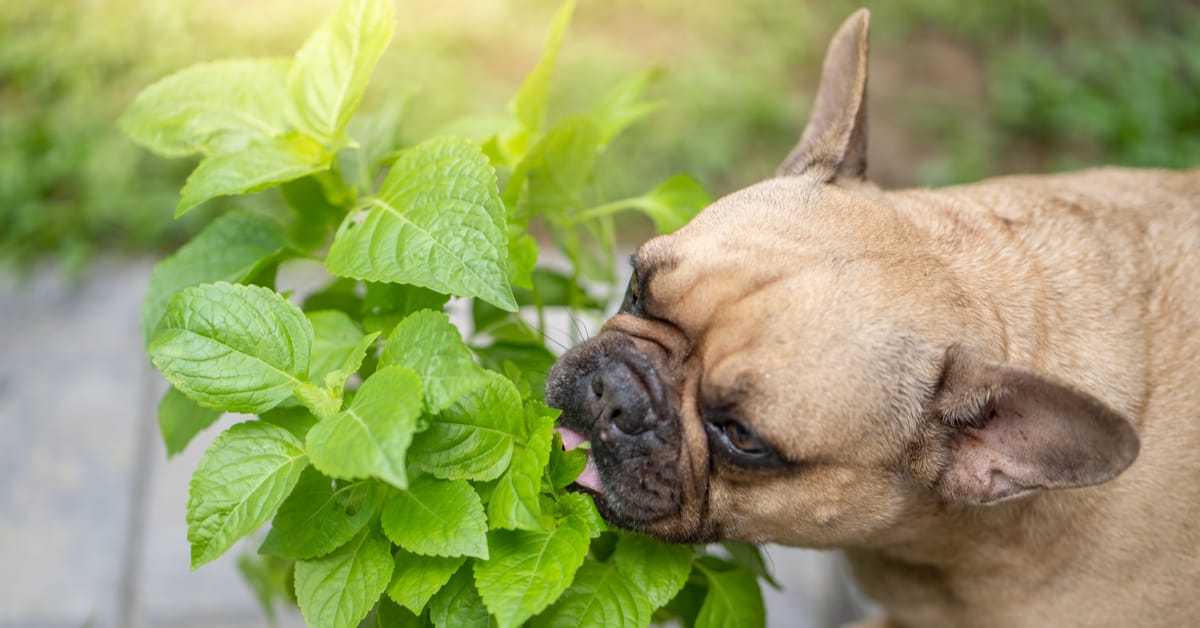
Image Source: outwardhound.com
Figuring Out Why Dogs Munch on Leaves
Dogs do many strange things, and eating grass or leaves is one of them. There are several reasons why your dog might decide that leaves look like a tasty snack or feel like something they need.
Just Being Curious
Puppies, especially, explore the world with their mouths. They might eat leaves just to see what they are like – how they feel, how they taste. This is often just a phase.
Feeling Bored
A dog with nothing to do might find entertainment in chasing and eating leaves blowing in the wind. If your dog doesn’t get enough playtime, walks, or mental challenges, they might try to entertain themselves this way.
A Need for Fiber
Some people think dogs eat grass or leaves to get fiber. Fiber helps food move through their body. While leaves do have fiber, it’s not usually a main reason for dogs to eat a lot of them. A balanced dog food should give them all the fiber they need.
Trying to Feel Better
This is a common idea. Many dog owners believe dogs eat grass or leaves when their stomach hurts. The idea is that the rough stuff makes them throw up, which then makes their stomach feel better. This might be true sometimes. If your dog has a mild upset stomach after eating leaves dog, eating leaves might trigger vomiting. This could be their way of getting rid of whatever is bothering their belly.
Something is Missing
Sometimes, dogs eat things that are not food (like dirt or leaves) because their body is missing something important, like certain nutrients. This is called pica. If your dog eats lots of non-food items often, talk to your vet.
Seeing Why Eating Leaves Makes Dogs Throw Up
So, dogs eat leaves for different reasons. But why does eating leaves often lead to dog vomiting after eating leaves? Leaves, even from non-toxic plants, are not easy for a dog’s stomach to handle.
Leaves Bother the Stomach Lining
Think of the inside of your dog’s stomach as a soft, sensitive place. Leaves are rough and pointy, especially dry ones. When a dog swallows them, they can tickle, scratch, or just irritate the lining of the stomach or throat. This irritation can quickly lead the dog’s body to want to get rid of the leaves, causing them to throw up. This is one common cause of dog gastrointestinal upset from leaves.
They Are Hard to Digest
Dogs are built to eat meat, along with some vegetables and grains in their typical diet. They don’t digest tough plant material like leaves very well. Their bodies might see the leaves as a foreign object – something that shouldn’t be there. The stomach might try to push the leaves through, but if they are causing a blockage or just sitting there undigested, the body’s only way to get them out might be to throw them up.
They Might Eat Too Many
Even if a few leaves are okay, eating a big pile can overwhelm a dog’s system. Too much roughage at once can definitely upset the stomach and trigger vomiting.
Some Leaves Have Toxins
This is a big one. Are leaves toxic to dogs? Yes, the leaves of many common plants and trees are poisonous to dogs. If your dog eats leaves from a toxic plant, the toxins themselves can make them sick, causing vomiting and other much more serious symptoms dog ate bad plant. We will talk more about this later. Even leaves from generally safe plants can become toxic if they have pesticides, herbicides, or fertilizers on them.
Something Else is Wrong
Sometimes, the vomiting is not just from the leaves. As mentioned, dogs might eat leaves because they already feel sick. In this case, the vomiting could be caused by the original illness, and the leaves just came along for the ride or made the vomiting happen sooner. This is why thinking about why do dogs eat leaves when sick? is important – it could be a sign of a deeper problem.
What Vomit Can Look Like
When your dog throws up leaves, you might see the leaves themselves. Often, you will see dog throwing up green material. This green stuff can be:
* The actual leaves, partly chewed.
* Grass, if they ate that too.
* Bile, which is a yellow-green liquid from the liver that helps with digestion. If the stomach is empty except for leaves (or grass), the dog might throw up bile along with the plant stuff.
Seeing green vomit doesn’t always mean your dog ate something specific; it can just mean they vomited on an empty stomach, and bile came up. But if you see green bits that look like plants, they likely ate grass or leaves.
Knowing When Dog Vomiting Is a Big Deal
Most times, a dog eating a few leaves and throwing up once is not a huge emergency. They might just have a mild dog gastrointestinal upset from leaves. However, there are times when when to worry dog vomiting leaves is very important. You need to watch your dog carefully.
Here are signs that mean you should call your vet right away:
- Throwing up many times: If your dog vomits more than once or twice over a short time, especially if they can’t keep water down, it could be serious.
- Vomiting happens along with other bad signs:
- Being very tired or weak.
- Diarrhea (especially if it has blood in it).
- Lack of appetite (won’t eat their regular food).
- Pain in their belly (they might whine when you touch it, or look hunched over).
- Trying to throw up but nothing comes out (this can be a sign of a serious problem called bloat, though less likely from just leaves).
- Pale gums.
- Acting confused or wobbly.
- Any sign that looks like the dog is getting worse.
- You think the leaves might be toxic: If you know (or suspect strongly) that your dog ate leaves from a plant known to be poisonous to dogs (like sago palm, oleander, lilies, etc.), this is an emergency. Are leaves toxic to dogs? Yes, and identifying the plant is key. If you don’t know the plant, try to get a picture or a piece to show the vet.
- Your dog seems to be choking or having trouble breathing: This could mean a piece of leaf is stuck.
- Swollen belly: This can point to bigger problems.
- Fever: Feeling hot or having a high temperature is a bad sign.
If your dog throws up leaves once, seems otherwise normal (playing, eating, drinking water okay), they might just have gotten a small dog gastrointestinal upset from leaves that passed quickly. You can watch them closely for the next 12-24 hours. If they vomit again or show any other bad signs, call the vet.
Checking Your Garden for Problem Plants
Since are leaves toxic to dogs? is a major concern, it’s a good idea to know what plants are in your yard. Many common landscaping plants are dangerous if a dog eats them.
h4 Plants with Leaves Poisonous to Dogs
This is not a full list, but some common ones include:
- Sago Palm (all parts are very toxic, especially the seeds, but leaves are also dangerous)
- Oleander
- Azalea and Rhododendron
- Lily of the Valley
- Yew
- English Ivy
- Rhubarb (leaves are toxic)
- Philodendron
- Dieffenbachia
- Castor Bean
If you have any of these plants, consider removing them or blocking your dog’s access to them. If your dog eats any part of a plant you think might be toxic, call your vet or a pet poison control line right away. Don’t wait for symptoms dog ate bad plant to show up. It’s better to be safe.
What to Do When Your Dog Throws Up Leaves
Okay, your dog just had dog vomiting after eating leaves. What steps should you take?
Step 1: Look at the Vomit
Carefully look at what came up. Was it just leaves? Or was there food, bile, blood (red streaks or black flecks like coffee grounds), or foreign objects mixed in? This helps you tell the vet what happened. Note the color of the leaves and what they looked like if possible.
Step 2: Check Your Dog
How is your dog acting now? Are they trying to eat more leaves? Are they shaking? Are they alert or sleepy? Do they want water? Are their gums pink? Check their body gently to see if they seem sore anywhere, especially their belly.
Step 3: Try to Figure Out What They Ate
Did you see them eat the leaves? What kind of leaves? Did they eat grass too? Did they eat anything else unusual today? Did they get into the trash or chew on something else?
Step 4: Decide If You Need a Vet
Based on the signs discussed earlier (When to worry dog vomiting leaves), decide if this looks serious or mild.
- Mild signs: Vomited once, seems fine now, wants to play, no other bad signs.
- Worrying signs: Vomited many times, seems weak or sick, has diarrhea, won’t eat, belly pain, you know it was a toxic plant, or any other sign that doesn’t seem right.
If it’s mild, you can often watch them at home. If it’s worrying, call the vet.
h4 Home Care for Mild Upset
If your dog vomited leaves just once and is otherwise okay, here are some things you can do, like home remedies for dog vomiting leaves:
- Hold back food: Don’t give your dog food for 6-12 hours. This gives their stomach a rest. Make sure they have access to fresh water.
- Offer small amounts of water: After an hour or two of no vomiting, offer a little bit of water. If they keep that down, you can give small amounts more often. Don’t let them gulp a lot at once.
- Offer a bland diet: After the fasting period, if they haven’t vomited again, offer a small amount of bland food. This means simple, easy-to-digest food.
- Cooked, plain white rice (no salt, butter, or spices).
- Boiled, plain, boneless, skinless chicken breast (shredded).
- Mix the rice and chicken, about 50/50.
- Feed small meals often: Give tiny amounts of the bland food every few hours for the first day or two. Slowly go back to their normal food by mixing small amounts of their regular food into the bland food over several days.
- Keep them quiet: No rough playing or long walks while their stomach is recovering.
Important: These home remedies for dog vomiting leaves are only for mild cases where the dog seems mostly okay otherwise. If you are unsure, or if your dog gets worse, always call the vet. Never give human medicines like Pepto-Bismol or Imodium without asking your vet first, as they can be harmful to dogs.
Calling the Vet: What to Tell Them
If you call the vet because your dog is throwing up green material (or other vomit with leaves) and showing worrying signs, be ready to give them information:
- Your dog’s age, breed, and if they have any health problems usually.
- When the vomiting started.
- How many times they have vomited.
- What the vomit looked like (leaves? green liquid? food? blood?).
- When they last ate and drank.
- What you think they ate (specifically mention leaves and if you know the plant type).
- Any other signs you see (tiredness, diarrhea, pain, etc.).
- If they are taking any medicine.
This information helps your vet decide how quickly your dog needs to be seen and what kind of problem they might have.
Preventing Your Dog From Eating Leaves
Since eating leaves can lead to dog vomiting after eating leaves and potentially more serious issues if the leaves are toxic, it’s best to try and stop your dog from eating them. Here are ways to prevent dog from eating leaves:
h4 Training and Supervision
- Watch them closely outside: When your dog is in the yard or on a walk, pay attention to what they are doing. Don’t let them wander far off where you can’t see what they are sniffing and eating.
- Teach the “Leave It” command: This is a very useful command. Practice inside first with treats, then move to objects on the ground, and finally to leaves outside. When you say “Leave It,” and they ignore the object, reward them. This teaches them not to pick things up from the ground.
- Teach the “Drop It” command: If they do pick up a leaf, this command tells them to let go of it. Practice with toys first.
- Use a leash: On walks, keep your dog on a leash to have better control over what they sniff and potentially eat.
h4 Managing the Environment
- Keep your yard clean: Regularly rake up fallen leaves, especially in the fall. This makes them less tempting. Pick up other debris too.
- Identify and remove toxic plants: Walk around your yard and find out what plants you have. Use online resources from pet poison control centers or ask a local nursery for help. Remove any plants that are dangerous to dogs. If you can’t remove them, fence them off so your dog can’t reach them.
- Be careful with pesticides and fertilizers: Don’t use chemicals on your lawn or garden that could harm your dog. If you do use them, keep your dog away from the area for the time recommended on the product label. Even non-toxic leaves become dangerous if they have poison on them.
- Check areas where your dog plays: Make sure playgrounds, parks, or other areas where your dog spends time are safe and free of toxic plants or chemicals.
h4 Addressing Underlying Issues
- Provide enough exercise and mental stimulation: A tired dog is less likely to look for trouble (like eating leaves) out of boredom. Make sure your dog gets enough physical activity and challenging toys or training sessions.
- Feed a balanced diet: Ensure your dog’s food is complete and balanced for their age and size. If you worry they have nutritional needs not being met, talk to your vet about their diet or supplements. This might help if the leaf eating is related to pica.
- See your vet regularly: Regular check-ups can help catch health problems early that might be causing your dog to feel sick and eat leaves.
By taking steps to prevent dog from eating leaves, you can lower the chance of them having dog vomiting after eating leaves and protect them from potentially toxic plants.
Seeing the Link: Leaves and Stomach Problems
Sometimes, dogs eat leaves because they already feel unwell. Their upset stomach after eating leaves dog might have started before they ate the leaves.
h4 Why Dogs Eat Leaves When Sick
- Instinct: Some people believe it’s an old instinct for dogs to eat grass or roughage when their stomach hurts, hoping to vomit and feel better.
- Nausea: Feeling sick to their stomach can make dogs restless and look for things to chew or eat that they normally wouldn’t.
- Boredom/Distraction: If they feel mild discomfort but aren’t really sick, eating leaves might just be a way to distract themselves or cope with the feeling.
If your dog starts eating leaves suddenly and seems unwell before or after eating them, the leaf-eating might be a sign that they are already sick. Pay attention to this. Why do dogs eat leaves when sick? Sometimes it’s a clue that their stomach was already bothering them. The vomiting that follows could be from the original problem, made worse by the leaves.
Summarizing the Risks
Let’s quickly look at the possible outcomes of a dog eating leaves:
| Scenario | Outcome | Seriousness | What to Do |
|---|---|---|---|
| Eats a few non-toxic leaves | Mild dog gastrointestinal upset; Vomits once or twice | Usually Low | Watch closely; Withhold food/water briefly; Bland diet |
| Eats many non-toxic leaves | More significant upset stomach; Repeated vomiting | Medium | Watch very closely; Call vet if vomiting continues or other signs appear |
| Eats leaves from a toxic plant | Poisoning signs (symptoms dog ate bad plant including vomiting) | High (Emergency) | CALL VET or Pet Poison Control IMMEDIATELY |
| Eats leaves & already sick | Vomiting from underlying issue; May get worse | Depends on Illness | Call vet to figure out the main problem |
| Eats leaves with pesticides | Vomiting from chemical exposure; Other signs | High (Emergency) | CALL VET or Pet Poison Control IMMEDIATELY |
Most cases fall into the first category – a little dog vomiting after eating leaves that passes quickly. But you must be aware of the other possibilities.
Keeping Your Dog Safe Around Plants
To lower the chances of your dog eating leaves and getting sick:
- Supervise outdoor time.
- Train “Leave It” and “Drop It.”
- Keep your yard tidy.
- Know which plants are in your yard and remove or block access to toxic ones.
- Use pet-safe garden products.
Being watchful and taking simple steps can help prevent your dog from having to deal with dog gastrointestinal upset from leaves or worse.
When Dog Vomiting Leaves is Not Just About Leaves
Remember, vomiting can be a sign of many different health problems in dogs, not just eating something they shouldn’t. If your dog is vomiting green material or anything else often, or seems sick in other ways, it’s important to see the vet to find the real cause. Even if you saw them eat leaves, the vomiting could be because of:
- Infections (viral, bacterial)
- Worms or parasites
- Something else stuck in their stomach or intestines (like a toy piece)
- Changes in diet
- Food allergies or sensitivities
- Inflammatory Bowel Disease (IBD)
- Kidney or liver problems
- Pancreatitis
- Bloat (Gastric Dilatation-Volvulus) – very serious, needs urgent vet care
- Certain medications
- Just eating too fast or too much
So, while dog vomiting after eating leaves is common, persistent or severe vomiting always needs a vet’s attention to rule out serious issues. Don’t just assume it was “just the leaves” if your dog is truly sick.
Frequently Asked Questions (FAQ)
h4 Is it normal for dogs to eat leaves?
Eating leaves is not normal or necessary for a dog’s diet, but it’s very common behavior, especially for puppies or dogs who are bored or have a mild tummy ache.
h4 My dog threw up green material after eating leaves, what does that mean?
Dog throwing up green material often means they threw up leaves or grass. The green liquid mixed in is likely bile, which is normal to see if the stomach is empty when they vomit.
h4 Can eating dried leaves make my dog sick?
Yes, dried leaves can be even rougher than fresh ones and are hard for dogs to digest. Eating dried leaves can easily cause dog gastrointestinal upset from leaves and lead to vomiting.
h4 My dog keeps eating leaves and throwing up. What should I do?
If your dog keeps doing this, try to prevent dog from eating leaves by watching them closely and training them. If the vomiting is happening often or they seem sick, see your vet. They can check for underlying health problems or nutritional needs.
h4 Are there any home remedies for dog vomiting leaves that are safe?
For mild cases (vomited once, seems okay), you can try resting their stomach by not giving food for a few hours and then offering small amounts of bland food like plain chicken and rice. Always make sure they have water. If they vomit more or seem sick, call the vet. Never give human medicine without asking your vet first.
h4 How long after eating leaves will a dog show symptoms dog ate bad plant if it was toxic?
Signs of poisoning can show up quickly (within minutes or hours) or take longer (12-24 hours or even longer) depending on the plant and how much was eaten. If you suspect your dog ate a toxic plant, call the vet or pet poison control right away, even if they aren’t showing symptoms yet. This is a situation for when to worry dog vomiting leaves the most.
h4 Why do dogs eat leaves when they have an upset stomach after eating leaves dog?
It’s thought that dogs might eat grass or leaves when their stomach is upset to make themselves vomit, which can sometimes provide relief.
Final Thoughts
Seeing your dog eat leaves and vomit can be scary, but often it’s just a simple case of their body reacting to something hard to digest. However, always be aware of the signs that point to something more serious, like eating toxic plants or having an underlying illness. By being watchful, knowing the plants in your area, and contacting your vet when you’re worried, you can help keep your furry friend safe and healthy. Dog vomiting after eating leaves needs your attention, but with the right steps, you can manage it.