
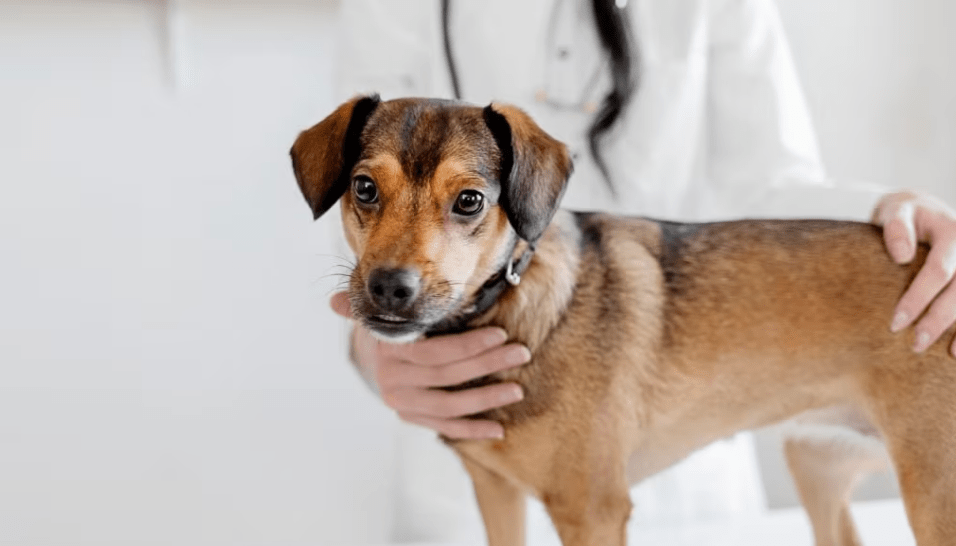
Image Source: www.tnah.ca
How Long For Hormones To Balance After Spaying Dog? Answered!
After your dog is spayed, the main reproductive hormones, estrogen and progesterone, drop quickly because the ovaries are removed. Your dog’s body reaches a new hormone “balance”—meaning a stable state without the big ups and downs of the heat cycle—usually within a few weeks to a couple of months. Full adjustment, including some behavioral changes after spaying dog, can take longer, sometimes up to several months.
Spaying, or ovariohysterectomy, is a common surgery for female dogs. A vet removes the ovaries and usually the uterus. This stops the dog from having puppies and also prevents heat cycles. It has big effects on the dog’s body, mostly because it removes the main source of certain hormones.
Grasping What Spaying Does
When a female dog is spayed, her ovaries are taken out. These small organs do two main jobs:
* They make eggs.
* They make important hormones like estrogen and progesterone.
The uterus is also often removed. This is where puppies grow. Removing the ovaries is key to changing the hormones.
With the ovaries gone, the body stops making most of the estrogen and progesterone it used to. These hormones cause the heat cycle. They also affect many other things in the body, like behavior, metabolism, and physical traits.
The Quick Drop in Hormones
Right after the spay surgery, the levels of estrogen and progesterone in your dog’s body start to fall fast. These hormones are tied to the ovaries. Once the ovaries are gone, the main source is gone.
- Estrogen levels after spaying dog: Estrogen levels drop significantly. Before spaying, estrogen goes up and down a lot during the heat cycle. After spaying, levels stay low and steady. A tiny bit of estrogen is still made by other parts of the body, like the adrenal glands, but not enough to cause heat cycles or the same effects as before.
- Progesterone levels after spaying dog: Progesterone levels also drop sharply. This hormone is mostly made after ovulation during the heat cycle and is important for pregnancy. After spaying, progesterone levels stay very low.
This fast drop in hormones is the first big change. It happens within days of the surgery.
Reaching a New Hormonal Plateau
The idea of hormones “balancing” after spaying is a bit different than balancing during normal cycles. Before spaying, hormones like estrogen and progesterone go through a regular pattern of rising and falling. After spaying, the goal isn’t to keep cycling; it’s to reach a new, stable state where the levels of these specific reproductive hormones are consistently low.
Think of it less like a seesaw trying to find the middle and more like removing one of the weights from the seesaw entirely. The system finds a new, lower resting place.
How long does it take to reach this new, stable, low level of estrogen and progesterone?
- The most dramatic drop happens within the first week after surgery.
- By about 2 to 4 weeks after the spay, the body has largely adjusted to the absence of the high, cycling levels of these hormones. The low levels made by other parts of the body become the new baseline.
So, the answer to how long for hormones to balance after spaying dog, in terms of these specific reproductive hormones reaching a stable low, is usually a few weeks.
The Post-Spay Recovery Timeline Dog: More Than Just Hormones
While the main reproductive hormones stabilize quickly, your dog’s full recovery and adjustment involve more than just hormone levels. The Post-spay recovery timeline dog includes:
Surgical Healing: This is the most immediate part.
- First few days (1-3): Pain management, rest is crucial. Incision site is fresh.
- First week (7-10 days): Swelling and bruising should go down. Incision starts to heal. Stitches might need removal or dissolve on their own. Activity is still limited.
- Two weeks (14 days): Most external healing is done. Vet usually gives the okay for more activity, but still avoid rough play or jumping.
- Four to six weeks: Internal tissues continue to heal and strengthen. Most physical restrictions are lifted by the vet.
Hormonal Adjustment: As discussed, the main hormone levels stabilize low within a few weeks.
Behavioral and Physical Adjustment: This is often the longest part and where you might see Dog behavior changes after spaying and Physical changes after spaying dog. This Post-spay adjustment period dog can take several months.
Deciphering Dog Behavior Changes After Spaying
Many pet owners wonder about Dog behavior changes after spaying. Some changes happen because the reproductive hormones are gone, while others might be less directly related or complex.
Changes often seen (usually positive or neutral):
* No more heat cycles: This is the biggest change. No more bleeding, swollen vulva, or attracting male dogs. This removes the stress and behavioral changes associated with heat.
* Reduced roaming: Female dogs in heat might try to escape to find a mate. Spaying removes this drive.
* Less marking: Some female dogs mark territory with urine, especially when in heat. Spaying can reduce this.
* Reduced aggression related to heat/mating: Competition over males or protectiveness during heat cycles goes away.
Less common or more complex changes (can vary):
* Potential for increased anxiety or fear: Some studies suggest a link between spaying and increased fear-related behaviors in some dogs, particularly those already prone to anxiety. This is not universal and the reasons are complex, possibly involving other hormones or developmental factors.
* Changes in interactions with other dogs: Without the scent of heat, interactions with male dogs change. Some spayed females might be less tolerant of intact females.
* Activity level: Many dogs become slightly less active after spaying, though this is often tied more to age or weight gain potential than a direct hormonal effect on energy levels for most dogs.
When do spayed dogs calm down?
This is a common question. Spaying does not instantly turn a high-energy dog into a calm one. Energy level is tied to breed, age, training, and individual personality.
- If a dog’s restlessness or anxiety was directly related to heat cycles or the urge to mate, spaying will likely make them calmer in that specific context.
- If a dog is high-energy because they are young, need more exercise, or lack training, spaying won’t change that.
- Some owners report their dog seems to “settle” or become more focused after spaying, but this often coincides with the dog maturing (reaching adulthood) around the same time they are typically spayed (6-12 months old). It’s hard to separate the effect of spaying from the effect of growing up.
So, while spaying removes hormonal drivers for certain behaviors, it’s not a magic calming solution for all dogs. The Post-spay adjustment period dog for behavior changes can take anywhere from a few weeks to several months (3-6 months) for the dog’s new normal behavioral patterns to fully emerge and stabilize.
Interpreting Physical Changes After Spaying Dog
Removing the ovaries also affects the body in other ways. Physical changes after spaying dog are mainly linked to the change in hormone levels.
- Metabolism: Estrogen plays a role in regulating metabolism and appetite. With lower estrogen, a dog’s metabolism can slow down slightly. This means they need fewer calories to maintain their weight.
- Weight Gain Potential: Because metabolism slows and activity might decrease slightly, spayed dogs have a higher tendency to gain weight if their diet and exercise are not adjusted. This is one of the most common Spaying dog side effects hormones cause indirectly. It’s crucial to monitor food intake and ensure enough exercise.
- Coat Changes: Some dogs, particularly those with certain coat types (e.g., Cocker Spaniels, Golden Retrievers), might develop a softer, puppy-like coat after spaying. This is sometimes called “spay coat” and is thought to be related to hormone changes affecting hair growth cycles.
- Urinary Incontinence: A small percentage of spayed female dogs (estimates vary, but around 5-20%) may develop spay incontinence, where they leak urine involuntarily, often when relaxed or asleep. This is more common in larger breeds and is linked to the lack of estrogen, which helps maintain the tone of the bladder sphincter. It often develops months or even years after spaying and is usually manageable with medication.
These physical changes related to metabolism and coat can take time to become noticeable. The weight gain tendency is ongoing. Coat changes might appear several months after the surgery. Urinary incontinence, if it occurs, can happen anytime after spaying.
Spaying Dog Side Effects Hormones Might Influence
Besides the planned effects, the hormonal changes from spaying can have other side effects. We already mentioned weight gain and urinary incontinence. What else falls under Spaying dog side effects hormones might cause or influence?
- Increased risk of certain cancers: While spaying dramatically reduces the risk of mammary tumors (especially if done before the first heat) and eliminates ovarian/uterine cancers, it might slightly increase the risk of certain less common cancers like hemangiosarcoma, osteosarcoma (bone cancer) in some large breeds, and mast cell tumors. The link is complex and debated, possibly related to the long-term absence of reproductive hormones. The reduced risk of common mammary tumors is often considered to outweigh these potential increases for most dogs.
- Increased risk of joint disorders: Spaying before a dog is fully grown might slightly increase the risk of certain orthopedic issues like hip dysplasia, elbow dysplasia, and cranial cruciate ligament (CCL) tears in some breeds. Reproductive hormones play a role in bone growth plate closure. Spaying before maturity means the growth plates stay open longer, leading to slightly different bone development. This risk is why some vets recommend waiting until a dog is closer to maturity (e.g., 12-18 months for large breeds) before spaying, although the decision involves balancing orthopedic risks against the benefits of spaying (no heat cycles, no puppies, reduced mammary cancer risk).
These potential side effects are typically longer-term considerations, not immediate issues seen right after surgery during the initial Post-spay adjustment period dog.
Decoding Dog Hormone Fluctuations After Spay
Before spaying, a female dog’s body has significant Dog hormone fluctuations related to her heat cycle. Estrogen and progesterone levels rise and fall predictably. After spaying, these large fluctuations stop.
The reproductive hormones (estrogen and progesterone from the ovaries) are now at consistently low levels. The body no longer goes through the hormonal peaks and valleys of the cycle.
However, dogs still have many other hormones!
* Thyroid hormones: Regulate metabolism.
* Cortisol: Stress hormone.
* Insulin: Regulates blood sugar.
* Growth hormone: Important for growth and body functions.
* Adrenal hormones: The adrenal glands still produce small amounts of sex hormones, as well as stress hormones.
These other hormones still fluctuate based on things like stress, activity, food, and overall health. But the major cyclical fluctuations tied to reproduction are gone after spaying. The “balance” achieved is the stable, low level of reproductive hormones, removing that source of significant fluctuation.
Recognizing Hormonal Imbalance Symptoms Spayed Dog
It’s important to understand what constitutes a Hormonal imbalance symptoms spayed dog might show. After spaying, the intended state is low reproductive hormones. So, symptoms aren’t usually about too much estrogen or progesterone.
True hormonal imbalance in a spayed dog typically refers to issues with other hormone systems, not the reproductive ones removed by spaying.
* Hypothyroidism: Low thyroid hormone is common in dogs and can cause weight gain, lethargy, coat changes, and skin problems. These symptoms might sometimes be mistaken for spay effects, but they are due to a different endocrine issue.
* Cushing’s Disease (Hyperadrenocorticism): The adrenal glands make too much cortisol. Symptoms include increased thirst and urination, increased appetite, panting, pot belly, hair loss, and thin skin. This is an adrenal gland problem, not directly caused by spaying.
* Addison’s Disease (Hypoadrenocorticism): The adrenal glands don’t make enough hormones (including cortisol). Symptoms are often vague like lethargy, poor appetite, vomiting, diarrhea, and weakness.
While spaying changes the reproductive hormone profile, it doesn’t cause these other common hormonal imbalances. If a spayed dog shows symptoms like sudden significant weight gain despite controlled food, extreme lethargy, excessive thirst/urination, or hair loss, it’s crucial to see a vet to check for these other potential hormonal or medical issues, rather than assuming it’s just a lingering effect of the spay surgery’s hormonal shift.
The most likely “hormonal imbalance” effect directly linked to spaying is estrogen-responsive urinary incontinence, but this is really just a consequence of low estrogen levels, not an imbalance where one hormone is too high or too low relative to others in a complex feedback loop, as seen in thyroid or adrenal issues.
Timeline Snapshot: What to Expect
Here is a rough timeline covering different aspects of recovery and adjustment after spaying:
| Time After Spay | Key Focus | What’s Happening | Relevant Keywords |
|---|---|---|---|
| First 1-3 Days | Pain management, rest, monitor incision | Surgical site healing starts. Main anesthetic drugs wear off. Appetite returns. | Post-spay recovery timeline dog |
| First 7-10 Days | Incision healing, limit activity | External incision heals. Stitches may be removed. Pain subsides significantly. | Post-spay recovery timeline dog |
| First 2-4 Weeks | Hormonal stabilization, increasing activity | Estrogen levels after spaying dog and Progesterone levels after spaying dog reach stable low levels. Body adjusts to no cycle. | How long for hormones to balance after spaying dog, Estrogen levels after spaying dog, Progesterone levels after spaying dog, Dog hormone fluctuations after spay |
| 1-3 Months | Behavioral adjustment, monitoring weight | Dog behavior changes after spaying related to hormones (like roaming) become the new norm. Some dogs may settle down more. Start watching for Physical changes after spaying dog like weight gain. | Dog behavior changes after spaying, When do spayed dogs calm down, Physical changes after spaying dog, Post-spay adjustment period dog |
| 3-6 Months | Continued adjustment, long-term monitoring | Behavior patterns stabilize. Full Post-spay adjustment period dog for behavior is often reached. Physical changes after spaying dog like coat changes might appear. Weight management becomes key. | Dog behavior changes after spaying, When do spayed dogs calm down, Physical changes after spaying dog, Post-spay adjustment period dog |
| Months to Years | Potential delayed side effects | Small risk of spay incontinence or certain joint issues/cancers developing later. | Spaying dog side effects hormones, Hormonal imbalance symptoms spayed dog (if other issues arise) |
It’s crucial to remember that every dog is an individual. Their age at spaying, breed, personality, and general health all play a role in their specific recovery and adjustment period.
Key Takeaways on Hormonal Balance
- The reproductive hormones (estrogen, progesterone) drop very low within weeks of spaying. This is the new “balance”—a stable state without cyclical highs and lows.
- Full recovery and adjustment, including behavioral and physical changes, take longer, often several months.
- Dog behavior changes after spaying might be noticeable, especially the absence of heat-related behaviors. A dog’s general energy level and personality won’t change overnight. When do spayed dogs calm down varies greatly.
- Physical changes after spaying dog like weight gain tendency are important to manage long-term.
- True Hormonal imbalance symptoms spayed dog usually relate to other hormone systems (thyroid, adrenal), not the reproductive hormones removed by spaying. If you see concerning symptoms, see your vet.
- Be patient during the Post-spay adjustment period dog. Give your dog time to adapt to their new normal. Continue with training, exercise, and a balanced diet.
Watching your dog carefully during the weeks and months after spaying will help you understand her individual adjustment process. If you have concerns about her behavior, physical health, or think you see Hormonal imbalance symptoms spayed dog might have, talking to your veterinarian is always the best next step. They can check for any underlying issues and give you specific advice for your dog.
Frequently Asked Questions (FAQ)
h4: Will spaying make my dog lazy?
Spaying itself does not directly make a dog lazy. It removes the hormones that cause heat cycles and the urge to mate. Some dogs might seem to settle down because they are no longer restless due to heat, or because they are maturing around the same time they are spayed. However, if a spayed dog becomes significantly less active or seems lazy, it’s often due to weight gain, not getting enough exercise, or sometimes an underlying health issue like low thyroid hormones. Make sure your dog gets plenty of activity and doesn’t overeat.
h4: Is it normal for my dog’s personality to change a lot after spaying?
Major personality changes are not typical after spaying. The core of your dog’s personality—whether she is shy, outgoing, playful, or serious—usually remains the same. You will see Dog behavior changes after spaying that are linked to the removal of reproductive hormones, like less interest in male dogs, no more heat-related restlessness, and reduced marking. Any drastic changes, like sudden aggression or extreme fear, should be discussed with a vet or a certified behaviorist, as they might point to other issues.
h4: My dog gained weight after spaying. Is this because of hormones?
Yes, weight gain is a common Spaying dog side effects hormones cause indirectly. Lower estrogen levels can slow down a dog’s metabolism. This means they need slightly fewer calories than before to stay at a healthy weight. If you feed the same amount of food as before spaying, or don’t increase exercise, they can easily gain weight. Managing food portions and ensuring regular exercise are key to preventing this.
h4: How long after spaying will my dog’s coat change?
If your dog is prone to a “spay coat” (a softer, sometimes duller coat), this change usually doesn’t happen right away. It affects the hair growth cycle, so it might take several months, perhaps 3 to 6 months or even longer, for the changes to become noticeable as old hair is shed and new hair grows in differently.
h4: Could my spayed dog still have hormonal problems?
Yes, but not usually problems with high reproductive hormones. Spaying removes the main source of estrogen and progesterone. However, spayed dogs can still develop imbalances with other hormone systems, such as the thyroid gland (leading to hypothyroidism) or the adrenal glands (leading to Cushing’s or Addison’s disease). If your spayed dog shows signs like excessive thirst, weight changes not related to food, changes in appetite, lethargy, or skin issues, it’s important to have your vet check for these other potential Hormonal imbalance symptoms spayed dog might show.
h4: When can I expect my spayed dog to be back to her normal energy level?
After the initial surgical recovery (usually about 2 weeks where activity is limited), your dog can gradually return to her normal energy level as the incision heals completely over the next few weeks. By 4-6 weeks post-spay, she should physically be able to handle her normal exercise routine, provided there were no complications. Any lasting change in energy level is more likely due to maturity, weight gain, or other health factors than the spay surgery itself after the recovery period.