
Why is my dog peeing clear, should I see the vet? If your dog’s pee looks like water, it means it’s very dilute. This often happens because your dog is drinking too much water. Dogs drinking a lot and peeing a lot, also called polydipsia and polyuria, can be a sign of different health issues. These include problems with their kidneys or a disease like diabetes. Seeing clear pee often tells you it’s time to check in with your vet.
Clear urine means your dog is making very weak pee. This happens when there is too much water compared to waste the body needs to get rid of. Healthy pee usually has some color, like yellow or amber. This color comes from waste products filtered by the kidneys. When pee is clear, it means the kidneys are not holding onto enough water, or the dog is taking in too much water for the kidneys to concentrate properly. This might be a simple thing, or it could point to something serious.
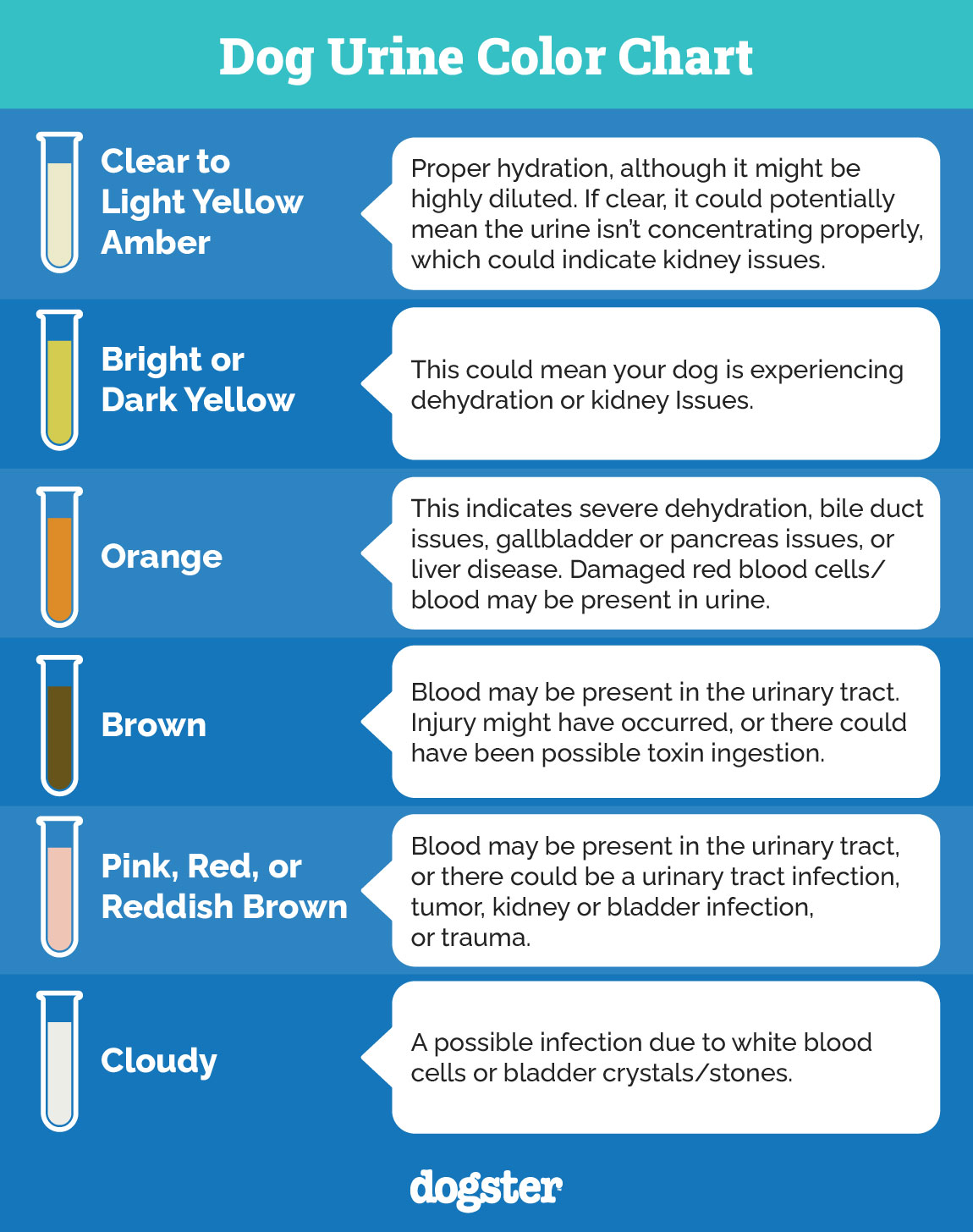
Image Source: www.dogster.com
Interpreting Your Dog’s Pee Color
Your dog’s urine color can tell you a lot about their health. It’s like a quick health check. Normal dog pee is usually yellow. It can range from pale yellow to dark amber. This depends on how much water your dog has drunk.
The Dog Urine Color Guide
Let’s look at what different colors can mean.
- Clear or Colorless: This is the main topic here. It means the urine is very dilute. Your dog is likely drinking a lot of water, or their kidneys are not making the pee strong enough. This can be normal if they just drank a lot after playing hard. But if it happens all the time, it can be a sign of problems.
- Pale Yellow to Amber: This is the normal range. Darker yellow means the pee is more concentrated. Lighter yellow means it’s more dilute. It changes during the day based on when your dog drinks.
- Dark Yellow to Orange: Very concentrated pee. This can happen if your dog is not drinking enough water. It could also mean they are dehydrated. In some cases, orange pee can point to liver or gallbladder problems.
- Brown to Black: This is a serious sign. It might mean there is blood in the urine (but not red), muscle damage, or other severe issues. See a vet right away.
- Red or Pink: This usually means blood in the urine. It can be caused by infections, stones in the bladder or kidneys, injuries, or other serious conditions. See a vet quickly.
- Cloudy: Normal pee should be mostly clear (not colorless, but you can see through it). Cloudy pee might mean there are crystals, white blood cells (infection), or other stuff in the urine.
Always look at the color when you scoop the poop or see your dog pee outside. Note any changes. Changes in dog urine color guide you on whether you need to worry.
Reasons Behind Clear Pee
Why does dog dilute urine causes concern? Clear pee means there is too much water in it. This is often because the dog is taking in lots of water. Or, the body is not holding onto water the way it should. Let’s look at the main reasons.
Polydipsia Polyuria Dogs
Polydipsia means drinking too much. Polyuria means peeing too much. When a dog drinks a lot, they have to pee a lot to get rid of the extra water. This makes the pee clear. So, if your dog is drinking water excessively, their pee will be clear. This is a direct link.
Sometimes, polydipsia and polyuria happen together because of a health problem. The body signals the dog to drink a lot, which leads to peeing a lot. This can be a key sign that something is wrong inside.
Too Much Drinking, Too Much Peeing
Seeing your dog drink more than usual and pee more than usual is a big sign. This pattern of polydipsia polyuria dogs is worth paying attention to. Excessive thirst dog could be just hot weather or hard play. But if it keeps happening without a clear reason, it needs checking out.
What Makes Dogs Drink and Pee a Lot?
Many things can cause increased urination in dogs causes. Some are simple. Some are serious.
Simple Reasons
- Hot Weather: Dogs pant to cool down. They lose water this way. So they drink more. This leads to peeing more. The pee will be clear.
- Hard Exercise: Running and playing a lot makes dogs thirsty. They will drink more water. They will pee more clear pee later.
- Changes in Diet: Eating very dry food can make dogs drink more. Food high in salt can also make them thirsty. Switching to wet food might make them drink less.
- Excitement or Anxiety: Some dogs might drink more when they are stressed or very excited.
These simple reasons usually don’t last long. Once the dog cools down, rests, or gets used to new food, the drinking and peeing go back to normal. But if the dog drinking a lot peeing a lot continues, think about other causes.
Grasping Medical Causes of Clear Pee
Persistent polydipsia and polyuria, leading to dog dilute urine causes, often point to a medical issue. The body is either losing too much water, or a process is telling the dog to drink excessively. These conditions need a vet’s diagnosis and care.
Recognizing Kidney Problems
Kidneys are super important organs. They filter waste from the blood and make urine. They also help balance water and salts in the body. Healthy kidneys make concentrated pee when the dog needs to save water. If kidneys are not working well, they lose this ability. They can’t make the pee strong. They let too much water pass through. This results in a lot of dilute, clear urine.
Symptoms of dog kidney problems symptoms can include:
* Drinking a lot (polydipsia)
* Peeing a lot, often large puddles (polyuria)
* Clear or very pale urine
* Weight loss
* Not wanting to eat
* Throwing up
* Looking tired or weak
* Bad breath that smells like chemicals or pee
Kidney problems can be sudden (acute) or happen slowly over time (chronic). Chronic kidney disease is common in older dogs. Early signs are often just drinking and peeing more. This is why dog drinking a lot peeing a lot should not be ignored, especially in older pets.
Spotting Signs of Diabetes
Diabetes Mellitus is a common disease in dogs. It happens when the body can’t use sugar (glucose) properly. This is usually because there isn’t enough insulin. Insulin is a hormone made by the pancreas. Sugar builds up in the blood.
When there is too much sugar in the blood, the kidneys try to get rid of it. They pull water with the sugar to flush it out. This makes the dog pee a lot. Peeing a lot makes the dog very thirsty. So they drink a lot. This cycle of high blood sugar, peeing a lot, and drinking a lot is a key sign of diabetes.
Symptoms of diabetes in dogs can include:
* Increased thirst (polydipsia) – often extreme excessive thirst dog
* Increased urination (polyuria) – peeing much more often and larger amounts
* Clear or pale urine
* Weight loss, even if eating normally or more
* Increased hunger
* Lack of energy
* Cloudy eyes (cataracts)
* Getting urinary tract infections more easily
Diabetes needs to be managed with insulin shots and diet changes. If not treated, it can cause serious problems.
Cushing’s Disease (Hyperadrenocorticism)
Cushing’s disease happens when the body makes too much of a hormone called cortisol. This hormone is made by the adrenal glands. Too much cortisol affects many body functions. One effect is telling the kidneys to pass more water. This causes increased urination in dogs causes. The dog drinks more to keep up.
Symptoms of Cushing’s disease include:
* Increased thirst and urination (polydipsia/polyuria) – often one of the first signs
* Increased hunger
* Pot-belly appearance
* Thin skin
* Hair loss, often on the body
* Panting more
* Weakness
Cushing’s disease usually affects middle-aged and older dogs. It needs testing to confirm and can be managed with medication.
Diabetes Insipidus
This is less common than Diabetes Mellitus. It is a different disease. It affects the body’s ability to manage water levels. It’s related to a hormone called ADH (Antidiuretic Hormone). ADH tells the kidneys to hold onto water.
- Central Diabetes Insipidus: The brain doesn’t make enough ADH.
- Nephrogenic Diabetes Insipidus: The kidneys don’t respond to ADH properly.
In both types, the kidneys don’t hold water well. They just let it pass through. This causes the dog to produce huge amounts of very dilute, clear urine. The dog drinks constantly to stay hydrated. Polydipsia and polyuria are extreme with this condition.
Symptoms of Diabetes Insipidus are mainly:
* Extreme thirst (polydipsia)
* Extreme urination (polyuria)
* Very dilute, clear urine
Dogs with Diabetes Insipidus drink and pee much more than dogs with Diabetes Mellitus or kidney disease. It’s a specific problem with water balance.
Other Causes of Increased Drinking and Peeing
Several other things can lead to a dog drinking a lot peeing a lot and having clear urine:
- Medications: Some medicines can increase thirst and urination. Examples include steroids (like prednisone) or certain heart medications (like diuretics). If your dog started a new medicine and is drinking/peeing more, tell your vet.
- Liver Disease: Problems with the liver can affect how the body manages waste and water. This can sometimes lead to increased drinking and urination.
- Uterine Infection (Pyometra): This is a serious infection in the uterus of female dogs who have not been spayed. It causes increased thirst and urination, along with other signs like discharge, fever, and lethargy. It is life-threatening and needs emergency surgery.
- Electrolyte Imbalance: Problems with salts like calcium or potassium in the blood can affect kidney function and lead to increased drinking and peeing.
- Psychogenic Polydipsia: This is a behavioral issue. The dog drinks excessively out of habit, boredom, stress, or attention-seeking. Because they drink so much, they pee a lot of dilute urine. There is no underlying medical cause making them thirsty. It’s important to rule out medical issues first.
When Your Vet Should Check
Knowing when to see vet for dog peeing clear urine is crucial. If you notice your dog is drinking and peeing more than usual, and their pee is consistently clear, it’s wise to talk to your vet.
When to Act Quickly
- Sudden, dramatic increase in drinking and peeing.
- Your dog seems sick, weak, is throwing up, or not eating.
- Clear pee along with other worrying signs (weight loss, behavior changes, cloudy eyes).
- Female dog with discharge, drinking a lot, and not spayed (possible pyometra).
When to Schedule a Visit Soon
- Increased drinking and peeing lasts for more than a few days, even without other major sickness signs.
- Your dog’s pee is always clear, no matter the time of day or activity.
- You notice dog drinking a lot peeing a lot becoming a regular pattern.
It’s always better to get it checked out early. Many of the conditions that cause increased thirst and urination are easier to manage if caught early.
What the Vet Might Do
When you take your dog to the vet for excessive thirst dog and clear pee, the vet will ask you questions about what you’ve seen. How much water is your dog drinking? How often are they peeing? Are the puddles bigger? Have you noticed any other changes?
Then, they will do a physical exam on your dog. They will check their weight, listen to their heart and lungs, and feel their belly.
To figure out why your dog has dog dilute urine causes, the vet will likely do some tests.
Common Vet Tests
- Urine Test (Urinalysis): This is very important. The vet will look at the pee under a microscope. They check its concentration (called Specific Gravity). Clear pee has a low Specific Gravity. They also look for sugar, protein, blood, crystals, or signs of infection. A urine culture might be needed to check for bacteria.
- Blood Tests: These tests check organ function (like kidneys and liver), blood sugar levels, and other body chemicals (electrolytes).
- Complete Blood Count (CBC): Checks red and white blood cells.
- Blood Chemistry Panel: Checks organ function, sugar, and electrolytes. This is key for spotting diabetes or kidney issues.
Further Tests
Depending on the first test results, the vet might need more tests:
- Specific tests for Cushing’s disease: Special blood tests might be done to check cortisol levels.
- Specific tests for Diabetes Insipidus: These tests look at how the body handles water.
- Imaging: X-rays or ultrasound might be used to look at the kidneys, bladder, liver, or uterus.
What the Tests Mean
- If the urine is dilute, but blood tests are normal, the vet might look for behavioral reasons or check for early stages of some diseases.
- If blood sugar is high and there’s sugar in the urine, it points to diabetes.
- If kidney values in the blood are high and urine is dilute, it points to kidney disease.
- High calcium or other electrolyte problems can also be seen in blood tests.
The vet puts all the pieces together: what you see at home, the physical exam, and the test results. This helps them make a diagnosis and plan the best treatment for your dog.
Caring for a Dog with Clear Pee Concerns
Once you know why your dog is peeing clear, you can work with your vet on a plan.
- If it’s a simple reason: Like heat or exercise, just make sure your dog has access to fresh water. Monitor them to ensure the drinking and peeing go back to normal.
- If it’s a medical condition: Follow the vet’s treatment plan carefully.
- Diabetes: You will likely need to give insulin shots, manage diet, and monitor blood sugar. Regular vet visits are needed.
- Kidney Disease: Management often includes special kidney diets, medications to help kidney function, and ensuring access to water.
- Cushing’s or Diabetes Insipidus: Medication is usually needed to control the condition.
- Other causes: Treatment depends on the specific problem (e.g., antibiotics for infection, surgery for pyometra, changing medications if a drug is the cause).
Do not limit your dog’s water intake without talking to your vet! If your dog is drinking a lot because their body is losing water or needs to flush something out, limiting water can make them dehydrated and very sick. Always provide fresh water unless your vet tells you otherwise for a specific test.
Living with Polydipsia and Polyuria
If your dog has a condition causing increased drinking and peeing, life will change a bit. You’ll need to manage their access to water and potty breaks.
- Water Access: Always have fresh water available. Use multiple bowls if needed.
- Potty Breaks: Your dog will need to go outside more often, including during the night. Plan for this. You might need to use potty pads inside, especially overnight.
- Monitoring: Keep an eye on their drinking and peeing. Note any changes. This helps you and your vet know if the treatment is working or if the condition is changing.
- Medication: Give all medications exactly as your vet prescribes.
- Diet: Follow any special diet recommendations from your vet.
- Regular Vet Visits: Dogs with these conditions often need regular check-ups and blood/urine tests to monitor their health and adjust treatment.
It can feel like a lot, but with good care, many dogs with these conditions can still have happy lives. Your vet is your partner in managing your dog’s health.
Final Thoughts
Seeing your dog’s pee is clear can be alarming. It’s important to remember that while it can sometimes be harmless (like after lots of play), it’s also a key sign for many serious health problems. Dog dilute urine causes often point to issues that need vet attention. Excessive thirst dog, especially when combined with dog drinking a lot peeing a lot, should prompt you to act. Using a dog urine color guide is a helpful tool, but it doesn’t replace a vet’s diagnosis. Don’t wait if you see persistent increased urination in dogs causes for concern. When to see vet for dog peeing clear pee is whenever you notice the change isn’t temporary or if your dog seems unwell. Early diagnosis and treatment give your dog the best chance for a healthy future.
Frequently Asked Questions (FAQ)
Can my dog’s clear pee just be from drinking too much?
Yes, sometimes. If your dog just finished a lot of exercise or it’s a very hot day, they will drink more water. This extra water makes their pee dilute and clear. But if they drink and pee a lot all the time, for no clear reason, then it’s likely more than just drinking too much water for normal reasons.
Is clear urine always a bad sign?
Not always. If it happens once in a while after heavy drinking, it’s likely fine. But if it’s the normal state of their pee, or if it comes with other signs like weight loss or tiredness, it is a sign that something might be wrong and needs to be checked.
My dog is drinking a lot but peeing less. What does that mean?
This is different from polydipsia/polyuria. If a dog drinks a lot but doesn’t pee much, or seems to strain or be uncomfortable when peeing, it could mean there’s a blockage in the urinary tract or a problem with the bladder. This needs urgent vet care.
Can diet affect my dog’s pee color or how much they pee?
Yes. Food with lots of salt can make dogs thirsty. Eating wet food provides more water, so they might drink less from the bowl. Very dry kibble might make them drink more. These changes can affect pee concentration, but usually don’t cause extreme, constant clear pee linked to serious disease.
What is the normal amount of water a dog should drink?
A general rule is about 1 ounce of water per pound of body weight per day. So, a 50-pound dog might drink around 50 ounces (about 6 cups). This can change a lot based on activity level, weather, and diet (dry vs. wet food). Drinking much more than this can be a sign of a problem. Excessive thirst dog that is much more than this average is worth noting.
My vet checked my dog and said everything is normal, but the pee is still clear sometimes.
If your vet did tests and found no underlying medical cause for dog dilute urine causes, and your dog is otherwise healthy, they might conclude it’s related to behavior (psychogenic polydipsia) or just that your dog is a big drinker naturally. Continue to monitor your dog and let your vet know if new symptoms appear. Always feel free to ask your vet questions until you feel comfortable with the explanation.
Should I collect a urine sample before going to the vet?
Yes, this can be very helpful! Try to collect a sample first thing in the morning. Use a clean container (like an old food container or ladle taped to a stick). Catch the pee midstream if possible. Get it to the vet within an hour or two, or keep it in the fridge for up to a few hours. Tell the vet how and when you collected it. This fresh sample is best for testing.
Can senior dogs just drink and pee more because they’re old?
Older dogs are more likely to develop conditions like kidney disease, diabetes, or Cushing’s disease, which cause increased drinking and peeing. So, while aging itself doesn’t cause this, old age makes the underlying causes more likely. Don’t just assume it’s “old age” without getting a vet check. Dog kidney problems symptoms are common in older dogs, starting with increased thirst and urination.
What does polydipsia polyuria dogs really mean for their health?
It means the body is struggling to keep the right balance of water. This can be a symptom of several diseases that affect the kidneys, hormones, or how the body uses sugar. It’s a signal that something is off and needs a vet to figure out the root cause. It’s not a disease itself, but a sign of one.