
Can a hotel deny a service dog? No, most hotels cannot say no to a service dog. When can hotels refuse service animals? They can only refuse them in very few, special cases. What are emotional support animal hotel rules? These rules are different. Hotels do not have to let emotional support animals stay under the same laws as service dogs. What are Americans with Disabilities Act service animals? These are dogs trained to do tasks for people with disabilities. This article tells you more about service animals and your rights at hotels under ADA service animal laws.
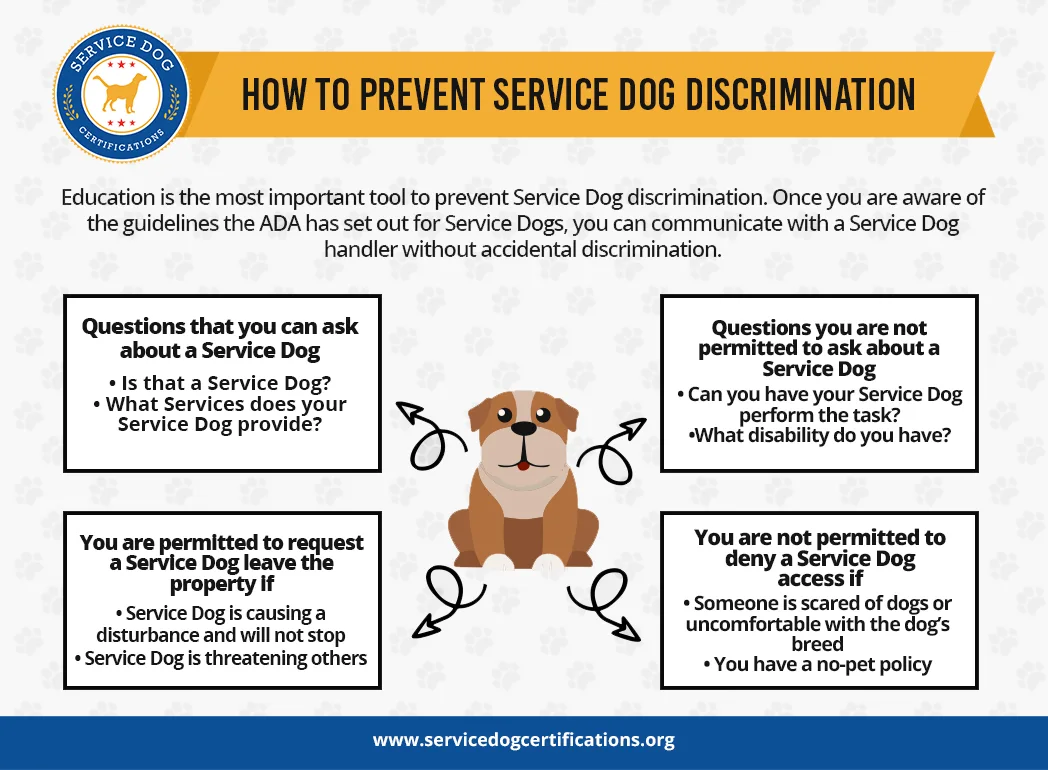
Image Source: www.servicedogcertifications.org
What is a Service Animal?
A service animal is a dog. This dog is specially trained. It does work or tasks for a person with a disability. The work or task must be directly related to the person’s disability.
What kind of tasks do they do?
* Guiding people who cannot see well.
* Alerting people who cannot hear well.
* Helping people in wheelchairs.
* Picking things up for someone.
* Helping a person with a mental health issue stay calm during a panic attack.
* Alerting someone to a medical problem, like low blood sugar.
These are just some examples. The key point is the dog does something active to help the person. This is different from just being there for comfort.
Not All Animals Are Service Animals
The law that talks about service animals in public places is the Americans with Disabilities Act. People call this the ADA. The ADA says only dogs can be service animals. In some cases, miniature horses can also be service animals, but the rules for them are a bit different and hotels may have more reasons to deny them. For dogs, the rules are clear.
The ADA does not cover all animals. It only covers dogs (and sometimes miniature horses) trained for specific tasks. This is where we see the difference between a service dog vs emotional support animal hotel rules.
Your Rights at Hotels
Hotels are places of public accommodation. This means they must follow public accommodation service animal regulations. The main rule is that they must allow service animals to come with their handlers.
Hotels cannot charge extra fees for a service animal. They cannot ask for a deposit just because you have a service animal. The service animal is needed because of a disability. Charging extra would be like charging extra for a wheelchair. It is against the law.
Your service dog can go with you to all areas guests can go. This includes lobbies, dining areas, pools, and guest rooms. The only time a service dog might not be allowed in a specific area is if it would truly change the service provided in that area. But this is very rare in a hotel setting.
The law is clear on this. ADA service animal laws protect your right to have your service dog with you.
What Hotels Must Do
Hotels must welcome you and your service dog. They cannot treat you differently because you have a service animal. They must give you the same service they give other guests.
Here are things hotels must do:
* Allow your service dog in your room.
* Allow your service dog in public areas of the hotel.
* Not charge you extra money for the service dog.
* Not ask you about your disability.
* Not ask for proof your dog is a service animal.
* Not ask your dog to show the task it performs.
These rules come from the Department of Justice service animal guidelines. These guidelines explain what the ADA means for places like hotels.
When a Hotel Can Refuse Entry
There are only a few times a hotel can say no to a service dog. These reasons are very specific. They are about safety or behavior, not about the dog being a dog. Knowing when hotels can refuse service animals is important for both you and the hotel.
Direct Threat to Health or Safety
A hotel can refuse a service dog if the dog is a direct threat to the health or safety of other people. This threat must be real and serious. It cannot be based on fears or stereotypes about dogs.
For example, if a service dog shows clear signs of being aggressive towards guests or staff. This must be more than just barking. It means a real risk of harm. A hotel cannot refuse a dog just because someone might be allergic. They must make changes for both guests if possible.
The threat must be current. It must be based on the dog’s actual behavior, not how other dogs might act.
Out of Control Behavior
A hotel can refuse a service dog if the dog is out of control. And the handler does not take steps to control it. A service dog should be well-behaved in public. Service animal behavior standards say a service dog must be under the handler’s control at all times.
This means:
* The dog should listen to commands.
* The dog should not run freely.
* The dog should not bother other guests.
If the dog is running around, barking a lot, or jumping on people, that could be seen as out of control. The handler must fix this behavior quickly. If the handler cannot or does not, the hotel can ask that the dog be removed. The handler can still stay, just without the dog.
Animal Not Housebroken
A hotel can refuse a service dog if the dog is not housebroken. Housebroken means the dog knows to go to the bathroom outside or in a proper area. Service dogs must be housebroken. This is a basic service animal behavior standard.
If a service dog has accidents inside the hotel, the hotel can ask that the dog be removed. Again, the handler can usually stay without the dog. This rule helps keep the hotel clean and safe for everyone.
It’s important to remember these are the only valid reasons for a hotel to refuse a service dog. A hotel cannot refuse entry based on the dog’s breed, size, or because other guests are afraid of dogs.
Deciphering Hotel Rules
Every hotel has its own hotel service dog policy. But this policy must follow federal law. It cannot take away your rights under the ADA. The hotel’s rules for service dogs must be fair and legal.
Hotels cannot have a rule that says “no dogs allowed.” They must make an exception for service dogs. Their policy should state that service animals are welcome according to the ADA.
Sometimes hotel staff do not know the law well. They might try to apply rules that do not apply to service dogs. Knowing your handler’s rights service dog helps you talk to them.
What Staff Can Ask
Hotel staff can ask you two questions about your service dog. These questions help them know if the dog is a service animal.
The two questions are:
1. Is the dog a service animal required because of a disability?
2. What work or task has the dog been trained to perform?
They can only ask these two things. They cannot ask more questions about your disability.
What Staff Cannot Ask
Hotel staff cannot ask you to show proof that your dog is a service animal. Service animals do not need papers or certificates under the ADA. They cannot ask you to show them the task your dog performs. They cannot ask about your medical history or disability.
They also cannot ask you to pay extra for your service dog. This is a key part of public accommodation service animal regulations.
Extra Fees Are Not Allowed
Let’s say this again because it is very important. Hotels cannot charge pet fees for a service animal. They cannot charge cleaning fees just because you have a service animal.
If your service animal causes damage that goes beyond normal wear and tear, you might have to pay for that damage. This is the same rule for any guest. If a guest breaks a lamp, they pay for it. If a service dog chews the furniture, you pay for it. But this is paying for damage, not paying a fee just for having the dog there.
A hotel service dog policy must state that service animals are exempt from pet fees.
What You Must Do
Having a service dog comes with responsibilities. While you have handler’s rights service dog, you also have duties. You must make sure your service animal is well-behaved and does not disturb others.
Keep Your Dog Under Control
Your service dog must be under your control at all times. This usually means using a leash, harness, or tether. If using a leash or harness is not possible because it stops the dog from doing its work or because of your disability, you must control the dog with your voice or hand signals.
The dog should not run away from you. It should stay near you. It should not jump on people or beg for food. Following service animal behavior standards is key to a good experience for everyone.
Your Dog Must Be Housebroken
We talked about this as a reason for denial. It is also your duty. Your service dog must be housebroken. You need to take your dog outside to go to the bathroom. If your dog has an accident, you must clean it up right away.
Having a housebroken dog is part of being a responsible service animal handler. It respects the hotel property and other guests.
You Pay for Damages
If your service dog damages the hotel room or property, you are responsible for paying for it. This is the same rule as for any other guest. If a guest’s child breaks a vase, the parent pays. If your service dog chews a hole in the carpet, you pay to fix the carpet.
This is different from cleaning up normal pet hair or mess that is easy to clean. Hotels cannot charge a special cleaning fee just for a service dog shedding. But if the dog causes damage, you are responsible.
Rules for Emotional Support Animals
This is a point of confusion for many people. Emotional support animals (ESAs) provide comfort just by being with their owner. They do not perform a specific task related to a person’s disability.
ESAs Are Different from Service Dogs
Under the Americans with Disabilities Act service animals rules, emotional support animals are not considered service animals. This means they do not have the same legal rights to go into public places like hotels.
Emotional support animal hotel rules are different. Hotels are generally not required by the ADA to allow emotional support animals. Some hotels may choose to allow them as part of their regular pet policy. But they are not required to.
This is a big difference in service dog vs emotional support animal hotel rules. A service dog must be allowed because of federal law. An emotional support animal may or may not be allowed, depending on the hotel’s own rules for pets.
If a hotel has a “no pets” policy, they can legally refuse an emotional support animal. They cannot refuse a service animal. This is a critical distinction based on ADA service animal laws.
You cannot just say your emotional support animal is a service animal. That is against the law and hurts the rights of people who truly rely on trained service dogs.
If a Hotel Says No
What should you do if a hotel tries to deny you or your service dog? Stay calm and know your rights.
Know the Reason They Give
Ask the hotel staff why they are refusing you. Their reason must be one of the few valid ones:
* The dog is a direct threat.
* The dog is out of control and you cannot control it.
* The dog is not housebroken.
If they give a different reason, like “no dogs allowed,” “the dog is too big,” “someone here is allergic,” or “you don’t have papers,” those reasons are not legal under the ADA.
Remind Them of Your Rights
Politely explain that your dog is a service animal. Mention that service animals are allowed under the Americans with Disabilities Act. You can mention the two questions they are allowed to ask. Explain that you are not required to provide proof or pay extra fees.
Sometimes, educating the staff is enough. They might not know the specific ADA service animal laws.
If the staff still refuses, ask to speak to a manager. The manager might have more training on the hotel service dog policy and federal law.
Contact the Department of Justice
If the hotel still refuses entry based on a reason that is not allowed by law, you can file a complaint. The Department of Justice (DOJ) enforces the ADA.
You can contact the DOJ. You can tell them what happened. They can investigate the hotel. This process takes time, but it helps protect the rights of others in the future.
You can also look into getting help from a disability rights organization. They can offer advice or legal support.
Important Facts About the Law
Let’s review some key points from the public accommodation service animal regulations and Department of Justice service animal guidelines. These facts protect you and your service dog.
Service Animals Are Allowed
Hotels are places people use. They must allow service animals with people with disabilities. This is not a choice for the hotel owner. It is a requirement under federal law, specifically ADA service animal laws.
No Extra Costs
Hotels cannot charge special fees for service animals. This includes pet fees, cleaning fees, or deposits. You are only responsible for damage caused by the animal, just like any other guest.
Staff Cannot Pet or Play
Hotel staff should not pet or play with your service dog while it is working. This can distract the dog from its job. Guests should also be asked not to distract service dogs. This helps the dog focus on its important work.
Here is a simple table showing the difference between service animals and emotional support animals at hotels:
| Feature | Service Animal (Dog) | Emotional Support Animal (Any animal) |
|---|---|---|
| ADA Protection? | Yes, in public places like hotels | No, generally not covered by ADA for public access |
| Specific Task Trained? | Yes, trained to do work for a disability | No, provides comfort by being present |
| Required at Hotels? | Yes, must be allowed | No, hotels can refuse (if no pet policy) |
| Extra Fees Allowed? | No, cannot charge pet/animal fees | Yes, standard pet fees and rules apply if allowed |
| Proof Required by Law? | No, documentation not required by ADA | No, hotels might ask for documentation if they choose to allow them under pet policy |
Fathoming What Hotels Can Ask
It’s useful to clearly see what questions hotel staff can ask and what they cannot ask about your service animal. This relates to your handler’s rights service dog.
Here is a table summarizing the limits on questioning:
| Question Type | Can Ask? | Example Question | Why? |
|---|---|---|---|
| Is it a service animal for a disability? | Yes | Is this dog a service animal required because you have a disability? | To confirm the dog’s purpose under the ADA |
| What task does it do? | Yes | What work or task has the dog been trained to perform for you? | To confirm the dog is trained for specific work |
| What is your disability? | No | Can you tell me about your disability? | This is private medical information |
| Show me papers? | No | Do you have papers for your service dog? | ADA does not require certification |
| Make the dog show me the task? | No | Can you make your dog show me what it does? | Can be intrusive and is not required |
| Why do you need the dog? | No | Why do you need a service dog? | Asks about the nature of the disability |
Knowing these specific rules helps you respond correctly if asked questions that are not allowed.
Fulfilling Your End: Handler Duties
While hotels must follow public accommodation service animal regulations, you must also follow rules as a service animal handler. These rules help ensure your service dog behaves properly and respects the space shared with others. These are part of upholding service animal behavior standards.
Your responsibilities include:
* Keeping the dog clean: Ensure your dog is clean and free of pests before entering the hotel.
* Controlling barking: Service dogs should not bark often or without a reason (like alerting to a medical issue). Constant barking can be disruptive.
* Preventing damage: Take steps to prevent your dog from chewing furniture, scratching doors, or causing other harm.
* Supervision: Never leave your service animal alone in a hotel room. You must be with your service dog at all times in the hotel, unless the hotel offers a specific, approved service for leaving dogs (which is rare and not required by ADA).
* Waste disposal: Always clean up after your dog immediately and properly dispose of waste outside.
Following these duties helps make your stay smooth and prevents situations where the hotel might have a valid reason to ask your dog to leave. This aligns with your handler’s rights service dog, which come with obligations.
Interpreting Americans with Disabilities Act Service Animals Rules
The rules about Americans with Disabilities Act service animals in hotels are part of broader rules for public places. The goal is to make sure people with disabilities can use public places like everyone else. Service animals make this possible for many people.
The Department of Justice service animal guidelines give hotels and the public clear information. They explain what is allowed and what is not. They reinforce that service animals are working animals, not pets. Their presence is linked to a person’s disability and need.
This is why the law is so strong on service animals. It is about equal access for people with disabilities. Hotel service dog policy must reflect this core idea.
When we talk about ‘when hotels can refuse service animals’, it is crucial to remember these are exceptions. The rule is ‘allow’, the exception is ‘deny under specific conditions’. These conditions are strict and relate to the dog’s behavior or direct threat, not inconvenience or dislike of animals.
Comprehending Emotional Support Animal Hotel Rules More Deeply
The difference between service dogs and emotional support animals under the ADA for public access can be confusing. Many people get documentation or vests for their emotional support animals. But this documentation or vest does not change the animal’s status under ADA service animal laws for hotels.
A doctor’s letter saying you have an emotional support animal does not grant that animal access to hotels under the ADA. It might be helpful if a hotel chooses to allow your ESA under their pet policy. But it doesn’t force a hotel with a “no pets” policy to let the animal stay.
This distinction is very important, especially when discussing emotional support animal hotel rules. While ESAs provide real benefits to their owners, the law treats them differently than service animals trained to perform tasks. The service dog vs emotional support animal hotel debate is settled by the ADA – only service dogs have guaranteed access rights.
Final Thoughts on Your Rights
Knowing your rights is your best tool when traveling with a service dog. You have the right to be accompanied by your service animal in most areas of a hotel. You have the right not to pay extra fees for your service animal. You have the right not to answer intrusive questions about your disability or require your dog to perform its task.
These rights are backed by federal law – the Americans with Disabilities Act. While misunderstandings can happen, politely informing staff about ADA service animal laws and Department of Justice service animal guidelines is often effective. If issues continue, you have ways to seek help and make sure your rights, and the rights of other service animal handlers, are respected. Always aim to follow service animal behavior standards yourself to prevent problems. Your handler’s rights service dog are strong, but using them correctly is key.
FAQ
Q: Can a hotel ask for proof that my dog is a service animal?
A: No, hotels cannot ask for papers, certificates, or any documentation for your service animal. They can only ask two questions: Is the dog a service animal needed because of a disability? What task has the dog been trained to do?
Q: Can a hotel charge me extra money for having a service dog?
A: No, hotels cannot charge extra fees for service animals, such as pet fees or deposits. You might be charged for damages caused by your service animal, but not just for having the animal there.
Q: Can a hotel refuse my service dog because someone has allergies?
A: Generally, no. Allergies or fear of dogs are not legal reasons to refuse a service animal. The hotel must try to find ways to allow both guests, like assigning rooms away from each other.
Q: Can a hotel tell me my service dog is not allowed because of its breed (like a Pit Bull)?
A: No. Hotels cannot refuse a service dog based on its breed. The rules about service animals focus on the dog’s behavior and training, not its breed.
Q: Does my service animal have to wear a vest or tag?
A: No. While many service animals wear vests or tags, the ADA does not require them. A service animal does not need special clothing or identification to be allowed in public places.
Q: Can I leave my service dog alone in the hotel room?
A: No. You must keep your service animal with you and under your control at all times while at the hotel. Service animals should not be left alone in hotel rooms.
Q: My emotional support animal is very well-behaved. Can I bring it to a hotel with a “no pets” policy?
A: Under the ADA, emotional support animals are not considered service animals and do not have the same public access rights. Hotels are generally not required to allow emotional support animals if they do not allow pets.
Q: What counts as “out of control” behavior for a service dog?
A: Examples include constant barking, running away from the handler, jumping on people, or bothering other guests. If this happens and the handler does not correct it, the hotel may have grounds to ask that the dog be removed.
Q: My service dog peed on the lobby floor by accident. Can the hotel kick me out?
A: If it was a one-time accident, you should clean it up immediately. If the dog is otherwise housebroken, this single incident might not be a reason for removal, especially if you correct the behavior and clean up. However, repeated accidents would be an issue, as service dogs must be housebroken. You would be responsible for any cleaning costs if it caused a lasting mess.
Q: Are service dogs allowed in hotel restaurants or pools?
A: Yes, service dogs are generally allowed in any area of a hotel where guests are allowed to be. This includes dining areas, pools (but often not in the water, unless the dog is specifically trained for a water-related task and it’s safe), lobbies, meeting rooms, etc.
This information should help you understand your rights and the rules for service animals at hotels. Traveling with a service dog is a right protected by law. Knowing the rules helps make your trips easier.