
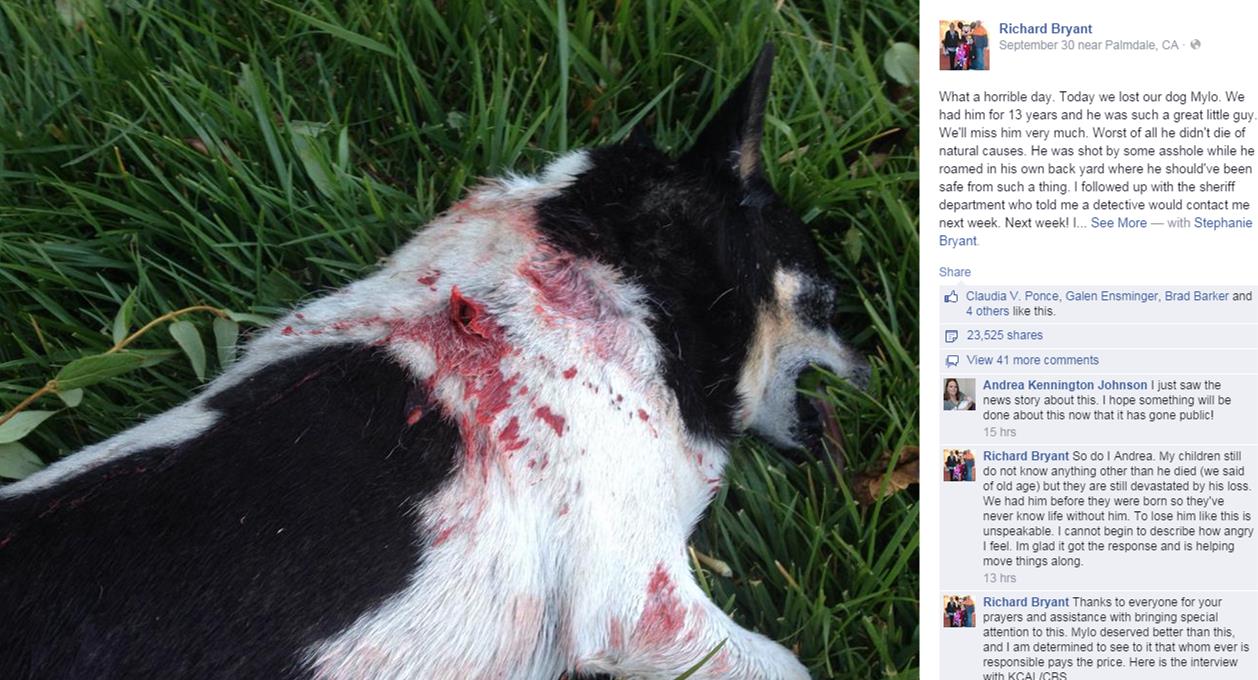
Image Source: theavtimes.com
Can You Shoot A Dog That’s Attacking Your Dog? Rights Explained
When a dog attacks your beloved pet, it’s a terrifying moment. Your immediate reaction is to protect your animal. This can lead to thoughts about using force, even deadly force like shooting, to stop the attack. So, can you shoot a dog that is attacking your dog? In many places, the law may allow you to use necessary force, potentially including deadly force, to stop an animal that is actively attacking your pet, especially if you fear serious injury or death to your pet. However, this depends heavily on specific state and local laws, the exact circumstances, and whether the force used was truly necessary and reasonable.
Grappling with the Law: Pets as Property
To figure out when you can use force against an attacking dog, you need to know how the law sees pets. In most places, pets are seen as personal property. This means harming a pet can be treated like damaging property.
Think about someone trying to smash your car or burn your house. You have legal rights to protect your property. When a dog attacks your dog, the law often views it, in part, as an attack on your property.
This idea of pets as property is key to defending property from dog attack. It forms a basis for why using force might be allowed. However, using deadly force, like shooting, to protect property is usually only allowed in very specific, serious situations.
Legal Frameworks for Animal Incidents
Laws about animals vary a lot. They cover things like:
- Leash laws: Rules about keeping dogs on a leash.
- Dangerous dog laws: Rules for dogs known to be aggressive.
- Animal cruelty laws: Laws against harming animals.
- Self-defense laws: How people can protect themselves.
- Laws about protecting livestock or property.
These different laws can all play a part when one dog attacks another. For example, if the attacking dog was illegally off-leash, it might affect the situation’s legality.
Decoding Self-Defense Laws
When we talk about dog attack self defense law, it’s usually about protecting yourself or another person from a dog attack. Laws often say you can use force, even deadly force, if you reasonably believe a dog is an immediate threat to a person’s life or safety.
But what about using animal self defense legal rights for your pet? This is where it gets more complex. Laws written for human self-defense don’t always directly apply to protecting an animal.
Some places have specific laws that address protecting pets. Others rely on broader laws about protecting property or preventing harm.
Necessity and Proportionality in Using Force
A big part of any self-defense or property defense claim is whether the force used was necessary and proportional.
- Necessity: Did you have to use that level of force to stop the attack? Were there other safe ways to stop it?
- Proportionality: Was the force you used in line with the threat? Using deadly force (like shooting) to stop a minor skirmish between dogs is likely not considered proportional. Using deadly force to stop a brutal attack that could kill your dog might be.
Most laws only allow using deadly force if there is a threat of death or serious harm. Applying this to pets means you would likely need to show that your dog was in danger of being killed or severely injured.
Justifiable Actions in a Dog Attack
The term justifiable force dog attack comes up often in these cases. It means using a level of force that the law permits under the circumstances. This is not a green light to always shoot an attacking dog. It means the specific situation made that action necessary and reasonable in the eyes of the law.
What makes force justifiable?
- The attack must be happening now. You can’t hunt down a dog later.
- The attack must pose a real threat of serious injury or death to your pet.
- You must have reasonably believed the force was needed to stop the serious threat.
- You ideally tried other, less dangerous methods first, if possible and safe to do so.
Running into the middle of a dog fight or trying to physically separate fighting dogs can be very dangerous for a person. Laws often consider the need for a person to stay safe while trying to stop an attack.
Evaluating the Threat
Deciding if an attack justifies deadly force requires a quick judgment. Is the attacking dog:
- Biting hard and not letting go?
- Causing deep wounds?
- Shaking your dog violently?
- Ignoring attempts to scare it off?
A brief scuffle with no injuries is very different from a sustained, brutal attack. The level of threat is key to deciding if force, especially deadly force, was justified.
State Laws on Deadly Force and Animals
This is where things get complicated. State laws deadly force animal vary greatly. Some states have specific laws that say you can kill a dog that is attacking certain animals (often livestock like sheep or cows, but sometimes domestic pets). Other states don’t have such clear laws, and the situation might fall under general property defense rules or even animal cruelty laws, depending on how it’s handled.
Here are some general approaches states might take (remembering that specific details matter):
- Explicit Pet Protection Laws: Some states have laws stating that a person is justified in killing a dog if it is attacking or posing an imminent threat to a domestic animal, including a pet. These laws often require that the attacking dog be off the owner’s property.
- Livestock Protection Laws: Many states have laws allowing the killing of a dog attacking livestock. Sometimes these laws are interpreted to include pets, but often they do not.
- General Property Defense: In states without specific pet laws, shooting an attacking dog might be evaluated under laws about defending property. This is often a higher bar to clear for using deadly force.
- Animal Cruelty Conflict: Killing a dog is an act that could potentially violate animal cruelty laws. If your use of force is not deemed justifiable under self-defense or property defense principles, you could face animal cruelty charges.
Because these laws differ so much, it is crucial to know the laws in your specific state and even your local city or county. What is legal in one place might be illegal just across the border.
Liability for Killing an Attacking Dog
Even if you believe your actions were justified, there can be consequences. Liability killing attacking dog means you could face legal trouble.
The owner of the dog you shot could sue you. They might claim their dog wasn’t actually attacking, or that you used excessive force, or that their dog was provoked. They might seek money for the value of their dog (again, treated as property) and possibly other damages.
Potential Legal Claims Against You
If you shoot and kill a dog attacking your pet, the other dog’s owner could pursue different legal actions:
- Civil Lawsuit: They could sue you for the value of their dog. This falls under property damage in civil court. You would have to defend your actions as justified.
- Criminal Charges: If authorities believe your actions were not justified (e.g., you shot a dog that wasn’t actively attacking, or there was no real threat of serious harm), you could potentially face charges like:
- Illegal discharge of a firearm.
- Animal cruelty.
- Vandalism or property damage (for harming their dog).
Whether you face these depends on the police, animal control, and prosecutors in your area, as well as the details of the incident and local laws.
Using a Firearm to Stop a Dog Fight
The act of using firearm stop dog fight law is especially risky. Guns are deadly weapons. Firing a gun, even at the ground or into the air, carries dangers:
- Missing the target: You could hit your own dog, the other dog’s owner, a bystander, a house, or something else valuable.
- Bullet trajectory: A bullet fired can travel a long way and cause harm far from the scene.
- Local firearm laws: There might be laws against discharging a firearm within city limits, near homes, or in public areas.
- Escalating the situation: Introducing a weapon can turn a dog fight into a human conflict, which is much more dangerous.
Because of these risks, even if shooting the dog itself is legally justified in a narrow sense, the act of firing the gun might be illegal or create additional liability.
Law enforcement often advises against using firearms in animal attacks unless a human life is in immediate danger and no other option exists. Using a firearm to stop a pet-on-pet attack is usually legally murkier and riskier than using it for human self-defense.
Seeking Legal Rights Protecting Your Pet
Many people want to know about legal rights protecting pet attack. While specific self-defense laws for pets might be limited, your rights often stem from:
- Property Laws: Your right to protect your property from damage.
- Nuisance Laws: Laws that prevent dog owners from letting their dogs roam and cause problems for others.
- Negligence: Holding the other dog owner responsible for not controlling their dog.
If your dog is attacked and injured, you generally have the right to seek compensation from the owner of the attacking dog for vet bills and other costs. This is a civil matter. Proving the other owner was negligent (didn’t follow leash laws, knew their dog was dangerous, etc.) is often key.
Shooting the dog is one way to stop the attack, but it doesn’t replace the legal right to seek costs from the owner. In fact, shooting the dog can sometimes complicate or hurt a civil case later if your actions are questioned.
Can You Kill a Dog Attacking Your Pet Law?
To directly address can you kill a dog attacking your pet law, the answer is sometimes yes, but it depends heavily on the location and the specific situation.
In many places, you are legally allowed to use necessary force, including lethal force, to stop a dog that is attacking and causing serious harm or death to your pet.
However, key conditions usually apply:
- The attack must be happening now.
- The attack must pose a serious threat to your pet’s life or cause serious injury.
- Your use of force must be necessary to stop the attack.
- You must be in a location where you are legally allowed to use such force (e.g., not violating firearm discharge laws).
- You must often show that you had no other reasonable option to stop the serious attack.
This isn’t a blanket permission to shoot any dog that looks aggressive or is in a minor fight with your dog. It’s a potential legal defense if you use force, including deadly force, to stop a severe, life-threatening attack on your pet.
Factors Courts Consider
If you end up in court after shooting an attacking dog, here are some things a judge or jury might consider:
- Severity of the Attack: Was your dog just scared or truly in danger of death or severe injury?
- Behavior of Attacking Dog: Was it a sudden, unprovoked attack, or were the dogs playing or fighting less seriously?
- Your Actions: Did you try to stop the fight in other ways first (yelling, physical separation if safe, spraying water)?
- Location of Attack: Did it happen on your property, public land, or the other dog owner’s property?
- Local Laws: What do specific city, county, and state laws say about protecting pets or property?
- Witnesses: Did anyone else see the attack and your response?
- Evidence: Photos or videos of the attack, vet reports on your dog’s injuries.
All these factors build the picture of whether your use of force was justifiable force dog attack.
Considering Alternatives to Deadly Force
Before even thinking about a firearm, consider other ways to stop a dog fight. These methods are often safer and can be just as effective, reducing the risk of legal trouble.
- Make Loud Noise: Yelling, honking a car horn, or using an air horn can sometimes startle dogs enough to break up a fight.
- Physical Barrier: Use a trash can lid, a piece of plywood, or anything available to create a barrier between the dogs.
- Water: A hose or bucket of water dumped on fighting dogs can sometimes separate them. Pepper spray designed for animals is another option, though it must be used carefully.
- Break Sticks: These are specific tools that can help safely separate a dog that has locked its jaw. They require training to use safely.
- Leash or Collar Grab (Use Extreme Caution): If safe and possible, you might try grabbing the rear legs of one dog and pulling backward like a wheelbarrow. This can sometimes disrupt their balance and focus. Warning: This is very dangerous and can lead to you being bitten.
- Call for Help: Dialing 911 or animal control immediately is important. They have training and tools to handle dog fights.
Using a firearm should generally be a last resort when other methods are not possible or have failed, and your pet faces death or severe injury.
Why Alternatives Are Important Legally
Trying alternatives first is important legally. It helps show that using deadly force was necessary. If you immediately resort to shooting without trying other things, it might be harder to argue that the deadly force was truly needed to stop the threat.
Documenting that you tried other methods (even if they failed) can strengthen your case that shooting was the only remaining option to save your pet’s life.
Navigating the Aftermath of Using Force
If you do use force, especially deadly force, to stop a dog attack, the situation doesn’t end there. You need to be prepared for the consequences.
- Ensure Safety: First, get your dog to safety and check for injuries. Seek vet care immediately if needed.
- Contact Authorities: It’s often best to call animal control and possibly the police yourself. Report the attack and your actions. Be calm and state the facts: your dog was attacked, it was severe, you feared for its life, and you used force to stop it because you had no other safe option.
- Gather Evidence: Take photos or videos of the scene, your dog’s injuries, and any damage. Get contact information for any witnesses.
- Do Not Alter the Scene: If possible, leave things as they are until authorities arrive.
- Avoid Confrontation with Other Owner: The other dog owner will likely be upset. Avoid arguments. Let authorities handle the interaction.
- Seek Legal Advice: Contact a lawyer experienced in animal law or self-defense cases as soon as possible. They can advise you on your rights and how to handle interactions with authorities and the other owner.
Your actions immediately after the incident can impact how the situation is handled legally. Being cooperative with authorities while also being mindful of your rights is important.
Defending Property from Dog Attack – A Closer Look
Let’s revisit defending property from dog attack. Since pets are seen as property, an attack on your dog is property damage. However, the rules for using force to protect property are often different than for protecting a person.
Many places limit using deadly force only to protect human life or prevent serious bodily harm, not just to protect property. Some states make an exception for protecting certain valuable animals like livestock, but extending this to pets can be debated.
Where laws do allow force to protect property, it still must meet the necessity and proportionality tests. If a dog is just barking at your fence or digging a small hole, shooting it would almost certainly not be considered justifiable property defense. If a dog is tearing down your fence and trying to get to your dog to kill it, the situation changes, and the use of force might be viewed differently under property defense principles in some jurisdictions.
The key distinction is often whether the attacking dog poses a threat only to your pet (property) or also to you or another person. Actions taken purely to protect property face higher legal scrutiny regarding the use of deadly force.
Shooting Aggressive Dog Legality – Key Takeaways
The shooting aggressive dog legality depends on many factors. Here are the core ideas to remember:
- Laws vary greatly by location. You must know your local laws.
- Using deadly force is usually only allowed if the attack poses a severe threat to your pet’s life or causes serious injury.
- You must often show that your action was necessary to stop the attack and you had no other safe option.
- Pets are usually considered property, but laws on using deadly force to protect property vary and are often stricter than for protecting people.
- You could face civil lawsuits or even criminal charges depending on the circumstances and local laws.
- Trying less lethal ways to stop the fight first is important both for safety and legal justification.
- Calling authorities and seeking legal advice afterward is crucial.
This is a complex area where emotions run high, but the law looks at the specific facts coldly.
Frequently Asked Questions (FAQ)
What should I do first if a dog is attacking my dog?
Prioritize safety. Try to break up the fight using safe methods like loud noise or water. Do not put yourself at risk by getting between fighting dogs with your hands. If you cannot safely stop the attack and your dog is in severe danger, you might consider other force, understanding the legal risks. Call animal control or 911 if needed.
Is it always legal to shoot a dog attacking my pet on my own property?
Not necessarily. While property laws might give you more rights on your own land, using deadly force still usually requires the threat to be severe and your action to be necessary. Local laws on discharging firearms on property also apply.
Could I be charged with animal cruelty if I shoot an attacking dog?
Yes, potentially. If authorities determine that shooting the dog was not legally justified (e.g., the attack wasn’t severe, you used excessive force, or you had other options), they could pursue animal cruelty charges, as killing or injuring an animal can fall under those laws.
Does it matter if the attacking dog has a history of aggression?
Yes, this can matter. If the owner of the attacking dog knew their dog was dangerous and didn’t control it, it strengthens the case that they were negligent. This might help justify your actions in stopping the attack and support a civil claim for your vet bills.
If I injure the attacking dog but don’t kill it, am I still liable?
Yes. Causing injury can also lead to civil lawsuits for vet bills or potentially criminal charges if the force wasn’t deemed justified. The legal principles are similar whether the dog is injured or killed.
What if the attacking dog was on my property illegally (like trespassing)?
Laws often give property owners more rights when dealing with trespassers, including animals. However, even then, the force used must typically still be reasonable and necessary to address a threat. A dog simply being on your property might not justify shooting it unless it’s also posing a threat to people or pets.
Does it make a difference if my dog was also aggressive?
Yes. If your dog initiated the fight or was a mutual participant, it could affect whether your actions were seen as justified self-defense or property defense. The legal argument is strongest when your pet is the victim of an unprovoked, severe attack.
Is this information legal advice?
No. This article provides general information about complex legal concepts that vary significantly by location. Animal laws, self-defense laws, and property laws are specific to each state, county, and city. You should consult with a qualified attorney in your area for advice regarding your specific situation and local laws.