
So, how do you keep your dog entertained while you are at work? You can keep your dog happy and busy while you are away by giving them fun activities, safe toys, comfortable resting spots, and maybe even some company or a mid-day break. Boredom or loneliness can cause stress for dogs. Providing ways to keep their minds and bodies active helps prevent dog boredom while alone. This makes them happier and better behaved when you get home.
Leaving your furry friend alone for many hours each day is part of life for many dog owners. But it’s crucial to make sure this time is not just endured, but also enjoyable or at least calm for your dog. Dogs need things to do. They need to use their brains and bodies. If they don’t, they might find their own ways to stay busy, like chewing up furniture or barking non-stop. Giving them dog enrichment activities is key. This helps them stay happy and out of trouble.
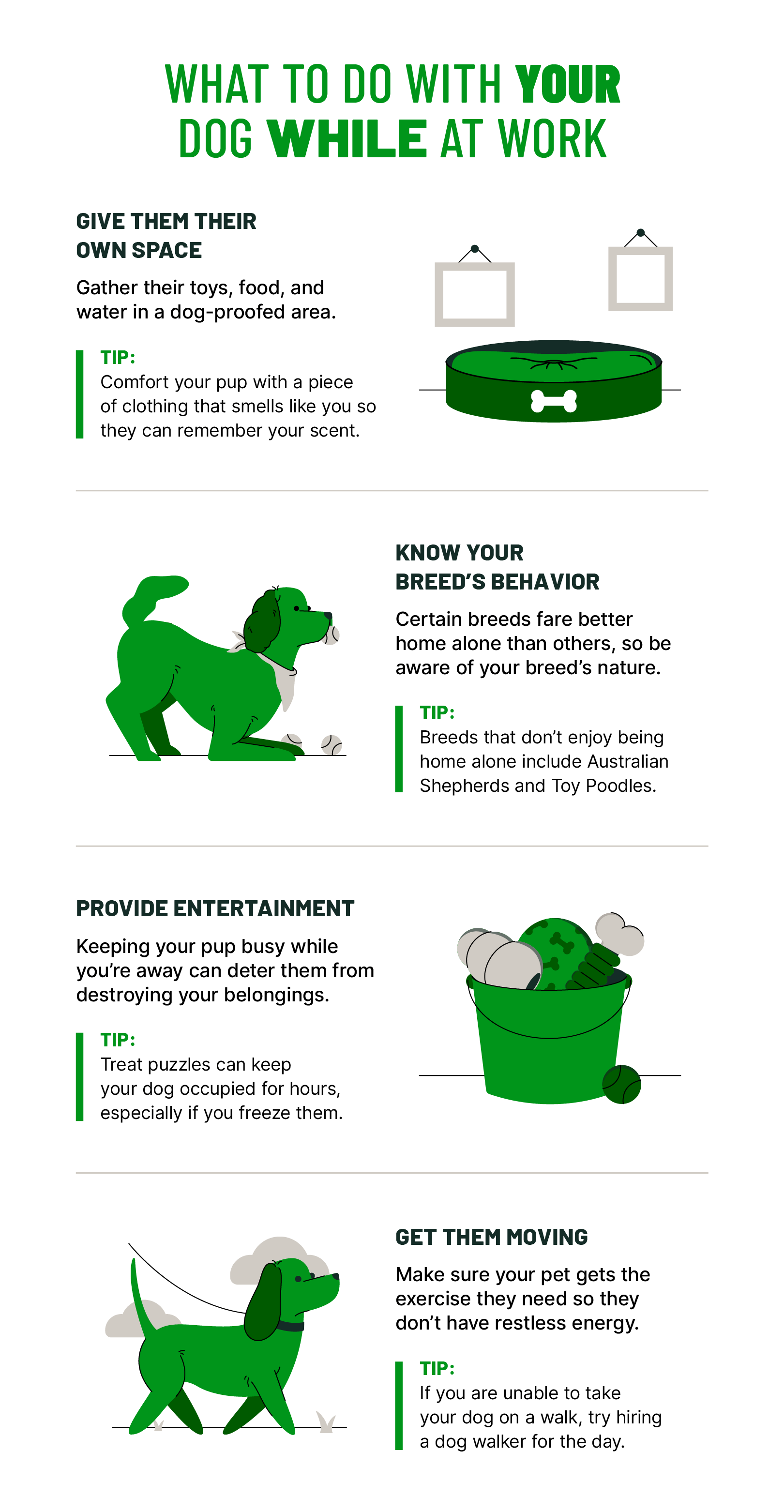
Image Source: www.hippo.com
Why Keeping Your Dog Busy Matters
When dogs are left alone, they can get bored. This is like us having nothing to do all day. Boredom can lead to stress. Stressed or bored dogs often act out.
How Boredom Shows Up
- Chewing things they should not.
- Digging holes in the yard or even inside.
- Barking or howling a lot.
- Pacing back and forth.
- Having accidents inside, even if trained.
- Trying to escape.
These behaviors are not because your dog is “bad.” They are often signs your dog needs more things to do. Giving them fun ways to spend their time helps a lot. It keeps them busy in good ways, not bad ones.
Getting Your Dog Ready for Alone Time
Before you leave your dog for hours, it helps if they are ready for it. This means training them little by little to be okay by themselves. It also means having a good routine.
Teaching Your Dog to Be Calm Alone
You can help your dog learn to be okay when you are not there. This is called training dog to stay home alone. Start small.
- Leave the room for just a minute or two. Come back before your dog gets worried.
- Slowly increase the time you are gone.
- Do not make a big fuss when you leave or come back. This shows your dog that it’s not a big deal.
- Give them a special toy or treat right before you leave. Take it away when you get back. They will look forward to you leaving because they get the special item.
This training takes time. Be patient. It helps them feel safe and secure when you are not around.
Setting a Daily Plan
Dogs like knowing what will happen. A routine helps them feel safe.
- Morning walk: A good walk before you leave can help burn off energy. A tired dog is often a calm dog.
- Feeding time: Feed them at the same time each morning.
- Play time: A quick play session before you go can also help.
- Potty break: Make sure they go to the bathroom right before you leave.
- Leaving routine: Do the same things each time you leave (grab keys, put on coat). Dogs learn these signals. They know what to expect.
Having a clear routine makes being alone less stressful. They know you will come back after a certain series of events happen.
Giving Their Brain a Workout
Dogs need more than just physical activity. They need to use their brains too. This is called mental stimulation for dogs indoors. It can actually tire them out just as much as running around!
Puzzle Toys and Games
These toys make your dog work to get food or treats out. They are great for dog puzzles for busy owners. They keep dogs busy and focused for a long time.
- Treat balls: You put kibble or treats inside. Your dog rolls or noses the ball to get the food to fall out. This turns mealtime into a game.
- Dispensing toys: These are toys you stuff with food or treats. Your dog licks, chews, or bats at the toy to get the food out. Examples include Kongs or similar products.
- Slider puzzles: These have little doors or pieces your dog has to move with their nose or paw to find hidden treats.
Using these toys can make the hours fly by for your dog. They are solving a problem, which is rewarding for them. Start with easier puzzles and move to harder ones as your dog gets better at them.
Hiding Treats
Make a simple game of hide-and-seek with treats.
- While your dog is in another room or not looking, hide a few small treats around the main living area.
- Make sure they are in safe, easy-to-find spots at first.
- Let your dog in and tell them to “find it!”
This uses their amazing sense of smell. It’s a great way to give them mental stimulation for dogs indoors. You can hide treats in different spots each day to keep it new and exciting.
Scent Games
You can also hide their kibble instead of putting it in a bowl. Scatter their food around a safe room or hide it in a few easy spots. This makes them use their nose to find their meal. It’s a simple way to add dog enrichment activities to their day.
The Right Toys Make a Difference
Not all dog toys are good for leaving with your dog unsupervised. Some can be dangerous if they break apart. You need safe, fun options. Best interactive dog toys and long lasting dog chews are great choices.
Interactive Toys
These toys often move or make noise, or need your dog to figure something out.
- Wobble or treat-dispensing toys: As mentioned earlier, these are excellent. They combine play with getting food. They are some of the
best interactive dog toys. - Automatic ball launchers: Some high-tech toys can launch a ball for your dog. This might be better for dogs left in a yard or a large, safe indoor space, and always need careful watching at first.
- Remote cameras with treat dispensers: You can check on your dog using an app. Some cameras let you talk to your dog or even toss them a treat. This is a way to interact with your dog even when you are not home.
Make sure the interactive toys are durable and cannot be easily broken into small pieces your dog could swallow.
Safe Chew Toys
Chewing is a natural thing for dogs. It helps them relax and keeps their teeth clean. Giving them the right things to chew on is important, especially when they are alone. Long lasting dog chews are perfect for this.
- Bully sticks: These are fully digestible and can keep a dog busy for a good amount of time. Pick the right size for your dog.
- Yak chews: Made from hardened milk, these are very tough and last a long time. They soften as the dog chews them.
- Natural bones (properly prepared): Some bones are safe, but always check with your vet about which types and sizes are okay. Avoid cooked bones as they can splinter.
- Durable rubber or nylon chews: Brands like Nylabone or Benebone make chews designed to last. Make sure to choose one that is the right hardness for your dog’s chewing style. Too hard can hurt teeth, too soft won’t last.
Avoid rawhide, pigs’ ears, or small, brittle chews that can break off in large chunks and be swallowed whole. Always give new chews when you can watch your dog first to make sure they are safe.
Mid-Day Breaks and Physical Activity
Even with great toys and puzzles, most dogs need a break during a long day. This is where getting someone to help or finding other options comes in.
Hiring a Dog Walker
A dog walker can come to your home during the day. They can take your dog for a walk, play with them in the yard, and give them a potty break. Hiring a dog walker is a great way to break up the day for your dog.
- Physical exercise: A walk lets your dog burn off energy.
- Potty break: This prevents accidents and is more comfortable for your dog.
- Social interaction: Even a walk with just the walker provides some company.
- Exploring the world: Smelling new things on a walk is fantastic
mental stimulation for dogs indoorsand out!
Look for a reliable, insured dog walker. Get references. Have them meet your dog before their first solo visit. A mid-day walk makes a big difference in preventing dog boredom while alone and keeping your dog happy.
Letting Them Out
If you have a secure yard and a dog door, this can be an option for potty breaks. However, leaving a dog unsupervised in a yard all day might not be enough activity or stimulation. They can still get bored or lonely. It also comes with risks like escape or theft.
Looking at Outside Options
Sometimes, leaving your dog home alone is not the best fit for their needs, or you need extra help.
Benefits of Dog Daycare
Dog daycare is like school or camp for dogs. You drop them off in the morning, and they spend the day playing with other dogs and people. There are many benefits of dog daycare.
- Lots of exercise: Dogs play and run around most of the day.
- Socialization: They learn how to get along with different dogs and people.
- Mental stimulation: New sights, sounds, and interactions keep their brains busy.
- Supervision: Trained staff watch the dogs to keep them safe.
- Tired dog at night: After a day at daycare, your dog will likely be happy and tired at home.
Daycare is not right for every dog. Some dogs prefer being alone or do not do well with groups of dogs. But for social, active dogs, the benefits of dog daycare are huge for preventing dog boredom while alone. Visit a few daycares to see how they are run. Look for clean, safe places with attentive staff and good rules for the dogs.
Pet Sitters
A pet sitter can stay at your home with your dog for a few hours or even the whole day. This is a good option if your dog does not like other dogs but still needs company. A sitter can follow your dog’s usual routine, including walks, feeding, and playtime.
Helping Dogs Who Get Worried
Some dogs don’t just get bored; they get very anxious when left alone. This is called separation anxiety. Managing dog separation anxiety needs a different approach than just preventing boredom.
Signs of Separation Anxiety
- Excessive barking, howling, or crying when alone.
- Destructive chewing, especially around doors or windows where they try to follow you.
- Pacing or panting excessively.
- Having accidents indoors even for short periods.
- Trying to block you from leaving.
Steps for Managing Separation Anxiety
This is a bigger issue than boredom and often needs help from a professional.
- Talk to your vet: Rule out any medical problems that could cause the behavior.
- Work with a dog trainer or behaviorist: They can create a plan to help your dog feel safe alone. This often involves slowly getting your dog used to you leaving for very short times.
- Do not punish: Punishing anxiety behaviors makes them worse.
- Create a safe space: A comfortable crate or a specific room can be a den for your dog.
- Use calming aids: Your vet or trainer might suggest things like calming treats, diffusers (like Feliway for cats, but Adaptil for dogs), or even medication in severe cases.
- Avoid triggers: Do not make a big deal when you leave or come home.
- Provide
long lasting dog chewsor puzzle toys ONLY when you leave: Your dog starts to connect you leaving with something good.
Managing dog separation anxiety takes time and patience. It’s about helping your dog feel confident and safe when you are not there, not just giving them things to do. Dog enrichment activities can help, but they are usually not enough on their own for true anxiety.
Making Their Space Comfy and Safe
The area where your dog stays while you are at work should be safe and comfortable.
Dog-Proofing Your Home
Look around the area where your dog stays.
- Remove anything they could chew that is valuable or dangerous (electrical cords, toxic plants, remote controls).
- Put away things you don’t want chewed (shoes, books).
- Make sure trash cans are secure.
- Close doors to rooms you do not want them in.
Creating a safe zone means you do not have to worry as much, and your dog is less likely to get into trouble or harm.
Creating a Relaxing Spot
Your dog needs a place to rest and feel secure.
- A comfy dog bed.
- Their crate, if they are crate trained and like it. Cover it with a blanket to make it den-like.
- An old blanket or shirt that smells like you.
- Some fresh water easily available.
Knowing they have a safe, cozy spot helps them relax while you are gone.
Checking In On Them
Technology can help you see how your dog is doing during the day.
Using Pet Cameras
Pet cameras let you watch your dog on your phone or computer.
- See what they are doing. Are they sleeping? Pacing? Chewing?
- Some cameras let you talk to your dog. Your voice might calm them down.
- Some even let you toss a treat.
- Cameras can help you figure out if your dog is bored, anxious, or just sleeping the day away. This info can help you decide which strategies work best for your dog.
Using a camera is a good way to learn about your dog’s behavior when you are not home. This knowledge is key to providing the right dog enrichment activities and support.
Putting It All Together
Keeping your dog entertained and happy while you are at work is a mix of different things.
- Training: Teach them to be okay alone.
- Routine: A predictable schedule helps them feel secure.
- Mental Games: Use
dog puzzles for busy ownersand hide treats formental stimulation for dogs indoors. - Safe Toys: Provide
best interactive dog toysandlong lasting dog chews. - Breaks:
Hiring a dog walkeror using a dog door for potty breaks. - Company: Consider the
benefits of dog daycareor a pet sitter. - Manage Anxiety: Get professional help for
managing dog separation anxiety. - Safe Space: Make sure their area is dog-proofed and comfortable.
It’s not about doing just one thing. It’s about using a few strategies that work best for your individual dog. Every dog is different. Some need more physical play, others need more brain games, and some just need to feel safe and not lonely.
Start with a few simple things. See how your dog does. If they are still getting into trouble or seem stressed, try adding more activities or getting some help. The goal is for them to feel safe, happy, and not bored while you are away. This helps them be a calm, happy companion when you are home. Being proactive with dog enrichment activities and planning helps prevent dog boredom while alone and builds a stronger bond between you and your dog.
Summary of Strategies
Here is a quick look at ways to keep your dog busy:
| Strategy | What it is | Key Benefit | Good for |
|---|---|---|---|
| Puzzle Toys | Toys that dispense food when manipulated | Mental stimulation for dogs indoors, keeps busy | Food-motivated dogs, all breeds |
| Hiding Treats/Food | Making dogs use their nose to find food/treats | Dog enrichment activities, uses natural skills | Most dogs, easy and cheap |
| Long-Lasting Chews | Safe, durable items for chewing | Calming, satisfies natural urge, lasts long | Chewy dogs, helps prevent dog boredom while alone |
| Interactive Toys (Auto) | Toys that move, dispense, or respond automatically | Engages dog when you can’t | Dogs who like movement, requires supervision initially |
| Dog Walker | Person takes dog out mid-day | Potty break, exercise, social interaction | Most dogs, provides break in routine |
| Dog Daycare | Full day playing with other dogs/people | Lots of exercise & mental stimulation, social | Social dogs with energy, helps prevent dog boredom while alone |
| Pet Sitter | Person stays with dog in your home | Company, follows routine, individual attention | Dogs who prefer people over dogs, sensitive dogs |
| Safe Space/Dog-Proofing | Setting up a secure, comfy area | Safety, reduces stress, prevents damage | All dogs, foundation for alone time |
| Camera Monitoring | Watching dog remotely | Learn dog’s behavior, check for issues | All owners, provides peace of mind |
| Anxiety Training | Slow steps to build comfort with being alone | Helps managing dog separation anxiety | Dogs with anxiety, requires professional help |
Making your dog’s alone time good time is an ongoing process. Keep trying different things. Watch your dog. Learn what they like and what helps them feel best when you can’t be there.
Frequently Asked Questions (FAQ)
Q: How long can I safely leave my dog alone?
A: This depends a lot on your dog’s age, breed, training, and energy level. Adult dogs with proper training and exercise might handle 6-8 hours, but this is often the maximum. Puppies and senior dogs need more frequent potty breaks and attention. It’s always better to aim for less time alone or provide breaks and activities to make longer periods easier.
Q: What if my dog destroys everything when I leave?
A: This is a common sign of boredom, lack of mental stimulation, or potentially separation anxiety. First, rule out anxiety (see the section on managing dog separation anxiety). If it’s likely boredom, focus on increasing exercise before you leave, providing high-value long lasting dog chews or dog puzzles for busy owners right before you go, and ensuring they have had a recent potty break. Make their space safe by dog-proofing. If behavior doesn’t improve, consider a trainer or behaviorist.
Q: Are interactive toys worth the cost?
A: Yes, many best interactive dog toys are very worth it because they provide valuable mental stimulation for dogs indoors and can keep your dog busy for extended periods. They make your dog work for rewards, which is much more engaging than a standard chew toy. Look for durable options and introduce them correctly.
Q: How can I tell if my dog is bored versus anxious?
A: Boredom often looks like mischief: chewing non-toys, getting into trash, maybe some barking. Anxiety behaviors are often more distressed: howling/crying, frantic attempts to escape (damaging doors/windows), excessive panting or pacing, house soiling even after a recent potty break, and these behaviors start immediately when you leave and continue until you return. A pet camera can help you see the difference. If you suspect anxiety, consult a professional.
Q: Is dog daycare only for puppies?
A: No, dog daycare is great for many adult dogs too! If your adult dog has energy to burn, enjoys playing with other dogs, and is well-socialized, they can greatly benefit from the exercise and dog enrichment activities provided at daycare. It’s a fantastic way to prevent dog boredom while alone for social dogs.
Q: How do I choose a good dog walker or pet sitter?
A: Ask friends or neighbors for recommendations. Look for someone who is insured and bonded. Meet them with your dog beforehand to see how they interact. Ask for references and call them. A good walker/sitter will ask detailed questions about your dog’s habits, needs, and any health issues. Trust your gut feeling.
Q: Can training really help a dog stay home alone calmly?
A: Absolutely! Training dog to stay home alone is crucial, especially for puppies or dogs new to your home. It’s about slowly building up their comfort level with your absence. This might involve practicing short departures, pairing departures with good things (like a special chew), and not making arrivals/departures dramatic. It’s a key part of managing dog separation anxiety if that’s an issue, or simply building confidence for any dog.
Q: What are some cheap ways to provide mental stimulation?
A: You don’t need expensive gadgets! Hiding your dog’s regular kibble around a room for them to find is free mental stimulation for dogs indoors. Using an old towel to play “find the treat” (roll treats up in the towel) is another simple puzzle. Rotating toys helps keep things new and exciting. Making long lasting dog chews like frozen stuffed Kongs (stuffed with kibble and peanut butter, then frozen) is also very low cost compared to buying many different toys.
Q: How do I make sure the toys I leave are safe?
A: Always choose toys that are the right size and toughness for your dog’s breed and chewing strength. Toys should be made from non-toxic materials. Avoid toys with small parts that can be chewed off and swallowed (eyes, squeakers that come out easily). If a toy starts to break apart, take it away. For long lasting dog chews, ensure they are digestible and pose no choking risk. When in doubt, ask your vet for recommendations on safe toys and chews for your dog.