
Training your dog to track deer is a rewarding skill. It helps recover game and builds a strong bond between you and your dog. Can any dog track deer? While some breeds are naturally better, many dogs with a good nose and drive can learn. It takes time, patience, and step-by-step training. This guide shows you how to train a dog to track deer using simple, effective methods. You will learn about scent training dogs, blood trailing dog training, and what it takes to have a good deer recovery dog.
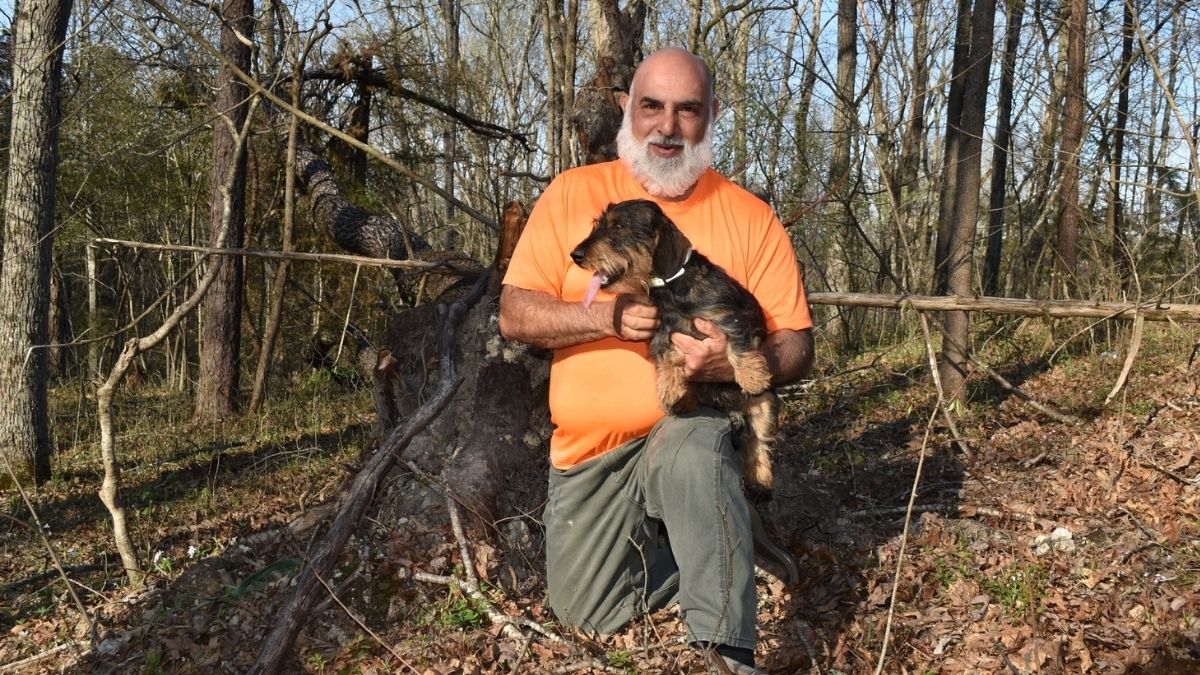
Image Source: dwr.virginia.gov
Why Train Your Dog to Track Deer?
There are many good reasons to train your dog for tracking deer.
* Find Lost Game: A trained tracking dog helps find deer that run off after a shot. This means fewer lost animals. It’s part of ethical hunting.
* Save Time: Finding a deer quickly saves hours of searching.
* Build a Bond: Working together on a track makes your connection with your dog stronger.
* Give Your Dog a Job: Many dogs love scent work. It uses their natural skills. It keeps them happy and busy.
* Legal Requirement: In some places, using a trained dog is the best way to find lost game legally.
Choosing the Right Dog
Some dogs are born trackers. They have a great nose and lots of drive. Certain tracking dog breeds are known for this work.
Top Tracking Dog Breeds
These breeds often do well in blood trailing dog training.
* Bloodhound: Known for an amazing nose. They are calm but determined trackers.
* Bavarian Mountain Hound: Bred for tracking wounded game in rough places. They are focused.
* Hanoverian Hound: Similar to the Bavarian. They are strong and steady trackers.
* Dachshund: Yes, the small ones! They were first bred to track badgers but are great on blood trails too. They are bold and persistent.
* Beagle: Great nose and love to follow scents. They are energetic.
* Labrador Retriever: Popular hunting dogs. Many have good noses and are eager to please. They can learn scent work for dogs well.
* Coonhounds (like Bluetick, Black and Tan, Redbone): Bred to follow scent trails for long distances. They are tough.
But remember, breed is just a start. Any dog with a good nose and desire can learn. A mix-breed dog might be perfect for becoming a deer recovery dog. What matters most is the dog’s nature and your effort in training a hunting dog.
Starting with the Basics: Dog Obedience for Tracking
Before you start scent work, your dog needs basic obedience. This is very important.
* Sit: Your dog should sit when you ask.
* Stay: Your dog must stay put until you say it’s okay to move.
* Come: Your dog must come to you right away when called.
* Heel: Walking calmly beside you is helpful, especially when going to the start of a track.
* Quiet: You don’t want your dog barking loudly on the track.
Why is this basic dog obedience for tracking so key?
* Control: You need control over your dog, especially in the woods.
* Focus: Basic commands help your dog focus on you. This helps them focus on the scent later.
* Safety: A dog that listens is safer for everyone.
Work on these simple commands until your dog is reliable. Use positive rewards like treats and praise. Keep training sessions short and fun.
Getting the Dog Used to Deer Scent
This is where scent training dogs begins. Your dog needs to know what deer smell like. Use real deer parts if you can.
* Deer Hide: A piece of deer hide is good.
* Deer Hooves: These hold scent well.
* Deer Blood: Using deer blood for training is very common and effective.
Simple Scent Games
- Introduce the Scent: Let your dog sniff a piece of deer hide or a hoof. Praise them quietly when they show interest. Don’t make a big deal of it yet.
- Scent Hide and Seek:
- Hold the scent item (like a hoof or hide) while your dog watches.
- Have a friend hold your dog back a short distance away (5-10 yards).
- Walk away and hide the scent item just out of sight. Keep it simple at first. Place it behind a small bush or log.
- Go back to your dog. Tell them to “Find the scent!” or “Track!” or “Deer!” Use the word you plan to use for tracking.
- Let the dog go. Encourage them to sniff around.
- When they find the item, give huge praise and a reward. Make it a party!
- Gradually Make it Harder:
- Hide the item further away.
- Hide it better (under leaves, etc.).
- Put the item down without the dog watching you. This means they only use their nose, not their eyes.
- Rub the scent item on the ground for a short way before hiding it. This makes a small scent trail.
These games teach your dog that this special smell leads to a reward. It builds their desire to follow the scent. This is the base for blood trailing dog training.
Laying Your First Practice Trails
Now it’s time to make short, easy trails. This is the start of following a blood trail dog training. You will need some things.
* Deer Blood: Fresh or frozen thawed blood works. Get it from a hunter or butcher. Keep it clean.
* Applicator: A plastic squeeze bottle or a cotton ball on a stick works well.
* Rewards: High-value treats the dog loves.
* Tracking Lead and Harness: A long lead (15-30 feet) and a comfortable harness. A harness is better than a collar for tracking. It puts pressure on the chest, not the neck. This lets the dog pull comfortably and breathe freely. It also helps you feel what the dog is doing.
Steps for Laying a Simple Trail
- Choose a Spot: Find a quiet area with short grass or open ground. An open field is good for starters.
- The Start (The “Hit” Site): Put a good amount of blood on the ground where you begin. Make a clear starting point. Place a small marker here you can see easily later (like a bright piece of tape or flag).
- Lay the Trail: Drip or dab blood on the ground as you walk away from the start. Make a simple, straight line trail.
- Keep the trail short, maybe 20-30 yards for the very first time.
- Put blood drops every foot or two. Make it very clear.
- Walk normally. Try not to step right on the blood line too much.
- At the end of the trail, place a reward. This could be a piece of deer meat, the deer hoof, or a favorite toy along with some treats. Put a marker here too.
- Let the Scent Settle: Wait a little while. 20-30 minutes is good for early trails. This lets the scent settle on the ground. It also makes the visual trail less obvious, forcing the dog to use their nose.
- Get Your Dog Ready: Put the tracking lead and harness on your dog. Use the tracking lead only for tracking. This helps the dog know it’s time to work.
- Go to the Start: Bring your dog to the start point (the “hit” site). Point to the blood and give your tracking command (“Track!” or “Deer!”).
- Let the Dog Work: Let your dog sniff the start. Don’t pull them along. Let them figure it out. Keep the long lead loose. Let them move ahead of you.
- Follow Your Dog: Walk behind your dog, holding the end of the tracking lead. Don’t guide them. Watch what they do. When they have their nose down and are following the scent, they are doing it right!
- Finding the Reward: When the dog finds the end of the trail and the reward, make a huge deal! Praise them, let them have the reward. This positive finish is vital.
Key Points for Early Trails
- Keep it Fun: Always end on a high note. Don’t drill the dog until they are tired or bored.
- Short and Easy: Make sure the dog is successful. This builds their confidence.
- Watch the Dog: Pay attention to how your dog is using their nose. Are they focused? Are they wandering?
- Use the Wind: On windy days, lay trails so the wind blows across the trail, not directly at the dog from the end. This makes the dog work harder to follow the line, not just sniff the end reward from far away.
Making Trails Longer and Harder
Once your dog is following short, straight trails well, it’s time to add difficulty. This is how blood trailing dog training gets more realistic.
Adding Distance and Age
- Increase Length: Slowly make trails longer. Go from 50 yards to 100, then 200, and so on. Don’t add too much length at once.
- Increase Age: Let the trail sit longer before running the dog. Start with 1-2 hours, then 4-6 hours, then overnight. Older trails are harder because the scent fades and spreads.
- Less Blood: Gradually use less blood on the trail. Make the drops further apart. Eventually, you will use very little blood, just enough to mark the path for the dog’s nose.
Adding Turns and Changes in Direction
Real deer trails don’t go in straight lines. Add turns.
* Simple Turns: Start with 90-degree turns. Lay the trail straight for a bit, make a clear turn, then go straight again. Put a little extra blood right at the corner.
* Multiple Turns: Add more turns as the dog improves.
* Angles: Use different angles, not just 90 degrees.
Adding Distractions
Nature has many smells. Your dog needs to stay focused on the deer scent.
* Animal Scents: Lay trails near where other animals might have walked (squirrels, rabbits, other deer).
* Human Scents: Have other people walk near, but not on, your trail before the dog tracks it.
* Different Surfaces: Lay trails across different ground types: grass, dirt, leaves, gravel, even pavement for short stretches if needed (though deer rarely run on pavement for long).
Using Different Terrain
Move your training to different places.
* Woods: Trees block wind and visual cues.
* Fields: Open areas test scent following without cover.
* Hills/Slopes: Scent acts differently on slopes.
* Wet Areas/Swamps: Water can change scent greatly.
Each new challenge helps your dog become a better deer recovery dog.
Comprehending How Dogs Track Scent
How do dogs actually follow a scent trail? It’s amazing!
* Nose Power: Dogs have millions more scent receptors than humans. Their sense of smell is thousands of times better.
* Stereo Smell: They can smell with each nostril separately. This helps them figure out the direction the scent is coming from.
* Scent Cone: Scent particles lift and spread from the ground. They form a cone shape. The dog works back and forth across this cone to find the strongest point, which is usually the trail line.
* Ground vs. Air Scent: Some dogs track with their nose right on the ground (ground trackers). Others carry their head higher, sniffing the air for floating scent particles (air scenters). Most blood trailing dogs use a mix, reading the ground scent primarily but using air scent to stay oriented or find a trail that lifts off the ground.
When you see your dog working, they are likely weaving slightly, moving their nose left and right across where they think the trail is. This is normal tracking behavior.
Equipping Your Dog for Tracking
Having the right gear helps both you and your dog.
* Tracking Lead and Harness: This is crucial. As mentioned, a long lead (15-30 feet) lets the dog work freely ahead of you. A harness designed for tracking spreads pressure and is more comfortable for the dog to pull into. It should fit well and not rub.
* Tracking Collar (Optional): Some handlers use a brightly colored collar along with the harness for visibility.
* GPS Collar (Recommended for Real Tracks): Once tracking real deer, a GPS collar is a smart safety tool. If your dog gets separated from you, you can find them.
* Blood: Fresh blood is best. You can get it from a hunter after a successful hunt. Store it in an airtight container in the fridge for a few days or freeze it for later. Thaw it before use.
* Applicator: A plastic squirt bottle or dropper for laying blood trails.
* Markers: Small flags or tape to mark the start, end, and maybe turns of practice trails.
* Rewards: High-value treats, toys, or a piece of deer meat for the end of the track.
Common Problems and How to Fix Them
Training a hunting dog, especially for tracking, has its challenges.
* Dog Pulling Too Hard: This usually means they are excited or confused. Slow down the training. Make trails easier again. Ensure the harness fits right. Don’t rush them. Let them lead, but you control the speed by how fast you walk behind them.
* Dog Not Showing Interest: Is the scent strong enough? Are the rewards high value? Is the dog tired or distracted? Try training at a different time of day. Make the trail very easy with lots of scent and a great reward. Ensure the dog is hungry and eager to work.
* Dog Wandering Off Trail: The trail might be too old, too long, or not enough scent. Go back to easier trails. Make the start point very clear. When the dog leaves the scent, gently guide them back towards the last place you know they were on the trail. Don’t punish them, just redirect. They need to learn that staying on the scent is how they get the reward. This is a key part of following a blood trail dog training.
* Dog Air Scenting Too Much: Some dogs naturally lift their heads to sniff the air. While some air scenting is okay, for blood trailing, you want them to mostly follow the ground scent. Lay trails in areas where air scenting is harder (thicker woods, high humidity). Make sure there is enough ground scent for them to follow. Reward heavily when their nose is on the ground and they are tracking correctly.
* Dog Giving Up: The trail might be too hard, the dog is tired, or they aren’t motivated enough. End the session. Make the next trail much easier and shorter with a super high-value reward. Always try to end on a success.
* Dog Eating Blood on Trail: Some dogs try to lick up the blood. This is okay early on, as it connects them to the scent. But eventually, you want them tracking the scent of the blood, not just cleaning it up. Use less blood over time. Reward the find at the end, not the licking along the way. If it’s a major problem, use a tiny bit of bitter apple spray mixed in the blood early in training, but be careful not to make the scent itself unpleasant. Focusing on the end reward is usually enough to fix this.
Training Schedule and Progress
There’s no exact timeline for training a deer recovery dog. It depends on the dog and how often you train.
* Frequency: Aim for 2-4 training sessions per week. Shorter, more frequent sessions are better than long, rare ones.
* Session Length: Start with 10-15 minutes. As trails get longer, sessions will naturally get longer (up to 30-60 minutes or more).
* Progress Slowly: Don’t rush to make trails harder. Your dog needs to succeed at each level before moving on.
* Watch Your Dog: Their progress tells you when to move on. Are they confident? Are they finding the end reward easily?
A possible path:
* Weeks 1-2: Basic obedience check, scent introduction games.
* Weeks 3-5: Short (20-50 yd) straight trails, fresh blood, visible drops, immediate success.
* Weeks 6-10: Increase length (50-150 yd), introduce slight turns, slightly older trails (1-2 hrs), less obvious blood drops.
* Months 3-6: Increase length (150-400+ yd), add more turns, older trails (4-8+ hrs), less blood, introduce simple distractions.
* Months 6-12+: Longer trails (many hundreds of yards), older trails (overnight), complex turns, varied terrain, significant distractions, different weather conditions.
Remember, this is just a rough guide. Some dogs learn faster, some need more time. Patience is key in training a hunting dog.
Getting Ready for Real Tracks
When you feel your dog is ready for a real blood trail, there are a few extra things to consider.
* Legalities: Check the laws in your area about using dogs to track wounded game. Some places require permits or limit when you can track.
* Safety: Let other hunters know you might be tracking in the area. Wear bright clothing. Keep your dog on the tracking lead and harness.
* The “Hit”: Try to learn as much as you can about the shot. Where did the deer seem to be hit? Which way did it run? This information helps you know where to start the dog.
* Starting the Dog: Go to the place the deer was when it was shot (the “hit” site). Look for blood, hair, bone, or other sign. Let your dog sniff this spot well. Give your tracking command.
* Following the Dog: Trust your dog! They have the nose. Walk behind them, keeping the lead loose. Watch your dog’s behavior. A change in how they track can tell you something (e.g., tail wagging harder near the end, pulling stronger, sniffing intently).
* Marking the Trail: It’s a good idea to use marking tape to show the path your dog is following. This helps you if you lose the trail or need to leave and come back. Mark often, especially where you find blood or other sign.
* Knowing When to Stop: If the dog loses the trail completely and can’t refind it after circling, it might be time to stop and look wider or quit for the day. Don’t push a dog too hard if they are truly lost.
Having a trained deer recovery dog makes the whole hunting process more ethical and often more successful.
Mastering Scent Work for Dogs Beyond Deer
Once your dog is good at tracking deer, their scent work skills can be used for other things.
* Tracking Other Game: They can learn to track bears, coyotes, or other animals if legal and needed.
* Finding Lost Items: You can train them to find shed deer antlers, keys, phones, or other objects by scent.
* Tracking People: Some dogs transition to finding lost people (search and rescue).
* Competitive Scent Work: There are dog sports focused purely on scent detection or tracking.
Training a dog to track is a deep and rewarding activity that builds on the dog’s natural instincts and your teamwork.
Frequently Asked Questions (FAQ)
Q: At what age can I start training a dog to track deer?
A: You can start basic scent games and getting them used to deer smell as a puppy (as young as 8-12 weeks). Keep it very fun and short. Formal trail laying can start once they have some basic obedience and focus, maybe around 4-6 months old, depending on the dog.
Q: How often should I train?
A: 2-4 short sessions per week are better than one long one. Consistency is more important than length.
Q: Do I need a lot of land to train?
A: No. You can train in local parks (check rules), fields, or woods. You just need space to lay trails that get longer over time. Getting permission from landowners is key if training on private property.
Q: What if my dog wants to eat the deer blood on the trail?
A: It’s common early on. Use less blood as training goes on. Focus on rewarding the find at the end of the trail, not the licking during the track. The big reward at the end is usually enough motivation.
Q: Can I use something other than real deer blood?
A: Real deer blood is best because it’s the exact scent you want the dog to follow. Some people use commercial scent products, but blood is the most realistic training aid for following a blood trail dog training.
Q: How do I know my dog is truly tracking and not just wandering?
A: When tracking, dogs usually have their nose down, are focused, and move with purpose along an invisible line (the scent trail). They will often weave back and forth slightly across the trail. Wandering looks less focused, more sniffing random things. Trust your dog’s body language. If they are moving steadily and seem busy using their nose along a path, they are likely on scent.
Q: What’s the biggest mistake people make?
A: Going too fast! Making trails too hard too soon causes frustration for both dog and owner. Keep it easy, build success, and have fun.
Training a dog to track deer is a partnership. With consistent effort, positive reinforcement, and patience, you can develop an effective deer recovery dog and share many great experiences together in the field.