
It can be worrying when your old dog starts losing weight. Why is my elderly dog losing weight? This often happens because of a hidden health problem, not just getting old. It is important to know that unexpected weight loss in a senior dog is usually a sign that something is wrong inside their body and needs a vet to check it out.
Getting older brings many changes for dogs. Their bodies work differently. They might slow down. They might sleep more. Their fur might turn grey. But losing weight without trying is often a sign of sickness. It is not a normal part of getting old.
Tracking your dog’s weight is helpful. You might notice they look thinner. Their ribs or spine might stick out more. Their collar might be loose. These can be signs they are losing weight. Keeping track helps you talk to your vet.
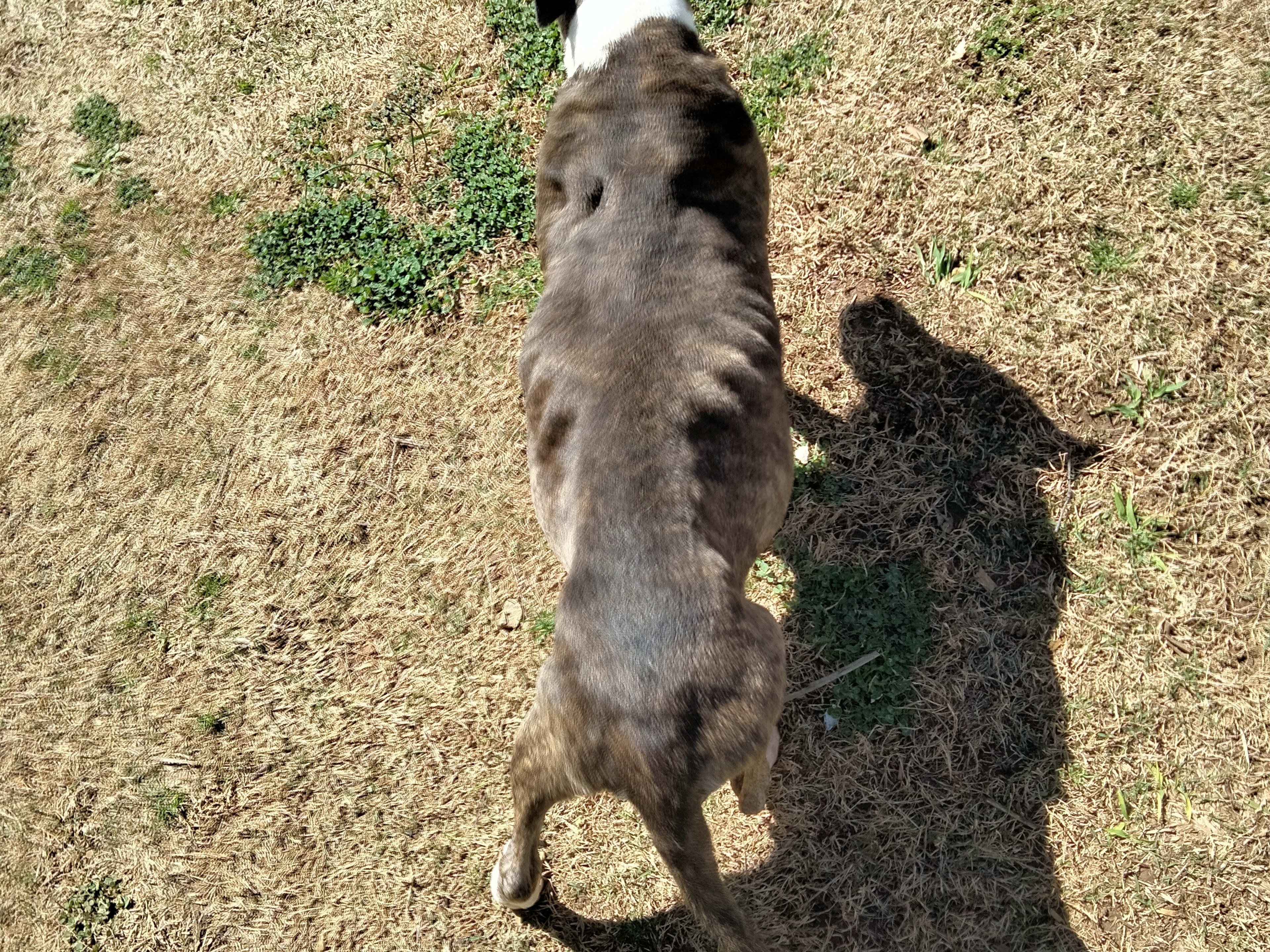
Image Source: pethelpful.com
When to Worry About Senior Dog Weight Loss
How do you know if your dog’s weight loss is bad? Any weight loss that you did not plan or expect is a worry. If your dog is losing weight and also has other signs like eating less, throwing up, having loose poop, drinking more, or acting tired, you should see the vet quickly. Fast weight loss is also a big worry sign.
Losing even a small amount of weight can be bad for an older dog. They do not have much body fat to lose. Muscle loss is also a big worry. It makes them weak. It is always best to ask your vet if you see your dog is losing weight. They can find out why and help your dog feel better.
Discovering Why an Old Dog Loses Weight
Many things can make an older dog lose weight. Some are simple. Some are serious sicknesses. A vet visit is needed to find the exact reason.
Here are some common reasons why an elderly dog might lose weight:
- Not eating enough food.
- The body not using food right.
- The body using more energy than usual.
- Losing food or nutrients from the body.
Let us look at some specific causes.
Reasons Behind Appetite Loss in Old Dogs
Sometimes, the simplest reason for weight loss is that the dog just does not want to eat. Appetite loss in old dogs happens for many reasons.
- Pain: Older dogs often hurt from joint problems like arthritis. Pain can make them not want to move. It can make them not want to walk to their food bowl. It can just make them feel bad all over. Feeling bad means not wanting to eat. Painful teeth also stop eating.
- Sense Changes: As dogs get older, their sense of smell and taste can get weaker. Food might not smell or taste as good to them. This can make them less excited about eating.
- Medications: Some medicines can make a dog feel sick to their stomach. They might lose their appetite. Always ask your vet if a new medicine could be causing this.
- Sickness: Many different sicknesses can make a dog feel sick. This makes them not want to eat. Appetite loss is often one of the first signs that something is wrong.
When a dog eats less, they take in fewer calories. If they do this for a long time, they will lose weight.
Dental Problems Senior Dogs Face
Dental problems are very common in older dogs. Bad teeth and gums hurt a lot.
- Tooth Pain: Broken teeth, loose teeth, or teeth with holes (cavities) hurt when chewing.
- Gum Disease: Swollen, red, or bleeding gums (gingivitis or periodontal disease) are painful. Infection can spread.
- Abscesses: Pockets of pus under the gum line are very painful.
When a dog’s mouth hurts, eating becomes painful. They might drop food. They might chew only on one side. Or they might just refuse to eat their hard kibble at all. Even soft food can hurt if their gums are sore. This leads to not eating enough and then losing weight.
Dental infections can also make a dog feel sick all over. The infection can go to other parts of the body. Keeping teeth clean is important at any age. It is even more important for older dogs.
Kidney Disease in Elderly Dogs
Kidney disease is a serious cause of weight loss in older dogs. The kidneys clean the blood. They help keep the body’s water and salt levels right. When kidneys stop working well, waste builds up in the blood.
- Buildup of Waste: This waste makes the dog feel sick. They can feel sick to their stomach. This makes them not want to eat (appetite loss).
- Losing Nutrients: Sick kidneys can also cause the dog to lose important things like protein and vitamins in their pee.
- Drinking and Peeing More: A key sign of kidney disease is drinking a lot and peeing a lot. This can make them dehydrated.
- Other Signs: Dogs with kidney disease might also throw up, look tired (lethargy), or have a bad smell from their mouth.
Weight loss happens because the dog is eating less, losing nutrients, and feeling generally unwell. Kidney disease is a big cause of weight loss in senior dogs and needs vet care.
Cancer in Aging Dogs
Sadly, cancer is more common in older dogs. Cancer can cause weight loss in many ways.
- Using Energy: Cancer cells grow fast. They use a lot of energy from the body. The cancer is using the dog’s nutrients.
- Making Toxins: Some cancers make substances that change how the body uses food. This is called cancer cachexia.
- Appetite Loss: Tumors can make dogs feel sick. Tumors in the stomach or gut can make eating hard or painful. Pain from cancer can stop appetite.
- Where the Tumor Is: A tumor in the mouth, throat, or gut can make it hard or impossible to eat or swallow food.
Weight loss from cancer can be fast. It is often called wasting. This includes losing fat and muscle (muscle wasting). Cancer in aging dogs is a major cause of serious weight loss.
Diabetes in Older Dogs Symptoms
Diabetes happens when the body cannot use sugar (glucose) right. This is because there is not enough insulin, or the body does not use insulin well. Insulin is a hormone that helps sugar get into cells for energy.
- Early Signs: Often, in the beginning, dogs with diabetes eat a lot but gain weight or stay the same weight. They also drink and pee a lot (polydipsia and polyuria). They might act very hungry.
- Later Signs / Uncontrolled Diabetes: If diabetes is not treated well, the body’s cells cannot get energy from sugar. The body starts to break down fat and muscle for energy instead. This leads to weight loss. The dog might also get sick from substances called ketones building up in their blood.
So, while increased appetite is a symptom of diabetes in older dogs, unexplained weight loss can happen later when the body cannot use food energy correctly. Other signs include being very tired and blurry vision.
Gastrointestinal Problems in Elderly Dogs
Problems with the stomach, bowels, or other parts that help digest food can cause weight loss. Gastrointestinal problems in elderly dogs stop them from taking in nutrients from their food.
- Bad Digestion: If the stomach or pancreas does not make the right juices, food is not broken down well.
- Bad Absorption: If the gut lining is sick (like with IBD – Inflammatory Bowel Disease), the body cannot take in nutrients from the food.
- Throwing Up and Loose Poop: Chronic vomiting or diarrhea means food is not staying in the body long enough for nutrients to be used.
- Food Sensitivities: Older dogs can sometimes develop problems with certain foods. This can upset their stomach or gut.
All these things mean the dog is not getting enough energy and building blocks from their food. This leads to weight loss, even if they are eating.
Parasites in Older Dogs Symptoms
While more common in young dogs, older dogs can still get internal parasites like worms (roundworms, hookworms, whipworms, tapeworms) or microscopic bugs like Giardia or Coccidia. Parasites in older dogs symptoms can include weight loss.
- Stealing Nutrients: Parasites live in the gut. They eat the food that the dog is supposed to use. Or they feed on the dog’s blood.
- Gut Damage: Some parasites hurt the gut lining. This makes it harder for the dog to take in food energy.
- Other Signs: Dogs with parasites might also have a pot belly (though this is less common in seniors than puppies), loose poop (maybe with blood or slime), or just look unwell.
Regular checks for parasites (fecal tests) are important for dogs of all ages, including seniors.
Muscle Wasting in Senior Dogs
Muscle wasting in senior dogs is also called sarcopenia. This is a loss of muscle mass that happens with age. It is different from losing fat. Dogs lose muscle size and strength.
- Less Activity: Older dogs often move less because of pain or being tired. Less use of muscles makes them get smaller.
- Underlying Sickness: More serious muscle wasting can be caused by hidden sicknesses like cancer, kidney disease, or hormone problems. These sicknesses change how the body builds and keeps muscle.
- Not Enough Protein: If a dog is not eating enough protein, or if their body is not using protein right (often due to illness), they can lose muscle.
Muscle wasting makes a dog look thin, especially over their back, hips, and legs. It makes them weaker. It is a big part of weight loss in many sick older dogs.
Other Things That Can Cause Weight Loss
Beyond the main sicknesses, other things can cause an older dog to lose weight.
- Hormone Problems: Diseases like Addison’s disease (problem with adrenal glands) can cause many signs, including low appetite and weight loss.
- Heart Disease: Advanced heart problems can make dogs tired and reduce their appetite. It can also cause the body to use more energy.
- Problems Taking in Food: Sometimes, it is just hard for an old dog to eat. They might have neck pain that makes bending down hard. Or they might have trouble swallowing.
- Stress or Change: Big changes at home, losing a family member (person or pet), or feeling anxious can make a dog stop eating normally for a while.
Figuring Out the Cause: What the Vet Does
If your older dog is losing weight, you must see your vet. They are like dog doctors and can find out why.
Here is what your vet might do:
Talking About Your Dog
The vet will ask you many questions.
- When did you notice the weight loss?
- How much weight has the dog lost?
- Has your dog’s eating changed? How much do they eat? What kind of food?
- Are there other signs? (Throwing up, loose poop, more drinking/peeing, coughing, tiredness, limping, bad breath?)
- Has anything changed at home?
- What medicines is your dog taking?
- When was the last time the dog was sick or saw a vet?
Be ready to tell the vet everything you have seen.
Checking the Dog Over
The vet will give your dog a full checkup. They will:
- Feel their body to see how much muscle and fat they have lost.
- Listen to their heart and lungs.
- Feel their belly to check organs.
- Look in their mouth at their teeth and gums.
- Check their eyes and ears.
- Look at their skin and fur.
- Feel their joints to check for pain (arthritis).
This checkup gives the vet many clues.
Doing Tests
Often, the vet needs tests to find the exact problem inside.
- Blood Tests:
- Complete Blood Count (CBC): Checks red and white blood cells. Can show infection, inflammation, or anemia (low red cells).
- Chemistry Panel: Checks how organs are working (kidneys, liver, pancreas). Checks sugar (glucose) levels (for diabetes). Checks protein levels. These tests are very helpful for finding sicknesses like kidney disease, liver problems, diabetes, or some cancers.
- Urine Test (Urinalysis): Checks the pee. Shows how well the kidneys are working. Can find infection or sugar in the pee (another sign of diabetes).
- Fecal Test (Stool Sample): Checks for internal parasites (worms, Giardia).
- X-rays: Pictures of the inside of the body. Can show changes in organ size or shape, signs of tumors, or problems in the chest or belly.
- Ultrasound: Uses sound waves to look inside the body. Gives a clearer picture of organs like the kidneys, liver, stomach, and gut. Can help find tumors or other problems not seen on X-rays.
- Other Tests: Depending on what the vet finds, they might suggest more tests. This could be tests for specific hormone problems, looking at cells under a microscope (cytology), or taking tiny pieces of tissue to look at (biopsy).
These tests help the vet pinpoint the cause of the weight loss. They help make a plan to help your dog.
Helping Your Old Dog Gain Weight Back
The best way to help an old dog gaining weight is to treat the reason they lost it. There is no single answer for all dogs. The plan depends on what the vet finds.
Treating the Sickness
- Kidney Disease: Special kidney food (low protein, phosphorus, and sodium). Medicines to help with nausea, blood pressure, and keeping blood cells healthy. Plenty of fresh water.
- Cancer: Treatment depends on the type and location. It might include surgery, special medicines (chemotherapy), or radiation. Sometimes, just making the dog comfortable is the kindest choice.
- Diabetes: Needs daily insulin shots. A special diet helps control blood sugar. Regular checks by the vet are needed.
- Gastrointestinal Problems: Special easy-to-digest food. Medicines to stop throwing up or diarrhea. Antibiotics if there is infection. Medicines to calm the gut (like for IBD).
- Dental Problems: Often need to have bad teeth cleaned or pulled out by the vet while under anesthesia. This takes away the pain and lets them eat again.
- Parasites: Medicines to kill the specific parasites found in the stool test.
- Pain: Pain medicine can help dogs with arthritis or other painful conditions feel better. Feeling less pain can make them more active and want to eat again.
Helping Them Eat
Sometimes, dogs need extra help to eat more food.
- Make Food More Appealing:
- Warm up wet food a little (like in the microwave). This makes it smell stronger and taste better.
- Add a little warm water, low-sodium broth, or tuna juice (in water, not oil) to kibble to make it softer and smellier.
- Use wet food if they usually eat dry. It is easier to chew and smells stronger.
- Ask your vet about high-calorie foods or pastes. These give lots of energy in a small amount.
- Special Diets: Your vet might suggest a special diet made for dogs with certain sicknesses (like kidney food, GI food, or high-energy recovery food). These foods are made to be easy to digest and give the right nutrients.
- Easy Access: Make sure your dog can easily get to their food and water bowls. Raised bowls can help dogs with neck or back pain.
- Quiet Place: Let your dog eat in a calm, quiet place away from other pets.
- Appetite Stimulants: If nothing else works and the vet agrees, there are medicines that can make dogs feel more hungry. These are only used when the vet knows why the dog is not eating.
Preventing More Muscle Loss
Helping a dog keep or rebuild muscle is important.
- Enough Protein: Make sure their food has good quality protein, if their sickness allows (some sicknesses like advanced kidney disease need lower protein).
- Gentle Movement: If they are able, very gentle, short walks can help keep muscles working. Do not push them too hard.
- Physical Therapy: For some dogs, working with a vet who knows about physical therapy can help rebuild muscle and strength.
Importance of Watching and Waiting
Helping an old dog who lost weight takes time and patience.
- Weigh Them Often: Weigh your dog regularly at home if you can. A baby scale or weighing yourself with and without the dog can work. Write down the weight. This helps you and the vet see if they are gaining, losing, or staying the same.
- Watch Their Eating: Notice how much they eat each day. Does it change?
- Write Down Other Signs: Keep a note of any throwing up, loose poop, coughing, drinking changes, or tiredness. This info is very helpful for the vet.
- Follow Vet Advice: Stick to the food plan and medicines the vet gives you.
- Regular Vet Visits: Your vet will want to see your dog often, especially at first. They might need to do more tests to see if the treatment is working.
Bringing an older dog back to a healthy weight after sickness takes work. But it can help them feel better and live a better life for longer.
FAQ: Common Questions About Senior Dog Weight Loss
Here are answers to some questions people often ask about older dogs losing weight.
Is it normal for old dogs to get skinny?
No, it is not normal for old dogs to lose weight without a reason. Some dogs get less active as they age, and their body shape might change a little. But losing noticeable weight, especially quickly or with other signs, is usually because of a sickness. It needs a vet check.
How much weight loss is bad for an older dog?
Any weight loss you notice is worth telling your vet about. Even losing just 5-10% of their body weight can be a big deal for a senior dog. For a 20-pound dog, that is only 1-2 pounds. Fast weight loss is always a worry.
Can I just give my old dog more food if they are losing weight?
Giving more food might seem like a good idea, but it is not the best first step. You need to know why they are losing weight. If they have kidney disease, giving too much protein can be bad. If they have a gut problem, giving more of the same food might make it worse. Always find the cause with a vet first. Once the cause is known, the vet can tell you the right food and how much to give.
What kind of food should I give my old dog who is losing weight?
The best food depends on why they are losing weight. A dog with kidney disease needs a special kidney diet. A dog with gut problems needs an easy-to-digest diet. A dog recovering from sickness might need a high-calorie food. Your vet is the best person to tell you what food is right for your dog’s specific needs.
What are the first signs I should look for besides weight loss?
Look for changes in how much they eat. Are they leaving food? Are they picky? Watch for throwing up, loose poop, or changes in how often or how much they pee. Notice if they are more tired, less active, or seem stiff or in pain. Changes in behavior or smell (like bad breath) are also important signs.
Is muscle wasting different from losing fat?
Yes. Weight loss can be fat, muscle, or both. Muscle wasting means the dog is losing muscle size and strength, often seen over the hips, spine, and legs. This can happen just from getting old and moving less, but it is often made worse by or caused by an underlying sickness. Losing muscle makes dogs weak.
How long can an old dog live after starting to lose weight?
This depends completely on the reason for the weight loss and how well it can be treated. Some causes, like a painful tooth or parasites, can be fixed, and the dog can get back to a good weight and have many more happy months or years. More serious sicknesses like advanced kidney disease or certain cancers might mean less time, but helping the dog feel good for the time they have is still important. Finding the cause early gives the best chance.
Losing weight is a serious sign in older dogs. It is your dog’s way of telling you that something is not right. By watching your dog closely, noticing changes, and working with your vet, you can find the reason and give your old friend the best care possible.