
Know Before You Go: How Long Does A Dog Ultrasound Take
A dog ultrasound scan usually takes 20 to 60 minutes. This is also how long a dog sonogram often lasts. But many things can change this time. Some scans might be quicker, around 15 minutes, while complex ones could take over an hour. Your dog’s health needs and how well they behave play a big role. Getting ready for the scan, like shaving hair, also adds to the total visit time.
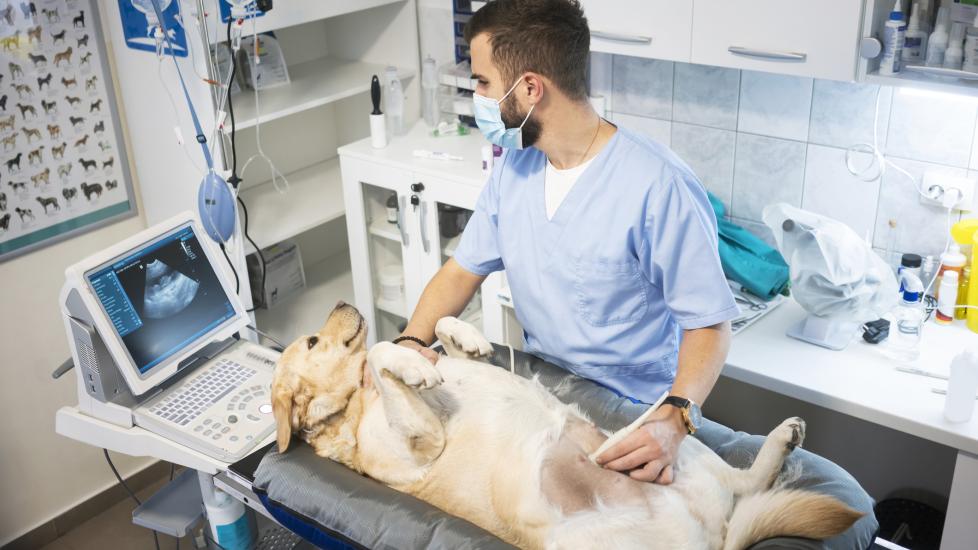
Image Source: image.petmd.com
Deciphering Dog Ultrasound Timelines
When your dog needs an ultrasound, you might wonder how long the whole process will take. The actual time spent scanning your dog can differ a lot. It depends on many things. Knowing these factors can help you feel ready for your visit. It also helps you plan for the dog ultrasound appointment time.
What Affects Dog Ultrasound Duration?
Many things can change how long a dog ultrasound takes. Each factor adds or takes away from the time needed.
Your Dog’s Temperament
This is a big one.
* Calm Dogs: If your dog is quiet and lies still, the scan will be faster. The vet can get clear pictures quickly.
* Nervous Dogs: A dog that is scared or moves a lot makes the scan harder. The vet might need more time to get good images. They might also need breaks to calm your dog. In some cases, light sedation may be needed. This adds time.
The Scan’s Purpose
Why your dog needs the ultrasound matters a lot.
* Simple Scan: A quick check of one organ, like the bladder, might be very fast. It could be just 15-20 minutes.
* Full Abdominal Scan: Looking at all the organs in the belly takes longer. This is because there are many things to check. It might be 30-45 minutes or more.
* Complex Cases: If the vet finds something strange or needs many detailed views, the scan will take more time. This happens if they need to look closely at a tumor or a hard-to-see area.
The Vet’s Experience
The person doing the scan also plays a part.
* Expert Vet: A vet who does many ultrasounds each day is often faster. They know how to position the dog and find things quickly.
* Less Experienced Vet: A vet who does fewer ultrasounds might take longer. They might need more time to get all the needed views. This is normal and fine.
Equipment Quality
Newer ultrasound machines often give clearer pictures faster. Older machines might need more time to get good images. But most vet clinics today have good, modern equipment.
Findings During the Scan
Sometimes, the vet starts the scan for one reason, but finds something else.
* Unexpected Issues: If the vet sees something new or hard to figure out, they will spend more time. They need to get full details of any problems. This can extend the dog ultrasound duration quite a bit.
Here is a simple look at factors affecting scan time:
| Factor | How It Affects Time |
|---|---|
| Dog’s Behavior | Calm = Faster; Anxious = Slower |
| Scan Type | Simple Organ = Faster; Full Body = Slower |
| Vet’s Skill | Experienced = Faster; Less Experienced = Slower |
| Scan Discoveries | Clear = Faster; Complex Issues = Slower |
| Sedation Needs | None = Faster; Yes = Slower (due to waiting for effects) |
Typical Canine Ultrasound Lengths for Different Scans
The average dog ultrasound time depends a lot on what part of the dog is being looked at. Different body parts mean different scan times.
Dog Abdominal Ultrasound Duration
This is one of the most common types of ultrasounds.
* Purpose: To check organs like the stomach, intestines, liver, kidneys, bladder, and spleen. It helps find problems like tumors, fluid, or organ changes.
* Time: A full abdominal ultrasound usually takes 30 to 45 minutes. If something complex is found, it can go up to an hour or more. This makes it a key part of the veterinary ultrasound for dogs time.
Dog Pregnancy Ultrasound Time
This scan helps check for puppies.
* Purpose: To confirm pregnancy, count puppies, and check their health. It’s often done around 25-35 days after breeding.
* Time: This scan is usually quicker. It often takes 20 to 30 minutes. If there are many puppies or the vet needs to check each one closely, it might take a bit longer.
Heart Scans (Echocardiograms)
An echo looks at the heart.
* Purpose: To check how the heart works, its size, and blood flow. It helps find heart disease.
* Time: Heart ultrasounds are often more detailed. They can take 45 minutes to over an hour. This is because the vet needs to measure many things and watch the heart beat.
Other Specific Scans
Some ultrasounds focus on one small area.
* Bladder Scan: Very fast, often 15-20 minutes. Used to look for stones or issues.
* Thyroid Scan: To check the thyroid glands in the neck. Can be 20-30 minutes.
* Lump Scan: To look at a specific lump under the skin. Might be 15-25 minutes.
Here is a table showing common ultrasound scan times for dogs:
| Ultrasound Type | Typical Scan Time | What It Checks |
|---|---|---|
| Abdominal | 30-45 minutes | Stomach, liver, kidneys, intestines, bladder, spleen |
| Pregnancy | 20-30 minutes | Fetus presence, puppy count, fetal health |
| Heart (Echocardiogram) | 45-60+ minutes | Heart size, function, blood flow, valves |
| Bladder | 15-20 minutes | Bladder wall, stones, urine flow |
| Specific Lump | 15-25 minutes | Size, type, and nature of a mass |
| Thyroid | 20-30 minutes | Thyroid gland size, structure, nodules |
Grasping the Dog Ultrasound Appointment Time
While the actual “ultrasound scan time dogs” get might be 20-60 minutes, the whole appointment is much longer. You need to factor in all the steps of the visit.
Check-in and Setup
When you arrive, there’s paperwork and a quick check-in. The vet or a tech will take your dog to the prep area. This can add 5-10 minutes.
Prep Work (Shaving, Gel)
Your dog’s fur will need to be shaved in the area to be scanned. This allows the ultrasound wand to touch the skin directly. A special gel is then put on the skin. This helps the sound waves travel. Shaving takes time. It can add 5-15 minutes, depending on the area and how much hair your dog has.
The Scan Itself
This is the 20-60 minute part we’ve been talking about. Your dog will lie on a soft pad. The vet moves the wand over the shaved area. They watch the screen.
Review and Talk
After the scan, the vet will often step out to look at the images. They might talk with other vets. Then, they will come back to talk with you. They will share what they found and explain the next steps. This talk can take 10-20 minutes. You might also ask questions.
Cleaning Up
Finally, your dog will be cleaned up. The gel needs to be wiped off. You will then check out. This final part can take 5-10 minutes.
So, while the active scanning might be 30 minutes, your total time at the vet clinic for a dog ultrasound appointment time could easily be 1 to 2 hours. It’s best to plan for the longer time frame.
Average Dog Ultrasound Time: What’s Normal?
When we talk about the average dog ultrasound time, we’re thinking about the hands-on scanning part.
* Most Common Range: For many standard ultrasounds, 20 to 45 minutes is very normal. This covers a good look at many organs.
* Quicker Scans: If it’s a very targeted check, like for bladder stones only, it might be 15-20 minutes.
* Longer Scans: For a very sick dog, or if complex problems are found, it can go over an hour. This happens if the vet needs to guide a needle for a sample, for example.
The main point is that the veterinary ultrasound for dogs time is not fixed. It changes based on your dog and their needs. The vet always aims to get the best pictures possible. They also want to keep your dog comfortable.
What to Expect Dog Ultrasound: A Full Look
Knowing what will happen can make the visit easier for both you and your dog. Here’s a step-by-step guide to the ultrasound scan time dogs will go through.
Getting Ready: Before the Veterinary Ultrasound for Dogs Time
Proper preparation is key for a good scan. Your vet clinic will give you specific rules. Make sure to follow them closely.
Food and Water Rules
- No Food: Most times, your dog will need to fast. This means no food for 8 to 12 hours before the scan. This helps clear the stomach and intestines. Gas and food can block the view of other organs.
- Water Allowed: Your dog can usually have water until a few hours before the scan. For bladder ultrasounds, they might need a full bladder. Ask your vet about this.
Hair Clipping
The area to be scanned will need to be shaved. This is so the ultrasound wand can touch the skin. Hair traps air. Air blocks sound waves. So, shaving helps get clear images. Your vet will do this when you arrive.
Keeping Your Dog Calm
- Gentle Handling: Try to keep your dog calm before the visit. A relaxed dog is easier to scan.
- Exercise: A short walk before leaving home can help them use up some energy. But don’t make them too tired.
- Potty Break: Make sure your dog has a chance to go to the bathroom before the appointment.
Questions for the Vet
Write down any questions you have. This could be about the scan, what they are looking for, or what comes next. It helps you remember everything you want to ask.
The Scan Room: Ultrasound Scan Time Dogs
Once your dog is ready, they will go into the scan room. This room is often quiet and calm.
Meeting the Team
You might meet a vet and a vet tech. The tech often helps hold your dog gently in position. They work together.
Dog’s Position
Your dog will lie on a soft bed or cushion.
* Back Down: For abdominal ultrasounds, dogs usually lie on their back. This lets the vet reach their belly easily.
* Side Down: For heart scans, they might lie on their side, with a small cutout on the table for the heart.
The tech will use gentle holds to keep your dog still and comfy.
Gel and Wand
The vet will put warm, clear gel on your dog’s shaved skin. This gel is safe and water-based. It helps the ultrasound waves move into the body. Then, the vet will press a small wand, called a transducer, against the skin. They will move it slowly over the area.
Staying Still
This is the hardest part for many dogs. Being still helps the vet get clear pictures.
* Gentle Holds: The vet tech will use soft but firm holds.
* Praise and Comfort: They will talk to your dog in soft voices and offer comfort.
* Sedation: If your dog is too anxious or moves too much, light sedation might be needed. This makes them sleepy and still. This choice is made for your dog’s comfort and safety. It also helps the vet get the best images.
No Pain Involved
Ultrasounds do not hurt. It’s just a warm gel and a bit of pressure from the wand. Some dogs might not like being held still. But the procedure itself is pain-free.
After the Scan: Next Steps
What happens right after the ultrasound is done?
Getting Results
- Immediate Talk: For simple cases, the vet might give you some basic findings right away.
- Detailed Report: Often, the vet will need time to look at all the images. They might send them to a specialist vet called a radiologist. This specialist will write a full report. This can take a few hours to a few days. Your vet will then call you to explain the full results.
Follow-Up Plans
Based on the results, your vet will talk about next steps. This could be:
* More tests (like blood work or X-rays)
* Medicine
* A special diet
* Surgery
* Just watching the issue
Your Dog Goes Home
Once the scan is done, and you’ve talked with the vet (or arranged a call), your dog can go home. If your dog had sedation, they might be sleepy for a few hours. Make sure they have a quiet, safe place to rest.
Tips for a Smooth Ultrasound Visit
A dog ultrasound can be a bit stressful. But you can do many things to make it easier for your dog and the vet team. Thinking ahead helps reduce the overall dog ultrasound duration at the clinic.
Ways to Help Your Dog
Your dog’s comfort is key to a fast and good scan.
Practice Restraint
At home, gently practice holding your dog still for short times.
* Belly Rubs: Gently rub their belly. This helps them get used to being touched there.
* Side Lying: If they will lie on their side for belly rubs, that’s a good start.
* Positive Rewards: Always use treats and praise. Make it a fun, short game.
Bring Comfort Items
- Favorite Blanket: A blanket from home can smell familiar and make your dog feel safer.
- Special Toy: A quiet toy can be a good distraction in the waiting room.
- High-Value Treats: Bring tasty treats that your dog loves. The vet team might use them during the scan to help keep your dog happy.
Stay Calm Yourself
Dogs can feel your stress. If you are calm, your dog is more likely to be calm too. Speak in a soft, even voice. Give gentle pets. Show them you are there for them.
Helping Your Vet
A good flow of information helps the vet work quickly and well.
Share Full History
Tell the vet everything you know about your dog’s health.
* Symptoms: When did symptoms start? What do they look like?
* Past Health Issues: Any past illnesses or surgeries?
* Medicines: What medicines is your dog on now?
* Diet: What do they eat? Any recent changes?
All this info helps the vet narrow down what they are looking for. This can make the ultrasound scan time dogs get more efficient.
Ask Questions
Don’t be afraid to ask.
* Before the Scan: Ask about fasting rules or if you should do anything special.
* After the Scan: Ask about the results, next steps, and what you should watch for at home.
Follow Instructions
Listen carefully to all instructions given by the vet team. This includes prep rules, what to do during the scan, and after-care. Following these steps helps the whole process go smoothly. It also makes sure the veterinary ultrasound for dogs time is used well.
Frequently Asked Questions (FAQ)
Here are some common questions about dog ultrasounds and their time.
Is sedation always needed for a dog ultrasound?
No, not always. Many dogs can have an ultrasound without sedation. It depends on their personality and how well they can stay still. If your dog is very anxious or cannot lie still, light sedation might be used. This helps them relax and keeps them safe. It also allows the vet to get clear images.
Does a dog ultrasound hurt?
No, an ultrasound does not hurt. It uses sound waves, not radiation. Your dog will feel a warm gel on their skin and some gentle pressure from the wand. Some dogs might not like being held still, but the procedure itself is painless.
Can I stay with my dog during the ultrasound?
It depends on the vet clinic. Some clinics allow owners to stay. Others prefer you wait in the waiting room. This is often because owners can sometimes make their dog more anxious or get in the way of the vet. Ask your clinic ahead of time what their policy is. If you can stay, try to be calm and quiet.
How accurate is a dog ultrasound?
Ultrasounds are very accurate for many things. They are great at showing soft tissues and organs. They can find fluid, tumors, changes in organ size, and pregnancies. But they are not perfect. Sometimes, other tests like X-rays or blood work are needed too. The skill of the vet doing the scan also plays a part in accuracy.
What if my dog moves too much during the scan?
If your dog moves too much, the vet might not be able to get clear pictures. This can make the scan take longer. If movement is a big problem, the vet might suggest light sedation. This helps the dog relax and allows the vet to do a full and accurate scan.
How long does it take to get ultrasound results?
Sometimes, the vet can give you some basic findings right after the scan. For more detailed results, especially if a specialist radiologist needs to review the images, it might take a few hours to a few days. Your vet will let you know when to expect the full report.
Do I need to shave my dog myself before the ultrasound?
No, you do not need to shave your dog. The vet clinic staff will shave the necessary area when your dog arrives for the appointment. They have the right tools and know exactly where to shave.
Knowing what to expect can ease your mind when your dog needs an ultrasound. While the exact dog ultrasound duration varies, planning for a 1-2 hour appointment will give you plenty of time for all steps. A calm dog and good preparation help the process move smoothly. Your vet team is there to ensure your dog gets the best care.