
Image Source: cdn.shopify.com
Is It Safe? Can You Put Vaseline On A Dog Explained
So, can you put Vaseline on a dog? Yes, you can put Vaseline on your dog in very small amounts, and is Vaseline safe for dogs when used carefully? Generally, applying a tiny dab is not likely to cause serious harm. However, it’s crucial to understand that Vaseline (which is a brand name for petroleum jelly) is not the best or most effective solution for many dog skin issues, especially because dog licking Vaseline is almost guaranteed. If a dog ingests too much petroleum jelly, it can cause tummy upset.
Grasping What Vaseline Is
Vaseline is a popular brand of petroleum jelly. It’s made from mineral oils and waxes. These are blended into a semi-solid jelly.
Petroleum jelly for dogs works by making a barrier. It sits on top of the skin. It does not sink in. This barrier can help keep water from leaving the skin. This is why some people think it can help dry skin.
Think of it like putting plastic wrap on your skin. It stops air and moisture from getting to or from the skin.
How Petroleum Jelly Works
- It Forms a Seal: It makes a waterproof layer.
- It Keeps Moisture In: This can help prevent skin from drying out more.
- It Does Not Heal: It does not have healing power. It just provides a simple barrier.
- It Is Not Absorbed: The skin does not soak it up. It just sits on the surface.
This barrier effect is the main reason people might use it. They hope it will protect dry spots.
Putting Vaseline On Dog Paws: A Common Idea
Many dog owners worry about their dog’s paws. Paws can get dry or rough. Hot ground, cold snow, ice, and salt can hurt paws. This makes owners look for something to help. Vaseline on dog paws seems like a quick fix.
Why Paws Get Dry or Cracked
- Weather: Hot pavement in summer. Cold, ice, and snow in winter.
- Chemicals: Salt used on roads in winter. Chemicals in cleaning products.
- Rough Ground: Walking on rough paths or surfaces.
- Allergies: Skin problems can make paws dry.
- Underlying Health Issues: Sometimes dry pads point to bigger health problems.
When paws look dry, owners want to help. They might reach for Vaseline. They think it will make the paws soft and protected. People might use Vaseline for cracked dog pads. They hope the jelly will fill the cracks and help them heal.
The Reality of Using Vaseline on Paws
Putting Vaseline on paws does create a barrier. It can feel slippery and soft at first. It might make the pads look less dry. But this is often just on the surface.
The main problem? Dogs walk on their paws! Anything you put on them rubs off quickly. Also, dogs clean their paws by licking. This brings us to a big issue.
The Challenge of Dog Licking Vaseline
Dogs lick things they feel on their skin. This is normal dog behavior. If you put Vaseline on their paws or nose, they will try to lick it off. This is the biggest danger of using Vaseline on dogs. Dog licking Vaseline is hard to stop.
Why Licking Matters
- It Removes the Barrier: As soon as they lick, the Vaseline is gone. It cannot help protect the skin if it’s not there.
- They Swallow It: The Vaseline goes into their tummy.
- Petroleum Jelly Isn’t Food: It’s not meant to be eaten.
Even though Vaseline is not poisonous, swallowing it can cause problems.
Interpreting the Risks of Ingestion
So, what happens if a dog swallows Vaseline? Dog ingesting Vaseline usually leads to digestive upset.
Petroleum jelly is a laxative. This means it can make your dog’s poop loose. It can speed things up in their gut.
Signs Your Dog Swallowed Vaseline
- Loose Poop: This is the most common sign. It can range from soft to outright diarrhea.
- Upset Stomach: They might act like their tummy hurts.
- Vomiting: Less common than diarrhea, but can happen, especially if they eat a lot.
- Acting Unwell: They might seem tired or not themselves.
Most of the time, if a dog licks a little bit off their paws or nose, the effect is mild. Maybe just a little bit of soft stool.
However, if a dog manages to eat a larger amount (like getting into the tub), the tummy upset can be worse. Serious problems are rare with pure petroleum jelly, but it’s not impossible.
Is It Ever Dangerous?
Pure petroleum jelly is generally not absorbed into the body. It usually just passes through. This is why it’s often listed as non-toxic.
However, there’s a very rare risk called aspiration. This happens if the dog breathes the jelly into their lungs while licking or vomiting. This is very serious and can cause pneumonia. But this is highly unlikely with just licking a thin layer off the skin. It’s more a risk if they somehow inhaled it.
So, while a small amount might just cause loose poop, it’s still not good for them. It’s better to use something safe for them to eat.
Applying Vaseline for Dog Dry Nose
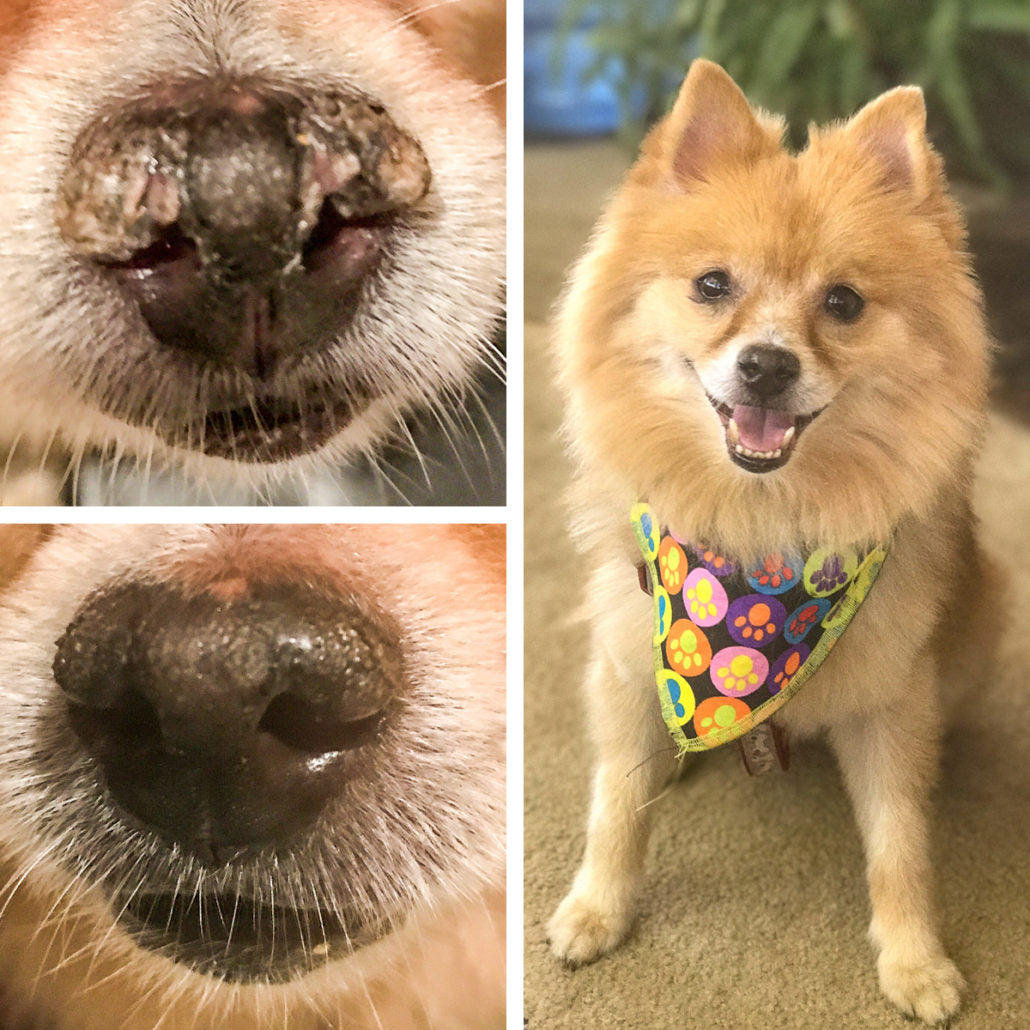
Another place people sometimes use Vaseline is on a dry nose. Vaseline for dog dry nose seems logical. A dry, crusty nose can look uncomfortable.
Why Dog Noses Get Dry
- Weather: Wind, sun, cold air.
- Heating/Air Conditioning: Dry indoor air.
- Sleeping: Noses can dry out while sleeping.
- Age: Older dogs sometimes have drier noses.
- Breed: Some breeds are prone to dry noses (like Bulldogs).
- Health Issues: Dehydration, allergies, or specific skin conditions can cause a dry nose.
Putting Vaseline on the nose can make it look shiny and less dry right away. It provides that barrier.
The Problem on the Nose
Again, the main problem is licking. Dogs lick their noses constantly. It’s how they keep them moist and help with scent. Any Vaseline you put on their nose will be licked off very fast.
This means:
- It won’t stay on long enough to help much.
- The dog will eat it. Even a little bit licked over time adds up.
For a dry nose, just like paws, there are much better options.
When Vaseline Might Seem Useful (But Isn’t Ideal Long-Term)
Beyond paws and noses, some owners might think of using Vaseline for minor skin irritations.
- Small Scrapes: A thin layer might protect a very small, clean scrape from dirt temporarily.
- Dry Patches: On elbows or other pressure points where skin gets thick or dry.
- Minor Rashes: If skin looks a little red and dry (but not infected).
In these cases, the barrier effect might seem helpful. It can prevent further drying. It might stop clothing or other things from rubbing directly on the spot.
However, remember:
- Licking: The dog will likely lick the area if they can reach it.
- Not Breathable: The thick barrier doesn’t let skin “breathe.” This can sometimes make things worse or slow down healing.
- Not Medicated: Vaseline has no ingredients to fight bacteria, reduce swelling, or help skin repair itself.
- Traps Dirt: The sticky nature can attract and hold onto dirt or hair, which you don’t want in a scrape.
For any skin issue, even a small one, it’s best to use products made for dogs or ask a vet. A vet can tell you the cause of the problem and the best way to treat it. Using the wrong thing could hide a more serious issue or slow healing.
Why Veterinarians Often Recommend Alternatives
Most vets won’t tell you to use Vaseline for your dog’s skin issues. They know the problems: licking, not being absorbed, not healing.
Veterinarians prefer treatments that are:
- Safe If Licked: Products made for pets are usually safe if the dog licks them.
- Absorbable: Some products soak into the skin to help heal from within.
- Medicated or Healing: They might contain ingredients that reduce itching, fight infection, or promote skin repair (like vitamins, fatty acids, or specific medications).
- Breathable: They allow air to reach the skin, which is good for healing.
- Designed for Dogs: A dog’s skin is different from human skin. Products made for dogs are formulated for their specific needs.
Vaseline does none of these things well, except maybe providing a temporary, easily removed barrier.
Safer and More Effective Alternatives to Vaseline for Dogs
Given the issues with Vaseline, what what to put on dog dry paws or dry noses instead? There are many products made just for pets that work better and are safer. These are excellent alternatives to Vaseline for dogs.
Paw Balms and Waxes
These are very popular and effective. Paw balm for dogs is made to be applied to paw pads. They are often thicker than lotions. They create a protective layer, but many also contain ingredients that soothe and heal.
What They Do:
- Protect from hot or cold ground.
- Create a barrier against salt and chemicals.
- Moisturize dry pads.
- Help heal small cracks.
Good Ingredients to Look For:
- Beeswax (creates a natural, more breathable barrier than petroleum jelly)
- Shea Butter (very moisturizing)
- Coconut Oil (moisturizing and safe if eaten)
- Vitamin E (good for skin health)
- Natural Oils (like jojoba oil, sunflower oil)
Ingredients to Avoid in Some Cases:
- Heavy perfumes or fragrances (can irritate skin)
- Dyes
Paw balms are designed knowing the dog will lick them. The ingredients are usually natural oils, waxes, and butters that are not harmful if swallowed in small amounts.
Dog-Specific Moisturizers and Lotions
For dry skin on areas other than paws or nose (like elbows or dry patches), there are lotions or creams made for dogs.
What They Do:
- Moisturize the skin.
- May contain ingredients to soothe itching.
- Some are made to absorb into the skin.
Important: Make sure it’s specifically for dogs. Human lotions can contain ingredients or perfumes that are bad for dog skin or toxic if licked.
Natural Oils Safe for Dogs
Some simple kitchen oils can be used in a pinch for minor dryness, as they are safe if licked.
- Coconut Oil: This is a popular choice. It’s moisturizing and safe for dogs to eat. You can rub a small amount on dry spots or a dry nose. It’s not a strong barrier like Vaseline or beeswax, but it does moisturize.
- Olive Oil: Also safe for dogs, but less commonly used topically than coconut oil for skin issues.
- Avoid: Essential oils unless guided by a vet, as many are toxic to dogs.
Medicated Products (Vet Prescribed)
If your dog has very dry skin, deep cracks, or a skin issue that doesn’t get better, the vet might give you a medicated cream or ointment. These contain active ingredients to treat the root cause, not just cover it up.
Choosing the right alternative means picking something safe for your dog to lick and something that actually helps heal or protect the skin effectively. Paw balm for dogs is usually the go-to for paw issues.
Knowing When to Seek Veterinary Help
While trying a little bit of a safe paw balm or coconut oil for mild dryness is fine, there are times you MUST see the vet. Don’t try to fix these with Vaseline or even a basic balm.
- Deep Cracks: If paw pads have deep, bleeding cracks. This is painful and can get infected.
- Limping: If your dog is limping, the paw issue is causing pain.
- Swelling, Redness, Pus: Signs of infection.
- Constant Licking or Chewing: This can mean severe itching, pain, or a deeper problem like allergies or infection.
- Dryness That Doesn’t Improve: If you use appropriate dog products and the dryness or cracking doesn’t get better, something else is likely going on.
- Dry Nose with Other Symptoms: If a dry nose comes with discharge, changes in the nose’s surface (lumps, color change), or your dog seems sick.
- Any Open Wound: Vaseline can trap bacteria in open wounds.
A veterinarian can figure out why the skin is dry or cracked. They can rule out allergies, infections, fungal issues, or other diseases. They can give you the correct treatment, which might be antibiotics, anti-fungals, allergy medicine, or prescription-strength skin creams.
Using Vaseline on a problem that needs a vet can delay proper treatment and make the issue worse.
Final Thoughts: Is Vaseline the Right Choice?
To wrap it up: Is Vaseline safe for dogs in tiny amounts? Yes, licking a tiny bit is usually only going to cause mild diarrhea. But can you put Vaseline on a dog and expect it to help much? Probably not effectively, especially because dog licking Vaseline is unavoidable.
For specific issues like Vaseline on dog paws or Vaseline for dog dry nose, better alternatives to Vaseline for dogs exist. Products like paw balm for dogs made with natural, lick-safe ingredients (like beeswax, shea butter, coconut oil) are more protective, more healing, and safer if ingested than petroleum jelly for dogs.
Instead of wondering what to put on dog dry paws, look for a purpose-made paw balm. If your dog has severe dryness, cracking (like Vaseline for cracked dog pads might seem useful for, but isn’t ideal), constant licking, or signs of infection, skip the home remedies and see your veterinarian. They can provide the best care for your furry friend’s skin health.
Choosing products made for dogs ensures they are safe, effective, and won’t cause problems if your dog does what comes naturally – licking!
Frequently Asked Questions (FAQ)
h4 Is Vaseline bad if my dog licks it?
Licking a small amount of pure petroleum jelly is usually not harmful. It’s not poisonous. However, it can act as a laxative. This might give your dog a mild upset stomach or diarrhea. Licking larger amounts could cause more significant digestive issues.
h4 Can Vaseline help a dog’s dry, cracked paws?
Vaseline makes a barrier. This might temporarily make dry paws look better. But it doesn’t soak in to moisturize or heal. Dogs also lick it off quickly. Better options like dog-specific paw balms made with natural oils and waxes are more effective and safer if licked.
h4 What can I use on my dog’s dry nose instead of Vaseline?
Coconut oil is a safe and natural option. You can rub a tiny bit on their nose. There are also dog-specific nose balms available. These are made with lick-safe ingredients and are designed to moisturize and protect the nose.
h4 Is petroleum jelly the same as Vaseline?
Yes, Vaseline is a brand name for petroleum jelly. So, when people ask about putting Vaseline on a dog, they mean petroleum jelly.
h4 What are good ingredients in a paw balm for dogs?
Look for natural ingredients that are safe if eaten. Good examples are beeswax, shea butter, coconut oil, vitamin E, and plant-based oils like jojoba or sunflower oil. These help moisturize and protect without being harmful.
h4 My dog’s paw pads are very cracked and bleeding. Can I use Vaseline?
No, you should not use Vaseline on bleeding or deeply cracked paws. Vaseline can trap dirt and bacteria. Deep cracks are painful and risk infection. This needs a vet visit. The vet can clean the wound and prescribe proper treatment.
h4 How can I stop my dog from licking off whatever I put on their paws?
It’s hard to stop licking completely! Using products that are safe if licked is the best approach (like a good paw balm or coconut oil). You can try putting socks on their paws (make sure they are breathable and not too tight) after applying balm, or use a cone (Elizabethan collar) for a short time, but dogs often find ways around these. Applying the product right before they go to sleep can also help it stay on longer.