
Can I put Sevin dust on my dog? The direct and clear answer is no, absolutely not. Using Sevin dust on your dog is dangerous and can cause serious Sevin dust toxicity dogs, leading to severe illness or even death. Is Sevin dust safe for dogs? No, it is specifically not safe for use on pets like dogs or cats. This product contains chemicals that are poisonous to them.
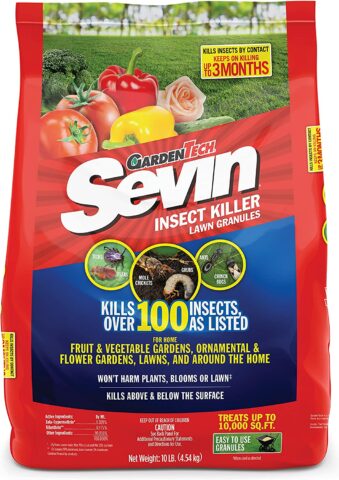
Image Source: www.hepper.com
Grasping What Sevin Dust Is
Sevin dust is a common name for a type of insecticide. This dust is mostly used in gardens and on plants. It helps kill bugs that eat plants. The main working part in Sevin dust is a chemical called carbaryl.
Carbaryl works by attacking the nervous system of insects. It messes up how their nerves send signals. This makes the bugs stop moving and die.
Sevin dust comes in different strengths. A common one is Sevin 5 Dust. This means it has 5% carbaryl. It is made for outdoor garden use. It is not made for putting Sevin 5 dust on animals.
Why Sevin Dust Harms Dogs
The same way carbaryl kills bugs is why it harms dogs. Dogs have nervous systems too. Carbaryl messes up their nerve signals just like it does in bugs.
This chemical is a type of poison called a carbamate insecticide. It stops a very important helper in the body called an enzyme. This enzyme is like a cleanup crew for nerve signals. Without it working right, nerve signals fire too much and don’t stop. This over-firing of nerves makes the body go haywire.
Dogs can get this poison into their bodies in different ways.
- Eating It: A dog might walk on grass or dirt treated with Sevin dust. The dust gets on their paws and fur. Later, the dog licks its fur to clean itself. It eats the dust this way. This is a very common way dogs get poisoned.
- Skin Contact: The dust can soak through a dog’s skin. This is especially true in places with thin skin, like the belly. If the dog has any cuts or scrapes, it’s even easier for the poison to get in.
- Breathing It In: When you put the dust down, tiny bits float in the air. A dog nearby can breathe these tiny bits in. The poison goes into their lungs and then into their blood.
Once the carbaryl is inside the dog’s body, it goes to work. It starts blocking that important enzyme. This leads to Carbaryl poisoning in dogs. The effects of Sevin dust on dogs can be very serious and happen quickly.
Deciphering Carbaryl Poisoning in Dogs
Carbaryl poisoning is a medical emergency for dogs. It happens when a dog gets too much carbaryl in their system. Even a small amount can be harmful, especially for small dogs, puppies, old dogs, or dogs with other health problems.
The poisoning happens because the carbaryl stops the enzyme that breaks down a nerve signal chemical. This signal chemical builds up. It keeps telling nerves to fire. This affects many parts of the body that rely on these nerve signals.
- Muscles (like breathing muscles, muscles that control bladder/bowel)
- Glands (like tear glands, drool glands)
- Parts of the brain
When these body parts get too many signals, they stop working right. This leads to the signs of poisoning you might see.
Seeing the Signs: Symptoms of Sevin Dust Exposure Dogs
It’s vital to know what to look for if you think your dog got into Sevin dust. The symptoms of Sevin dust exposure dogs can show up fast, often within minutes or a few hours after contact.
The signs often relate to the nervous system being overstimulated. Think of it like things happening too much or shaking uncontrollably.
Here are common signs:
- Drooling (Excessive Salivation): This is a very common sign. Dogs will drool a lot, sometimes like water running from their mouth.
- Watery Eyes (Lacrimation): Their eyes might water much more than normal.
- Small Pupils: The dark centers of their eyes might become very small.
- Vomiting: The dog might throw up.
- Diarrhea: Loose or watery poop.
- Peeing or Pooping Accidents: They might lose control of their bladder or bowels.
- Muscle Twitching or Shaking: You might see muscles jump or the whole body might tremble or shake.
- Weakness: The dog might seem tired, unsteady, or unable to stand well.
- Trouble Breathing: They might pant heavily, breathe fast, or struggle to get air. Their gums might look blue or pale.
- Slow Heart Rate: The vet might find the heart beating too slowly.
- Stumbling or Difficulty Walking: Due to muscle weakness or nerve issues.
- Acting Strange: They might seem confused, restless, or scared.
- Seizures: In very bad cases, the dog might have fits or convulsions.
- Collapse or Coma: The dog might become unable to move or become unconscious.
These symptoms can range from mild to very severe. Mild signs might just be a little drooling or shaking. Severe signs include breathing trouble, seizures, or collapse. If you see any of these signs and think your dog was near Sevin dust, you need to act fast.
The Big Picture: Risks of Using Sevin on Pets
Putting Sevin dust on a pet, or letting them get into it, carries many risks of using Sevin on pets. These risks are not worth taking.
Here are some of the major risks:
- Acute Poisoning: This is the most immediate and serious risk. Carbaryl poisoning happens fast and needs urgent vet care. Without quick treatment, it can be deadly.
- Skin Problems: The dust itself can irritate a dog’s skin. It can cause redness, itching, or a rash. If the dog scratches, it can lead to open sores and infection.
- Breathing Problems: Breathing in the dust can harm the lungs. It can make breathing hard, especially for dogs with breathing issues already.
- Eye Irritation: If the dust gets in a dog’s eyes, it can cause pain, redness, and damage.
- Long-Term Effects: While carbaryl is often broken down relatively quickly by the body, repeated exposure or a bad poisoning event could potentially have longer-lasting health effects, especially on the nervous system.
- Risk to Young or Old Dogs: Puppies and older dogs are often more sensitive to poisons. Their bodies may not handle the chemical as well.
- Risk to People: If you put Sevin dust on your dog, you can get it on your hands. Then you can breathe it in or get it in your mouth. It’s also not safe for you. Children in the house are also at risk from touching the dog or areas the dog has been.
- It Doesn’t Even Work Well for Fleas on Dogs: Sevin dust is made to stay on plants or soil. It does not stick to a dog’s fur or skin in a way that would effectively kill all fleas over time. Fleas hide deep in the fur. The dust is unlikely to reach them well. Plus, dogs clean themselves, removing any dust that might be there anyway. So, as Sevin dust flea control dogs, it’s a very poor and dangerous choice.
Using Sevin on a pet is playing a very dangerous game with their health and life.
What a Veterinarian Thinks: Veterinarian Opinion Sevin Dust Dogs
Ask any vet, “Can I put Sevin dust on my dog?” or “Is Sevin dust safe for dogs?”. Their answer will be a strong and clear NO.
Veterinarian opinion Sevin dust dogs is very clear: do not use garden pesticides on pets.
Vets know how these chemicals work. They see the terrible results of poisoning. They have safe, modern, and effective medicines specifically made for pets to kill fleas and other pests. These pet-specific products have been tested. Scientists know how much is safe for a dog’s body weight. They know how long they last and how they work without hurting the dog.
Garden products like Sevin dust are not tested for safety on animals like dogs. They are made for a different purpose and a different environment. Using them on a pet is like using bug spray for your house on your food – it’s just not what it’s made for and it’s risky.
Your vet is the best person to talk to about flea control for your dog. They can recommend a product that is safe and right for your specific dog’s needs and lifestyle.
The Idea of Sevin Dust Flea Control Dogs (And Why It’s Wrong)
Some people might hear or think that using Sevin dust flea control dogs is an option. This idea often comes from a time when people didn’t know as much about pet safety and chemicals. Or they might be looking for a cheap and easy way to kill fleas.
However, as we’ve covered, this is a very dangerous idea.
- It’s Poisonous: The main reason is the carbaryl is a poison for dogs.
- Poor Effectiveness: It doesn’t even work well to get rid of fleas long-term because it doesn’t stay on the dog and dogs groom it off.
- Risk to the Dog: The dog is likely to eat the poison when licking itself.
- Risk to the Home: The dust spreads in your home, putting people and other pets at risk.
Instead of using a dangerous garden product, there are many excellent, safe ways to control fleas on dogs and in your home.
What To Do If Your Dog Gets Sevin Dust On Them
If you used Sevin dust on your dog, or if you think your dog walked through it and might have licked some, act fast!
- Get Away from the Dust: Move your dog right away to a clean area where there is no more dust.
- Call Your Veterinarian IMMEDIATELY: This is the most important step. Don’t wait. Call your vet or an emergency vet hospital. Tell them what happened, what product it was (look at the label if you can), and what symptoms you see. They will tell you what to do next.
- Try to Wash Your Dog (If Advised by Vet): The vet might tell you to wash your dog right away to get the dust off the fur and skin.
- Wear gloves to protect yourself.
- Use a mild dish soap (like Dawn) or a gentle dog shampoo.
- Wash the dog thoroughly, making sure to get down to the skin.
- Rinse your dog very well with lots of clean water. You want to get all the soap and any remaining dust off.
- Be careful not to let the dog get cold after washing.
- Do NOT Make Your Dog Vomit Unless Your Vet Tells You To: Sometimes making a dog throw up can cause more problems. Only do this if a vet specifically instructs you to.
- Bring the Product to the Vet: If you have to take your dog to the vet, bring the container of Sevin dust with you. The label has important information the vet needs.
Quick action is key in cases of poisoning.
Safe and Better Ways: Alternative Flea Treatments for Dogs
Since Sevin dust is off-limits and dangerous, what should you use for fleas? There are many excellent alternative flea treatments for dogs that are safe and work well. These are the methods vets recommend.
These products are made and tested for use on animals. They contain chemicals, but these chemicals are chosen and measured to be safe for dogs while still killing fleas.
Here are some safe options:
- Oral Medications (Pills or Chews): Your dog eats these. The medicine gets into their blood. When a flea bites the dog, the flea takes in the medicine and dies. Many are given once a month. They work from the inside out. Examples: Bravecto, NexGard, Simparica, Credelio, Comfortis, Capstar (Capstar kills fleas very fast but only lasts 24 hours, often used for quick relief while a longer-acting product starts).
- Topical Medications (Spot-Ons): You squeeze a small amount of liquid onto your dog’s skin, usually between the shoulder blades or down the back. The liquid spreads over the skin or is soaked into the body. It kills fleas when they touch the dog’s skin or bite the dog. Examples: Frontline, K9 Advantix, Advantage, Revolution (Revolution also prevents heartworms). These are also usually given once a month.
- Flea Collars: Some newer flea collars release a chemical that spreads over the dog’s skin and fur. They can last for several months. Examples: Seresto collar. Make sure to use a genuine product bought from a reliable source (like your vet or a trusted pet store). Older, cheaper collars might not be very effective or safe.
- Flea Shampoos: These can kill fleas that are on your dog right now. However, they only work while the shampoo is on the dog. As soon as you rinse it off, there’s nothing left to kill new fleas that jump on. Shampoos are a quick fix but not a long-term solution. They can be used as a first step if a dog is covered in fleas, but you need to follow up with a longer-lasting product.
- Flea Sprays: Some sprays are safe for pets. You spray them lightly over the dog’s fur. Like shampoos, their effect can be temporary. Read the label carefully to make sure it’s for pets.
- Flea Combs: This is a simple tool. You comb through the dog’s fur to physically remove fleas and flea dirt (flea poop). It’s safe but doesn’t kill fleas that are still on the dog or in the environment.
Important Considerations for Safe Alternatives:
- Talk to Your Vet: Always ask your vet which product is best for your dog. They will consider your dog’s age, size, health, other medications, and your local flea situation.
- Use the Correct Size: Flea products for dogs come in different sizes based on the dog’s weight. Using the wrong size can be unsafe or not work.
- Read the Label: Carefully read and follow all instructions on the product label. Never use a product meant for dogs on a cat, as this can be deadly.
- Treat the Environment: Fleas live not just on your dog, but also in your home (carpets, furniture) and yard. To truly get rid of fleas, you often need to treat the environment too. Your vet can give you advice on safe ways to do this (vacuuming often, washing bedding, using premise sprays or foggers safely).
These safe and approved options work much better than Sevin dust and don’t put your dog’s life at risk.
Keeping Your Dog Safe from Garden Chemicals
Even if you don’t think about using Sevin dust on your dog, you might use it or other pesticides in your yard. It’s important to keep your pets safe from these products too.
Here are some tips:
- Read Product Labels Carefully: Make sure you know if a product is safe for pets to be around after it’s used.
- Keep Pets Away During Application: When you are putting down dust or spraying, keep your dog inside or in a different area.
- Wait for Products to Dry/Settle: If you spray something, wait until it is completely dry before letting your dog go into the area. If you use dust, try to water it in if the label allows, or wait until the dust has settled and is less likely to get on paws.
- Store Products Safely: Keep all pesticides and garden chemicals locked away where pets (and children) cannot reach them.
- Consider Pet-Safe Options: Look for garden products that are specifically labeled as safe for pets. There are often natural or less toxic options for pest control in the garden.
- Talk to Your Neighbors: If your neighbors use pesticides, be aware of areas near your property line that might be treated.
Taking simple steps can protect your dog from accidental exposure to dangerous chemicals.
Thinking Back: Effects of Sevin Dust on Dogs
Let’s remember the effects of Sevin dust on dogs are serious because the chemical, carbaryl, messes with their nervous system. This can lead to:
- Lots of drool, tears, peeing, and pooping.
- Shaking, twitching, or weakness.
- Throwing up and diarrhea.
- Trouble breathing.
- In the worst cases, seizures, collapse, or death.
This is why using Sevin dust for Sevin dust flea control dogs or any other reason on a pet is a bad and dangerous idea. The risks of using Sevin on pets are too high.
In Summary
You cannot put Sevin dust on your dog. It is a garden product that contains carbaryl, a poison for dogs. It causes carbaryl poisoning in dogs which is a medical emergency. The symptoms of Sevin dust exposure dogs include drooling, shaking, vomiting, and breathing problems. Is Sevin dust safe for dogs? No, it is very unsafe. The risks of using Sevin on pets are severe illness or death. Veterinarian opinion Sevin dust dogs is strongly against its use on pets. Ignore the old idea of Sevin dust flea control dogs. Instead, choose safe alternative flea treatments for dogs recommended by your vet. Keep Sevin 5 dust on animals or any pets is never okay.
Keeping your dog safe from fleas and other pests is important, but it must be done using products made for pets. Always talk to your vet for the best advice.
Frequently Asked Questions About Sevin Dust and Dogs
Here are some common questions people have about Sevin dust and its danger to dogs.
h4 Is just a little bit of Sevin dust okay on my dog?
No, even a little bit can be harmful. Small dogs, puppies, older dogs, or dogs with health problems are more likely to get sick from even a small amount. It’s impossible to know how much is “safe,” so it’s best to use zero on your dog.
h4 What if my dog walked through Sevin dust in the yard?
If the dust is dry and on the surface, the main risk is that your dog will lick it off their paws or fur later. If you see dust on them, try to brush it off outside carefully (wear gloves) or wash them with mild soap and water right away. Watch for any signs of sickness (like drooling, shaking, upset stomach). Call your vet for advice even if you don’t see symptoms, as they might appear later. Keep the dog from licking themselves before washing.
h4 Can I use Sevin dust in my dog’s bed or dog house?
No, definitely not. Dogs spend a lot of time in their beds or dog houses. Using Sevin dust there means they would be breathing it in constantly and getting it on their fur to lick off. This is a very high-risk way to expose them to the poison.
h4 What about Sevin liquid spray instead of dust? Is that safe for dogs?
No, Sevin comes in liquid forms too, and these also contain carbaryl or similar chemicals. They are also dangerous for dogs if they drink the liquid, walk through it while it’s wet, or breathe in the spray. The rule is: garden pesticides are not for pets.
h4 How is a safe flea product different from Sevin dust?
Safe flea products for dogs are made differently. They contain chemicals that are tested and approved to be safe for dogs’ bodies at the correct dose. They target fleas and are given in ways that reduce risk to the dog (like pills the dog eats, or liquid that soaks into the skin safely). Sevin dust’s chemical is dangerous to dogs’ nervous systems and is not made to be absorbed or eaten by them.
h4 Can Sevin dust hurt other pets like cats or birds?
Yes. Sevin dust and its active ingredient, carbaryl, are poisonous to many animals, including cats, birds, and fish. Never use Sevin dust on any pet. Cats are especially sensitive to many chemicals, and flea products made for dogs can be deadly to cats. Always use pest control products specifically made and approved for the type of animal you have.
h4 How long does Sevin dust stay dangerous in the yard?
This depends on things like rain, sun, and temperature. It can remain toxic for a week or more after being applied. Always check the product label for specific instructions on how long to keep people and pets away from treated areas.
h4 My dog got into Sevin dust, but seems fine. Do I still need to call the vet?
Yes, it’s best to call your vet even if your dog looks okay right after exposure. Signs of poisoning can sometimes take a little while to show up. Your vet can tell you what symptoms to watch for and if any action is needed now, just to be safe. It’s always better to be cautious.