
Image Source: images.squarespace-cdn.com
Expert Advice On How To Stop Dog Zoomies Fast & Easy
What are dog zoomies? They are sudden bursts of energy. We call them Frenetic Random Activity Periods, or FRAPs. Can you stop them? You can manage them well, making them less common and safer. Are they bad? No, they are a normal way for dogs to release energy. This guide will help you understand them and keep them under control.
Interpreting Frenetic Random Activity Periods (FRAPs)
Dog zoomies are easy to spot. Your dog suddenly runs very fast. They might run in circles. They might tuck their rear end down. They might do quick turns and stops. It looks like a burst of crazy, wild energy. This is what experts call Frenetic Random Activity Periods, or FRAPs.
These bursts usually last only a few minutes. They are often short-lived. Your dog might seem totally normal before and after. Then, suddenly, the zoomies happen.
Why Dogs Get Zoomies
Comprehending why dogs get zoomies helps you manage them. It is a way for dogs to let out energy. Think of it as your dog’s way of saying, “I have too much energy!” There are a few main reasons why this happens:
Releasing Pent-Up Energy
This is the most common reason. Dogs need to use their bodies and minds. If they haven’t had enough exercise, they build up energy. Zoomies are a quick way to use it. This is a big part of dog hyperactivity. They just need to run and play.
Feeling Excited
Happy moments can start zoomies. Maybe you just got home. Maybe you picked up a favorite toy. Your dog gets very excited. This energy comes out as zoomies.
Releasing Stress
Sometimes, zoomies help a dog deal with stress. A new place or a strange noise might make a dog feel nervous. Running fast can be a way to cope. It helps them shake off the bad feeling.
After Being Still
Dogs often get zoomies after being in a crate. They also get them after a long nap. They have been holding still. Now they need to move. This is like stretching their legs in a very fast way.
Common Times for Zoomies
Certain times or events often cause zoomies. Knowing these times helps you get ready.
Zoomies After Bath
This is very common. Many dogs get the zoomies right after a bath. They might feel relieved it is over. They might feel strange with wet fur. Running shakes off water and feelings. It is a classic zoomie time.
Stopping Evening Zoomies
Many dogs get zoomies in the evening. The house might be calm. The family is settling down. The dog has held energy all day. Now is the time to let it out. This can be annoying when you want to relax.
After Pooping
Some dogs get the zoomies after they poop. Experts are not sure why this happens. It might be relief. It might be using energy that was held in. It is a quick, joyful burst for them.
After Long Crates
If your dog spends time in a crate, watch out. When they come out, they might need to run. The zoomies are a way to stretch out fast.
Managing Dog Zoomies: How to Calm a Hyper Dog
The best way to manage dog zoomies is through prevention. Give your dog ways to use energy safely. This means using methods to calm a hyper dog before they hit top speed.
Exercise for Dog Zoomies
Proper exercise is key. It helps lower the amount of pent-up energy. If your dog runs enough during the day, they might not need to zoomie inside.
How Much Exercise?
- This depends on your dog.
- Age matters. Puppies need bursts, but get tired fast. Adult dogs need more steady work.
- Breed matters. Some dogs, like collies or retrievers, need a lot of running and work. Others, like bulldogs, need less.
- Your vet can help you figure out the right amount.
Types of Exercise That Help:
- Fast Walks: More than just a potty break. A brisk walk where your dog moves steadily.
- Running: If your dog can run safely, this is great. Parks or open fields are good places.
- Fetch: Throwing a ball or toy lets them run fast in short bursts.
- Swimming: If your dog likes water, this is a great way to tire them out. It is easy on their joints too.
- Dog Parks: Playing with other dogs can use a lot of energy. Make sure your dog is good with other dogs first.
- Flirt Pole: This is a pole with a toy on a rope. You move the toy fast. Your dog chases it. It helps them burn energy in a small space.
Timing Exercise:
Try to exercise your dog before common zoomie times. If they get evening zoomies, a good walk or play session in the late afternoon can help. If they get zoomies after being alone, a play session right when you get home can work.
Mental Stimulation for Dogs
Don’t just tire the body. Tire the brain too. Mental work uses a lot of energy. Think of how tired you feel after thinking hard. It is the same for dogs. Providing mental stimulation for dogs helps reduce hyperactivity and the need for FRAPs.
Why Mental Work Helps
Thinking hard makes dogs tired. It helps them feel satisfied. A dog who has used their brain feels less need to just run wildly. It is like a different kind of exercise.
Ideas for Mental Stimulation:
- Puzzle Toys: Toys where the dog has to figure out how to get treats out. Kongs filled with peanut butter or kibble work well. Freeze them to make it harder.
- Sniffing Games: Hiding treats or kibble around the house or yard. Let your dog use their nose to find them. Smelling is hard work for dogs!
- Training Sessions: Short, fun training sessions. Teach new tricks or work on old ones. This makes them think and follow rules. Aim for 5-10 minutes a few times a day.
- Chew Toys: Safe chew toys can help dogs relax and focus. Chewing is a calming act for many dogs.
- New Places: Take your dog to new places to explore. A new walking route, a pet-friendly store, or a friend’s yard. New smells and sights are very stimulating.
Dog Zoomies Training
You can use training to help manage zoomies. This is part of how to calm a hyper dog. Training builds impulse control. It teaches your dog to listen even when excited.
Training Cues That Help:
- “Sit” or “Down”: Basic cues. Practice these often. Reward calm behavior.
- “Place” or “Mat”: Teach your dog to go to a specific spot and stay there. This gives them a calm place to go when excited.
- “Leave It”: This helps with impulse control. It teaches them not to go after something exciting right away.
- Relax Protocol: This is a specific training plan. It teaches your dog to stay calm in different situations. It often starts with just sitting on a mat and rewarding them for staying calm.
How Training Helps with Zoomies:
Training helps your dog learn to control their body. It gives them other things to do instead of just running wild. If you see zoomies starting, you might be able to use a strong cue like “Sit” or “Place” to stop the burst.
Consistency is Key
Train often, but keep sessions short and fun. Use positive rewards like treats or praise. Building good training habits takes time and patience. It helps with managing dog zoomies in the long run.
What to Do During a Zoomie Episode
Sometimes, despite your best efforts, the zoomies happen. What should you do then?
Ensure Safety First
- Clear the area. Move furniture if you can.
- Make sure there are no small items your dog could run into or trip on.
- Keep kids and other pets out of the way.
- If outside, make sure the area is fenced and safe. Check for holes or things they could run into.
Do Not Chase
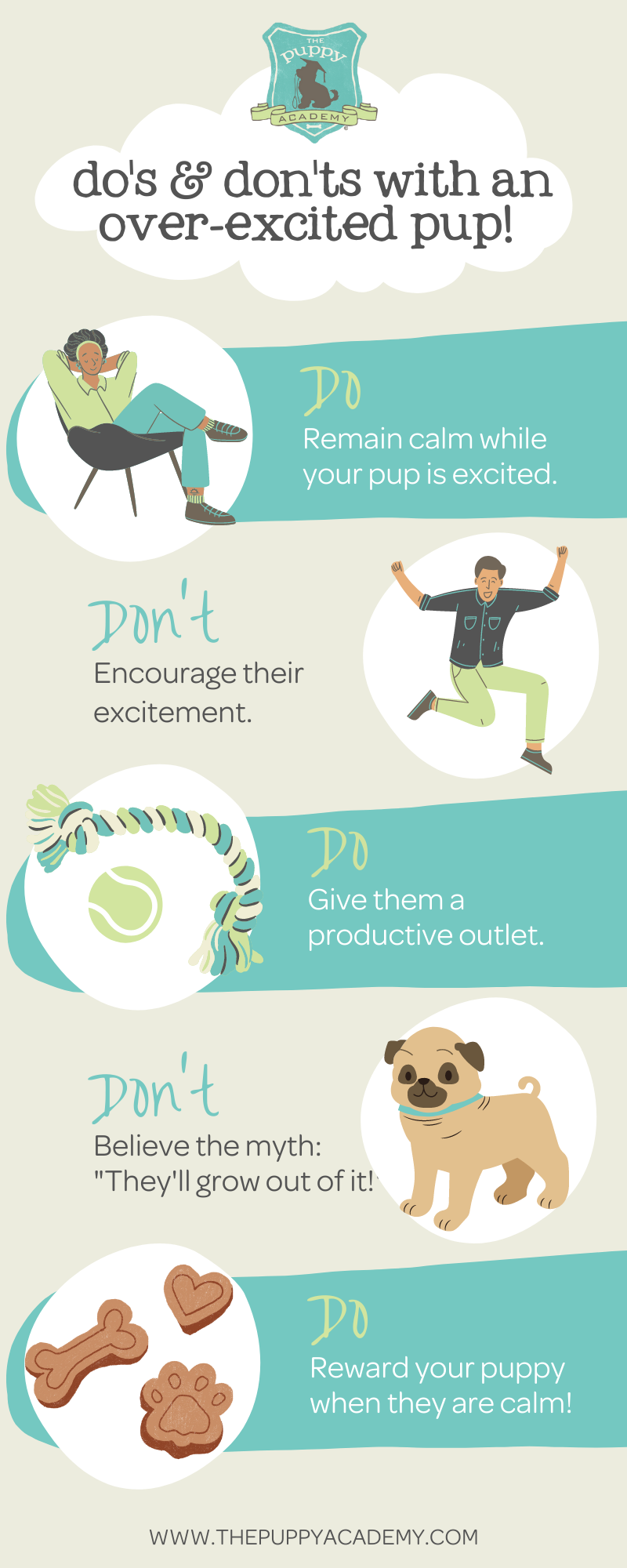
It might seem fun, but chasing your dog during zoomies makes it worse. They think you are playing. This makes them run even faster. Avoid running after them.
Stay Calm
Your energy affects your dog. If you get excited or stressed, your dog might too. Stay calm. Speak in a low, calm voice if you talk to them at all.
Wait It Out
Often, the best thing is to just let the zoomies happen. They are usually short. As long as the area is safe, let your dog run it out. They will stop when the energy is gone.
Gentle Redirection (Maybe)
Only try this if your dog is not too far gone in the zoomies. You could scatter a few treats on the floor away from obstacles. This might get them to stop running and sniff instead. Do not try to grab them or wave a toy wildly. That might make them more frantic.
Specific Situations: Stopping Evening Zoomies and After Bath
These times are very common for zoomies. Here are some tips for these specific moments.
Strategies for Stopping Evening Zoomies
- Evening Exercise: A good brisk walk, fetch session, or run in the late afternoon is very helpful. Burn off that stored energy before the evening calm sets in.
- Evening Mental Work: Give a puzzle toy or a long-lasting chew in the early evening. This gives their brain something to do instead of storing energy.
- Training Before Calm Time: Do a short training session before everyone settles down. This uses mental energy and encourages calm behavior.
- Routine: Dogs like a predictable routine. If they know they get exercise at a certain time, it can help manage energy levels.
- Calm Down Cue: Work on a “settle” or “relax” cue. Practice this when they are already calm. Then, start using it in the early evening. Reward them for lying down quietly.
Handling Zoomies After Bath
- Get Ready: Have towels ready. Plan where you will release them. A safe, open area is best. Maybe let them out in a secure yard right after the bath (if it is warm enough).
- Rub Down Well: Dry your dog as much as you can. This might help some dogs feel less frantic about being wet.
- Release in a Safe Zone: Let them go in the chosen safe area. Close doors to rooms with breakable items or hazards.
- Ignore the Running: Let them run it out in the safe space. Do not chase.
- Redirect After the Peak: Once they start to slow down, you can try redirection. Maybe offer a favorite toy or a high-value chew.
Long-Term Strategies for a Calm Dog
Managing dog zoomies is part of raising a well-adjusted dog. It’s not just about stopping the running. It’s about meeting your dog’s needs.
Provide Enough Physical Activity
- Daily walks or runs.
- Regular play sessions.
- Think about your dog’s breed needs. A working dog needs more than a lap dog.
Provide Enough Mental Activity
- Daily training practice.
- Use puzzle toys or sniffing games often.
- Rotate toys to keep them new and interesting.
Build a Strong Bond
- Spend quality time with your dog.
- Play games together.
- Petting and calm praise help build trust. A secure dog is often less anxious and hyper.
Teach Calm Behavior
- Reward your dog when they are calm.
- Ignore demanding or overly excited behavior (when safe to do so).
- Teach them that calm brings good things (attention, treats).
Stick to a Routine
Dogs feel safer with a routine. Regular times for waking, feeding, potty breaks, exercise, training, and sleep help manage energy and reduce stress.
When to Seek Expert Help
Most zoomies are normal. But sometimes, excessive hyperactivity can be a sign of something more.
Talk to Your Vet If:
- The zoomies seem too frequent or last a very long time.
- Your dog seems anxious or stressed during zoomies.
- The hyperactivity happens with other strange behaviors.
- You worry your dog might be hurting themselves during zoomies.
- The zoomies are sudden and new in an older dog.
Consider a Professional Dog Trainer
If training for calming and impulse control is hard, a trainer can help. They can show you techniques for dog zoomies training. They can help you create a plan for managing dog zoomies specific to your dog.
Grasping the Difference: Zoomies vs. Problem Behavior
It is important to know the difference. Normal zoomies are short, frantic bursts. They look playful, even if wild. Problem hyperactivity is different. It might be constant restlessness. It might be destructive behavior driven by anxiety or boredom.
- Zoomies: Short, ends quickly, looks like joyful running.
- Problem Hyperactivity: Constant energy, cannot settle, might whine or be destructive, often linked to anxiety or boredom.
If you think your dog’s energy is more than normal zoomies, talk to your vet or a certified behaviorist.
Key Points for Managing Zoomies
Here is a quick look at the main ways to help.
| Strategy | How It Helps | Examples |
|---|---|---|
| Exercise | Burns physical energy, reduces build-up | Running, fetch, brisk walks, swimming |
| Mental Stimulation | Tires the brain, satisfies needs | Puzzle toys, sniffing games, training, new places |
| Training | Builds impulse control, teaches calm behavior | “Sit”, “Down”, “Place”, “Settle” cues |
| Routine | Provides predictability, helps manage energy times | Regular schedule for activities |
| Safe Environment | Prevents injury during bursts | Clear space, secure yard |
| Patience | Zoomies are normal, management takes time | Stay calm, wait it out |
Creating a Safe Zone
Having a safe zone for zoomies is a simple but great idea. This could be a specific room. It could be a section of your yard.
How to Make a Safe Zone:
- Remove anything breakable.
- Remove sharp corners or hard objects your dog could run into.
- Make sure the floor is not too slippery.
- Ensure no small items are on the floor that could be eaten or cause choking.
- If it is a yard, make sure the fence is secure and there are no holes.
When you see the zoomies starting, or right after a bath, lead your dog to this safe zone if possible.
Importance of Play
Play is exercise, but it is also mental and emotional. Playing with your dog builds your bond. It also helps them use energy in a directed way. Games like fetch, tug (with rules), or hide-and-seek (find the toy) are great ways to play together. This can be a good part of exercise for dog zoomies.
FAQ: Common Questions About Dog Zoomies
Q: Are zoomies only for puppies?
A: No. Puppies get them a lot because they have huge bursts of energy. But adult dogs get them too. Even senior dogs might get them sometimes!
Q: Do certain breeds get zoomies more than others?
A: High-energy breeds, like Border Collies, Labs, or Poodles, might get zoomies more often if they don’t get enough exercise and mental work. But any dog can have them.
Q: Should I try to stop my dog when they are zooming?
A: Trying to physically stop them or chase them usually does not work well. It can even make them run faster or think it is a game. It is best to make the area safe and let the short burst happen. You can work on preventing them with exercise and training instead.
Q: Can zoomies be a sign of fear?
A: Yes, sometimes. Zoomies can be a way to release stress or nervous energy. If your dog gets zoomies after a scary event (like a loud noise), it could be stress. Watch their body language for other signs of fear.
Q: What if my dog runs into things or slips during zoomies?
A: This is why making the area safe is very important. If it happens often, check your floors. Non-slip mats might help inside. Check for poor coordination – sometimes health issues can affect how they move. Talk to your vet if you are worried about them getting hurt.
Q: Can food affect zoomies?
A: For most dogs, food does not directly cause zoomies. It is more about pent-up energy and excitement. However, a healthy diet is important for overall energy levels and health.
Q: How long do zoomies last?
A: Usually, just a few minutes. Often less than 5 minutes. If they last much longer or happen constantly, talk to your vet.
Conclusion: Patient Management is Key
Dog zoomies, or FRAPs, are normal. They are a healthy way for dogs to use energy. You cannot always stop them completely, but you can manage them well.
Focus on preventing them by meeting your dog’s needs. Give them enough exercise for dog zoomies. Provide plenty of mental stimulation for dogs. Use consistent dog zoomies training to build calm behavior and impulse control. Know the common times, like zoomies after bath or stopping evening zoomies, and plan ahead.
When zoomies happen, make the area safe and let your dog run it out. Stay calm and do not chase.
With patience, understanding, and consistent effort, you can help your dog manage their energy. This leads to a happier, calmer dog and a safer home for everyone. It is all part of learning how to calm a hyper dog and live happily together.