
No, you cannot use a human pregnancy test on a dog, and doing so will not tell you if your dog is pregnant. Human pregnancy tests work by detecting a specific hormone found in pregnant humans, called human chorionic gonadotropin (hCG). Dogs produce different hormones during pregnancy than humans do. Because dogs do not produce hCG, a human pregnancy test will not show a positive result for a pregnant dog. It simply isn’t designed to detect canine pregnancy.
Knowing if your dog might be pregnant is a big deal. You want to know as soon as you can. Maybe you saw her mate, or maybe she is showing some changes you think might mean she is having puppies. It’s natural to wonder if there is a quick and easy test you can do at home, like a human pregnancy test. But these tests are not made for dogs. Using one on your dog is a waste of time and money. It just won’t give you the right answer.
This article will explain why human pregnancy tests are useless for dogs. We will look at why different animals need different tests. We will also talk about how vets do find out if a dog is going to have puppies.
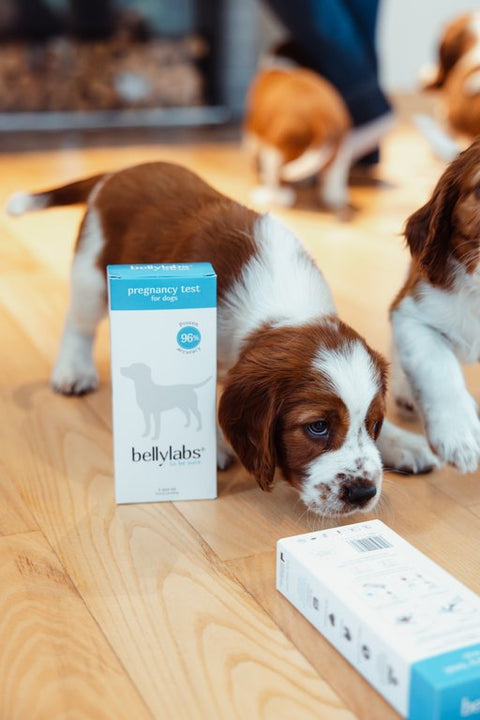
Image Source: belly-labs.com
Why Human Tests Don’t Work for Dogs
Human pregnancy tests look for a special chemical in pee. This chemical is a hormone. It’s only in the body when a human is pregnant. The test strip has something on it that reacts to this hormone. If the hormone is there, a line or symbol shows up. If it’s not, nothing happens, or a different line shows up. This system works well for people.
But dogs are different. Their bodies work in their own way. They get pregnant using different steps and different hormones. The hormone a human test looks for is not part of a dog’s pregnancy. So, putting a dog’s pee on a human test is like trying to use a key for a car to open a house door. It just doesn’t fit. The test cannot find what it is looking for because it is not there in a dog’s body. This is the main reason why a human pregnancy test fails on dog pee.
Deciphering Pregnancy Hormones
Hormones are like tiny messengers in the body. They tell different parts of the body what to do. Pregnancy is a time when a lot of hormones are working. They help an egg grow, get the body ready for a baby, and keep the baby safe as it grows.
Every kind of animal has its own set of hormones for pregnancy. Think of it like different languages. Humans speak one hormone language for pregnancy. Dogs speak another. A human test only understands the human language. It cannot understand the dog language.
Hormones in Dog Pregnancy
Dogs have a heat cycle. This is when they can get pregnant. After mating, if pregnancy happens, a few hormones become important. One key hormone in dogs is progesterone.
Progesterone helps the body prepare for pregnancy. It helps the fertilized eggs settle in the womb. It also helps keep the pregnancy going. Progesterone levels go up after a dog’s heat cycle, whether she is pregnant or not. But in pregnant dogs, progesterone levels stay high for a long time.
Another hormone linked to dog pregnancy is relaxin. This hormone is made later in the pregnancy by the growing puppies’ placentas. Relaxin helps loosen things up in the body to get ready for birth. Finding relaxin is a good sign that a dog is pregnant. We will talk more about this later when we discuss how vets test for pregnancy.
Hormones in Human Pregnancy
Humans have a different hormone pattern. After a human egg is fertilized, it starts to grow. Soon, the growing group of cells makes a hormone called human chorionic gonadotropin (hCG).
HCG is made by the tissue that will become the placenta. The level of hCG goes up very fast in early pregnancy. This is the hormone that human pregnancy tests look for in pee or blood. It’s a clear sign that a human is pregnant.
Hormone Differences Dog Human
Let’s put it simply.
- Human Pregnancy: Needs hCG hormone. This is what home pee tests look for.
- Dog Pregnancy: Needs progesterone and later relaxin hormones. Dogs do not make hCG.
This big difference in hormones is why a human pregnancy test on a dog does not work. The test is looking for hCG. hCG is not in a dog’s pee or blood, even if she is pregnant with a big litter of puppies. The test will just show negative or invalid because the key ingredient (hCG) is missing. This explains the hormone differences dog human relating to pregnancy testing.
Why a Human Test Can’t Tell if a Dog is Pregnant
A human pregnancy test is a clever tool. It uses special chemicals that react to hCG. When hCG touches these chemicals on the test strip, it causes a color change or makes a line appear. It’s like a lock and key. hCG is the right key to unlock the positive result on the human test lock.
For a dog, there is no hCG key. So, when you use a dog’s pee on a human test, it’s like trying to put a different shaped key into the lock. Nothing happens. The test cannot react because the substance it is built to find is not there.
This means the accuracy human pregnancy test dog use is zero. It has no accuracy at all for a dog. It might show a false negative (saying not pregnant when she is) because it can’t find the right hormone. Or it might just show invalid. It will never show a true positive for a dog because a dog’s body does not make hCG.
So, the idea that dogs can use human tests is incorrect. Their biology is too different in this specific way. Why human pregnancy test fails on dog pee is purely based on this fundamental difference in hormone chemistry.
Seeing Signs a Dog is Pregnant
While you can’t use a human test, your dog might show signs that she is pregnant. These are called dog pregnancy symptoms early signs. However, these signs are not always easy to spot in the very beginning. Also, some of these signs can happen even if a dog is not pregnant, especially after a heat cycle. This is called a “false pregnancy” or “phantom pregnancy.”
Here are some signs a dog is pregnant you might notice:
- Changes in Appetite: She might eat more, or sometimes eat less for a short time early on, like morning sickness in humans.
- Weight Gain: As the puppies grow, she will gain weight, especially around her belly. This usually shows up later in pregnancy.
- Bigger Belly: Her tummy will get larger and rounder. This becomes clear in the second half of the pregnancy.
- Swollen Nipples: Her nipples might get bigger and darker. They might stand out more.
- Behavior Changes: She might be more tired, want more attention, or sometimes want to be alone. She might start “nesting,” which means finding a quiet spot and maybe moving blankets around to make a bed.
- Less Active: She might not want to run and play as much as usual.
These signs can give you a clue. But they are not a sure thing. Some dogs show very few signs until late in pregnancy. Other dogs show these signs even when they are not pregnant (false pregnancy). This is why you need a vet to confirm pregnancy.
How Vets Test for Dog Pregnancy
Since human tests don’t work and physical signs can be tricky, how do vets figure out if a dog is pregnant? Vets have several ways to test for dog pregnancy. These methods look for changes in the dog’s body or specific hormones that are related to canine pregnancy. These are the reliable dog pregnancy detection methods.
Here are the common ways vets test for dog pregnancy:
- Palpation: Feeling the belly.
- Ultrasound: Using sound waves to see inside the belly.
- Hormone Blood Test: Checking for the relaxin hormone.
- X-ray: Taking a picture of the inside of the belly (later in pregnancy).
The best way to test for dog pregnancy often depends on how far along the dog might be. A veterinarian dog pregnancy diagnosis is the most accurate way to know for sure.
Feeling the Belly (Palpation)
A vet can often feel the pregnant dog’s belly gently. In the early stages of pregnancy (around 21-35 days after mating), the vet might feel small, firm bumps in the abdomen. These bumps are the developing puppies inside fluid-filled sacs.
This method needs a skilled hand. If done too early or too late, it might not work. If the vet presses too hard, it could harm the developing puppies. So, this is a test best left to a professional vet. It’s not something for owners to try at home.
Seeing Inside (Ultrasound)
Ultrasound is a great tool for finding out if a dog is pregnant earlier on. It can be used around 25-35 days after mating. An ultrasound machine uses sound waves that bounce off the tissues inside the dog’s body. These waves create a picture on a screen.
With an ultrasound, the vet can see the sacs where the puppies are growing. They can often see the tiny heartbeats inside the puppies. This is a very good way to confirm pregnancy early. It can also give the vet an idea of how many puppies there might be, although counting is not always exact with ultrasound.
Ultrasound is safe for the dog and the puppies. It is a common and reliable method used by vets.
Hormone Blood Test
Remember we talked about the relaxin hormone? This hormone is made by the placentas of developing puppies. It is a specific hormone that shows up only when a dog is truly pregnant.
A vet can do a blood test to check for relaxin. This test is usually done around 25-30 days after mating. If relaxin is found in the blood, it means the dog is pregnant.
This blood test is another accurate dog pregnancy detection method. It’s different from the human pee test because it looks for a hormone specific to pregnant dogs.
Taking a Picture (X-ray)
X-rays are used later in pregnancy, usually after 45 days. By this time, the puppies’ skeletons have formed enough to show up on an X-ray picture.
An X-ray can clearly show how many puppies are inside. This helps the vet and the owner prepare for the birth. Knowing the number of puppies is useful. It helps the vet know if all puppies have been born after labor starts.
X-rays use a small amount of radiation. Because of this, vets wait until later in pregnancy when the puppies are more developed and less likely to be harmed. X-rays are not used early in pregnancy.
Here is a simple table showing different vet methods and when they are best used:
| Vet Test Method | What it Checks For | Best Time to Use (Days Post-Mating) | Can Count Puppies? |
|---|---|---|---|
| Palpation | Developing puppy sacs | ~21-35 days | Not reliably |
| Ultrasound | Puppy sacs, heartbeats | ~25-35 days | Maybe, not exact |
| Relaxin Blood Test | Relaxin hormone | ~25-30 days | No |
| X-ray | Puppy skeletons | ~45+ days | Yes |
As you can see, vets have several reliable tools. None of these involve using a human pregnancy test.
Reasons a Human Pregnancy Test Fails Completely
Let’s really make it clear why a human pregnancy test cannot work on a dog. We touched on the hormone difference. But it is worth going over again simply.
- Wrong Hormone: The test looks for human hCG. Dogs do not make human hCG. It is not in their body when pregnant.
- Different Biology: The signals and chemicals that show pregnancy are different in dogs and humans. It’s not just about one hormone; the whole system is different.
- Test Design: The test kit is made only to react to hCG. It has no way to react to progesterone, relaxin, or any other dog hormone. It is like trying to use a TV remote control to change channels on a radio.
Thinking that a human test could work on a dog misunderstands basic biology. Just like you cannot use a cat pregnancy test on a rabbit, or a cow pregnancy test on a horse, you cannot use a human test on a dog. Each test is made for a specific animal species because each species has its own unique biology.
Trying it anyway gives you zero useful information. The accuracy human pregnancy test dog is non-existent. It won’t tell you yes or no. It just won’t work. This is why can dogs use human tests is a question with a clear “no” answer.
When to Think About Pregnancy and See a Vet
If your female dog was around an intact male dog while she was in heat, there is a chance she could be pregnant. The heat cycle in dogs happens about every six months. It lasts for about 2-3 weeks. She is most likely to get pregnant during the middle part of her heat.
If mating happened, or you suspect it might have, and you think she is showing some of the dog pregnancy symptoms early signs, it is time to call your vet.
Don’t wait too long to call the vet. Early diagnosis is helpful. It lets you prepare for the puppies. You can learn about how to care for a pregnant dog, what to feed her, and what to expect during birth.
Your vet can recommend the best way to test for dog pregnancy based on how long it has been since she might have gotten pregnant. They will use one of the reliable methods we talked about, like ultrasound or a relaxin test.
Caring for a Dog Ready to Be a Mom
Once the vet confirms your dog is pregnant, you need to help her stay healthy. Good care helps the puppies grow well.
- Food: Your vet will tell you what to feed her. She will need more food as the pregnancy goes on. Often, switching to a high-quality puppy food is a good idea in the last few weeks of pregnancy. This food has more energy and nutrients.
- Exercise: Keep walks gentle. Don’t let her do too much hard running or jumping. She still needs to move, but don’t push her too hard.
- Vet Visits: Go to all vet appointments. The vet will check on her and the puppies. They will tell you what to watch for as her due date gets closer.
- Prepare a Whelping Box: This is a safe, quiet, warm place for her to have her puppies. It should be in a private area of your home. Get it ready before her due date so she can get used to it.
- Learn About Birth: Talk to your vet about what to expect during labor and delivery. Know the signs of trouble so you know when to call the vet for help.
Taking good care of her makes sure she and her puppies have the best chance for a healthy outcome.
Why Relying on Vet Methods is Essential
Trying to use a human pregnancy test on your dog is not just ineffective, it can delay getting real help. If you think your dog might be pregnant and try a human test that comes back negative (which it will!), you might wrongly think she is not pregnant. This could cause you to miss important time when she should see a vet for proper care and testing.
Veterinary dog pregnancy diagnosis uses methods that are scientifically proven to work for dogs. They are designed to find the actual signs of canine pregnancy, whether it’s the presence of puppies on an ultrasound or X-ray, or the specific hormone relaxin in the blood.
These methods are accurate when used at the right time. Palpation and ultrasound work well early on. The relaxin test is also good for earlier confirmation. X-rays are best for knowing the number of puppies closer to the end.
Using these proper methods ensures you get the right answer. It lets you plan for the puppies and give your dog the care she needs during her pregnancy. It takes away the guesswork and worry that comes from using a test that cannot possibly work.
Comparing Canine and Human Reproduction Cycles
To see why human pregnancy tests are so specific to humans, let’s look a bit more at how reproduction cycles differ.
Humans have a monthly menstrual cycle. Pregnancy begins when an egg is fertilized and implants in the uterus lining, leading to the production of hCG.
Dogs have an estrous cycle, often called the heat cycle. This happens usually twice a year, but it varies by breed and individual dog.
- Proestrus: Signs include bloody discharge and swelling of the vulva. Male dogs are attracted, but the female is usually not ready to mate.
- Estrus: This is the fertile period. The discharge may become lighter. The female is receptive to mating. Ovulation (release of eggs) happens during or after this phase.
- Diestrus: This phase follows estrus. It lasts about two months. This is when pregnancy happens if the dog conceived. Even if she is not pregnant, her body acts somewhat like it is. Progesterone is high during this time, whether she is pregnant or not. This high progesterone level is what causes false pregnancies in some dogs.
- Anestrus: This is the resting phase between heat cycles.
See how different this is from the human cycle? The hormonal changes, the timing, and even the fertile window are very different. This complex difference in the entire reproductive process reinforces why a test made for one species cannot work for another.
The fact that progesterone stays high in dogs during diestrus (whether pregnant or not) is why simply testing progesterone isn’t enough to confirm pregnancy in dogs. This is also why dog pregnancy symptoms early signs can be misleading, as they can be caused by progesterone even in a non-pregnant dog. This highlights the need for tests that look for more specific signs, like relaxin (which only appears with placental tissue) or visual proof (ultrasound/X-ray).
Figuring Out Dog Pregnancy Detection Methods
The different ways vets check for dog pregnancy are all based on solid science about how dog bodies work.
- Palpation relies on feeling the physical presence of the growing puppy sacs, which are a physical change in the uterus.
- Ultrasound uses sound waves to create an image based on the density and shape of the tissues. It can detect fluid-filled sacs and even bony structures (later on). It also shows movement, like heartbeats.
- The Relaxin Blood Test is a form of hormone testing dog pregnancy. It uses special chemicals that bind only to the relaxin hormone, just like the human test binds only to hCG. But this test is specifically calibrated and designed to find canine relaxin.
- X-rays use radiation to create images based on how much different tissues absorb the radiation. Bone absorbs more than soft tissue, so the puppy skeletons become visible.
These methods are proven and reliable because they directly look for physical proof of puppies or a hormone only made when puppies are growing. They are the best way to test for dog pregnancy.
Why Using the Right Test Matters
Using the correct diagnostic tools is crucial in all areas of health. For dog pregnancy, it means getting an accurate answer quickly.
If you suspect your dog is pregnant, a vet visit is the necessary next step. Don’t waste time with a human test. The veterinarian dog pregnancy diagnosis process is designed to be safe, accurate, and informative. Your vet can not only confirm pregnancy but also estimate how many puppies are coming and check the mother’s health.
Knowing for sure helps you:
- Adjust her diet and exercise needs.
- Prepare a safe place for her to give birth.
- Know when to expect the puppies.
- Watch for signs of problems during pregnancy or labor.
- Plan for finding homes for the puppies if you are not keeping them all.
All of this planning and care starts with an accurate diagnosis. And that diagnosis comes from a qualified vet using methods made for dogs.
Summing Up Why Human Tests Are Useless
To recap, the simple answer to “Can I Use A Human Pregnancy Test On A Dog?” is a clear and definite NO.
Here’s why:
- Human tests find hCG, a hormone only in pregnant humans.
- Dogs don’t make hCG.
- Dogs use different hormones (like progesterone and relaxin) for pregnancy.
- A human test cannot detect dog hormones.
- Using a human test on a dog will always result in a negative or invalid reading, regardless of whether the dog is actually pregnant.
- The accuracy human pregnancy test dog is zero.
- This means can dogs use human tests is false.
- Why human pregnancy test fails on dog is purely about the difference in biology and hormones.
Instead of trying home remedies or human tests, rely on proven veterinary methods like ultrasound, relaxin blood tests, or X-rays at the appropriate time after potential mating. These methods provide a reliable veterinarian dog pregnancy diagnosis.
If you think your dog might be pregnant because you saw mating or notice signs a dog is pregnant, call your vet. They are the experts. They have the tools and knowledge to give you the right answer and help you care for your dog.
Frequently Asked Questions (FAQ)
This section answers common questions people have about dog pregnancy and testing.
Can a false pregnancy in dogs cause a human test to be positive?
No. A false pregnancy (phantom pregnancy) in dogs happens because of high progesterone levels after a heat cycle, even without actual pregnancy. A human test looks for hCG, which is not present in dogs during a false pregnancy or a real one. So, a human test will be negative even if your dog is having a false pregnancy.
Are there home pregnancy tests made for dogs?
Yes, there are commercial tests available, often for breeders, that test for the relaxin hormone in a dog’s blood. These are not the same as human pee tests. They require a blood sample, which often needs to be sent to a lab or uses a specific kit designed for canine relaxin. These tests are more reliable than physical signs or, obviously, human tests, but a vet consultation and confirmation are always recommended.
How soon can a vet tell if my dog is pregnant?
Vets can often detect pregnancy as early as 3-4 weeks after mating using palpation or ultrasound. A relaxin blood test can also be done around 4 weeks. X-rays are only useful after about 6 weeks. The specific timing depends on the test used and the vet’s experience.
What is the best way to test for dog pregnancy?
The best way to test for dog pregnancy is through methods performed by a veterinarian, such as ultrasound or a relaxin blood test, starting around 3-4 weeks after possible mating. These methods provide accurate confirmation.
How long does dog pregnancy last?
Dog pregnancy typically lasts about 63 days (or roughly 9 weeks) from the time of conception. This can vary slightly, usually between 58 and 68 days from the first mating.
Can stress cause a dog to have a false pregnancy?
Stress might play a role in triggering false pregnancy symptoms in some dogs, especially in sensitive individuals. However, the main cause is the natural hormonal changes (specifically progesterone) that happen after a heat cycle, whether mating occurred or not.
If my dog shows signs of pregnancy but the vet says she isn’t, what does that mean?
If a vet rules out true pregnancy using reliable methods, but your dog is showing signs like a swollen belly, bigger nipples, or nesting behavior, she is likely experiencing a false pregnancy (pseudopregnancy). This is common in dogs and is linked to their hormonal cycle. It usually resolves on its own, but sometimes vet help is needed if symptoms are severe.
Should I change my dog’s food right away if I think she’s pregnant?
It’s best to talk to your vet first. They will advise you on the best time and way to change her diet. Usually, diet changes for pregnancy happen later in the term, not right away, unless your vet recommends it based on your dog’s specific health.
Why is it important to know the exact number of puppies?
Knowing the number of puppies from an X-ray close to the due date helps the vet and owner know when labor is finished. If you expect 5 puppies but only 4 are born, you know there might be a problem, and the vet can step in to help the mother dog.
Are dog pregnancy tests available for home use that are NOT human tests?
Yes, as mentioned, there are blood tests for relaxin that can be used at home or sent to a lab. However, drawing blood can be tricky and stressful, and interpreting results requires care. Most owners find it easier and more reliable to let a vet handle the testing. The key is that any valid dog pregnancy test will be specifically made for dogs and will not be a standard human hCG test.