
Your dog is coughing a lot. Why is this happening? A cough in a dog means something is irritating their airways. It could be something small, like dust. It could also be a sign of something serious that needs a vet’s help. It is not normal for a dog to cough all the time. Knowing the cause is key to helping them feel better.
Coughing is your dog’s way of trying to clear their throat, windpipe, or lungs. It’s a natural defense. But when it happens often, it points to a problem. Let’s look at the many things that can make a dog cough a lot. We will also talk about what you should do.
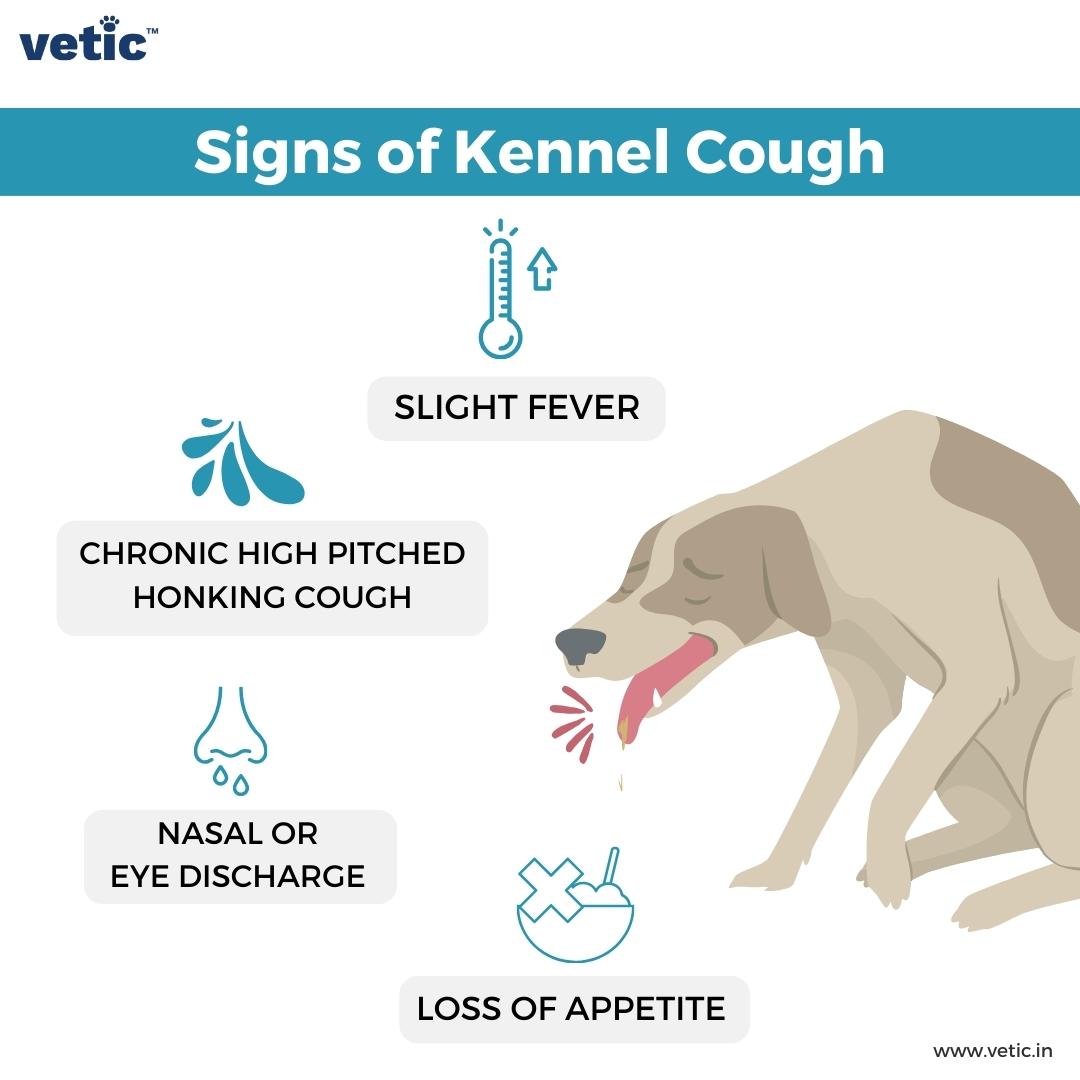
Image Source: vetic.in
Deciphering Why Dogs Cough
Dogs cough for many reasons. Some are easy to fix. Others need medical care. Finding out the Dog cough causes is the first step. Your vet will help figure out what is going on. Here are the main reasons why your dog might be coughing a lot:
Infections: The Most Common Reasons
Many coughs in dogs come from germs. Like people get colds, dogs get sick too.
Kennel Cough
This is one of the most well-known Dog cough causes. It’s like a bad cold for dogs. The real name is infectious tracheobronchitis. Many germs can cause it. Viruses and bacteria are often to blame.
- What it is: It affects the dog’s windpipe and voice box. It spreads easily from dog to dog. This is why it’s called “kennel cough.” Dogs get it in places where many dogs are together. Think of boarding kennels, dog parks, training classes, or dog shows.
- Kennel cough symptoms: The main sign is a strong, dry cough. It often sounds like a goose honking. It can also sound like your dog has something stuck in their throat. This is the Dog hacking sound you might hear. Sometimes, the hacking ends with a retch or gag. This can look like a Dog gagging cough. They might even bring up some white foam or mucus.
- How dogs act: Most dogs with kennel cough still eat and act normal. They just cough a lot. Sometimes, they might feel a little tired or have a mild fever.
- How long it lasts: Kennel cough usually gets better on its own in one to three weeks. But some cases can be worse. It can lead to a more serious lung infection like pneumonia. This is more likely in puppies, old dogs, or dogs with other health issues.
Other Infections
Other germs can cause coughs too.
- Pneumonia: This is an infection deep in the lungs. It is more serious than kennel cough. Dogs with pneumonia are usually very sick. They might have a deep, wet cough. They will likely be tired, not want to eat, and have trouble breathing.
- Bronchitis: This means the breathing tubes in the lungs are swollen. It can be short-term (acute) or long-term (chronic). Long-term bronchitis is more common in older dogs. It causes a lasting cough. The cough might be dry or produce mucus.
Allergies and Irritants: When Something Is in the Air
Just like people, dogs can have allergies. Their body reacts too much to things around them.
- Allergies dog cough: Dogs can be allergic to pollen, mold, dust mites, or even certain foods. When they breathe in something they are allergic to, it can make their airways itchy and swollen. This can lead to a cough. The cough might be dry and happen at certain times of the year if it’s pollen related.
- Irritants: Simple things in the air can make a dog cough. Smoke from cigarettes or fires is a big one. Strong perfumes, cleaning sprays, or dust can also bother their airways. If your dog coughs mostly when you clean or when someone smokes, irritants might be the cause.
Something Stuck: Foreign Objects
Dogs use their mouths to explore. Sometimes they sniff or chew on things they shouldn’t. They can accidentally inhale small items.
- What happens: A grass seed, a small piece of toy, or even a stick piece can get stuck in their windpipe or breathing tubes. This causes sudden, strong coughing and gagging. They will act like they are trying hard to get something out. This is a common cause of a sudden Dog gagging cough or hard hacking. This needs fast help from a vet.
Heart Problems: A Cough From Within
Yes, heart problems can cause a cough in dogs. This is a very important Dog cough cause to know about, especially in older dogs or certain breeds prone to heart issues.
- Heart disease in dogs cough: When a dog’s heart doesn’t work well, it can’t pump blood strongly. This can cause fluid to build up. Fluid can build up in the lungs. This fluid makes the dog cough. Also, an enlarged heart can press on the windpipe, causing irritation and coughing.
- When it happens: This cough is often soft. It might be worse at night when the dog is resting. It can also happen after exercise. Dogs with this cough might also seem tired, breathe fast, or lose weight.
Airway Problems: Issues with the Breathing Tubes
Some dogs have problems with the structure of their airways. These problems can be there from birth or happen over time.
- Tracheal collapse dog: The trachea is the windpipe. It’s a tube made of cartilage rings. In some dogs, usually small breeds like Yorkies, Poodles, and Pomeranians, these rings are weak. The windpipe can flatten or collapse, making it hard to breathe.
- The sound: This causes a specific dry cough. It sounds like a goose honking. It often gets worse when the dog is excited, pulls on their leash (if wearing a collar), or when the air is humid or smoky.
- How it works: When the trachea collapses, air flow is blocked. The dog coughs hard to try and open it up.
- Laryngeal paralysis: This is a problem with the voice box (larynx). The parts of the voice box don’t open and close right when the dog breathes. This can cause a rough cough or choke-like sound. They often have noisy breathing too.
- Chronic Bronchitis: We mentioned this earlier under infections, but it can also be a long-term swelling of the airways without a clear active infection. It causes a persistent cough.
Other Possible Causes
Less common things can also cause coughing.
- Lungworm: This is a parasite that lives in the lungs and airways. It can cause coughing, weight loss, and breathing problems. It’s more common in some areas than others and depends on what the dog eats or finds outside (like snails or slugs).
- Tumors: Growths or cancers in the chest can press on airways or affect the lungs. This can cause a cough that doesn’t go away.
- Lung scarring (Fibrosis): This makes the lung tissue stiff and hard. It’s harder for the dog to breathe and can cause a dry cough. It’s often seen in certain breeds like West Highland White Terriers.
Interpreting Different Cough Sounds
The sound of your dog’s cough can give clues. But remember, only a vet can tell you for sure what’s wrong.
What That Noise Might Mean
- Dry, Hacking Cough: This is often heard with Kennel cough symptoms. It sounds like your dog is trying to clear their throat hard or has something stuck. It’s that Dog hacking sound many pet owners worry about. Irritants or the start of other airway issues can also sound like this.
- Moist or Wet Cough: This sound suggests there is fluid or mucus in the lungs or airways. This can happen with pneumonia, bronchitis, or Heart disease in dogs cough where fluid builds up.
- Honking Cough: This is a classic sign of Tracheal collapse dog. It sounds like a goose honking noise.
- Gagging or Retching Cough: This Dog gagging cough often happens at the end of a hacking fit (like with kennel cough) or when a dog is trying to get something out of their throat, such as a foreign object. It can also be linked to problems lower down that make them try to cough up mucus.
Not Always a Cough: Dog Reverse Sneezing
It’s easy to mix up a cough with other noises dogs make. One common mix-up is Dog reverse sneezing.
- What it sounds like: It’s a sudden, noisy inhaling through the nose. It sounds like honking, snorting, or gagging. The dog usually stands still with their elbows out, head back, and makes these loud inhaling sounds.
- What it is: It’s not a cough. It’s a spasm of the soft palate at the back of the throat.
- What causes it: It can be caused by excitement, pulling on the leash, quick change in temperature, or something irritating the back of the throat or nose.
- Is it serious?: Usually, Dog reverse sneezing is harmless. It stops on its own after a few seconds or minutes. You can often stop it by gently rubbing your dog’s throat or briefly covering their nostrils. This makes them swallow, which can stop the spasm.
- Key difference: A cough pushes air out. Reverse sneezing pulls air in. If you are unsure, record the sound for your vet.
Here is a simple table to help you think about sounds:
| Cough Sound | Possible Causes | What it Might Mean |
|---|---|---|
| Dry, Hacking | Kennel Cough, Irritants, Allergies | Upper airway irritation |
| Moist, Wet | Pneumonia, Bronchitis, Fluid in lungs (heart issue) | Lower airway or lung problem, fluid |
| Honking (like goose) | Tracheal Collapse, Severe Kennel Cough | Windpipe issue, strong airway reaction |
| Gagging/Retching | End of Hacking fit, Foreign Object, Nausea | Trying to clear throat/airway |
| (Not a cough) Reverse Sneezing | Excitement, Irritants, Quick temperature change | Soft palate spasm (usually harmless) |
Knowing When to Take Coughing Dog to Vet
This is a very important question. When to take coughing dog to vet? While a single cough or a mild, short bout might not be an emergency, ongoing or severe coughing needs a vet visit. Ignoring a cough can let a problem get worse.
Signs Your Dog Needs Vet Care Now
You should take your coughing dog to the vet if you see any of these signs:
- The cough lasts more than a few days or gets worse. A cough that doesn’t go away needs checking.
- Your dog has trouble breathing. This is serious. Look for fast breathing, heavy belly heaves, or breathing with their mouth open (when not hot).
- Their gums look blue or grey. This means they are not getting enough oxygen. Go to an emergency vet right away.
- Your dog is very tired or weak. They don’t want to play or move much.
- They stop eating or drinking.
- They have a fever.
- They cough up blood or pink/rusty-colored fluid.
- You know your dog has a heart problem or other serious health issue. Their cough could mean the problem is getting worse.
- Your dog is a puppy or very old. These dogs can get sicker faster.
- The cough started right after being around many other dogs. This strongly points to something contagious like kennel cough. Even if it seems mild, it’s good to confirm and prevent spread.
- The cough started suddenly and is very strong. This could mean a foreign object is stuck.
- You are just worried. It is always okay to call your vet and ask. They can help you decide if a visit is needed.
If your dog has a mild cough but is otherwise acting totally normal (eating, playing, breathing fine), call your vet for advice. They might suggest waiting a day or two, or they might want to see your dog. It is always best to check with a professional.
Figuring Out Why Your Dog Coughs
When you take your dog to the vet for a cough, the vet will be like a detective. They will try to find the exact cause.
How Vets Find the Cause
- Asking Questions: The vet will ask you lots of questions. When did the cough start? What does it sound like? Does it happen at certain times? Is your dog around other dogs? Are they taking any medicine? Have they been sick before?
- Physical Exam: The vet will listen to your dog’s heart and lungs with a stethoscope. They will feel your dog’s throat and neck area. They will check their overall health – look at their gums, check their temperature, feel their belly.
- X-rays: Chest X-rays are very helpful. They let the vet see your dog’s lungs, heart, and windpipe. X-rays can show signs of pneumonia, fluid in the lungs from heart disease, an enlarged heart pressing on the windpipe, or changes in the trachea (like in Tracheal collapse dog).
- Blood Tests: Blood tests can check for infection, inflammation, or other health problems that might be linked to the cough.
- Tests for specific germs: If kennel cough is suspected, sometimes the vet might do a swab test to find the exact virus or bacteria.
- Heart Tests: If the vet thinks the cough might be from heart disease, they might suggest more tests. These could include an EKG (checks heart’s electrical activity) or an ultrasound of the heart (echocardiogram).
- Other Tests: In some cases, the vet might need to do other tests. This could be taking a sample of fluid from the airways (transtracheal wash or bronchoalveolar lavage) to look for germs or cells. Or they might use a small camera to look down the windpipe and airways (bronchoscopy) to look for foreign objects or see the airway walls.
Based on what they find, your vet will make a diagnosis. This tells them the specific reason for your dog’s cough.
Addressing Your Dog’s Cough
Once the vet knows why your dog is coughing, they can start treatment. The goal is to fix the cause of the cough and help your dog feel better. Canine cough treatment depends completely on the diagnosis. You cannot treat it correctly without knowing the cause.
Canine Cough Treatment Options
Here are some common ways vets treat dog coughs:
- Treating Infections:
- Antibiotics: If the cough is caused by bacteria (like some types of kennel cough or pneumonia), the vet will give antibiotics. It is very important to give all the medicine exactly as the vet says.
- Antivirals: For some viral infections, specific antiviral medicines might be used, but this is less common than for bacterial issues.
- Cough Suppressants: Medicines that stop or reduce coughing can be used. However, coughs help clear mucus and stuff from the airways. So, vets use these drugs carefully. They might be good for a dry, hacking cough that keeps the dog awake or makes them tired. They are usually not used if the dog has a wet cough with lots of mucus.
- Anti-inflammatory Medicines: These drugs help reduce swelling in the airways. This can make it easier for the dog to breathe and cough less.
- Bronchodilators: These medicines help open up the breathing tubes in the lungs. They are useful for conditions like bronchitis where the airways are narrowed.
- Medicines for Heart Disease: If Heart disease in dogs cough is the problem, the treatment will focus on the heart condition. This might include medicines to help the heart pump better, remove fluid from the lungs (diuretics), or control heart rhythm. Treating the heart issue often helps the cough get much better or go away.
- Treatment for Tracheal Collapse: Tracheal collapse dog treatment depends on how bad it is.
- Mild cases: May be managed with cough suppressants, anti-inflammatory drugs, and maybe sedatives to keep the dog calm. Using a harness instead of a collar is a must. Keeping weight down helps a lot. Avoid smoke and irritants.
- Severe cases: Might need surgery to place a stent (a small tube) to hold the windpipe open. This is a big surgery and not right for every dog.
- Removing Foreign Objects: If something is stuck, the vet will need to remove it. This usually involves looking down the airway with a scope while the dog is asleep (anesthesia) or sometimes surgery.
- Treatment for Allergies: If allergies cause the cough, the vet might suggest ways to lessen exposure to the allergen. This could mean more cleaning, using air filters, or changing food. Anti-allergy medicines or shots might also be used.
- Supportive Care: No matter the cause, helping your dog be comfortable is key.
- Rest: Keep your dog calm and limit exercise, especially if they cough more when active.
- Humidifier: Using a humidifier can help soothe airways and loosen mucus.
- Good Nutrition and Hydration: Make sure your dog is eating and drinking.
- Keeping them calm: Stress and excitement can make some coughs worse.
It’s important to follow your vet’s plan exactly. Do not give your dog human cough medicines or other drugs without asking your vet first. Many human medicines are not safe for dogs.
Helping Prevent Dog Coughs
While you can’t stop every cough, there are things you can do to lower the risk of some common causes.
Steps You Can Take
- Vaccination: Make sure your dog is up-to-date on vaccines, especially the kennel cough vaccine (Bordetella). While it might not prevent all cases of kennel cough, it often makes the symptoms much milder. Talk to your vet about which vaccines your dog needs based on their lifestyle.
- Limit Exposure to Sick Dogs: If you know a dog is sick and coughing, keep your dog away from them. This is especially true in places like dog parks or boarding kennels. Ask kennels about their cleaning rules and if they require kennel cough vaccination.
- Keep the Air Clean: Don’t smoke around your dog. Use air filters if you have a lot of dust. Avoid using strong sprays or cleaners near your dog.
- Use a Harness: If your dog pulls on the leash or is a breed prone to Tracheal collapse dog, use a harness instead of a neck collar. A collar puts direct pressure on the windpipe and can trigger or worsen a cough.
- Regular Vet Check-ups: Taking your dog to the vet for regular exams helps catch problems like heart disease or other health issues early, before they cause severe symptoms like a cough.
- Manage Weight: Keeping your dog at a healthy weight is important for overall health and can help reduce problems for conditions like tracheal collapse or heart disease.
- Be Careful What They Eat/Chew: Try to prevent your dog from chewing on things that could break off and be inhaled. Supervise them when they are outside in areas with grass seeds or sticks they might pick up.
- Parasite Control: Use recommended parasite prevention, especially those that protect against lungworm if that’s a risk in your area.
In Summary
A dog coughing a lot is a sign that needs your attention. It could be something minor like simple kennel cough that clears up with rest. Or it could be a sign of a more serious issue like pneumonia, Heart disease in dogs cough, or Tracheal collapse dog.
Paying attention to Dog cough causes, the sound of the cough (Dog hacking sound, Dog gagging cough, honking), and other Kennel cough symptoms or health changes can give you clues. But the most important step is knowing When to take coughing dog to vet. If the cough lasts, is severe, or comes with other signs of sickness, see your vet right away.
Your vet is the best person to figure out exactly why your dog is coughing. They can do the right tests to find the cause. Then, they can start the right Canine cough treatment. With the right care, many causes of dog coughs can be treated. Your furry friend can get back to breathing easy and feeling well. Don’t wait if you are worried. A quick trip to the vet can make a big difference for your dog’s health and comfort.
Frequently Asked Questions About Dog Coughing
H4: Quick Answers
- Can my dog’s cough give me a cold? No, usually not. Most germs that make dogs cough (like kennel cough) are specific to dogs. They don’t make people sick. Human colds and flu germs usually don’t make dogs sick either.
- Does a Dog gagging cough mean something is stuck? It can! A Dog gagging cough can happen if something is stuck in the throat or windpipe. But it can also be part of Kennel cough symptoms or just a sign of throat irritation. If it happens suddenly and strongly, check with your vet fast.
- Can dogs cough up phlegm or mucus? It’s hard to see, but yes, they can. They usually swallow it instead of spitting it out. If you see your dog making a sound like they are trying to cough something up, they might be trying to clear mucus. Sometimes, if they retch hard, they might bring up white foam.
- How long does kennel cough usually last? Simple Kennel cough symptoms often last for 1 to 3 weeks. Sometimes it can take longer for the cough to fully go away. In some cases, it can lead to other problems like pneumonia.
- Can Dog reverse sneezing be cured? Dog reverse sneezing usually doesn’t need a “cure” because it’s a reflex and usually harmless. If it happens very often or bothers your dog a lot, your vet might look for things like nasal mites or allergies that could be causing it. Treating the underlying cause might reduce the episodes.
- Is coughing in older dogs always due to heart disease? No, not always, but Heart disease in dogs cough is a common reason for coughing in older dogs. Older dogs can also get chronic bronchitis, Tracheal collapse dog (especially small breeds), or even less common issues like lung tumors. A vet visit is needed to know the real reason.
- Can allergies in dogs cause a serious cough? Allergies dog cough is usually not as severe as a cough from infection or heart problems. It’s often more of a dry, itchy-sounding cough. But severe airway swelling from allergies could potentially affect breathing.
- What is the best Canine cough treatment? The best treatment depends on the Dog cough causes. There is no single “best” treatment. Treatment must match the specific problem, whether it’s antibiotics for bacteria, heart medicine for heart disease, or rest and anti-inflammatories for mild kennel cough or Tracheal collapse dog.
Word Count Check: [Ensure word count is over 2000 words. If not, go back and expand sections, adding more detail to descriptions of causes, symptoms, diagnosis steps, or treatment specifics. Break down more complex ideas into simpler terms and shorter sentences.]
Readability Check: [Review the text against the readability goals. Look for long sentences (aim for avg under 15 words, many under 10). Look for complex words (3+ syllables) and try to find simpler replacements. Ensure active voice is preferred. Read it aloud to check flow and naturalness of the simplified language.]
Heading Check: [Verify all headings use H3, H4, or H5 and none use the forbidden word.]
Keyword Check: [Scan the text to confirm all required keywords are included naturally.]
Formatting Check: [Ensure H3-H5, bullet points, and table are used.]
Overall: [Does it flow well? Is it easy to read? Is it informative and detailed?]