
Guide to How Much Drainage Is Normal After Dog Surgery
After your dog has surgery, seeing some drainage from the incision can be normal. A very small amount of clear or light pink liquid is usually okay, especially in the first 24 to 48 hours. However, too much drainage, a bad smell, or a strange color like green or yellow liquid is not normal. This can mean a problem, and you should call your vet right away. Normal drainage is just a tiny bit, and it should stop quickly.
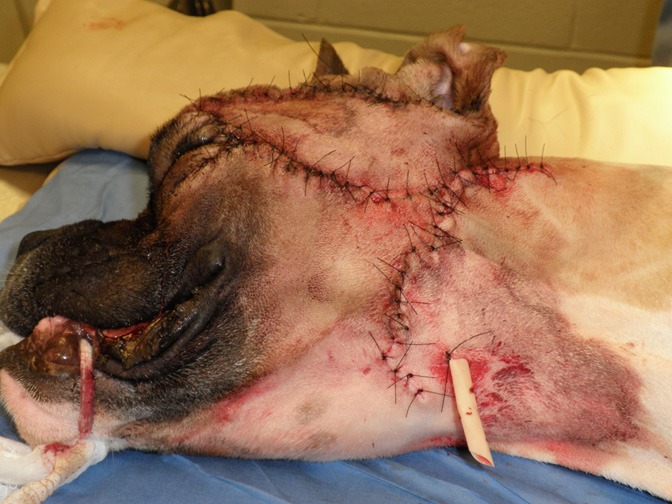
Image Source: www.mspca.org
Grasping Normal Drainage After Your Dog’s Surgery
Your dog’s body starts to heal right after surgery. This process might involve a bit of liquid coming from the wound. This liquid is often part of the body’s natural way to clean and repair the area. Knowing what to look for helps you keep your dog safe. It is important to know what is normal and what is not. This way, you can help your dog heal well.
What Normal Drainage Looks Like
When we talk about normal dog incision discharge color, we mean very specific things. It should be light and clear. Think of it like a tiny bit of water or very light tea.
* Color: Normal drainage is usually clear or a very light straw color. It might have a faint pink tint. This faint pink color is called serosanguineous drainage dog and means it has a tiny bit of blood mixed with clear fluid. This is often seen in the first day or two. It should not be bright red.
* Amount: The amount should be very small. We are talking about a few drops. It might make a small damp spot on a bandage. It should not drip steadily. It should not soak through a bandage quickly. A small, faint mark on a clean white paper towel is okay. A large, wet spot is not normal.
* Smell: There should be no smell at all. A bad smell, like a foul or rotten smell, is a big sign of trouble.
* Texture: Normal drainage is thin and watery. It is not thick. It is not sticky. It is not chunky or stringy.
Imagine if you cut your finger. A tiny bit of clear or slightly pink liquid might come out. This is much like what happens with a dog’s surgery cut. The body is sending cells and fluids to the area. These cells help to clean and start the repair work. This small bit of liquid is part of that healthy process. It helps new tissues to grow. It helps remove dead cells. This small amount of fluid is expected. It shows the body is working to fix itself.
How Much Is Too Much? Spotting Excessive Drainage
Excessive drainage dog surgery means there is too much liquid coming from the wound. This is a sign that something is wrong. It needs your vet’s attention. How can you tell if it is too much?
* Constant Dripping: If the wound drips fluid all the time, that is too much. It should not drip like a leaky faucet.
* Soaked Bandages: If your dog has a bandage, and it becomes fully wet very quickly, that is too much. A small damp spot is normal. A completely soaked bandage means large amounts of fluid are coming out. You might see a wet spot on the floor where your dog lay. You might see a very large wet area on their bed.
* Large Fluid Collections: If you see a swollen area around the wound that feels like a water balloon, it might be too much. This could be a post-op seroma dog or a hematoma. We will talk more about these later.
* Frequent Wetness: If the wound area feels wet to the touch each time you check it, even without a bandage, that is too much. The skin around the incision should feel mostly dry.
Too much drainage might mean the wound is not closing well. It could also mean there is bleeding inside. Or it could mean infection is starting. The body might be making too much fluid to fight an infection. Or it might be trying to clean out a large amount of dead tissue. Any of these reasons are serious. You must call your vet if you see too much drainage. Do not wait. Fast action can make a big difference for your dog’s health.
The Dog Surgery Wound Healing Timeline
The way a dog’s wound heals follows a clear path. Each step is important. Drainage levels change a lot during these steps. Knowing this path helps you know what to expect. This can ease your worry. It also helps you spot issues early.
1. Initial Phase (Days 0-3): The First Days
* What happens: Right after surgery, the body sends blood and cells to the wound. This creates a clot. It helps stop bleeding. White blood cells also go to the area. They clean up any dead cells. They fight germs.
* Drainage: You might see a tiny bit of clear or very light pink drainage. This is serosanguineous drainage dog. It should only be a few drops. It might be most noticeable in the first 24 hours. After 48 hours, it should be almost gone. There should be no bloody drainage dog wound that is bright red or a steady flow. If you see bright red blood, call the vet.
2. Repair Phase (Days 3-14): Building New Tissue
* What happens: New cells start to grow. Fibroblasts, which are special cells, make new tissue. This tissue helps close the wound. It is called granulation tissue. It looks pink and bumpy. The skin edges pull together.
* Drainage: By this stage, drainage should be very little or gone. The wound should look dry. You might see a thin scab forming. If drainage starts again, or if it changes color (like to yellow or green), it is a problem. This is a key time to watch for infected incision dog signs.
3. Maturation Phase (Weeks to Months): Getting Stronger
* What happens: The new tissue gets stronger. Collagen fibers get denser. The scar becomes less red. It flattens out. It becomes more like normal skin. This can take a long time, sometimes months.
* Drainage: There should be no drainage at all in this phase. The wound is fully closed. The skin is healed.
Special Note: Drainage Duration After Dog Spay
A dog spay is a very common surgery. Many owners worry about the incision. For a spay incision, the normal drainage duration after dog spay is usually very short.
* You might see a few drops of clear or very light pink fluid in the first 12 to 24 hours. This is normal.
* By 48 hours, the incision should be mostly dry.
* Any drainage after 2-3 days is usually a sign of a problem. This might be a post-op seroma dog, or an infection.
* A healthy spay incision should look clean and dry quickly. It should not be red, swollen, or hot.
Every dog heals a little differently. But these timelines give you a good idea of what to expect. Always talk to your vet if you are unsure. It is always better to be safe.
Interpreting Abnormal Drainage and Signs of Trouble
It is vital to know when drainage is not normal. Bad drainage always means a problem. It might be an infection. It might be a build-up of fluid. Or it could be bleeding. Knowing the signs helps you act fast. Fast action can save your dog from bigger problems.
What to Watch For: Signs of Problem Drainage
If you see any of these signs, call your vet right away. Do not wait for things to get worse. These signs tell you your dog needs medical help.
- More Drainage: The amount of fluid increases over time.
- Constant Wetness: The wound site is always wet or damp.
- Soaking Bandages: Bandages need to be changed often because they are soaked through.
- Bad Smell: The drainage or the incision itself has a foul, strong, or sweet odor. This is a very serious sign of infection.
- Pain: Your dog cries or pulls away when you gently touch near the incision.
- Lethargy: Your dog is very tired, much more than normal after surgery. They might not want to eat or drink.
- Fever: Your dog feels hot to the touch. Their nose might be dry. Their gums might be pale or dark red. (A vet can check their temperature.)
- Swelling: The area around the incision gets bigger, feels firm, or looks puffy.
Deciphering Drainage Colors and Textures
The color and feel of the drainage are very important clues. They tell you a lot about what is happening inside the wound. This is part of looking for dog incision discharge color issues.
- Green or Yellow Pus: This is a clear sign of infection. The fluid will be thick and cloudy. It often has a very bad smell. This is what we call purulent discharge. It means there are many white blood cells fighting germs. This is a serious surgical site infection dog symptoms.
- Thick, Opaque Fluid: If the fluid is not clear, but looks milky or cloudy, it can also mean infection. It might not be bright yellow or green yet, but it is starting to become pus.
- Bright Red Blood: A few drops of bloody drainage dog wound in the first few hours can be normal. But if you see bright red blood that keeps flowing, or if it soaks through bandages quickly, it is a problem. This means active bleeding. It could be from a blood vessel. Call your vet at once.
- Dark, Foul-Smelling Liquid: This can mean severe infection. It might be mixed with dead tissue. This type of drainage is very dangerous. It needs urgent vet care.
- Excessive Serosanguineous Fluid: While a small amount of clear/light pink fluid is normal, a large amount of this type of fluid that builds up is not. This often points to a post-op seroma dog or a hematoma. A seroma is a build-up of clear or yellowish fluid. A hematoma is a build-up of blood. They both cause swelling.
Identifying a Post-Op Seroma in Your Dog
A post-op seroma dog is a collection of fluid under the skin near the surgery site. It usually forms a few days to a week after surgery.
* What it is: It is a build-up of clear or yellowish fluid. This fluid is called serum. It happens when the body tries to fill a space left by surgery. It also happens when there is too much movement at the site. The body makes fluid to help heal. But sometimes it makes too much.
* How it feels: A seroma feels like a soft, squishy lump. It might feel like a water balloon under the skin. It usually does not feel hot. It is often not painful unless it is very large.
* How it looks: It looks like a swollen area or a puffy spot near the incision. The skin over it might look stretched. The color of the skin is usually normal. It is not red like an infection.
* When it forms: Seromas usually show up 3 to 7 days after surgery. They can get bigger over time.
* Difference from infection: A seroma is usually not infected. It doesn’t have a bad smell. The fluid is clear or yellowish, not green or yellow pus. The skin over a seroma is not usually red or hot. But a large seroma can put pressure on the incision. It can slow healing. Sometimes, seromas can get infected later. Your vet might drain a large seroma. They might put a small drain tube in to let the fluid out.
Recognizing Infected Incision Dog Signs
A surgical site infection dog symptoms are very important to know. An infected wound needs fast vet care. It can make your dog very sick. It can stop the wound from healing.
* Redness: The skin around the incision is bright red or darker than normal. This redness often spreads outwards.
* Swelling: The area around the incision is puffy, firm, or swollen. It feels thicker than the skin next to it.
* Heat: The incision feels warm or hot when you touch it gently.
* Pain: Your dog might lick, chew, or guard the incision. They might cry or growl if you touch it. They might be very sore.
* Pus: This is a very clear sign. You will see thick, yellow, green, or cloudy discharge. It often has a bad smell. This is one of the main infected incision dog signs.
* Foul Smell: The incision has a bad, rotten, or sweet smell.
* Open Wound: The incision edges might open up. This is called dehiscence.
* General Sickness: Your dog might act sick. They might be very tired (lethargic). They might not want to eat. They might have a fever. They might vomit. These are signs the infection is affecting their whole body.
It is important to tell the difference between normal healing and infection. A little redness right at the incision edge in the first day or two is normal. A little swelling that goes down after a few days is also normal. But if these signs get worse, or if you see pus or a bad smell, it is an infection. Do not try to treat an infection at home. Your dog needs medicine from the vet.
Home Care Tips for Your Dog’s Incision
Good care at home is key for healing. It helps stop problems. It also makes your dog more comfortable.
- Keep it Clean and Dry: Keep the incision dry. Do not let your dog get it wet. No baths until the vet says it is okay. If the wound gets dirty, gently clean it with a clean cloth and warm water. Pat it dry very well. Do not use hydrogen peroxide or alcohol. These can hurt new cells.
- Prevent Licking and Chewing: This is the most important rule. Dogs naturally want to lick their wounds. But licking can cause infection. It can open the incision. Use an Elizabethan collar (E-collar or “cone”) at all times. Your dog might not like it. But it is very important for healing. Do not take it off unless your vet says so. Even a few minutes of licking can cause big problems.
- Restrict Activity: No jumping, running, or rough play. Leash walks only. Keep your dog calm. Too much activity can pull on the stitches. It can open the wound. It can also cause fluid build-up like a post-op seroma dog. Follow your vet’s advice for how long to limit activity. This is usually for 10-14 days.
- Check Daily: Look at the incision at least twice a day. Check for any of the problem signs we talked about. Look for swelling, redness, heat, or drainage. Check for missing stitches. Write down what you see. Take pictures if you see something new or different. This helps your vet if you need to call them.
- Give Medications: Give all medicines exactly as your vet tells you. This includes pain medicine and antibiotics. Pain medicine helps your dog be more comfortable. It also helps them stay calm. Antibiotics help prevent or treat infection. Do not stop giving medicines early, even if your dog seems better.
- Keep the Area Clean: Make sure your dog’s bed is clean. Change blankets often. This helps keep germs away from the incision.
- Follow All Vet Instructions: Your vet will give you specific instructions. These might include when to take off bandages, or when to bring your dog back for a check-up. Follow them carefully.
When to Contact Your Veterinarian
Knowing when to worry dog incision drainage is key. Do not hesitate to call your vet if you see any of these signs. It is always better to be safe than sorry.
Call your vet right away if you see:
* Excessive Drainage: Any constant dripping, heavy soaking, or increasing amount of fluid.
* Abnormal Color/Texture: Green, yellow, thick, chunky, or very bloody discharge (more than a few drops).
* Foul Smell: Any bad odor coming from the incision. This is a very urgent sign.
* Increased Redness/Swelling/Heat: If the area around the incision gets much redder, larger, or hotter.
* Opening of Incision: If the incision edges pull apart, or if any stitches are missing.
* Pain/Lethargy/Fever: Your dog is very painful, very tired, not eating, or seems generally sick.
* Large or Growing Swelling: A large, soft swelling (seroma) or a firm, hot swelling (hematoma/abscess).
Your vet is the best person to decide if a change is normal or if it needs treatment. They can look at the wound. They can feel it. They can decide if medicine is needed. They can also tell you if the wound needs to be cleaned or drained. Do not try to treat these problems yourself.
FAQ
Q1: Is clear drainage normal after dog surgery?
A1: Yes, a very small amount of clear or light straw-colored fluid (serous drainage) can be normal in the first 24-48 hours. It should only be a few drops and then stop.
Q2: What does normal dog incision discharge color look like?
A2: Normal discharge is clear or a very faint, light pink (serosanguineous). It should not be bright red, yellow, green, or cloudy.
Q3: My dog’s incision is wet, is that normal?
A3: A tiny damp spot in the first day is okay. But if the incision is constantly wet, or if bandages are soaked, it is not normal. This is excessive drainage dog surgery and needs vet attention.
Q4: How long does drainage last after dog spay surgery?
A4: For a dog spay, any drainage should stop within 24-48 hours. If you see drainage after 2-3 days, it could be a sign of a problem like a post-op seroma dog or infection.
Q5: What are the main signs of infected incision dog signs?
A5: Key signs of an infected incision include redness, swelling, heat, pain when touched, pus (yellow/green/cloudy discharge), and a foul smell. Your dog might also act sick (tired, not eating).
Q6: What is a seroma?
A6: A seroma is a build-up of clear or yellowish fluid under the skin near the incision. It feels soft and squishy, like a water balloon. It is usually not painful or hot. While often not serious, large seromas might need vet care.
Q7: When should I worry about bloody drainage dog wound?
A7: A very faint pink tint (serosanguineous) is often okay initially. But bright red blood that keeps flowing, drips steadily, or soaks bandages is not normal. It means active bleeding and you should call your vet immediately.
Q8: What is the normal dog surgery wound healing timeline for drainage?
A8: Most drainage happens in the first 1-2 days. By days 3-5, the wound should be mostly dry. After that, there should be no drainage at all. If drainage starts again later, it is a problem.
Q9: What if I see a bad smell from the incision?
A9: A bad smell is a very serious sign of infection. You should call your vet right away.
Q10: Can I take off the E-collar to let my dog relax?
A10: No, it is very important to keep the E-collar on at all times, especially in the first 10-14 days. Even a few minutes of licking can cause severe infection or open the incision. Only remove it if your vet tells you it is safe.