
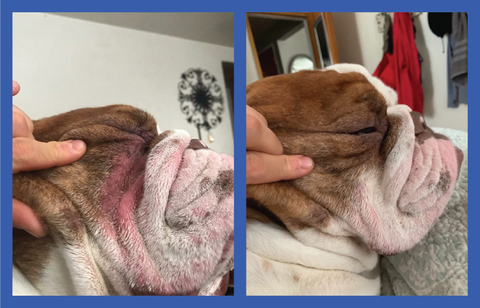
Image Source: cdn.shopify.com
Can I Use Desitin On My Dog? Expert Vet Advice
Can I use Desitin on my dog? The quick answer is generally no, you should not use Desitin or other diaper rash creams containing zinc oxide on your dog. While you might think it could soothe a skin problem, the main ingredient, zinc oxide, is harmful to dogs if they swallow it. Since dogs tend to lick creams off their skin, using Desitin puts them at risk of getting sick. Always talk to your veterinarian first about any skin issues your dog has. They can tell you the safest and best way to help your dog’s skin.
Why Desitin Is Risky for Dogs
You know Desitin as a cream for diaper rash. It helps protect and soothe a baby’s skin. But dogs are different from babies. Their bodies react differently to medicines and creams.
The main reason Desitin is not safe for dogs is a substance called zinc oxide. This is the active ingredient that helps make a barrier on the skin. It’s fine for human skin, but it can cause problems if a dog eats it.
Dogs often lick their skin. If you put Desitin on your dog, they will likely try to lick it off. When they lick it, they swallow some of the zinc oxide. Even a small amount of zinc oxide swallowed by a dog can cause an upset stomach. Swallowing more can lead to more serious health issues.
Zinc Oxide Toxicity in Dogs
Swallowing products with zinc oxide can cause what vets call Zinc oxide toxicity dogs. This happens when too much zinc enters the dog’s body. The zinc can damage red blood cells. It can also hurt the stomach, intestines, and other body parts.
Think of zinc oxide like a poison for dogs when they eat it. It’s not supposed to be inside their body. It’s only meant to stay on the skin. But we can’t easily stop dogs from licking.
Zinc Oxide in Dogs Symptoms
Knowing the signs that a dog might have swallowed zinc oxide is important. If your dog licked cream like Desitin and shows these signs, call your vet right away.
Symptoms can be mild or severe. They depend on how much the dog ate and the dog’s size.
- Upset Stomach Signs:
- Throwing up (vomiting)
- Not wanting to eat (loss of appetite)
- Loose stool or diarrhea
- More Serious Signs:
- Looking weak or tired
- Pale gums (this can mean problems with blood cells)
- Yellowing of the skin or eyes (jaundice, meaning liver problems)
- Fast breathing
- Dark colored pee
- Acting like they are in pain
- Walking oddly or seeming stiff
If you see any of these zinc oxide in dogs symptoms after using a cream on your dog, call your vet right away. It’s better to be safe and get expert help fast.
Why Dogs Lick Creams
Dogs explore the world with their noses and mouths. If something is on their skin that feels strange or smells interesting, their natural reaction is often to lick it. This is how they try to clean themselves or figure out what something is.
Creams like Desitin have a smell and texture. They might feel itchy or just weird on the dog’s skin. The dog doesn’t know it’s medicine. They just want to get it off or check it out by licking.
Even if you try to put a cone on your dog’s head (an Elizabethan collar), some clever dogs can still find a way to reach the spot. Or they might get the cream on their paws and then lick their paws. It’s very hard to stop a dog from licking completely. This is why using creams that are dangerous if swallowed is a big risk.
Common Skin Problems in Dogs
Dogs get skin problems often. These can make them itchy, sore, or lose hair. People sometimes think of using Desitin for things like:
- Dog skin rash treatment: Rashes can come from many things. They could be from allergies, bugs like fleas or mites, or simply rubbing on something.
- Hot spots on dogs: These are red, wet, sore patches on the skin. Dogs cause them by licking or chewing one spot too much. Hot spots can get big fast and hurt a lot.
- Dog skin irritation relief: Skin can get irritated from things like shampoo, pollen, or getting wet and staying wet.
These problems need the right care. Putting Desitin on them might seem like a quick fix because it looks thick and soothing. However, it doesn’t fix the cause of the problem. It can also trap dirt and moisture, possibly making some issues like hot spots worse. Plus, there’s the danger of the dog licking it.
The Problem with Self-Treating
When your dog has a skin issue, it’s easy to want to help them fast. You might look in your own medicine cabinet. But human medicines and creams are not always safe for pets.
Self-treating dog skin problems with things like Desitin can:
- Hide the real issue: The cream might cover up the problem for a bit, making it harder for a vet to see what’s really wrong.
- Delay proper care: Waiting and trying home remedies means your dog isn’t getting the correct treatment they need. The problem could get worse.
- Cause more problems: As we’ve seen with Desitin, using the wrong product can actually make your dog sick because of things like zinc oxide toxicity dogs.
Each skin problem in a dog has a reason. It could be:
- Allergies (to food, pollen, fleas)
- Infections (from bacteria, yeast, or fungus)
- Parasites (fleas, mites)
- Hormone problems
- Even stress or boredom (leading to licking)
A cream like Desitin doesn’t help with allergies, infections, or parasites. It just sits on the skin. Getting to the bottom of why the skin problem is happening is key to fixing it for good.
The Importance of Veterinarian Advice for Dog Skin
This is where your vet comes in. Seeking veterinarian advice dog skin issues is always the best first step. Your vet is trained to figure out why your dog has a skin problem.
What a vet does:
- Looks closely at the skin: They examine the rash, hot spot, or irritation.
- Asks questions: They ask about when it started, if it’s itchy, what you feed your dog, if they have fleas, etc.
- Might do tests: They might gently scrape a bit of skin to look under a microscope for mites. They might take a sample from the skin surface to look for bacteria or yeast. They might suggest tests for allergies.
- Finds the cause: Based on their exam and tests, they figure out exactly what is causing the problem.
- Gives the right treatment: They will give you a plan that actually treats the cause, not just the symptoms.
Getting a correct diagnosis is super important for effective dog skin rash treatment or hot spots on dogs. Treating a bacterial infection is different from treating an allergy. Using the wrong treatment won’t help and can waste time and money.
Safe Topical Creams for Dogs
Instead of using human products like Desitin, ask your vet about safe topical creams for dogs. Vets have access to many products made just for pets. These products are tested to be safe and work for common dog skin issues.
What makes a topical cream “safe for dogs”?
- It contains ingredients that are not harmful if the dog licks them in small amounts.
- The strength of the ingredients is right for a dog’s skin, which is thinner and different from human skin.
- It is designed to treat the specific problem (like killing bacteria, reducing yeast, or calming itching).
Some safe options vets might suggest include:
- Prescription creams: These often contain antibiotics or anti-fungal medicine to fight infections. They might also have anti-inflammatory medicine to reduce swelling and itching.
- Medicated sprays or wipes: These can be easier to apply to certain areas and contain helpful ingredients.
- Vet-approved over-the-counter products: Some gentle antiseptic washes or soothing creams are safe, but it’s best to use ones your vet recommends.
Your vet will choose the best safe topical creams for dogs based on what your dog’s skin problem is. They can also show you the best way to put the cream on and tell you how often to use it.
Alternative Dog Skin Remedies Recommended by Vets
Sometimes, treating skin problems involves more than just a cream. Your vet might suggest alternative dog skin remedies depending on the cause. These are also safe and effective ways to help your dog’s skin heal.
Examples of vet-approved alternative remedies and treatments:
- Medicated Shampoos: Baths with special shampoos can help clean the skin, remove allergens, kill bugs, or treat infections. Your vet will tell you how often to bathe your dog.
- Oral Medications: If the skin problem is widespread, very itchy, or caused by allergies or infection inside the body, your vet might give your dog pills. These could be antibiotics, anti-fungals, anti-itch medicine, or medicine for allergies.
- Special Diets: For dogs with food allergies causing skin problems, changing to a special diet is a key part of the treatment.
- Flea and Parasite Control: Making sure your dog is protected from fleas, ticks, and mites is vital for skin health.
- Fatty Acid Supplements: Adding certain oils to your dog’s food can help make their skin barrier healthier and less itchy.
These are all examples of comprehensive dog skin rash treatment plans your vet might create. They go beyond just putting a cream on one spot and address the root cause. This leads to better, longer-lasting relief for your dog’s skin irritation relief.
Pet Friendly Skin Cream Options
The good news is there are many pet friendly skin cream options available. These are products designed with dogs (and cats) in mind. They avoid ingredients that are harmful if licked or are too strong for their skin.
A pet friendly skin cream might contain things like:
- Aloe vera (for soothing, but ensure it’s a pet-safe preparation)
- Oatmeal (colloidal oatmeal is very soothing)
- Hydrocortisone (at a safe strength for dogs, only if vet-recommended)
- Antiseptics safe for ingestion
- Barrier creams made with pet-safe ingredients
When looking for a pet friendly skin cream, check the label, but more importantly, ask your vet if it’s suitable for your dog’s specific problem. Don’t just grab any cream labeled “pet friendly” without your vet’s okay, especially for serious or ongoing issues.
Deciphering Desitin Ingredients for Dogs
Let’s take a closer look at Desitin ingredients dogs might be exposed to. The main active ingredient in original strength Desitin is Zinc Oxide (13%). In maximum strength Desitin, it’s even higher at 40%. This high percentage is the main worry because of the risk of Zinc oxide toxicity dogs if swallowed.
Other ingredients can vary slightly depending on the specific Desitin product (cream, ointment, etc.), but commonly include things like:
- Petrolatum (petroleum jelly)
- Lanolin
- Cod liver oil (contains Vitamin A and D)
- Fragrance
- Mineral oil
- Paraffin
- Propylparaben (a preservative)
While petrolatum and lanolin are generally not toxic in small amounts, they aren’t meant to be eaten regularly. Cod liver oil in large amounts could potentially cause problems due to vitamins A and D toxicity, though the amount in Desitin might be small. Fragrances can sometimes cause skin reactions in sensitive dogs. Propylparaben is a preservative; while used in many products, it’s another chemical dogs aren’t meant to eat.
The primary danger, however, remains the high concentration of zinc oxide. Just knowing these Desitin ingredients dogs could swallow reinforces why it’s not a safe choice.
When to Seek Vet Care Immediately
Some skin problems need a vet visit right away. Don’t wait if you see these signs:
- Sudden, severe itching or pain
- Skin that is hot to the touch
- Bad smell coming from the skin
- Oozing pus or blood
- Large area of skin affected
- Your dog is also acting sick (not eating, low energy, vomiting)
- You think your dog has swallowed a significant amount of a human cream like Desitin (look for zinc oxide in dogs symptoms listed earlier).
For mild, small irritations, you might call your vet for advice first. But for anything serious or spreading fast, go in for an appointment quickly.
Preventing Skin Issues in Dogs
Preventing skin problems is better than treating them. Here are simple ways to help keep your dog’s skin healthy:
- Regular Grooming: Brush your dog often. This helps spread natural skin oils, removes loose hair, and lets you check their skin.
- Proper Baths: Use a dog-specific shampoo. Don’t bathe them too often, as this can dry out their skin. Rinse all the shampoo out. Make sure they are completely dry after swimming or baths.
- Parasite Control: Use vet-recommended products to prevent fleas, ticks, and mites. These tiny bugs are a major cause of itching and skin problems.
- Good Diet: Feed your dog high-quality dog food. Omega-3 fatty acids are especially good for skin health.
- Reduce Allergens: If your dog has allergies, try to keep their environment clean. Wash their bedding. Wipe their paws after walks.
- Manage Stress: Some dogs lick or chew due to stress or boredom. Make sure your dog gets enough exercise and mental stimulation.
Taking these steps can lower the chances of your dog needing dog skin rash treatment or dealing with hot spots on dogs in the first place.
Summarizing the Risks
To sum it up, using Desitin on your dog carries real risks, mainly because of the Zinc oxide toxicity dogs can suffer if they lick and swallow the cream.
- Desitin contains zinc oxide, which is toxic when eaten by dogs.
- Dogs are very likely to lick creams off their skin.
- Swallowing zinc oxide can cause stomach upset and serious health problems.
- Desitin does not treat the root cause of most dog skin issues like infections or allergies.
- There are many safe topical creams for dogs and effective alternative dog skin remedies available from your veterinarian.
- Always get veterinarian advice dog skin problems before using any product on your pet.
Your vet can provide a pet friendly skin cream or other treatment that is safe and actually works for your dog’s specific needs. Don’t guess or use human products; talk to the expert.
Frequently Asked Questions
h4 What happens if a dog licks Desitin?
If a dog licks Desitin, they will likely swallow some of the zinc oxide. Swallowing zinc oxide can cause upset stomach, vomiting, and diarrhea. In larger amounts or over time, it can lead to more serious issues like damage to red blood cells and organs, known as zinc oxide toxicity dogs.
h4 Is a small amount of Desitin on dog skin okay?
Putting a very small dab on a spot your dog absolutely cannot reach might not be a big risk, but it’s still not recommended. The problem is knowing if they really can’t reach it and the fact that it doesn’t treat the underlying issue. It’s much safer and more effective to use a product specifically made for dogs or recommended by your vet. The risk of zinc oxide in dogs symptoms is too high to chance it.
h4 What can I use on my dog’s skin instead of Desitin?
Talk to your vet! They can recommend safe topical creams for dogs or other treatments like medicated sprays, wipes, shampoos, or oral medications. Options might include pet friendly skin cream formulated with ingredients safe for dogs, like specific antiseptic or anti-itch products designed for veterinary use. Alternative dog skin remedies prescribed by a vet are always the best choice.
h4 How do I know if my dog has zinc oxide poisoning?
Look for signs like vomiting, not wanting to eat, diarrhea, looking weak or tired, pale gums, yellowing skin/eyes, or changes in their pee color. These are potential zinc oxide in dogs symptoms. If you think your dog licked a product with zinc oxide and shows any of these signs, call your vet or an emergency vet clinic right away.
h4 Can I use Vaseline on my dog’s dry skin?
Plain Vaseline (petroleum jelly) is generally considered safe for dogs if licked in small amounts, as it’s not absorbed internally. It can create a barrier and help with minor dryness or cracked paw pads. However, it doesn’t treat underlying causes of skin problems like infection or allergies. For anything more than simple dryness, get veterinarian advice dog skin issues. Avoid flavored or medicated petroleum jellies.
h4 Are there any human skin creams safe for dogs?
Very few human skin creams are truly safe and effective for dogs, especially without vet guidance. Products like hydrocortisone creams might be used in very specific cases under vet instruction and at very low strengths, but they come with risks and side effects. Many human creams contain ingredients or fragrances that can be harmful if eaten or irritate a dog’s skin. Always ask your vet before using any human product on your dog. Sticking to safe topical creams for dogs recommended by your vet is the safest approach.
h4 How should I treat hot spots on dogs?
Hot spots on dogs need proper cleaning, often clipping the fur around the area, and specific medication to treat the bacterial infection that is usually present. This requires a vet visit. Treatment often involves prescription topical sprays, creams, or gels, and sometimes oral antibiotics or anti-inflammatory medication. Using barrier creams like Desitin is not appropriate and can make hot spots worse.
h4 What ingredients in Desitin are bad for dogs?
The primary harmful ingredient in Desitin ingredients dogs might ingest is Zinc Oxide. While other ingredients aren’t necessarily good for dogs to eat, the high concentration of zinc oxide poses the most significant toxicity risk.
h4 How can I provide dog skin irritation relief safely?
The safest way to provide dog skin irritation relief is to first find out why the skin is irritated with the help of your vet. Once the cause is known, they can recommend appropriate treatments like medicated shampoos, gentle cleansers, pet friendly skin cream, or oral medications that target the specific issue and are safe for your dog.
h4 What are some good alternative dog skin remedies?
Good alternative dog skin remedies are those recommended by a vet that treat the cause of the problem. This can include medicated baths, oral anti-itch medications, prescription topical treatments, special diets for allergies, or supplements to improve skin health. The best remedy depends entirely on the diagnosis from your vet.