
If you see your dog dragging his butt across the floor or ground, it means something is bothering him in that area. The most common reasons for this butt scooting behavior are problems with his anal glands, dog worms, or dog allergies. This action is his way of trying to relieve dog itching rear end or discomfort.
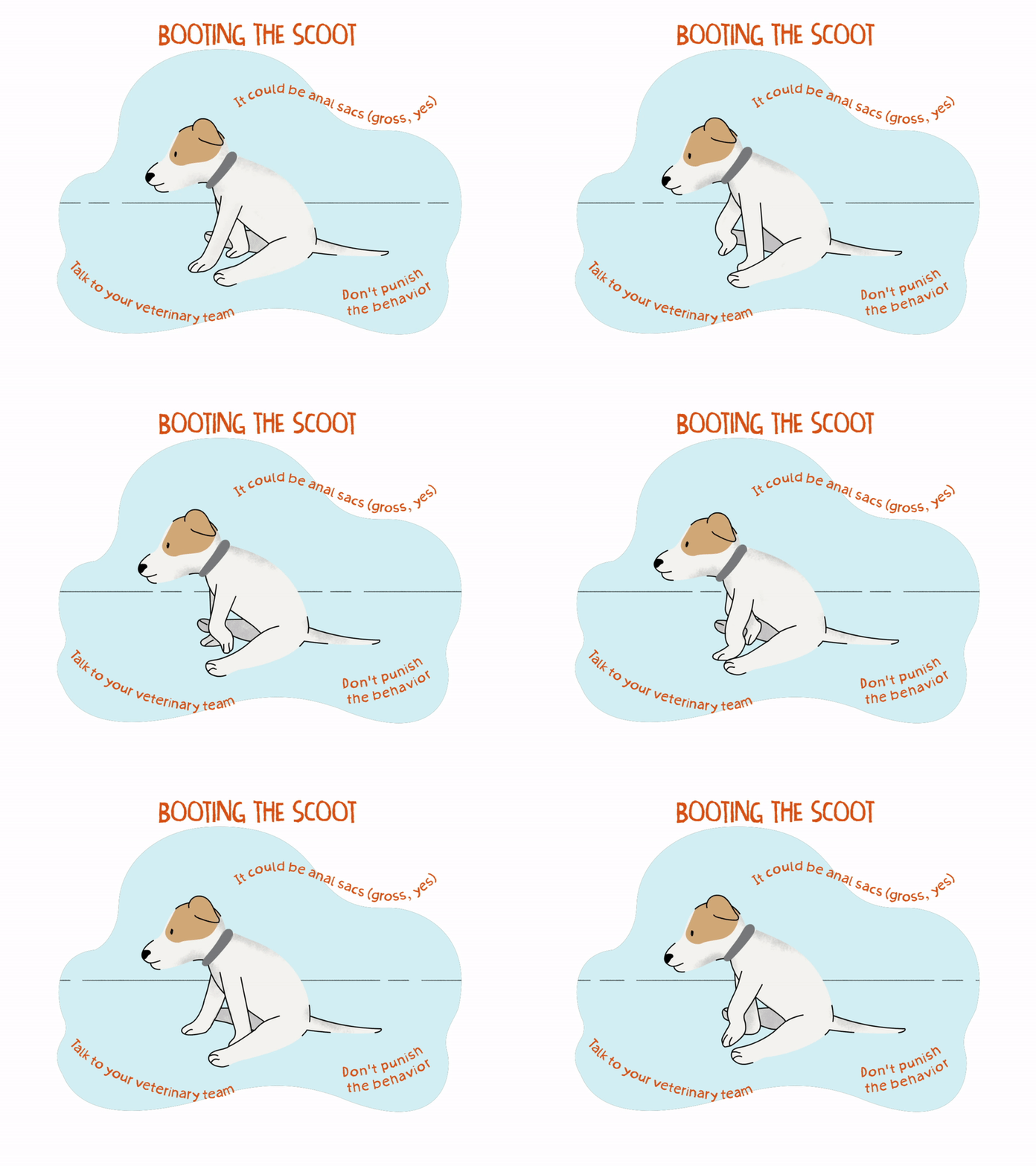
Image Source: www.banfield.com
Why Does My Dog Scoot His Butt?
When a dog drags his bottom, it’s a clear sign he feels itchy or uncomfortable. It’s like us scratching an itch we can’t reach easily. But for dogs, this action points to specific issues happening near their rear end. Let’s look at the main reasons.
Reasons for Butt Scooting
Dogs scoot for several reasons. The most frequent ones involve small sacs near their anus, tiny pests, or skin problems. Knowing the cause helps you get your dog the right care.
Deciphering Anal Gland Troubles
Near your dog’s anus are two small sacs. Think of them like tiny scent pouches. They are called anal glands, or sometimes anal sacs. These glands hold a smelly liquid. Normally, when a dog poops, the pressure helps empty these sacs. The liquid comes out onto the feces. This leaves a scent mark that only other dogs can smell. It’s how they communicate and mark their territory.
What Goes Wrong with Anal Glands?
Sometimes, these anal glands don’t empty like they should. This can happen for many reasons.
- Soft Poop: If a dog’s poop is too soft, it doesn’t push hard enough on the sacs to empty them.
- Diet: A diet low in fiber can lead to soft stools.
- Weight: Overweight dogs might have trouble emptying their glands.
- Genetics: Some dogs are just more likely to have gland problems due to their body shape or the position of their glands.
- Inflammation: Swelling in the area can block the small ducts that lead out of the glands.
When the glands don’t empty, the liquid inside gets thick and dries out. This makes the sacs swollen and painful. This is called having impacted anal glands.
Symptoms of Impacted Anal Glands
Impacted glands are very uncomfortable. Your dog will show you something is wrong.
- Butt Scooting: This is the most obvious sign. Your dog drags his rear end on the floor or ground.
- Licking or Biting: He might lick or chew a lot at his rear end or tail base.
- Bad Smell: You might notice a strong, fishy smell. This is the scent liquid leaking out slowly.
- Difficulty Sitting or Standing: Pain can make it hard for your dog to get comfortable.
- Swelling: The area around the anus might look red or swollen.
- Pain When Touched: Your dog might cry out or guard his rear end if you try to touch it.
- Refusing to Poop: It can hurt to push, so some dogs hold it in.
If impacted glands aren’t treated, they can get infected. This can lead to a painful abscess, which is a pocket of pus. This is a serious problem and part of what vets call anal sac disease.
Helping with Anal Gland Problems
The main way to treat impacted anal glands is to empty them. This is called anal gland expression.
- By a Vet: Vets or vet techs are trained to do this safely and completely. They know how to check for infection or other issues at the same time.
- By a Groomer: Some groomers offer this service. However, they usually express the glands externally. This works if the glands are only slightly full. If they are truly impacted or infected, internal expression by a vet is needed. Internal expression is more effective for deeply impacted glands.
- Do-It-Yourself: It is possible to learn to express anal glands at home. However, it’s tricky. If done wrong, you can hurt your dog. You could cause pain, bruising, or even push infection deeper. Most vets recommend leaving this to professionals, especially if you suspect impaction or infection.
If the glands are infected, your vet will likely prescribe antibiotics. Pain relief medication might also be needed. In severe cases of repeat problems or abscesses, surgery to remove the glands might be an option.
Grasping Dog Worms
Another common cause for dog itching rear end is worms. Certain types of worms live in a dog’s intestines. They can cause irritation around the anus.
Which Worms Cause Itching?
- Tapeworms: These are perhaps the most famous for causing itching. Tapeworms live in the gut but shed small segments that look like grains of rice. You might see these segments moving near your dog’s anus or dried on his fur or bedding. The movement or presence of these segments irritates the area.
- Hookworms and Roundworms: While these mainly cause issues inside the gut (like diarrhea, vomiting, weight loss), sometimes a heavy burden can cause general discomfort or irritation that leads to scooting.
Finding Worms
How do you know if worms are the problem?
- See Segments: Look for tapeworm segments around your dog’s rear end. They are small, white, and might move when fresh. When dry, they look like tiny, hard yellow bits of rice.
- Fecal Test: Your vet can do a fecal test. This involves looking at a sample of your dog’s poop under a microscope. They look for worm eggs that aren’t visible to the naked eye.
Treating Worms
Treating worms is usually simple. Your vet will prescribe a deworming medication. The type of medication depends on the type of worm your dog has. It’s important to give the full dose as directed. You might also need to treat your dog for fleas, as fleas are how dogs get tapeworms. Dogs eat infected fleas while grooming.
Regular deworming is important, especially for puppies or dogs who spend time outdoors. Your vet can recommend a good deworming schedule for your dog.
Interpreting Dog Allergies
Just like people, dogs can have allergies. Allergies cause itching. And this itching can happen anywhere on the body, including the perineal area (the area around the anus).
What Causes Dog Allergies?
Allergies in dogs can be to:
- Fleas: This is a very common allergy. Even one flea bite can cause intense itching all over the body for some dogs. While fleas usually cause itching more broadly, the rear end can definitely be affected.
- Food: Dogs can be allergic to certain ingredients in their food, often proteins like chicken, beef, or dairy. Food allergies usually cause skin itching, ear infections, and sometimes tummy upset. The itching can show up around the face, paws, ears, and yes, the rear end.
- Environment: Things in the air or environment can cause allergies. These include pollen from trees, grass, or weeds; dust mites; and mold. This type of allergy is often seasonal, depending on what your dog is allergic to. Environmental allergies can cause widespread itching and skin irritation.
Allergy Symptoms Leading to Scooting
If your dog has allergies, you might see:
- General Itching: Lots of scratching, licking, or chewing at different body parts.
- Skin Problems: Redness, rashes, flaky skin, hot spots (raw, wet skin sores from licking).
- Ear Infections: Chronic ear problems are common with allergies.
- Scooting: The dog itching rear end might be part of the overall skin irritation caused by the allergy. The skin around the anus can get red, inflamed, and itchy just like other areas.
Managing Dog Allergies
Managing allergies usually involves a multi-step approach.
- Finding the Cause: Your vet can help figure out what your dog is allergic to. This might involve diet trials (feeding a special hypoallergenic food) or allergy testing.
- Reducing Exposure: If it’s a flea allergy, strict flea control is needed for all pets in the home. For environmental allergies, wiping your dog down after being outside can help remove pollen. Special air filters can help with dust mites.
- Medication: Vets can prescribe medicines to control itching and reduce inflammation. These might include antihistamines, steroids (used carefully for short periods), or newer allergy medications that target the specific itch signals.
- Topical Treatments: Medicated shampoos, creams, or wipes can help soothe the irritated skin in the perineal area.
- Allergy Shots or Drops: For severe environmental allergies, immunotherapy (allergy shots or drops under the tongue) can help desensitize your dog over time.
Controlling the underlying allergy helps stop the overall itching, which should reduce or stop the scooting related to allergies.
Other Reasons for Irritation
Sometimes, scooting isn’t due to anal glands, worms, or typical allergies. Other things can make the perineal area irritation.
- Matted Fur: Long-haired dogs can get poop or debris stuck in the fur around their anus. This creates mats. These mats pull on the skin and cause irritation and itching. Poor grooming can make this worse.
- Skin Infections: Bacteria or yeast can grow on the skin around the anus, especially if it’s already irritated from licking or moisture. This causes infection, redness, and more itching.
- Injury or Cuts: A small cut, scratch, or scrape near the anus can cause discomfort and lead to scooting as the dog tries to relieve the feeling.
- Something Stuck: Grass seeds, burrs, or other small objects can get stuck in the fur around the rear end and cause irritation.
- Inflammation from Diarrhea: Repeated bouts of diarrhea can irritate and inflame the skin around the anus, leading to itching and scooting.
Table of Common Causes and Signs
Here is a simple table to help you quickly check common causes and their signs.
| Cause | What It Is | Main Signs |
|---|---|---|
| Anal Gland Issues | Sacs near anus get full, impacted, or infected. | Scooting, licking rear end, bad smell, pain near butt, swelling. |
| Dog Worms | Parasites in gut (especially tapeworms). | Scooting (esp. with tapeworms), seeing rice-like segments, weight loss, tummy upset. |
| Dog Allergies | Reaction to fleas, food, or environment. | General itching, skin rashes, ear infections, licking paws, scooting. |
| Other Irritation | Matted fur, skin infection, injury, debris. | Scooting, redness, licking, visible matting or foreign object near anus. |
When Your Dog Needs a Vet Visit
Anytime your dog starts butt scooting, it’s a good idea to think about a dog vet visit. While some scooting can be minor, it often points to a problem that needs professional help.
Signs It’s Time to See the Vet
You should definitely see your vet if you see any of these signs:
- Scooting is new or happens often.
- Your dog seems in pain when sitting or if you touch his rear end.
- You see swelling or redness around the anus.
- There is a bad smell coming from the area.
- You see blood or pus.
- Your dog is also licking or biting the area a lot.
- He seems generally unwell (not eating, low energy, fever).
- You see visible worm segments near his anus.
Don’t wait too long. Simple problems like impacted glands can quickly become painful infections or abscesses if not treated.
What Happens at the Vet?
When you take your scooting dog to the vet, the vet will do several things to figure out what’s going on.
The Check-Up
- Ask Questions: The vet will ask you about when the scooting started, how often it happens, what your dog eats, if you’ve seen any other symptoms (like tummy upset, itching elsewhere), and if you’ve seen anything around his rear end.
- Physical Exam: The vet will give your dog a full physical check-up.
- Check the Rear End: They will pay close attention to the perineal area. They will look for redness, swelling, mats, or anything stuck in the fur.
- Check Anal Glands: The vet will likely check your dog’s anal glands. They can feel how full they are and check for signs of pain or infection. If they are full, the vet or vet tech will do an anal gland expression to empty them. This lets them see the liquid and check if it looks normal or if there are signs of infection (like pus or blood).
- Fecal Test: The vet will probably ask for a sample of your dog’s poop. They will look at it under a microscope to check for worm eggs or other parasites. This is important for diagnosing dog worms.
Getting a Diagnosis
Based on their findings, the vet will tell you what they think is causing the scooting.
- If the anal glands were full and looked normal otherwise, impacted glands were likely the cause.
- If the glands were infected or had pus, it’s an anal sac disease case needing more treatment.
- If they found worm eggs or segments in the poop, dog worms are the likely problem.
- If the rear end looks red and irritated and your dog is itchy elsewhere, dog allergies or another skin issue might be the cause.
- If there’s matted fur or something stuck, that’s the clear cause of the perineal area irritation.
Helping Your Dog Stop Scooting
Once you know the cause, you can start treatment.
Treating the Cause
- For Impacted Anal Glands: The anal gland expression done by the vet usually provides fast relief.
- For Infected Anal Glands: Your vet will clean the area, give antibiotics, and possibly anti-inflammatory medicine. Sometimes, they might flush the glands with a medicated solution. Your dog might need pain medicine.
- For Dog Worms: A dewormer medication will be given. Follow the vet’s instructions carefully. You might need repeat doses or ongoing prevention.
- For Dog Allergies: Treatment depends on the allergy. This could involve special diets, allergy medications, or topical treatments for the skin. Controlling fleas is key if it’s a flea allergy.
- For Other Irritation: The vet will remove mats or foreign objects. They can treat skin infections with medicated washes or creams. If diarrhea caused irritation, they might treat the diarrhea and soothe the skin.
Preventing Future Scooting
You can take steps to help stop your dog from scooting again.
- Diet: A diet with enough fiber helps firm up the stool. This helps the anal glands empty naturally. Ask your vet about the best food or if adding fiber (like plain canned pumpkin) is a good idea.
- Weight Management: Keeping your dog at a healthy weight helps his body function better, including natural anal gland emptying.
- Regular Grooming: For long-haired dogs, keeping the fur around the anus trimmed short helps prevent mats and keeps the area clean. Good grooming reduces the chance of perineal area irritation from debris or tangles.
- Consistent Parasite Control: Use year-round flea and worm prevention recommended by your vet. This helps avoid dog worms and flea allergies.
- Routine Vet Checks: Regular dog vet visits are important. Your vet can check your dog’s anal glands during routine exams and express them if needed before they become impacted. They can also catch other potential issues early.
- Watch for Allergy Signs: If your dog has allergies, stay on top of the management plan your vet created. Controlling the itch prevents him from irritating his rear end (or other body parts) by licking, chewing, or scooting.
More About Anal Gland Expression
Since anal gland issues are a very common reason for butt scooting, let’s talk more about anal gland expression.
Is Regular Expression Necessary?
Not every dog needs their anal glands expressed regularly. Many dogs go their whole lives with their glands emptying on their own every time they poop. Regular expression is only needed for dogs whose glands don’t empty naturally and get full often.
Who Should Do It?
For most dogs needing expression, a vet or vet technician is the safest choice. They are trained to do it correctly and can spot problems like infection or tumors early. If your dog needs frequent expression and you are comfortable, you can learn from your vet how to do it safely at home. But again, if you suspect impaction or pain, a vet visit is best.
Risks of Doing it Wrong
Trying to express glands yourself without proper training can be harmful. You could:
- Cause pain and swelling.
- Bruise the delicate tissues.
- Push bacteria into the gland, causing infection.
- Miss serious problems like abscesses or tumors that a vet would find.
Leave anal gland expression to the experts unless your vet has shown you how and says it’s okay for your specific dog.
Fathoming the Perineal Area
The perineal area is simply the area around your dog’s anus. It’s a sensitive spot. Any irritation here will make your dog uncomfortable. This is why many different problems that affect this specific spot can lead to the same behavior: scooting.
Think about how much action this area sees – waste passes through it, it’s near the ground when your dog sits, and it can be affected by internal issues (like glands or worms) or external ones (like mats or allergies). It’s no wonder it’s a common spot for irritation.
When your dog scoots, he’s telling you, “My bum itches or hurts!” Your job is to figure out why, often with help from your vet.
Interpreting the Scoot as a Signal
Seeing your dog scoot can be a little gross, but it’s a valuable signal. It means pay attention! His body is trying to tell you something is wrong. Ignoring it won’t make the problem go away. In fact, issues like impacted anal glands can get much worse, leading to severe pain and infection if not addressed.
So, instead of just thinking “Gross!”, think “Okay, what’s bothering you, buddy?”
What NOT to Do
- Don’t ignore it: Scooting is not just a funny habit. It means discomfort.
- Don’t just blame worms: While worms are a cause, it’s not the only one. A vet visit is needed to know for sure.
- Don’t try forceful home remedies: Sticking things in your dog’s anus or applying random creams isn’t safe and can cause harm.
- Don’t try to express anal glands yourself without training: As mentioned, this can cause injury or make things worse.
Frequently Asked Questions About Butt Scooting
Here are answers to common questions about why dogs drag their butts.
h4> Q: Is it normal for my dog to scoot once in a while?
A: Occasional scooting might happen if there’s a tiny bit of debris stuck or minor, temporary irritation. But if you see it happening more than very rarely, or if your dog seems focused on the area, it’s best to investigate. Frequent or intense scooting is not normal and points to an underlying issue like anal gland issues, dog worms, or dog allergies.
h4> Q: Can I express my dog’s anal glands myself?
A: It is possible to learn, but it’s risky to do without proper instruction from a vet. Doing it wrong can hurt your dog, cause bruising, or lead to infection. Most vets recommend letting a professional (vet, vet tech, or trained groomer) handle anal gland expression, especially if you suspect impacted anal glands or anal sac disease.
h4> Q: What if my dog scoots right after pooping?
A: Scooting right after pooping can sometimes happen if the anal glands were full and didn’t fully empty. The dog might be trying to get the last bit out. However, it can also mean the glands are irritated or impacted. Watch to see if it happens often. If it does, it’s a good reason for a dog vet visit to check the anal glands.
h4> Q: Could my dog just be trying to clean himself?
A: While dogs do lick to clean, scooting is usually about trying to relieve an itch or pressure. It’s a sign of discomfort, not just routine cleaning.
h4> Q: My dog is on flea and worm prevention. Can he still have worms or allergies?
A: Yes. While prevention greatly reduces the risk, no prevention is 100% perfect. Also, prevention products target specific parasites. If you use a product that only prevents fleas and heartworms, your dog could still get tapeworms or other gut parasites not covered. And prevention for external parasites doesn’t stop food or environmental allergies. If your dog scoots, rule out all common causes with your vet, even if he’s on prevention.
h4> Q: Can diet help prevent anal gland problems?
A: Yes, diet can help. Feeding a diet with enough fiber helps create firmer stools. Firmer stools put more pressure on the anal glands as they pass, helping them empty naturally. Your vet can recommend a food or fiber supplement if this is a repeat issue for your dog.
In Conclusion
Seeing your dog scoot his butt can be worrying and unpleasant. But remember, he’s not doing it to be naughty or funny. He’s doing it because he’s uncomfortable. The most likely culprits are problems with his anal glands, the presence of dog worms, or irritation from dog allergies.
Ignoring the scooting is not an option. It’s a signal that needs attention. A trip to the dog vet visit is the best way to find out exactly why your dog has dog itching rear end and get him the right help. The vet can check his anal glands, test for dog worms, look for signs of dog allergies or other perineal area irritation, and start treatment.
Most causes of butt scooting are treatable. With the right diagnosis and care, you can help your furry friend feel comfortable and stop the scooting for good. Don’t delay getting your dog checked if you see this behavior. His comfort is important.