
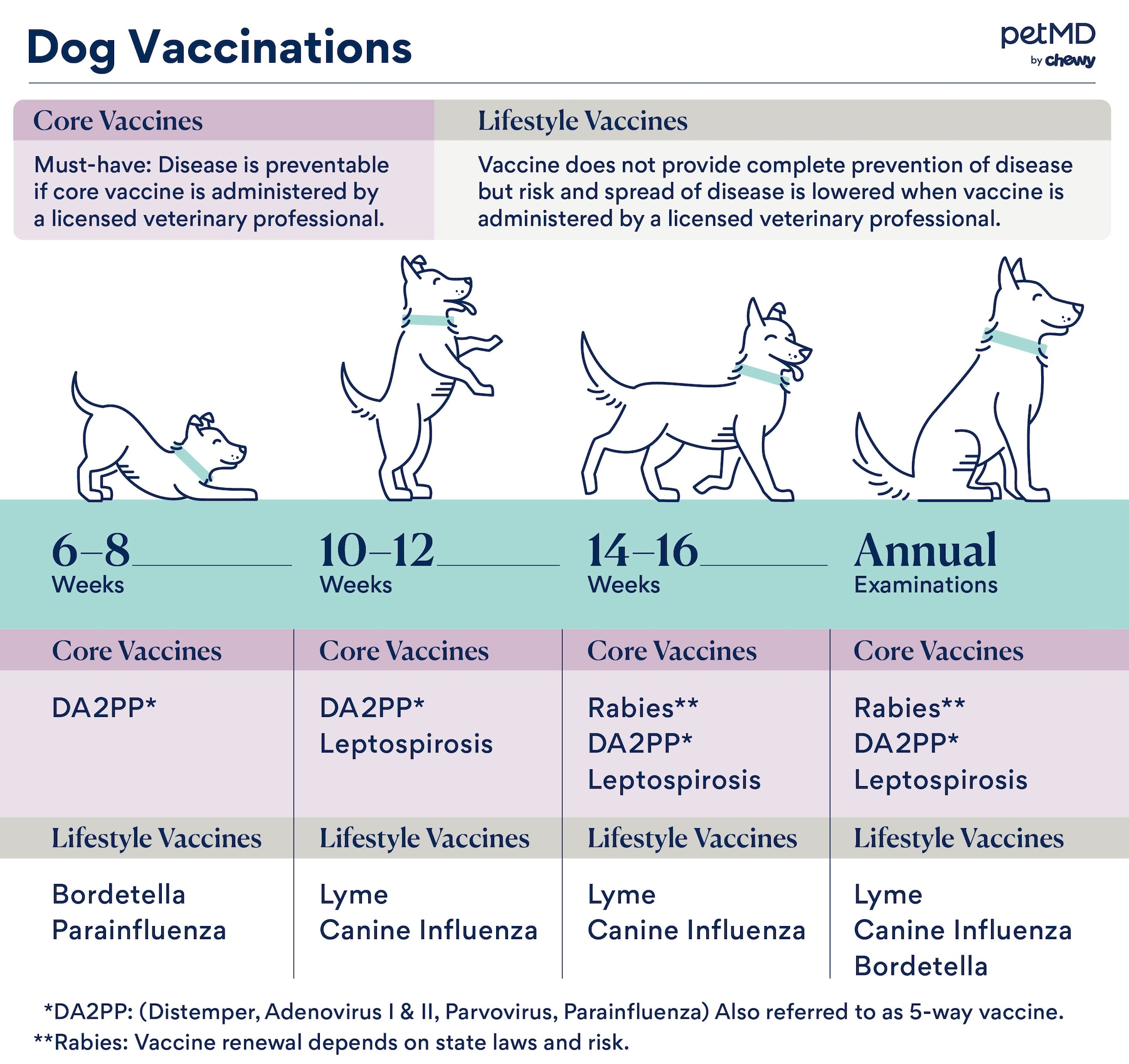
Image Source: image.petmd.com
Vets Explain: How Often Should My Dog Get A Rabies Shot
Your dog needs a rabies shot. Vets usually give the first one to puppies. Then, your dog gets another shot one year later. After that, the shots are often every one or three years. It depends on the shot type and where you live. Rabies shots protect dogs from a deadly sickness. Laws in most places say dogs must have this shot. This is part of the dog rabies vaccine schedule.
Why Your Dog Needs This Shot
Let’s talk about rabies. It is a very serious disease. It attacks the brain and nerves. Animals get rabies when they are bitten by an animal that has it. Rabies can infect warm-blooded animals. This includes dogs, cats, bats, raccoons, skunks, and foxes. People can get rabies too.
Rabies is almost always fatal once signs of sickness show up. There is no cure for rabies once it starts. This is true for both animals and people. This is why preventing it is so important.
For dogs, the rabies vaccine is a shield. It stops them from getting rabies. It also stops them from spreading rabies to people or other animals. Because rabies can spread to people and is so deadly, rabies shots are not just about your dog’s health. They are about public health too. This is why laws in nearly all areas require dogs to get the shot. This is one of the most important core dog vaccines your dog will get.
When Your Dog Gets The Rabies Shot
The dog rabies vaccine schedule starts when your dog is young. Here is a common plan:
Puppies and Their First Shot
Puppies get their first rabies shot when they are still young. The usual puppy rabies shot age is around 12 to 16 weeks old. Sometimes it can be given a little earlier or later. Your vet will tell you the right time for your puppy. This first shot is the start of their protection. It helps their body learn to fight the rabies virus.
The First Booster Shot
After the first shot as a puppy, your dog needs a rabies booster shot dog. This shot is usually given about one year after the puppy shot. This booster is very important. It makes sure your dog’s protection is strong. This one-year booster helps build long-lasting defense against rabies.
Adult Dog Schedule
After the one-year booster, how often does your dog need a rabies shot? This is where things can differ. It mainly depends on the type of vaccine your vet uses.
- The 1-Year Vaccine: Some rabies vaccines are made to protect for one year. If your dog gets a
1 year rabies vaccine dog, they will need a booster shot every year. This helps keep their protection strong year after year. - The 3-Year Vaccine: Other rabies vaccines are made to protect for three years. If your dog gets a
3 year rabies vaccine dog, they will need a booster shot every three years. This is a common choice for many adult dogs. It means fewer trips to the vet just for this shot.
So, how long does dog rabies shot last depends on which vaccine is used. It is either one year or three years.
Your vet will choose the best vaccine for your dog. They will follow rules about which vaccine they can use. They will also look at local laws. Some places might only allow the 1-year vaccine, even if a 3-year one is available. Most places allow either one or three years after the initial one-year booster.
Here is a simple look at the common schedule:
| Dog’s Age/Status | Timing for Rabies Shot | Vaccine Type | How Long it Protects | Next Shot Due |
|---|---|---|---|---|
| Puppy | Around 12-16 weeks old | Initial Rabies Vaccine | Starts protection | About 1 year later |
| Young Adult (after puppy) | About 1 year after the puppy shot | First Adult Booster | 1 or 3 years | 1 or 3 years later |
| Adult Dog | 1 or 3 years after the last shot (depending on type) | Booster (1-year or 3-year type) | 1 or 3 years | 1 or 3 years later |
This table shows the basic dog rabies vaccine schedule. Your vet will keep a record of your dog’s shots. They will tell you when the next one is due.
Rabies is a Key Shot
When we talk about dog vaccination frequency, rabies is unique. It is considered a core dog vaccines. This means vets recommend it for all dogs. It does not matter if your dog stays inside all the time or if they go outside a lot. Rabies is everywhere in the wild. Even an indoor dog could get out. Or a bat could get into your house. Because rabies is so dangerous and can affect people, the rabies vaccine is non-negotiable for most dogs.
Other core dog vaccines protect against diseases like distemper, adenovirus, and parvovirus. These are also very serious. Non-core vaccines are given based on your dog’s lifestyle and where you live. Examples are vaccines for Bordetella (kennel cough) or Lyme disease. Rabies stands apart because of the public health risk.
Rules for Rabies Shots
As mentioned, rabies vaccine requirements dog are very common. Most states, counties, and cities have laws about it. These laws say dogs must get the rabies shot by a certain age. They also say how often the shots must be given after that. These rules are in place to control the spread of rabies. They protect pets and people.
If you move to a new area, check the local rules. They might be different from where you lived before. Your vet in the new place will know the local rabies vaccine requirements dog. They will help you keep your dog properly vaccinated according to the law.
What Your Vet Says
Your vet is the best person to help you plan your dog’s shots. They make veterinary vaccine recommendations dog. These plans are specific to your dog.
Your vet looks at several things:
- Your dog’s age: Puppies have a different schedule than adults. Older dogs might have special needs.
- Your dog’s health: If your dog is sick, your vet might wait to give the shot. This is because their body might not respond as well.
- Where you live: Local
rabies vaccine requirements dogare key. Also, your vet knows if rabies is more common in wild animals in your area. - The type of vaccine available: Vets use vaccines that meet legal standards. They choose between 1-year and 3-year types when allowed.
So, while there are general rules for the dog rabies vaccine schedule, your vet puts it all together for your dog. They will keep your dog’s records. They will send reminders when the next rabies booster shot dog is due. Always follow your vet’s advice on when to get the shots.
Getting the Shot
Getting a rabies shot is usually a quick process during a vet visit. Your vet will first give your dog a check-up to make sure they are healthy enough for the vaccine. They will ask you about your dog’s health and if they have had any problems with shots before.
Then, the vet or a vet nurse will give the shot. It is just a small shot, usually given under the skin. Most dogs barely notice it. They might feel a tiny pinch. The vet will likely give the shot in a specific spot, like a leg. This helps if there is ever a reaction later on. It helps the vet know which shot caused the problem.
After the shot, you will get important paperwork. This is the rabies vaccination certificate. It shows:
- Your dog’s name and description
- The type of vaccine given (1-year or 3-year)
- The date the shot was given
- The date the shot expires (when the next one is due)
- The vet clinic’s information
This certificate is proof that your dog is vaccinated. It is very important to keep this paper safe.
What Might Happen After
Most dogs do very well after getting a rabies shot. But like with any shot, there can be side effects. These are usually mild and go away quickly.
Common side effects include:
- Being a little tired or sleepy.
- Having a small bump or feeling sore where the shot was given.
- Not wanting to eat much for a short time.
These signs usually last only a day or two. If you see these, keep your dog comfy and quiet.
More serious reactions are rare. But they can happen. Call your vet right away if you see:
- Bad swelling of the face, muzzle, or eyes.
- Trouble breathing.
- Lots of throwing up or diarrhea.
- Acting very weak or shaky.
- Itching all over their body.
These could be signs of an allergic reaction. It is best to get help fast if you see these.
The vet will watch your dog for a few minutes after the shot. This is just to be safe in case of a quick reaction. But most reactions happen later at home.
If Your Dog Misses a Shot
Life happens. Maybe you forgot the date, or your dog was sick. If your dog misses a rabies booster shot dog when it was due, call your vet right away. Do not just wait until the next year or three years pass.
Your vet will tell you the best way to get your dog back on schedule. Often, they will just need to give the shot as soon as possible. The rules about when the next shot is due after a missed dose can vary. Your vet will follow the official dog rabies vaccine schedule rules for that. Getting the shot late is much better than not getting it at all. It helps keep their protection strong and keeps you in line with rabies vaccine requirements dog.
Why Paperwork Matters
We talked about the rabies certificate. Keep it safe! You might need it for several reasons:
- Legal Proof: This is the most common reason. If there are
rabies vaccine requirements dogwhere you live, this paper proves you followed the law. - Dog Bites: If your dog ever bites someone, you will need to show proof of rabies vaccination. If you cannot show proof, your dog might have to stay by itself (quarantine) for a while. This is to make sure they do not have rabies. This protects the person who was bitten.
- Travel: If you travel with your dog, especially across state lines or to another country, you will need proof of rabies vaccination.
- Boarding or Daycare: Most places where you leave your dog (like kennels or doggy daycare) need to see proof of vaccination before they will care for your dog.
- Dog Parks: Some dog parks require proof of vaccination to use the park.
- Dog Licensing: In many places, you need to show proof of rabies vaccination to get a license for your dog.
Think of the rabies certificate like a passport for your dog’s health and legal status regarding rabies. Keep it in a safe place. You might want to take a picture of it with your phone too, just in case.
Other Things to Know
Most dogs need rabies shots throughout their lives. Are there exceptions? Very rarely. In some cases, a vet might say a dog should not get the shot because of a serious health problem. This is usually for dogs with specific immune system diseases or past bad reactions. If this happens, the vet might be able to get a special waiver. This waiver says the dog cannot be vaccinated for health reasons. But these waivers are not common, especially for rabies, because of the high risk the disease poses. Veterinary vaccine recommendations dog are usually to vaccinate unless there is a very strong reason not to.
Sometimes people ask about titer tests. A titer test measures how many antibodies a dog has in its blood. Antibodies are like little soldiers that fight disease. A high titer might mean the dog has good protection. However, for rabies, most laws do not accept a titer test instead of a vaccine. You must get the vaccine to meet the rabies vaccine requirements dog, even if a test shows your dog has antibodies. This is because the laws are based on giving the vaccine at set times, not on antibody levels.
Remember, the main point of the dog vaccination frequency for rabies is safety. Safety for your dog, for your family, and for your community.
Quick Look Back
So, how often should your dog get a rabies shot?
- First shot as a puppy (around 12-16 weeks).
- First adult booster shot about 1 year after the puppy shot.
- After that, booster shots are given every 1 year or every 3 years. This depends on the vaccine type used (
1 year rabies vaccine dogvs.3 year rabies vaccine dog) and local laws. - The
rabies booster shot dogschedule is decided byhow long does dog rabies shot last. - Rabies shots are a
core dog vaccinesand are required byrabies vaccine requirements dogin most places. - Always follow your
veterinary vaccine recommendations dog. They know what is best for your pet and your area.
Getting these shots on time is vital. It protects your dog from a fatal disease. It also protects people and meets the legal rules where you live. Talk to your vet. They will guide you through your dog’s dog rabies vaccine schedule.
Frequently Asked Questions (FAQ)
Does the rabies shot hurt my dog?
Most dogs feel just a tiny pinch when they get the shot. They might be a little sore or tired afterward, but it’s usually not very painful. It is much less painful than getting rabies!
Is the rabies shot really required by law?
Yes, in almost all parts of the United States and many other countries, rabies vaccination for dogs is required by law. This is for public safety.
Can my dog still get rabies even if they are vaccinated?
The rabies vaccine is very good, but no vaccine is 100% perfect. It is very rare for a vaccinated dog to get rabies. The shot greatly lowers the risk and helps their body fight the virus if they are exposed.
What if I don’t know when my dog had its last rabies shot?
If you adopt a dog or are not sure about their shot history, tell your vet. They might suggest giving a shot now and starting a new dog rabies vaccine schedule from that date.
Is a 3-year rabies shot okay, or is a 1-year shot better?
Both the 1 year rabies vaccine dog and the 3 year rabies vaccine dog are effective and approved. The choice often depends on local laws and your vet’s practice. Both types protect your dog. The 3-year shot means fewer vet visits for this specific shot. Your vet will recommend what is best and legal in your area.