
It’s a common problem for dog owners. You love your dog, but you hate finding a wet spot on your favorite rug. If you are asking, “Why is my dog peeing indoors suddenly?” there are several possible reasons. It could be a health issue needing a vet’s check, a sign of stress or anxiety, a simple lapse in house training, or maybe they just like the feel or smell of that specific spot because past accidents weren’t cleaned well. Don’t worry. This guide will help you figure out why it’s happening and how to stop it.
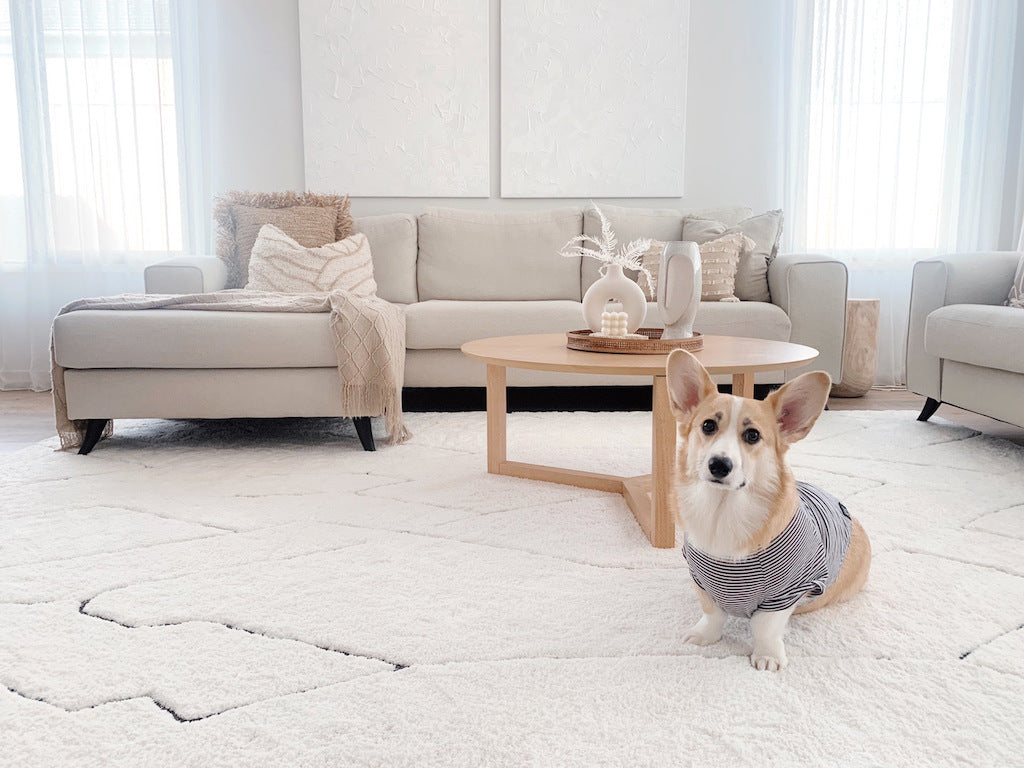
Image Source: missamara.com.au
Finding the Reason for Peeing Indoors
Dogs don’t pee inside just to be naughty. There is always a reason. Figuring out that reason is the first big step to fixing the problem.
Learning About Common Causes
Many things can make a dog pee on a rug. They often fall into a few main groups:
- They Never Learned: Puppies are still learning. Older dogs might not have been fully trained in the past. Puppy pee accidents inside happen while they learn. Maybe your house training adult dog wasn’t finished.
- Something Hurts: Medical problems are a very common reason. A dog might suddenly start peeing inside because of pain or a health issue. This is one of the most important medical reasons dog pees inside to rule out first.
- They Feel Bad Inside: Stress, fear, or feeling worried can make dogs pee. Stress peeing in dogs happens when they feel unsafe or anxious. Other feelings like excitement or wanting attention can also cause it. This falls under dog behavior problems peeing.
- Accidents Happen and Stick: If an accident isn’t cleaned up completely, the smell stays. Even if you can’t smell it, your dog can. That old smell tells your dog, “This is a good place to pee.” This is why good dog urine odor removal is so important.
- Changes at Home: Big changes like moving, a new baby, a new pet, or even just a change in your routine can cause a dog to feel unsure and start peeing inside. This connects to why is my dog peeing indoors suddenly.
Ruling Out Health Issues
Anytime a house-trained dog starts peeing inside, especially if it’s sudden, the very first thing you must do is call your vet.
Why a Vet Visit is a Must
Your vet can check for many health problems that cause increased peeing or loss of bladder control. Some common medical reasons dog pees inside are:
- Urinary Tract Infections (UTIs): These are very common. They make a dog feel like they have to pee often, sometimes suddenly, and they might not be able to hold it.
- Bladder Stones or Crystals: These can irritate the bladder and cause accidents.
- Kidney Problems: Sick kidneys can make a dog drink more and pee more.
- Diabetes: Dogs with diabetes often drink a lot and pee a lot.
- Cushing’s Disease: This can also cause more drinking and peeing.
- Age-Related Issues: Older dogs can have weaker bladder muscles or problems like doggy dementia (Cognitive Dysfunction Syndrome) that make them forget their training.
- Pain: If a dog is in pain (like from arthritis), it might be hard for them to go outside, especially quickly.
Your vet will do tests like checking a pee sample. They can tell you if a health problem is causing the accidents. If the vet finds a medical reason, treating that problem might stop the peeing on the rug. If the vet says your dog is healthy, then you know the cause is likely behavioral or related to training.
Effective Training to Stop Peeing on Rugs
Once health issues are ruled out, it’s time to focus on training and behavior. The goal is to teach your dog that the only place to pee is outside. This is the core of training dog not to soil house.
Getting the Basics Right
Good house training, or retraining, is about setting your dog up for success and managing their environment.
Set a Strict Potty Schedule
Dogs do well with routine. A schedule helps them learn when and where to go.
- Take your dog out first thing in the morning.
- Take them out before you leave the house.
- Take them out right when you get home.
- Take them out after they wake up from a nap.
- Take them out after they eat or drink.
- Take them out before bedtime.
- Take young puppies or older dogs out more often, maybe every 1-2 hours at first.
Use the same door and go to the same potty spot every time. This helps your dog know what’s expected.
Supervise Closely Indoors
When your dog is inside and not in their crate, watch them like a hawk. This is crucial for preventing puppy pee accidents inside and retraining adult dogs.
- Keep them in the same room as you.
- Use a leash tethered to you if you need to keep them extra close.
- Look for signs they need to go: sniffing the ground, circling, heading towards the door, or going near the rug.
- If you see these signs, interrupt gently (a small noise, don’t scare them) and quickly take them outside to their potty spot.
Use a Crate (If They Like It)
A dog’s crate is their safe space. Most dogs won’t soil their den if they can help it.
- Use a crate that’s just big enough for them to stand up, turn around, and lie down. If it’s too big, they might use one end as a bathroom.
- Put your dog in the crate when you can’t watch them. This includes when you leave the house for short times or when you are busy.
- Never use the crate as punishment.
- Make the crate a nice place with comfy bedding and toys.
- Slowly get your dog used to the crate if they aren’t already.
Crate training is a great tool for house training adult dog and puppies because it limits where they can have accidents.
Praise and Reward Pottying Outside
When your dog potties outside, make a big deal out of it!
- Praise them happily the moment they finish. Say something like “Good potty!” in a cheerful voice.
- Give them a high-value treat right after. Something they only get for going potty outside.
- This teaches them that peeing outside makes great things happen (praise, treats, getting back inside).
- Wait until they are completely finished peeing before you praise or give the treat.
This positive reinforcement makes them want to potty outside again. Never scold or punish your dog for accidents inside, especially if you find them later. This can make them afraid to pee in front of you, even outside.
Handling Accidents When They Happen
Even with a good plan, accidents might still occur, especially at first.
- If you catch your dog in the act of peeing on the rug, interrupt them gently. A sharp, but not scary, sound (“Ah-ah!” or a clap) can work.
- Immediately take them outside to their potty spot.
- If they finish peeing outside, praise and reward them!
- Do not yell, scold, or rub their nose in it. This does not work and can harm your relationship with your dog.
- If you find an accident later, just clean it up properly. It’s too late to correct your dog. They won’t understand why you’re upset.
Cleaning Up Dog Pee Properly
Cleaning the spot well is just as important as the training. If the smell of pee is still there, your dog will think it’s okay to pee there again. This is where effective cleaning dog pee off carpet and dog urine odor removal come in.
Why Proper Cleaning is Key
Dog urine has a very strong smell to dogs, even after you think it’s clean. Urine crystals can stay in the carpet fibers and padding for a long time. When it’s humid, the smell comes back. This smell is a strong signal to your dog that this is a place where they have peed before, making them likely to do it again. You must remove all traces of the odor.
Steps for Cleaning Fresh Pee
Act fast when an accident happens.
- Blot it Up: Use paper towels or a clean cloth to soak up as much liquid as possible. Press down firmly. Do not rub, as this spreads the pee and pushes it deeper into the rug. Keep blotting until the area is almost dry.
- Rinse (Carefully): For fresh stains, you can rinse the area with a small amount of cool water. Blot it up completely again. The goal is to dilute the urine, not soak the carpet.
- Apply an Enzymatic Cleaner: This is the most important step for dog urine odor removal. Apply a good quality enzymatic cleaner generously to the spot. Make sure it soaks into the carpet and padding where the pee went.
- Let it Work: Enzymatic cleaners need time to break down the urine crystals. Follow the product’s directions. This usually means letting it sit for 10-15 minutes, maybe longer. Don’t blot or rub it right away.
- Blot Again: After the waiting time, blot up the cleaner solution.
- Let it Dry: Let the area air dry completely. Avoid putting furniture or anything heavy on it while it’s drying. You might want to cover the area with an upside-down laundry basket or aluminum foil while it dries to keep your dog away.
Dealing with Old or Hidden Stains
Old stains are harder because the urine has dried and the crystals are set.
- Find the Spot: You might need a black light (UV light) in a dark room to find old stains. Urine glows under UV light.
- Clean the Area First: Clean the general area of the stain with plain water and blot, or use a carpet cleaner machine if you have one, without using detergents or harsh chemicals. These can set the stain or interfere with the enzymatic cleaner. Just use water. Blot very well.
- Apply Enzymatic Cleaner Liberally: Soak the entire stain area, making sure to cover slightly beyond the edges you see, as pee spreads out. You really need to saturate it so the cleaner can reach the urine in the padding.
- Let it Sit (Longer): For old stains, let the enzymatic cleaner work for a longer time than for fresh ones, maybe 30 minutes or even longer, following the product’s instructions. Some cleaners work best if you cover the area with plastic wrap after applying the cleaner to keep it wet longer.
- Blot and Let Dry: Blot up the excess liquid and let the area dry completely. This can take a day or two for heavy saturation.
Grasping Enzymatic Cleaners
Why are enzymatic cleaner for pet stains so important? Normal soap or carpet cleaners might clean the visible stain and make it smell nice to you, but they don’t get rid of the urine molecules that cause the strong smell for dogs. Enzymatic cleaners contain special enzymes (which are like tiny natural workers) that break down the organic matter in pee, like the proteins and uric acid crystals. This process actually gets rid of the source of the odor, not just covering it up. Using any other cleaner first can sometimes make the enzymes less effective.
Tips for Using Enzymatic Cleaners:
- Always test the cleaner on a small, hidden spot of your rug first to make sure it doesn’t cause damage or discoloration.
- Never mix enzymatic cleaners with other cleaning products (especially ammonia-based ones, which smell like pee to dogs!).
- Use enough product. Don’t be shy. It needs to reach all the pee.
- Be patient. They work by a chemical process that takes time.
- Keep your pet away from the area while it’s wet with the cleaner.
- If the smell comes back after drying, it means you missed some pee or didn’t use enough cleaner. You might need to clean the spot again.
Proper cleaning is a crucial step in training dog not to soil house because it removes the scent marker that tells them where they’ve had success before.
Addressing Behavioral Causes
If your dog is healthy and you are following a strict training plan, but they are still peeing on the rug, the cause might be behavioral. Dog behavior problems peeing can be complex.
Stress, Anxiety, and Fear
Stress peeing in dogs is very common. Dogs might pee when they are scared, worried, or anxious.
Signs of Stress in Dogs:
- Yawning (when not tired)
- Licking lips
- Panting (when not hot)
- Tucked tail
- Pacing
- Shaking or trembling
- Avoiding eye contact
- Excessive grooming
- Hiding
- Peeing or pooping indoors
Common Stress Triggers:
- Loud noises (thunder, fireworks, vacuums)
- Being left alone (separation anxiety)
- New people or pets in the house
- Changes in routine
- Vet visits or car rides
- Punishment or scolding (this often makes stress peeing worse)
Helping a Stressed Dog:
- Identify the Trigger: Figure out what makes your dog stressed.
- Reduce Stress: Try to avoid or lessen exposure to the trigger. For noises, create a safe den space (like their crate covered with a blanket) and use white noise or calming music.
- Desensitization and Counter-Conditioning: This involves slowly getting your dog used to the trigger while pairing it with something good (like treats or praise). This is best done with help from a professional trainer.
- Increase Exercise and Mental Stimulation: A tired dog is often a less anxious dog. Make sure your dog gets enough walks, playtime, and puzzle toys.
- Provide a Safe Space: Make sure your dog has a place they feel secure, like their crate or a specific bed, away from busy areas.
- Calming Aids: Talk to your vet about calming treats, diffusers (like Adaptil), thunder shirts, or even anxiety medication in severe cases.
Territorial Marking
Both male and female dogs can mark territory, though it’s more common in intact males. Marking is usually done on vertical surfaces, but some dogs mark on prominent objects, and a rug in the middle of a room can feel like a prominent object.
Signs of Marking:
- Usually small amounts of urine.
- Often done on objects like furniture legs, walls, or items brought into the house.
- Dogs might lift a leg (males) or squat (females).
- Happens even after the dog has recently peed outside.
Dealing with Marking:
- Spay or Neuter: This is often the most effective way to reduce or stop marking behavior.
- Clean Thoroughly: Use the enzymatic cleaner! Any lingering scent invites more marking.
- Restrict Access: Keep your dog away from areas they mark when you can’t supervise.
- Identify Triggers: Is the marking happening after new people visit, or when another dog is outside? Manage those situations.
- Positive Reinforcement: When your dog sniffs a spot they’ve marked before but doesn’t mark, praise them and give a treat.
- Make the Spot Less Appealing: Some people use dog-safe deterrent sprays on clean spots, or place objects (like a bowl of food or a toy) on the spot, as dogs rarely soil areas where they eat or play.
Excitement or Submissive Peeing
Some dogs, especially puppies or shy dogs, may pee a little when they get very excited (like when you come home) or when they feel scared or unsure (submissive peeing, often happens when greeted or when someone leans over them).
Signs:
- Usually happens during greetings, playtime, or when the dog is corrected.
- Often accompanied by other body language like tail tucked, body low to the ground, avoiding eye contact.
- Amount of pee is usually small.
How to Handle It:
- Keep Greetings Low-Key: When you come home, ignore your dog until they are calm. Greet them softly without a lot of excitement. Don’t lean over them or make direct eye contact if it causes submissive peeing.
- Have Visitors Ignore the Dog: Ask guests to ignore the dog until they are calm.
- Take Them Out First: Take your dog out to potty right before exciting situations (like guests arriving).
- Avoid Punishment: Never scold or punish excitement or submissive peeing. This will only make the dog more anxious and make the peeing worse.
- Build Confidence: Work on positive reinforcement training to help shy dogs feel more secure.
Seeking Attention
Sometimes, a dog learns that peeing inside, even if they get a negative reaction, gets them attention. This is less common for the only reason, but can play a part in dog behavior problems peeing.
How to Handle It:
- Ignore the Accident: Clean it up without making a fuss (after putting your dog safely away).
- Give Attention for Good Behavior: Make sure your dog gets plenty of positive attention, playtime, and training throughout the day when they are not having accidents. Reward them for asking to go outside or for being calm and quiet.
Making the Rug Less Appealing
While you work on the core reasons (medical, training, behavior), you can also make the rug itself less attractive for peeing.
- Clean, Clean, Clean: We can’t say this enough. If there’s any lingering smell, the rug is an invitation.
- Change the Feel: If your dog seems to like the texture of the rug, you might temporarily cover it with something different, like a plastic mat or even aluminum foil (some dogs dislike walking on foil).
- Make it a Place for Other Things: Feed your dog on the rug (on a mat or in a bowl), or make it a place where they get high-value treats or play special games. Dogs rarely soil where they eat or play.
- Deterrents: Some people use scent deterrents (like citrus or vinegar smells, which dogs often dislike), but use these cautiously. They don’t fix the underlying problem and can just make the dog pee somewhere else. Make sure any spray you use is pet-safe and test it on an hidden area of the rug first.
- Restrict Access: If possible, block off the room with the rug using baby gates or close the door when you can’t supervise your dog.
When to Get Professional Help
If you’ve ruled out medical issues, are following consistent training steps, cleaning properly, and still having frequent accidents, it might be time to get help from a professional.
- Certified Professional Dog Trainer (CPDT): A trainer can help you assess your dog’s behavior, fine-tune your house training plan, and teach you methods for managing behavioral issues.
- Veterinary Behaviorist (DACVB) or Applied Animal Behaviorist (CAAB): For complex dog behavior problems peeing, especially anxiety, fear, or territorial marking, a behaviorist has advanced knowledge and can develop a detailed behavior modification plan, which might include medication if needed. They work closely with your vet.
Don’t feel like a failure if you need help. Peeing inside is a frustrating problem, and professionals have the experience and knowledge to guide you.
Key Takeaways for Stopping Rug Peeing
Stopping your dog from peeing on the rug requires a multi-step approach and patience.
- Vet First: Always check for medical reasons dog pees inside. This is the most important step.
- Clean Perfectly: Use an enzymatic cleaner for pet stains every single time to ensure complete dog urine odor removal. Cleaning dog pee off carpet thoroughly stops the scent signal.
- Back to Basics Training: Reinforce house training adult dog or finish puppy pee accidents inside training with a strict schedule, close supervision, positive rewards for peeing outside, and proper use of a crate if applicable. This is key for training dog not to soil house.
- Address Behavior: Understand and manage dog behavior problems peeing, such as stress peeing in dogs, marking, excitement, or attention seeking.
- Be Consistent: Everyone in the household must follow the same plan.
- Be Patient: It took time for the problem to start, and it will take time to fix.
- Get Help: Don’t hesitate to ask your vet or a professional trainer if you’re stuck.
By taking these steps, you can help your dog learn where to do their business and save your rugs.
Frequently Asked Questions (FAQ)
Q: Can my dog pee on the rug just to spite me?
A: No, dogs do not pee or poop inside out of spite or to get back at you. Accidents are always due to a lack of training, medical issues, fear, stress, or the lingering smell of old accidents. Thinking they are doing it spitefully makes it harder to solve the real problem.
Q: My dog is house-trained but only pees on one specific rug. Why?
A: This strongly suggests that the rug smells like urine to your dog, even if you can’t smell it. Past accidents on that spot were likely not fully cleaned, and the odor crystals are still there. You need to use a high-quality enzymatic cleaner specifically designed for pet urine and make sure it soaks down into the padding beneath the rug. Sometimes, if the rug padding is heavily soiled, it might need professional cleaning or replacement.
Q: Should I punish my dog if I find pee on the rug?
A: No, never punish your dog after the fact. Dogs live in the moment. If you find an accident even minutes later, they will not understand why you are upset. Punishment can make dogs fearful of you and even afraid to pee in front of you, making house training harder. It can also increase anxiety, which might lead to more accidents.
Q: How long does it take to re-house train an adult dog?
A: The time needed for house training adult dog varies greatly depending on the dog’s history, the reason for the accidents, and how consistent you are with the training plan. Some dogs learn again in a few weeks, while others might take several months. Be patient, follow the steps, and celebrate small successes.
Q: Will a dog ever stop having puppy pee accidents inside?
A: Yes, puppies eventually stop having accidents inside as they grow and learn bladder control, if they are properly house trained. Consistency is key. Most puppies can be reliably house-trained by 4-6 months old, but some might take longer. Keep up the schedule, supervision, and positive reinforcement.
Q: Can stress really cause a dog to pee inside?
A: Absolutely. Stress peeing in dogs is a real issue. When dogs are anxious or scared, their body can react in ways that lead to loss of bladder control. Identifying and managing the stressor is vital. This is one of the common why is my dog peeing indoors suddenly reasons.
Q: Do deterrent sprays work to stop dogs from peeing on rugs?
A: Scent deterrents might make a cleaned spot less appealing temporarily, but they don’t solve the main problem (training, medical, behavior, or lingering odor). If you rely only on a deterrent, your dog will likely just find another spot to pee. They are not a substitute for proper cleaning and training.