
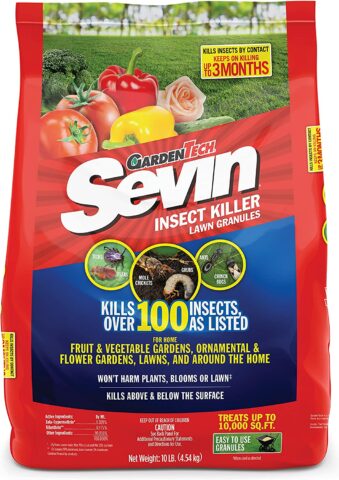
Image Source: www.hepper.com
Can I Put Sevin Dust On My Dog For Fleas? Safety Guide
No, you should never put Sevin dust on your dog for fleas. Sevin dust, which contains the active ingredient Carbaryl, is a garden insecticide used to kill pests on plants. It is not safe or approved for use on dogs and can cause serious harm, including insecticide poisoning in dogs.
What is Sevin Dust?
Sevin dust is a common product many people use in their gardens. It helps kill bugs that eat plants. The main chemical in Sevin dust is called Carbaryl. This chemical is good at stopping many kinds of pests like beetles, worms, and other garden bugs. People sprinkle it on their plants or on the soil around them.
Carbaryl: A Bug Killer Chemical
Carbaryl is part of a group of chemicals called carbamates. These chemicals work by messing up the nervous system of insects. This causes the insects to stop working and die. Carbaryl has been used for a long time to kill bugs in many places, like farms, gardens, and even on lawns. It’s good at killing bugs, but it can also affect other living things, like animals and people, if they get too much of it.
Why People Might Think of Using Sevin on Dogs
Sometimes, when people have a bad flea problem on their dog, they look for anything that kills bugs. They might see Sevin dust in their shed or garage and know it kills garden bugs fast. They might think, “If it kills bugs on plants, maybe it can kill fleas on my dog.” In the past, before there were many safe options, people sometimes used things on animals that we now know are dangerous. This old way of thinking might make someone consider using a product like Sevin dust. They want to help their dog and stop the fleas, but they don’t know how truly unsafe this is.
Great Dangers of Sevin Dust for Dogs
Putting Sevin dust on a dog is very risky. Dogs are not like plants or garden soil. Their bodies work differently. What kills a bug on a tomato plant can be like poison to a dog. There are many reasons why Sevin dust is not safe for pets.
Carbaryl Gets Into a Dog’s Body
When you put dust on a dog’s fur, it doesn’t just stay there.
* Skin: The chemical Carbaryl can go through the dog’s skin and into their blood.
* Mouth: Dogs lick themselves. If the dust is on their fur, they will eat it when they lick.
* Breathing: They can breathe in the tiny dust bits.
All these ways mean the Carbaryl chemical gets inside the dog’s body. Once inside, it starts to cause problems.
How Carbaryl Harms a Dog
Carbaryl attacks the nervous system, just like it does in bugs. But it also affects the nervous system in dogs. It messes with important body signals. This can cause many bad things to happen inside the dog. It affects how their muscles work, how their body makes fluids, and how their brain sends messages. This is why it leads to serious sickness.
Insecticide Poisoning in Dogs from Sevin
When a dog gets too much Carbaryl from Sevin dust, they get insecticide poisoning. This is a medical emergency. The signs can show up quickly after the dust touches them or after they lick it. The signs can be mild at first but get worse fast.
Signs Your Dog Got Sevin Poisoning
It is important to know the signs of poisoning. If you ever put Sevin dust on a dog, or think they got into it, watch for these signs. Get help from a vet right away if you see any.
Common Signs of Sevin Poisoning (Carbaryl Toxicity):
- Drooling a lot: More spit than normal coming from their mouth.
- Watery eyes: Eyes look wet or tear a lot.
- Runny nose: Clear liquid coming from their nose.
- Throwing up (vomiting): Getting sick and throwing up food or liquid.
- Diarrhea: Loose or watery poop.
- Shaking or trembling: Body shakes in a way they can’t control.
- Muscle twitching: Small parts of their body seem to jump or move on their own.
- Trouble breathing: Breathing fast, hard, or not being able to get enough air.
- Small eye pupils: The black center of their eye looks very small.
- Weakness: Not being able to stand well, lying down a lot.
- Falling over or trouble walking: Losing their balance.
- Seizures: Muscles tighten and release over and over, uncontrolled body movements.
- Collapse: Falling down and not being able to get up.
- Being very slow or not moving much: Not reacting to things around them.
These signs can be very scary. If you see these after your dog was near Sevin, you need to act fast.
Getting Help Fast is Key
If you think your dog has Sevin poisoning, do not wait.
1. Call your vet immediately. Tell them what happened and what signs you see.
2. If your vet is closed, go to an emergency animal hospital.
3. You can also call a pet poison control hotline. They can give advice. Examples are the Pet Poison Helpline or the ASPCA Animal Poison Control Center. There might be a fee to call.
Do not try to make your dog throw up unless a vet or poison control tells you to. Some poisons can cause more harm coming back up.
Why Garden Bug Killers Are Not Pet Products
Garden bug killers like Sevin dust are made for plants and killing bugs on them. They are not made thinking about dogs, cats, or people touching them or getting them inside their bodies in the way a pet would.
- Different Rules: Products for gardens follow different safety rules than products made for use on pets.
- Different Tests: Garden products are tested to see if they kill bugs and if they harm plants or the environment in a garden setting. Pet products are tested on the specific animal (dogs, cats) to make sure they are safe for that animal at a certain amount.
- Different Ways of Use: Garden dust sits on leaves or soil. Pet treatments go onto skin, into the body (pills), or are worn (collars). A dog licks itself; a plant does not.
- Amount of Chemical: The amount of Carbaryl in Sevin dust is right for killing garden bugs but is too much and too dangerous for a dog.
Using a garden product on a pet is like using house paint instead of face paint on a child. Both are paint, but one is safe for skin and one is not. Sevin dust is paint for the garden, not for your dog.
Safe Flea Treatment for Dogs
Instead of using dangerous products like Sevin, there are many safe and good ways to get rid of fleas on your dog. The best options are made just for dogs and are approved by experts. These are often called pet flea control products.
Talk to Your Vet First
The very best thing you can do is talk to your vet. They know your dog and their health. They know which flea products work best in your area and which ones are safest for your dog’s age, size, and health. Veterinary advice on pet insecticides is important because not all products are right for every dog.
Types of Safe Flea Products for Dogs
Vets can recommend many kinds of products that are safe and work well.
- Spot-On Treatments: These are small tubes of liquid you put on your dog’s skin, usually between the shoulder blades. The liquid spreads over the skin or gets into the blood to kill fleas. Brands like Frontline, Advantage, K9 Advantix, and Revolution are examples.
- Chewable Pills: These are pills the dog eats, usually once a month. The medicine gets into the dog’s blood. When fleas bite the dog, they get the medicine and die. Brands like NexGard, Bravecto, Simparica, and Credelio are examples.
- Flea Collars (Vet Approved): Some collars, like Seresto, release safe chemicals that spread over the dog’s skin or get into their blood to kill fleas for many months. Be careful: cheap collars from grocery stores may not be safe or work well.
- Flea Shampoos (Use with Care): Shampoos can kill fleas on the dog right now, but they don’t protect the dog for long. You must be careful not to let the dog lick the shampoo and rinse very well. They are usually only one part of stopping fleas.
- Flea Combs: Using a fine-toothed comb can pull fleas off the dog. This is safe but takes time and only removes the fleas you can see. It’s good for young puppies or dogs who cannot use other products.
These products are tested and approved to be dog safe insecticides when used the right way. They contain chemicals that are much safer for dogs than Carbaryl in Sevin dust, or they work in ways that don’t harm the dog.
Alternatives to Sevin for Dogs (Safe Ways)
Beyond specific flea products, there are other parts to controlling fleas without using dangerous things like Sevin.
Treating the Environment
Fleas live on your dog, but they also live in your home and yard. Eggs, larvae, and pupae (baby fleas) hide in carpets, furniture, and cracks in the floor. You must kill the fleas where they live, not just on the dog.
- Vacuum Often: Vacuuming carpets, floors, and furniture picks up flea eggs, larvae, and some adults. Throw away the vacuum bag outside right away.
- Wash Bedding: Wash your dog’s bed, your own bedding, and any blankets they use in hot water every week.
- Steam Cleaning: Steam cleaning carpets and furniture can kill fleas at all life stages with heat.
- Yard Treatment: Sometimes you need to treat your yard, but use products made for yards and follow directions carefully. Keep pets and kids away until it’s safe.
Treating the home and yard is a very important part of safe flea prevention for dogs. If you only treat the dog, fleas will keep coming back from the environment.
Natural Methods (Use with Caution and Vet OK)
Some people look for “natural” ways to fight fleas. Some might help a little, but often they are not strong enough for a bad flea problem, and some can even be harmful if not used correctly.
- Flea Combs: Already mentioned, safe and good for removing fleas you see.
- Regular Baths: Bathing can wash fleas off, but like shampoo, it doesn’t protect long-term. Use a gentle dog shampoo.
- Essential Oils: Some oils (like tea tree oil) are DANGEROUS for dogs. Others might repel fleas a little (like citronella), but they need to be used very carefully, greatly watered down, and only after talking to your vet. Do not use essential oils on your dog without asking your vet first. What is safe for humans is not always safe for dogs.
- Diatomaceous Earth (Food Grade): This is a fine powder made from tiny fossilized water plants. It can kill bugs by drying them out. You can put food-grade DE on carpets or in cracks in the house (wear a mask when putting it down) or in the yard. Do not put it on your dog’s skin or let them breathe a lot of the dust. It can dry out their skin and hurt their lungs. Use this carefully in places fleas hide, not directly on the pet.
Natural methods alone are usually not enough to handle a serious flea problem and should not replace veterinary-approved treatments. Always ask your vet before trying any natural method to make sure it’s safe for your specific dog.
Why Professional Pet Flea Control Products Are Best
Products you get from your vet or reputable pet stores (that are recommended by vets) are the safest bet.
* Tested: They have been tested to be safe and work on dogs.
* Right Dose: The amount of chemical is right for a dog, not too much.
* How They Work: They are made to work on fleas specifically, with less risk to your dog compared to harsh garden chemicals.
* Expert Advice: Vets can help you choose the right product and tell you exactly how to use it.
Thinking about pet flea control products means choosing ones that are made for pets and have gone through safety checks. Sevin dust is not in this group.
The Importance of Reading Labels
Always read the label on any product you plan to use on or near your dog.
* Is it for dogs? Look for “For Use On Dogs” or similar wording.
* What kind of bugs does it kill? Make sure it lists fleas.
* How much to use? Does it tell you the dose based on your dog’s weight or age?
* Warnings: Does it list any dangers or things to watch out for?
If a product says “For Garden Use Only” or lists Carbaryl as the main ingredient and is not a specific, approved pet product, do not use it on your dog.
Long-Term Flea Prevention for Dogs
Stopping fleas is not just a one-time thing. Fleas can be a problem all year in many places. Using safe flea prevention for dogs regularly, as your vet suggests, is the best way to keep your dog free of fleas and avoid needing to use dangerous products in an emergency.
- Use vet-recommended chewables, spot-ons, or collars every month or as often as the product says.
- Keep your home clean by vacuuming and washing bedding often.
- Check your dog regularly for fleas, especially after being outside.
- Talk to your vet if you see fleas, even if your dog is on a product. They can help figure out why the product isn’t working or if you need to do more to treat your home.
Recap: Why Sevin Dust is a No-Go
To make it very clear, here are the main reasons you should never put Sevin dust on your dog for fleas:
* It contains Carbaryl, a chemical that is poison to dogs.
* It is made for gardens, not pets.
* Dogs can swallow it by licking their fur.
* It can go through their skin.
* It can cause serious sickness (insecticide poisoning) with many bad signs.
* It can even cause death.
* There are many safe, approved, and effective pet flea control products available.
* Veterinary advice on pet insecticides is crucial for choosing safe options.
Choosing safe flea prevention for dogs is part of being a good pet owner. It keeps your dog healthy and happy without risking dangerous exposure to garden chemicals.
Grasping the Risk
Many common household products are not safe for pets. Just because something kills bugs doesn’t mean it’s safe to put on an animal. Pesticides like Carbaryl are powerful chemicals. When they are made for a specific use (like killing bugs on corn plants), they are tested for that use. They are not tested or made for direct contact on the skin of a dog, or for a dog to eat them. The concentration of the chemical, how it’s made (a dust), and the way a dog acts (licking, breathing) all make Sevin dust very risky. Think of it this way: you use soap to wash dishes, but you wouldn’t use dish soap to wash your dog, even though it makes bubbles. Different products are made for different jobs and different safety needs.
Safe Handling of Garden Insecticides
If you use Sevin dust or other garden insecticides in your yard, be very careful with your pets.
* Read the label carefully before using it.
* Keep your pets away from the area while you are using the product.
* Keep pets off the treated area for as long as the label says is needed. This might be hours or even a day after using it.
* Store all garden chemicals in a safe place where pets and children cannot get to them. A high shelf or locked cabinet is best.
* If your pet does get into a garden chemical, call your vet or poison control right away.
Knowing how to use garden products safely keeps your pets and family safer.
Final Thoughts on Fleas and Safety
Dealing with fleas is a common part of owning a dog. It can be frustrating when you see your dog scratching. But reaching for a quick fix like Sevin dust from the garden shed is never the right answer. It puts your dog in serious danger. Always choose pet-safe products made for fleas and approved by experts. Work with your vet to find the best way to protect your dog from fleas all year long. Safe flea prevention for dogs is possible and important.
Frequently Asked Questions
Q: Is Sevin dust the same as tick dust?
A: Sevin dust is a specific product containing Carbaryl. Some products for killing ticks in yards might also use Carbaryl or other chemicals, but Sevin dust itself is a garden product, not made for animals. Do not use any product meant for yards or gardens directly on your dog for ticks or fleas.
Q: My dog walked through Sevin dust in the garden. What should I do?
A: Wash your dog right away with a gentle soap and lots of water. Wear gloves if you have them. Wash the area the dog touched. Call your vet for advice, even if your dog seems fine, as signs of poisoning can show up later. Watch your dog closely for any of the poisoning signs listed earlier.
Q: What are some good dog safe insecticides I can get from my vet?
A: Vets often recommend products like oral pills (NexGard, Bravecto, Simparica, Credelio) or spot-on treatments (Frontline, Advantage, K9 Advantix, Revolution, Revolution Plus). These products use chemicals different from Carbaryl that are safer for dogs when used as directed. Always ask your vet which is best for your dog.
Q: Can I use “natural” flea shampoos on my dog?
A: Some natural shampoos might help wash fleas off temporarily, but they don’t offer lasting protection and might not kill all fleas. Some natural ingredients can also be harmful to dogs. Always check with your vet before using any shampoo or treatment, natural or otherwise, on your dog, especially for regular use.
Q: How long does it take for signs of Sevin poisoning to show up?
A: Signs can show up very quickly, sometimes within minutes to a couple of hours after a dog is exposed to Sevin dust by skin contact or eating it. Sometimes, signs might take a bit longer to appear. This is why watching your dog closely and calling your vet quickly is important.
Q: My neighbor told me they use Sevin dust on their dog and it works. Is it okay?
A: No, it is never okay to use Sevin dust on a dog. Even if another person has done it without their dog showing immediate, obvious signs of severe sickness, it is still very dangerous and can cause harm you might not see right away. It is not approved for use on pets for serious safety reasons. Rely on professional, tested pet products and veterinary advice on pet insecticides instead of dangerous home remedies.